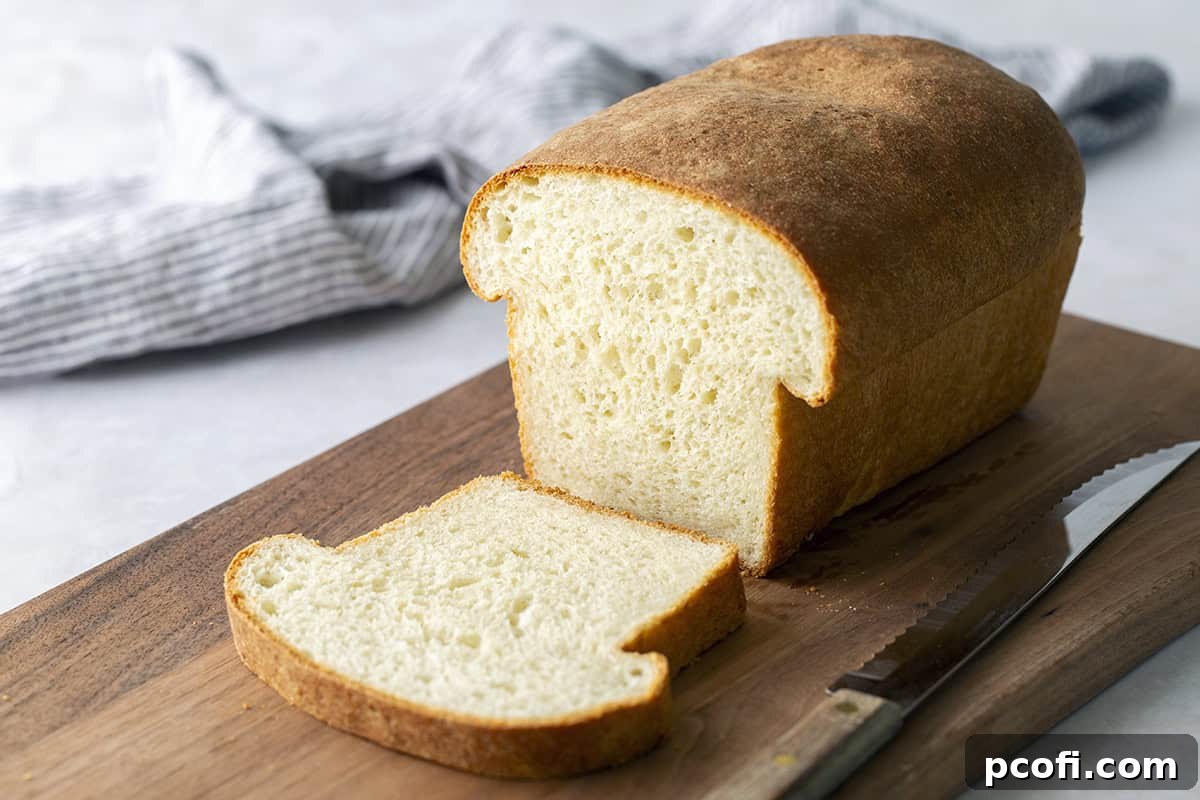
Indulge in the heartwarming aroma and unmatched taste of a fresh loaf of Homemade Potato Bread. This cherished recipe promises a soft, fluffy crumb with a delicate richness that elevates every slice. Crafted with everyday ingredients and the secret touch of mashed potato, it bakes into a majestic, golden loaf that’s tender beyond belief. Whether you’re assembling gourmet sandwiches, crafting the perfect toast, or simply enjoying it slathered with butter, this potato bread is destined to become a staple in your kitchen.
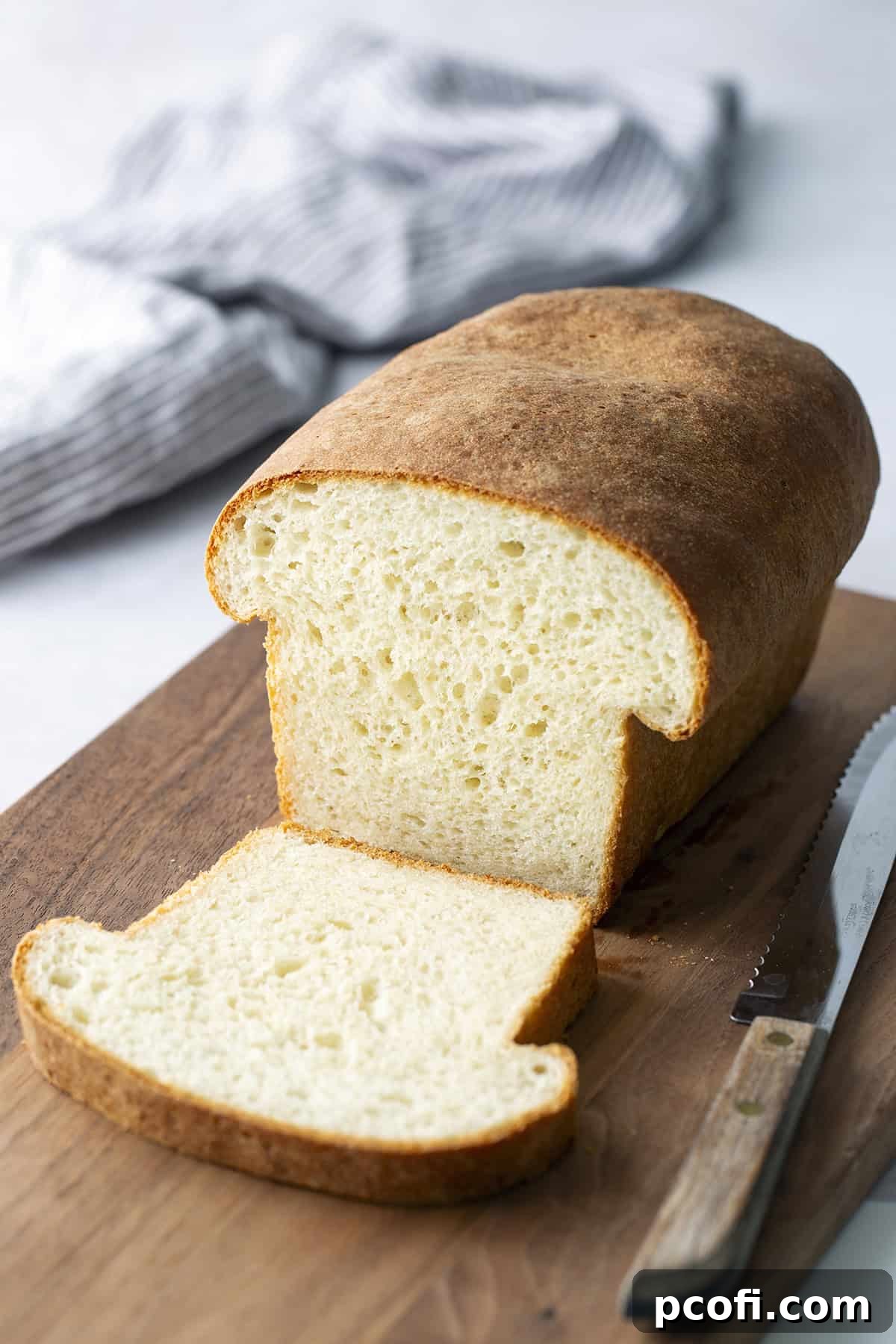
Few things compare to the comforting embrace of a home filled with the scent of freshly baked bread. This Homemade Potato Bread recipe doesn’t just fill your kitchen with an irresistible aroma; it creates a masterpiece loaf that is wonderfully soft, deeply flavorful, and incredibly versatile. Its unique texture and subtly sweet flavor make it the perfect companion for a steaming bowl of homemade soup, the foundation for an epic grilled cheese, a delightful base for any sandwich, or simply a treat to savor with your favorite jam or a generous spread of butter.
If the world of bread baking seems daunting, consider this potato bread recipe your perfect entry point. The dough is remarkably forgiving, making it ideal for novice bakers to build confidence. Most of the ingredients are likely already in your pantry, simplifying the preparation process. The star ingredient, mashed potatoes, works wonders by adding moisture and creating that signature perfectly moist and tender texture that sets this bread apart. Once you experience the unparalleled taste and texture of homemade potato bread, you might find yourself saying goodbye to store-bought loaves forever!
Table of Contents
- Discover the Magic: Why You’ll Adore This Potato Bread Recipe
- Essential Ingredients for Your Perfect Loaf
- Step-by-Step Guide: Crafting Your Homemade Potato Bread
- Expert Tips & Tricks for Potato Bread Success
- Troubleshooting Common Bread Baking Issues
- Storing Your Homemade Potato Bread
- Delicious Ways to Enjoy Potato Bread
- Explore More Homemade Bread Recipes
Jump to Recipe
Discover the Magic: Why You’ll Adore This Potato Bread Recipe
This isn’t just another bread recipe; it’s an experience in wholesome baking that yields truly outstanding results. Here are the compelling reasons why this Homemade Potato Bread will quickly become a cherished favorite:
- Unbelievably Soft and Tender Texture: The secret lies in the mashed potatoes. They introduce extra moisture and starch to the dough, resulting in a crumb that is incredibly delicate, fine, and irresistibly soft. Every bite melts in your mouth.
- Remarkable Freshness That Lasts: Thanks to the natural starches found in potatoes, this bread retains its softness and fresh quality for significantly longer than many other homemade loaves. You’ll enjoy fresh-tasting bread for days without it drying out.
- A Loaf That Rises with Grace: You’ll be delighted by how beautifully this dough proofs. With minimal effort, you’ll achieve a tall, impressive, and perfectly golden loaf, showcasing a professional-looking bake right from your home oven.
- The Ultimate Base for Sandwiches and Toast: Its robust yet tender structure holds up perfectly when sliced, making it ideal for stacking with your favorite sandwich fillings. And when toasted? It transforms into a crispy, comforting canvas, absolutely sublime with just a pat of butter or your favorite spread.
- Effortless for Every Baker: Whether you’re a seasoned artisan or taking your first steps into bread making, this recipe is incredibly straightforward and forgiving. The dough is a pleasure to work with, promising satisfying results every time.
- Rich, Subtle Flavor: The potato imparts a mild, earthy sweetness and a depth of flavor that complements a wide array of meals and toppings without being overpowering. It’s a taste that speaks of comfort and home.
Essential Ingredients for Your Perfect Loaf
Crafting this exceptional potato bread requires a handful of simple, high-quality ingredients, each playing a crucial role in developing its signature taste and texture. Gather these pantry staples, and you’re well on your way to baking bliss:
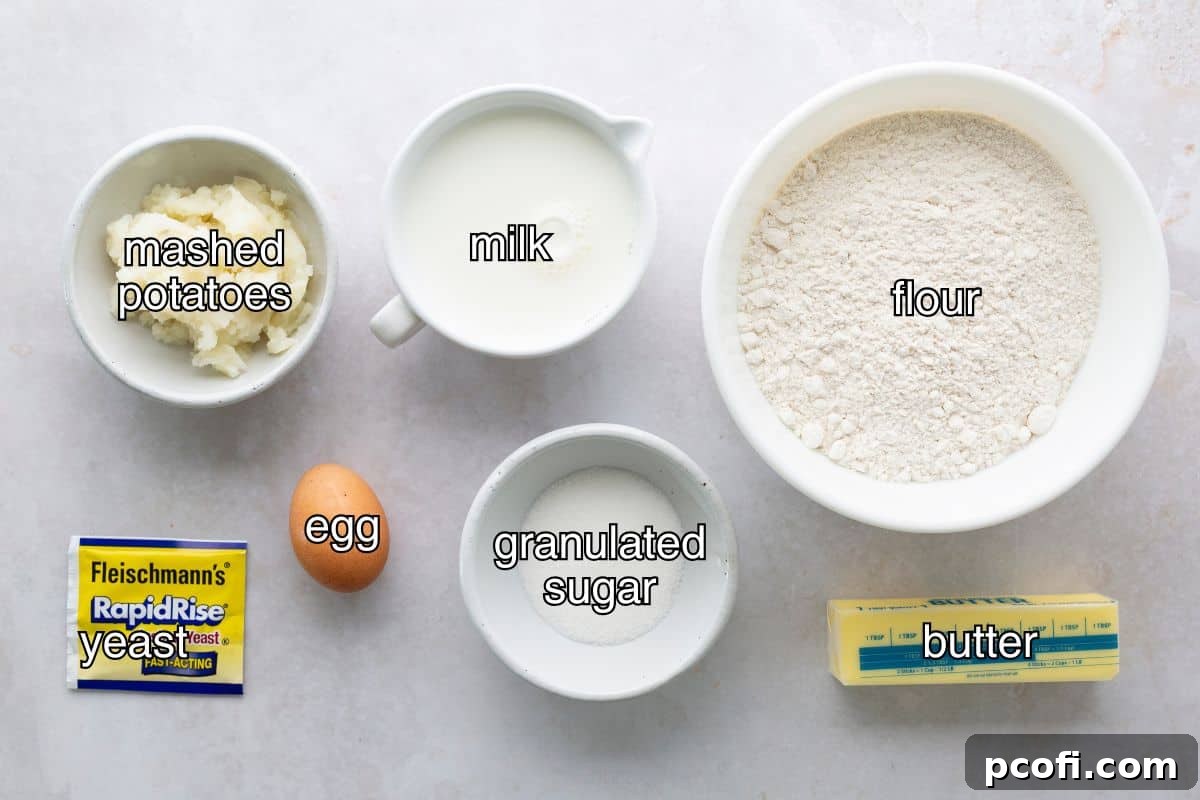
- All-purpose flour: This forms the essential structure and body of the bread, providing the necessary gluten development for a chewy yet tender crumb.
- Granulated sugar: A small amount of sugar acts as food for the yeast, helping it activate and ensuring a good rise. It also contributes a subtle sweetness and helps with browning the crust.
- Instant yeast: The leavening agent responsible for making your bread light and airy. Ensure your yeast is fresh and active for the best rise. Instant yeast is preferred for its convenience, as it can be mixed directly with dry ingredients.
- Kosher salt: Absolutely vital for flavor. Salt balances the sweetness, strengthens the gluten structure, and controls the yeast activity. Never skip or drastically reduce the salt in bread recipes.
- Unsalted butter: Softened butter adds richness, moisture, and a tender crumb, contributing to the bread’s delightful mouthfeel and flavor. Using unsalted butter allows you to control the overall salt content.
- Unseasoned mashed potatoes: The star ingredient! These provide incredible moisture and a unique tenderness to the bread, helping it stay fresh longer. It’s crucial that they are plain, smooth, and free of any added salt, butter, milk, or seasonings that might interfere with the recipe’s balance.
- Whole milk: Adds fat, protein, and natural sugars, which contribute to a richer flavor, a softer crumb, and a beautifully golden crust. Ensure it’s lukewarm to properly activate the yeast without shocking it.
- Egg: A large egg binds the ingredients, enhances the richness of the dough, and contributes to its soft texture and beautiful golden color. It also adds a touch of protein, strengthening the dough structure.
A Note on Potatoes: Choosing and Preparing
The type and preparation of your mashed potatoes can make a difference in your final loaf. For the best results, opt for starchy potatoes like Russets (Idaho) or Yukon Golds. These varieties yield a light, fluffy mash ideal for incorporating into bread dough. When preparing your mashed potatoes for this recipe, remember these key points:
- Plain is Key: Ensure your mashed potatoes are completely plain and unseasoned. This means no butter, milk, salt, pepper, or herbs. Any additional ingredients can alter the dough’s hydration and flavor profile.
- Smooth Texture: Mash your potatoes until they are very smooth, without any lumps. A potato ricer is an excellent tool for achieving a perfectly smooth consistency. Lumps can lead to uneven texture in the final bread.
- Cool Them Down: The mashed potatoes should be lukewarm or at room temperature when added to the dough. Hot potatoes can kill the yeast, while cold ones can slow down its activity significantly. If preparing them in advance, allow them to cool completely before covering and refrigerating.
- Quantity Matters: You only need half a cup of mashed potatoes for this recipe. If you’re making a larger batch for dinner, simply reserve the necessary amount before adding any seasonings.
Step-by-Step Guide: Crafting Your Homemade Potato Bread
Baking this potato bread is a rewarding process. Follow these detailed steps to achieve a perfectly soft and golden loaf:
Step 1: Combine Dry Ingredients
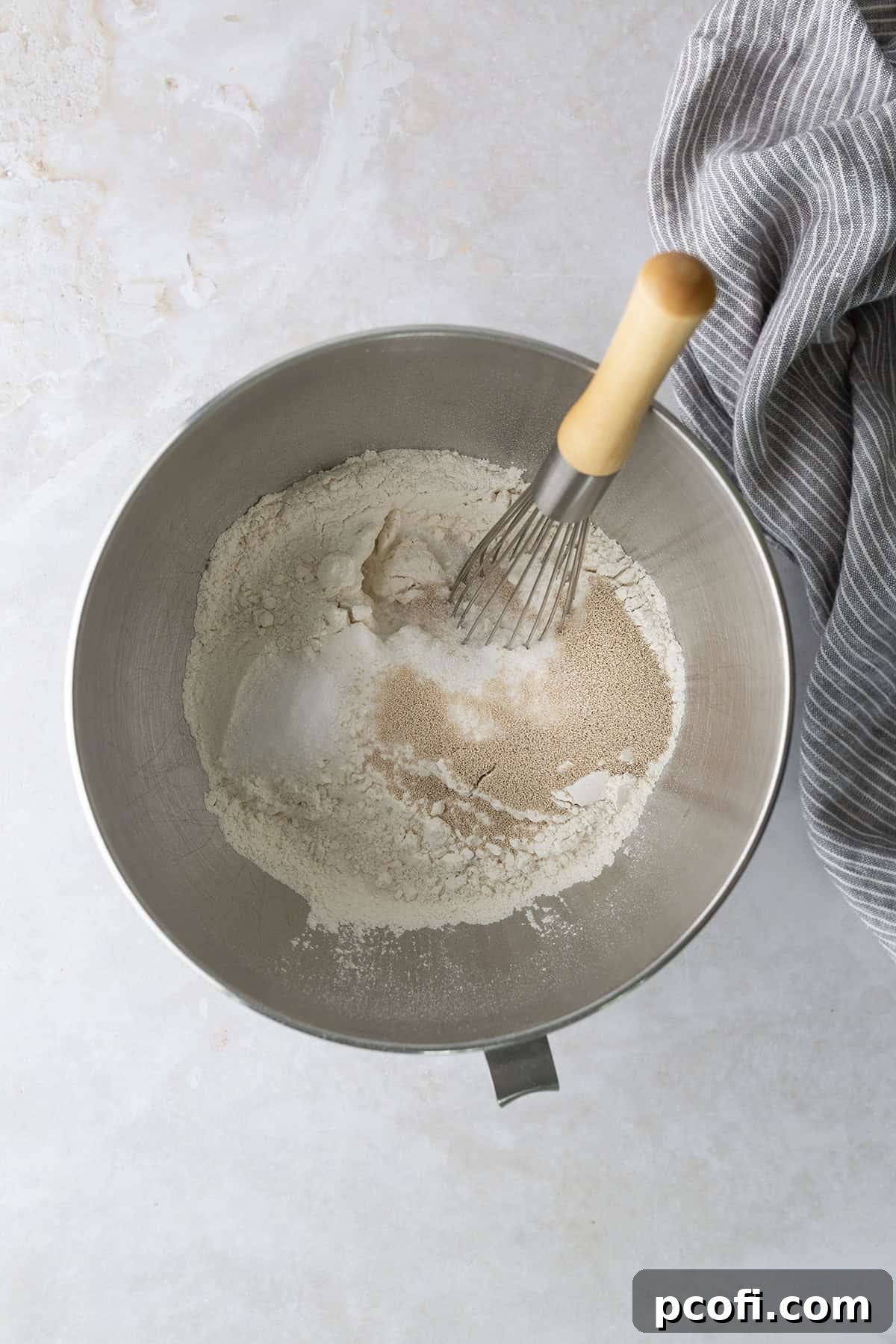
Begin by combining the foundational dry ingredients. In the spacious bowl of a stand mixer fitted with the paddle attachment, whisk together the all-purpose flour, granulated sugar, instant yeast, and kosher salt. Ensure these ingredients are thoroughly mixed to evenly distribute the yeast and salt throughout the flour, which is crucial for a consistent rise and flavor.
Step 2: Incorporate Wet Ingredients & Knead the Dough
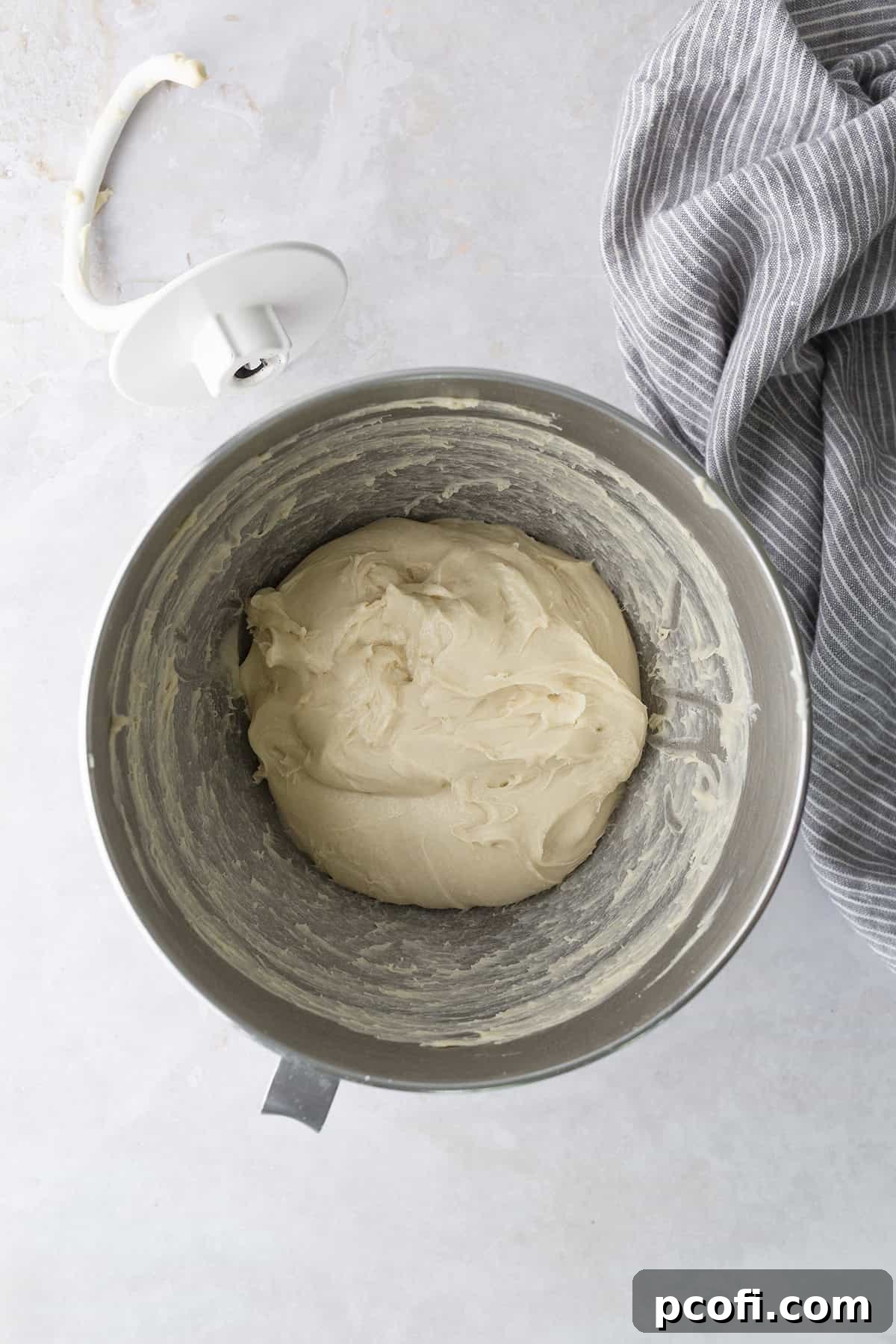
To the bowl of dry ingredients, add the softened unsalted butter, lukewarm unseasoned mashed potatoes, lukewarm whole milk, and the large egg. Start mixing on low speed with the paddle attachment for about 30 seconds, just until the ingredients are roughly combined. Then, increase the speed to medium-high and continue mixing for 3-5 minutes. The dough will be quite sticky initially but should start to pull away from the sides of the mixer bowl, gathering around the paddle. Use a spatula to scrape down the sides of the bowl periodically to ensure everything is incorporated.
Next, switch from the paddle attachment to the dough hook. Continue kneading the dough on medium speed for an additional 6-8 minutes. During this stage, the dough will become smoother, more elastic, and less sticky, though it will still be soft and slightly tacky to the touch. This kneading process is vital for developing the gluten, which gives the bread its structure and chewy texture.
Step 3: First Rise: The Art of Patience
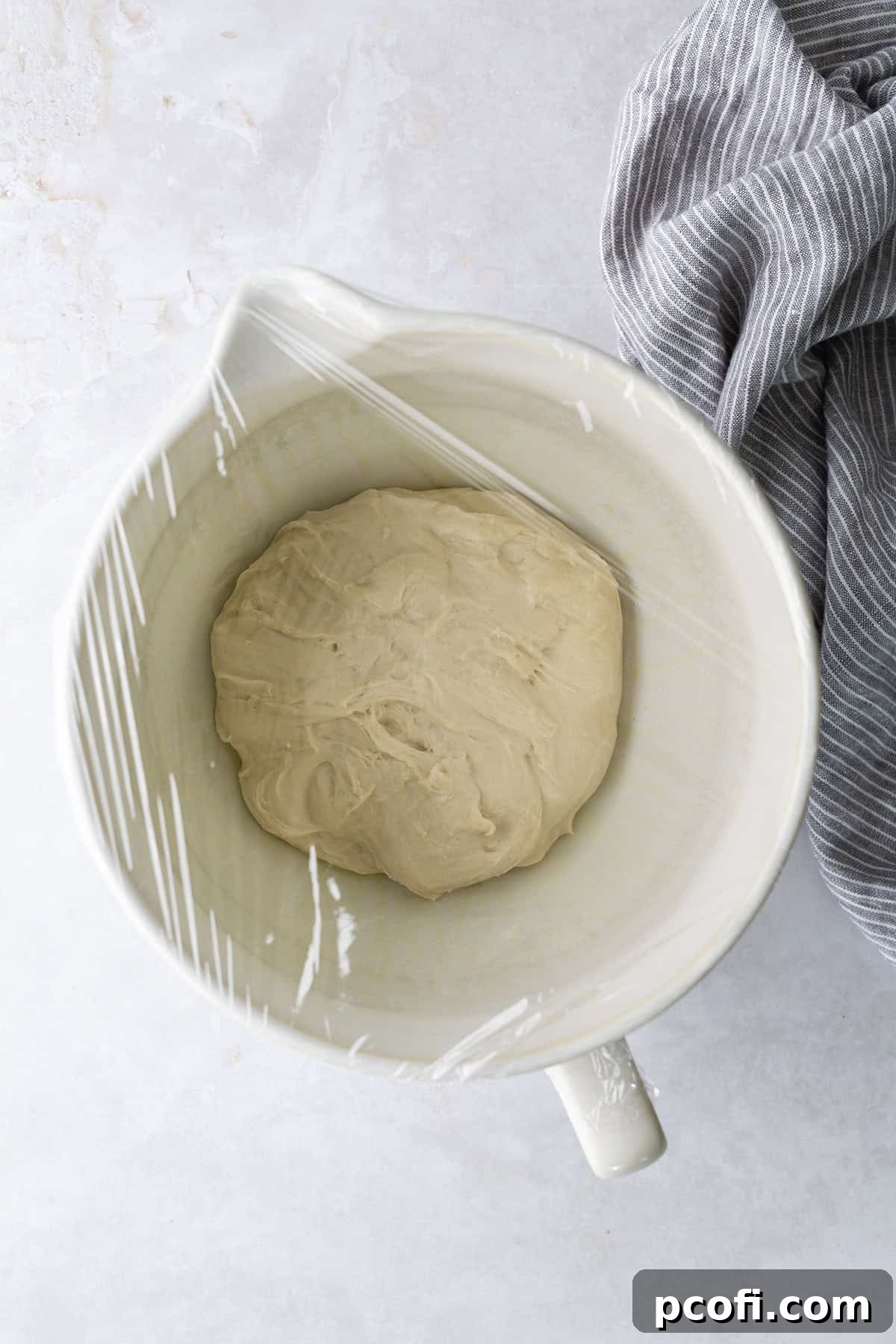
Once kneaded, gently form the soft dough into a smooth ball. Lightly grease a large bowl (you can clean and reuse your stand mixer bowl for this, or use a separate bowl). Place the dough ball into the greased bowl, turning it once to coat lightly with oil, which prevents it from drying out during the rise. Cover the bowl tightly with plastic wrap or a damp kitchen towel. This creates a warm, humid environment essential for the yeast to work its magic.
Step 4: Observing the Rise
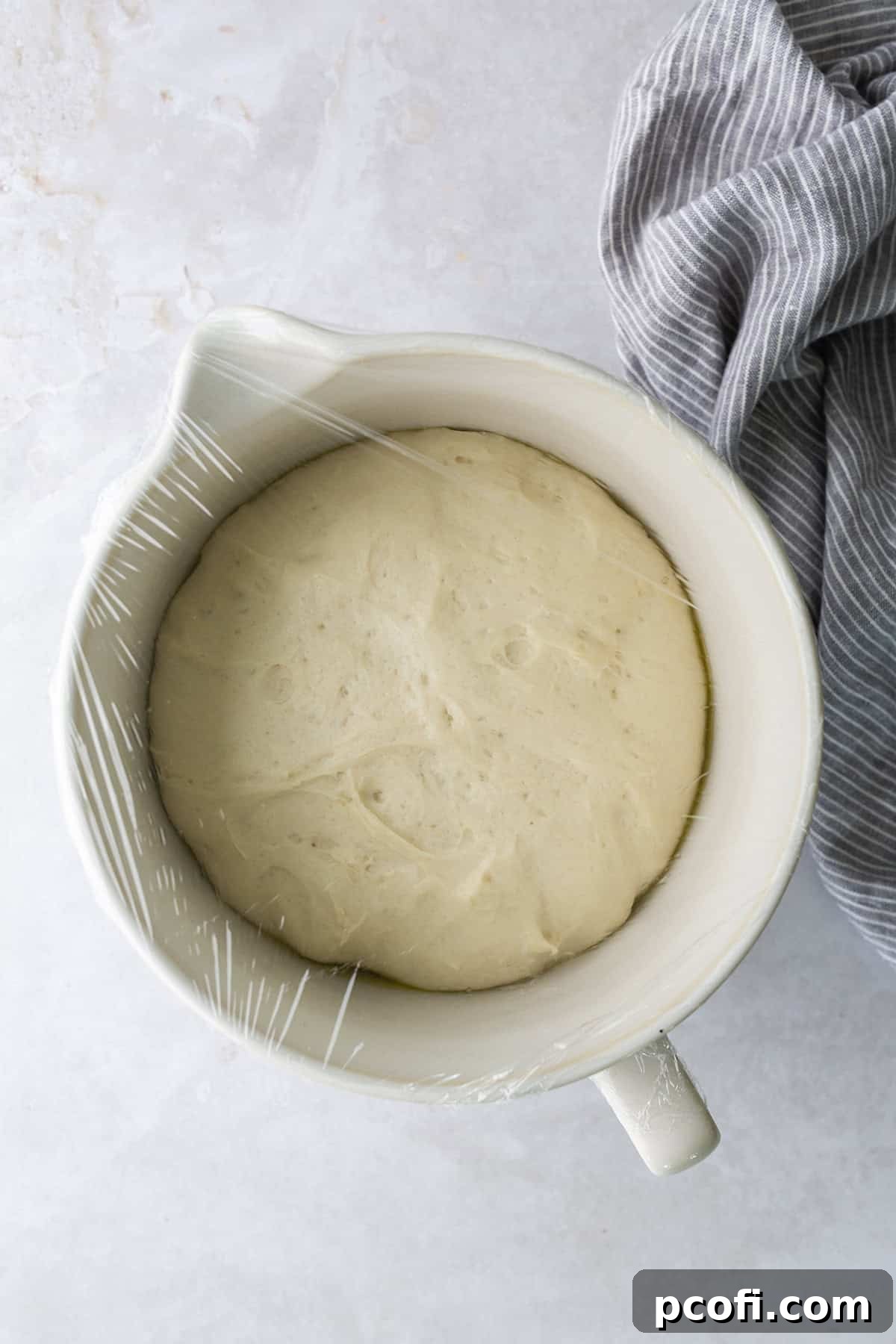
Allow the dough to rise in a warm, draft-free place for 1-2 hours, or until it has visibly doubled in size. If you’re in no rush and want to develop a deeper, more complex flavor, you can also place the covered dough in the refrigerator to rise slowly overnight (8-12 hours). A longer, colder rise results in a more nuanced flavor profile. To check if the dough has risen enough, gently poke it with two fingers; if the indentations remain, it’s ready.
Step 5: Gently Punch Down the Dough
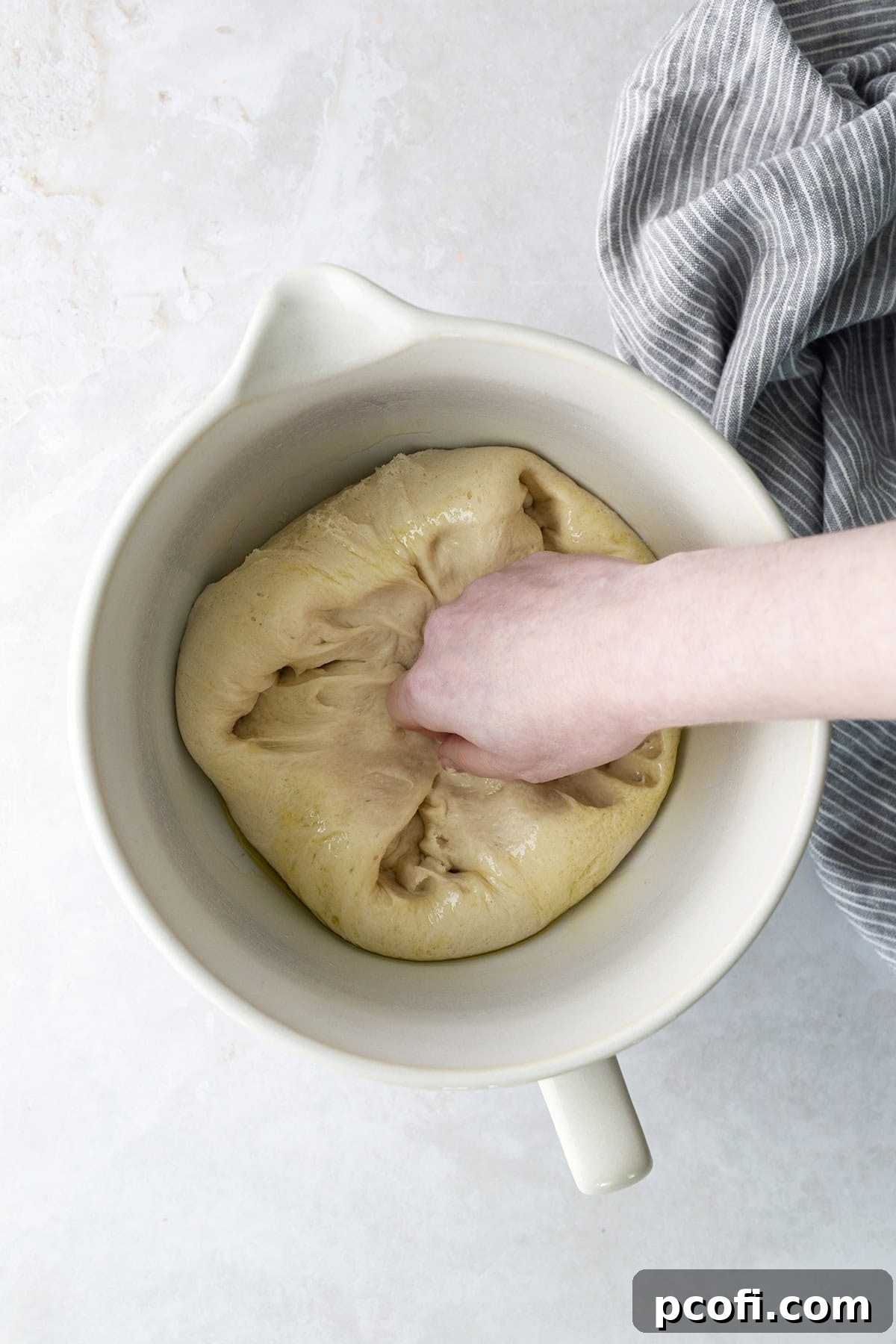
Once the dough has doubled in size, it’s time to “punch it down.” This doesn’t mean aggressively deflating it; rather, gently press your fist into the center of the risen dough. This action releases the carbon dioxide gases that have built up during the first rise, redistributes the yeast, and ensures a fine, even crumb in your finished bread. Gently fold the edges towards the center to form a rough ball again.
Step 6: Shaping and Preparing for the Second Rise
Lightly flour a clean work surface. Turn the punched-down dough out onto this surface. Gently shape the dough into a log that will fit neatly into your lightly greased 8×4-inch loaf pan. Ensure the seams are pinched together at the bottom to maintain the shape during baking. Place the formed log into the prepared loaf pan, pressing it gently into the corners.
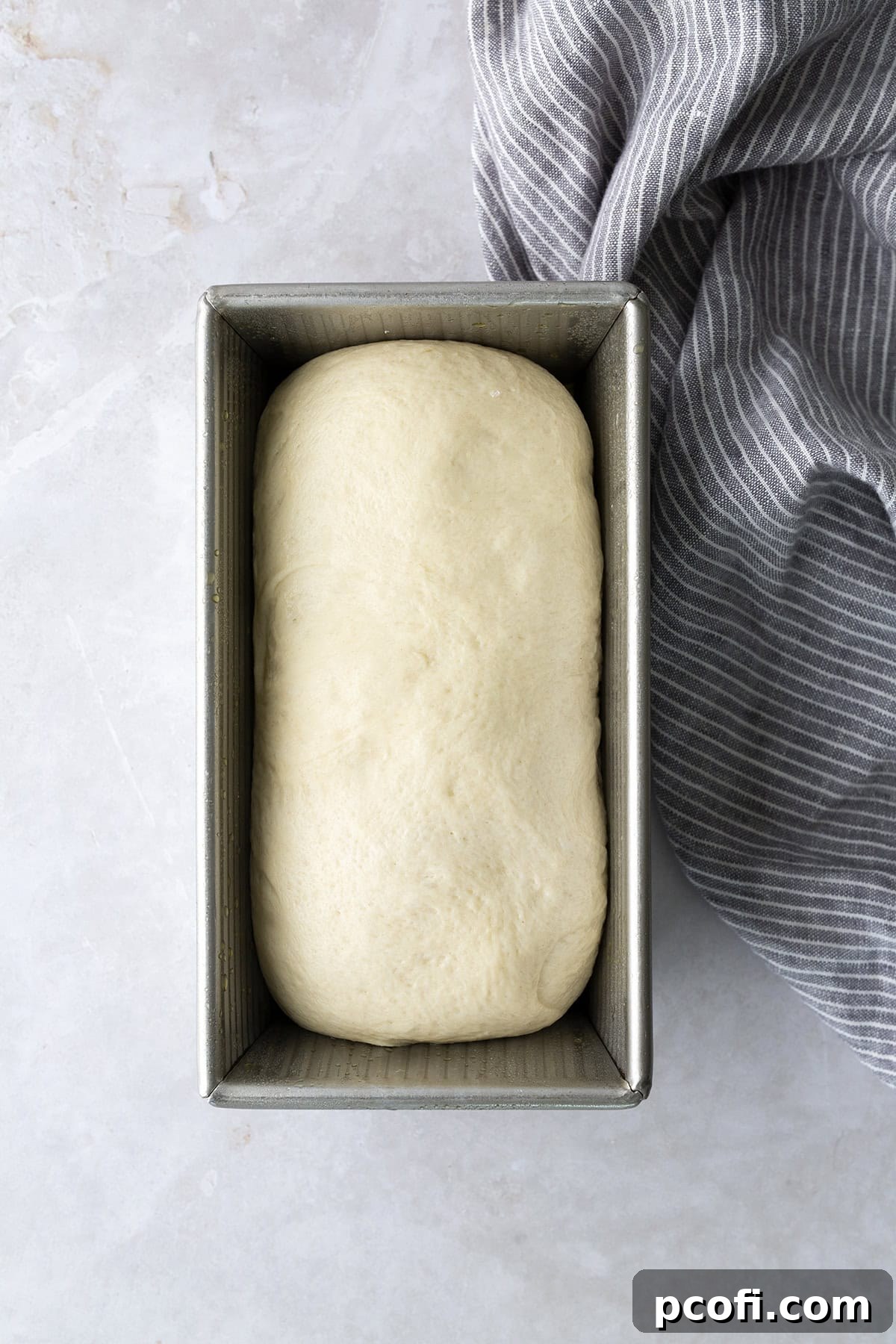
Step 7: The Second Rise: Reaching New Heights
Cover the loaf pan loosely with lightly greased plastic wrap (the greasing prevents it from sticking to the risen dough) or a clean, damp kitchen towel. Allow the dough to undergo its second rise in a warm, draft-free place for 1-3 hours. This rise is complete when the dough has risen about 1 inch above the top edge of the pan, looking plump and airy. Note that if you chilled the dough overnight for the first rise, this second rise may take a bit longer as the dough needs to warm up.
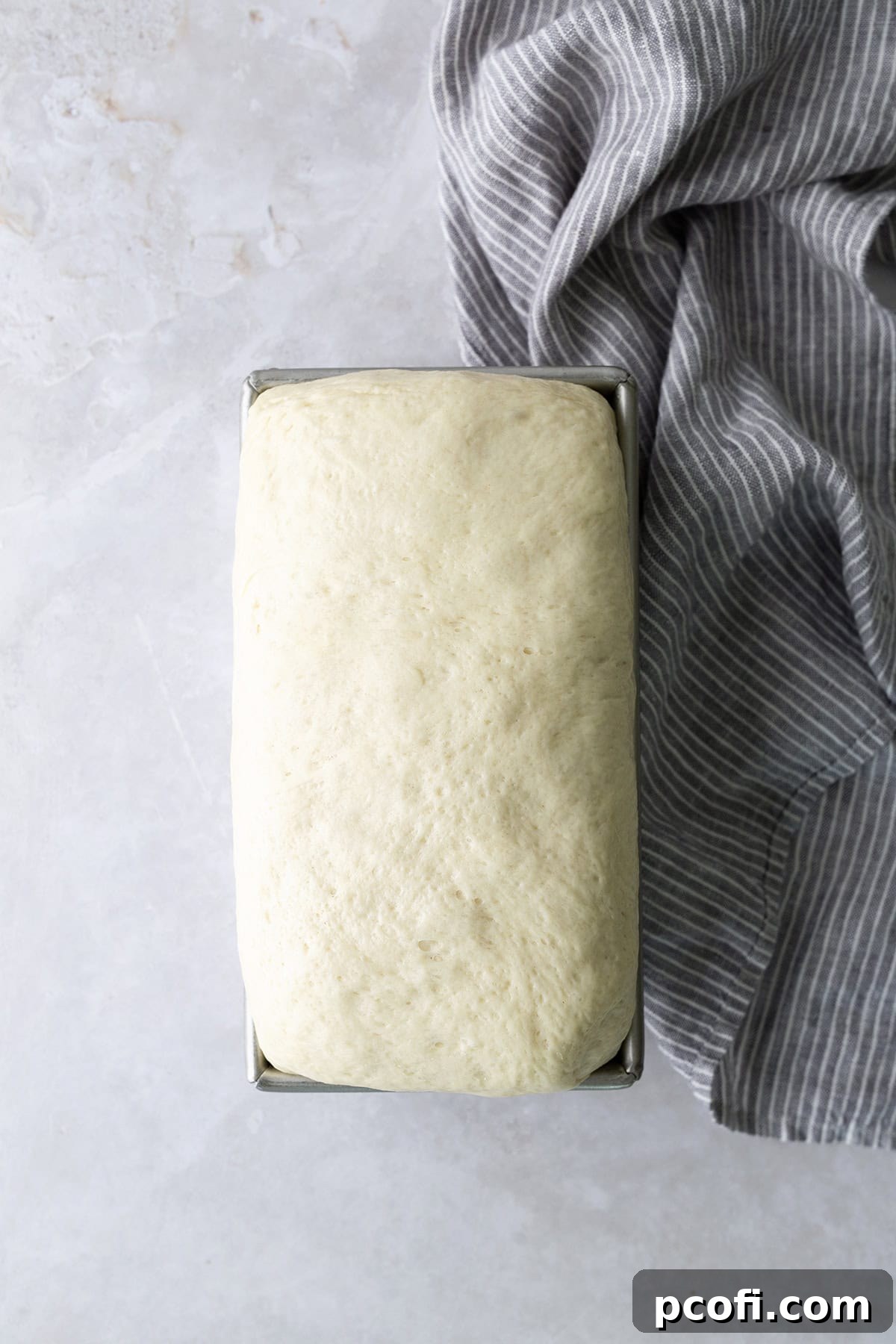
Step 8: Baking to Golden Perfection
Preheat your oven to 350°F (175°C) with an oven rack positioned in the center. Carefully remove and discard the plastic wrap or towel from the loaf pan. Place the pan in the preheated oven and bake for 40-45 minutes. The bread is done when its crust is a beautiful deep golden brown, and an instant-read thermometer inserted into the center of the loaf reads between 190°F (88°C) and 200°F (93°C). If the top of the bread begins to brown too quickly before the interior is cooked, you can loosely tent it with aluminum foil after 20-25 minutes of baking to prevent over-browning.
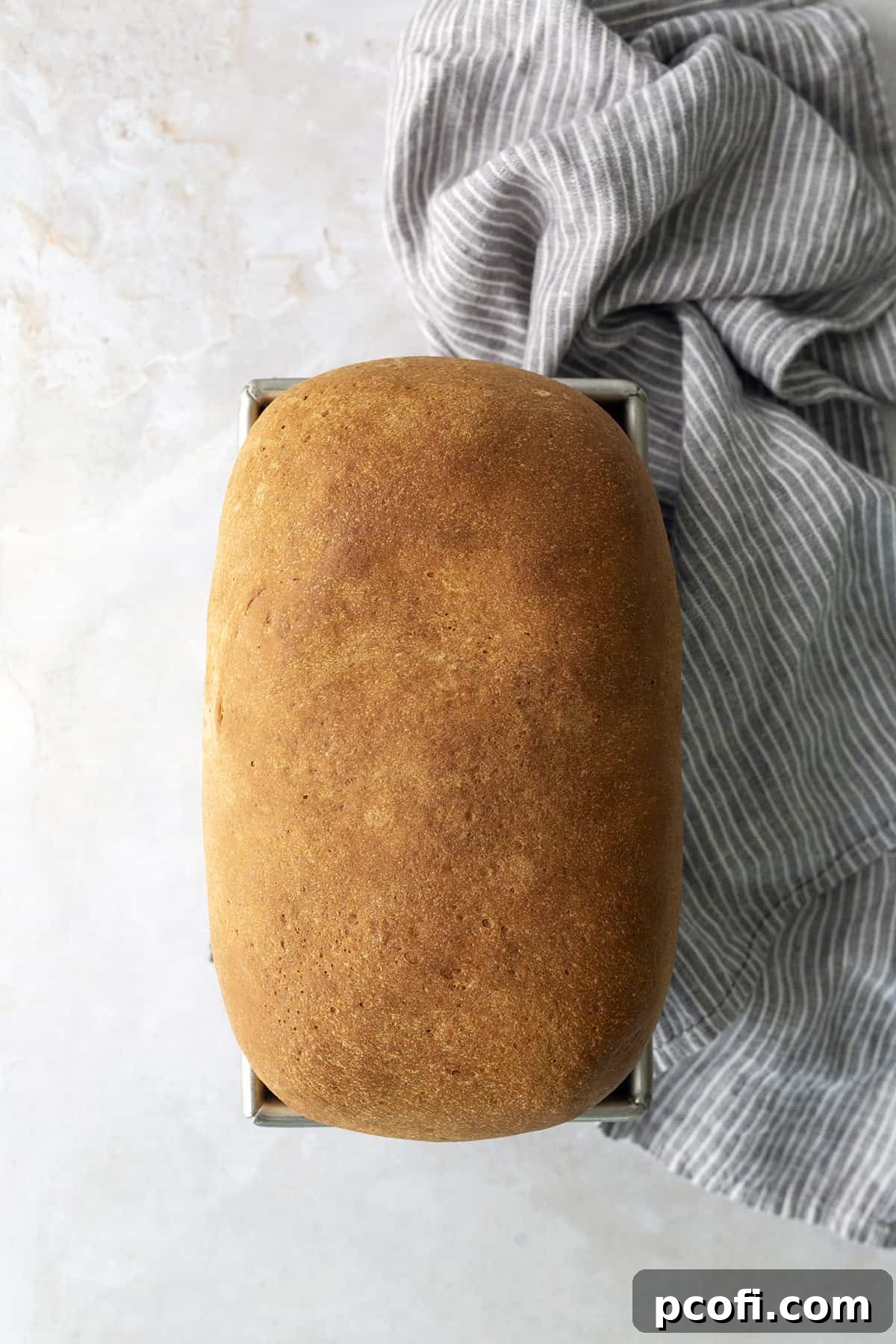
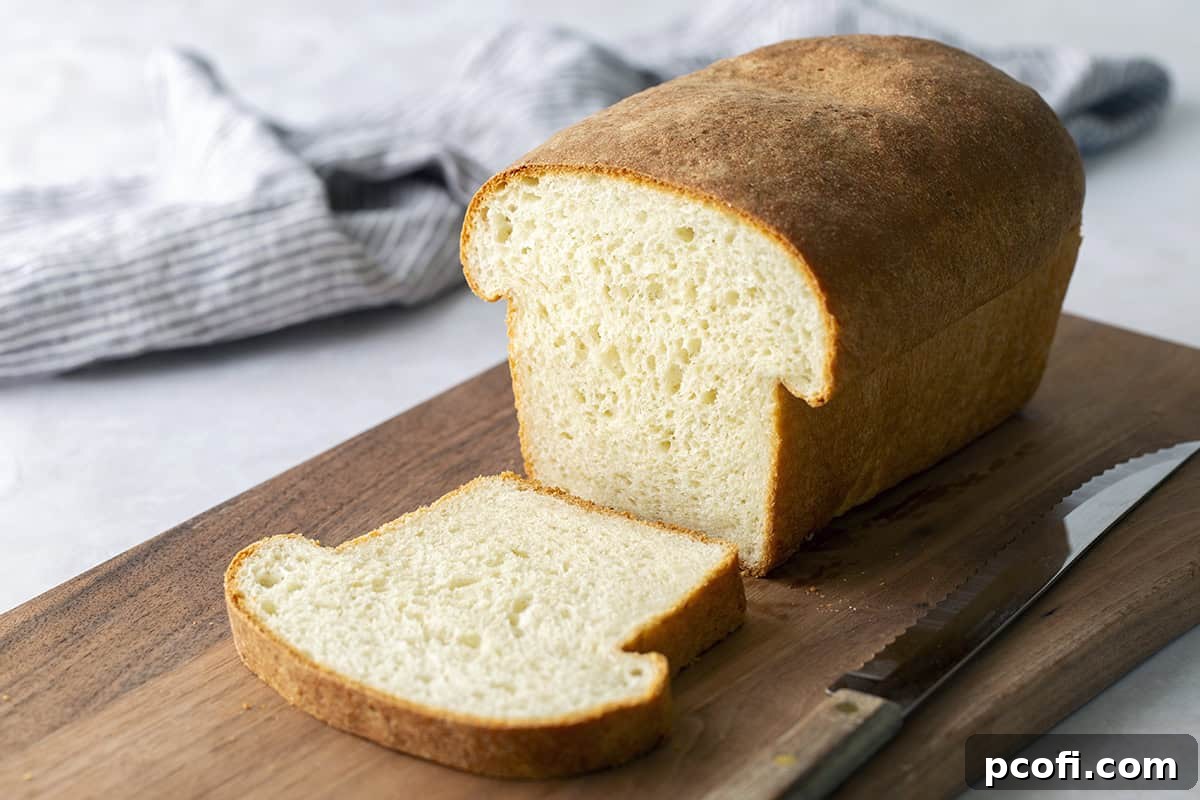
Once baked, allow the bread to cool in the loaf pan for about 10 minutes before carefully transferring it to a wire cooling rack. It’s crucial to let the bread cool completely to room temperature before slicing. Slicing warm bread can lead to a gummy texture, as the internal starches are still setting. Patience is key for the perfect slice!
Expert Tips & Tricks for Potato Bread Success
Achieving a consistently perfect loaf of homemade potato bread is easy with a few insider tips:
- Embrace the Overnight Rest for Enhanced Flavor: While this bread is delicious with a standard rise time, allowing the dough to undergo its first rise slowly in the refrigerator overnight (8-12 hours) can significantly deepen its flavor. This slow fermentation develops more complex notes, making your bread even more irresistible. Just remember that the second rise will take longer if starting with chilled dough.
- Strategic Potato Prep: Simplify your baking day by preparing the mashed potatoes the night before. This recipe only calls for 1/2 cup, so if you’re making mashed potatoes for dinner, simply reserve the exact amount needed before adding any seasonings like salt, butter, or milk. Store the unseasoned portion in an airtight container in the refrigerator. Ensure they are lukewarm or room temperature before adding them to the dough.
- Precision with a Kitchen Scale: For the most accurate and consistent results in bread baking, weighing your ingredients (especially flour) with a kitchen scale is highly recommended. Volume measurements can vary significantly, leading to inconsistencies in dough hydration and texture.
- Mind the Temperature: Yeast is a living organism, and temperature plays a vital role. Ensure your milk is lukewarm (around 105-115°F or 40-46°C) to activate the yeast without killing it. A warm, draft-free environment (around 75-80°F or 24-27°C) is ideal for dough rising.
- Don’t Over-Flour Your Surface: When shaping the dough, use flour sparingly on your work surface. Too much extra flour can make your dough stiff and affect the final texture of your bread. A light dusting is all you need.
- Check for Doneness: Beyond the golden crust, the best way to determine if your bread is fully baked is by checking its internal temperature with an instant-read thermometer. It should register between 190-200°F (88-93°C) for optimal doneness.
Troubleshooting Common Bread Baking Issues
Even seasoned bakers encounter challenges. Here are solutions to common potato bread baking problems:
- My bread didn’t rise (or rose very little): This is usually a yeast issue. Ensure your yeast is fresh and not expired. The liquid (milk) must be lukewarm—too hot will kill the yeast, too cold will inhibit it. Also, check that your rising environment is warm enough and free of drafts.
- The bread is too dense: Over-flouring the dough during kneading or shaping can make it dense. Ensure your flour is measured accurately (preferably by weight). Insufficient kneading can also lead to poor gluten development, resulting in a heavy loaf. Also, make sure the dough gets a full, proper rise.
- The crust is too hard: This can be caused by overbaking or insufficient moisture in the oven. If your oven tends to run hot, try reducing the temperature slightly or tenting the bread with foil earlier in the baking process. A small pan of water placed on the bottom rack during baking can also add steam, promoting a softer crust.
- The bread is too crumbly: This often indicates too much flour or not enough hydration. Again, precision in measuring (especially flour) is key. The dough should be soft and slightly tacky, not dry or stiff.
Storing Your Homemade Potato Bread
To keep your delicious Homemade Potato Bread fresh and flavorful for as long as possible, proper storage is essential:
- Room Temperature (Short-Term): Once completely cooled, store the whole loaf or sliced bread in an airtight bread box, a large resealable plastic bag, or wrapped tightly in plastic wrap or foil. It will stay wonderfully fresh and soft for 3-4 days at room temperature. Avoid refrigerating bread, as it tends to dry out and become stale more quickly.
- Freezing (Long-Term): For longer storage, freezing is your best bet. Allow the bread to cool completely. You can freeze it whole, in halves, or sliced. For best results, wrap the bread tightly in plastic wrap, then an additional layer of aluminum foil, or place it in a freezer-safe bag. This double-layer protection prevents freezer burn. Frozen potato bread can last for up to 2-3 months.
- Thawing: To thaw, simply remove the bread from the freezer and let it sit at room temperature for several hours (a whole loaf will take longer than slices). For a “fresh from the oven” taste, you can briefly warm thawed slices in a toaster or the whole loaf in a preheated oven (300°F/150°C for 10-15 minutes, or until warmed through).
Delicious Ways to Enjoy Potato Bread
The versatility of Homemade Potato Bread knows no bounds! Here are some delightful ways to savor every slice:
- Classic Sandwiches: Its tender texture and subtle flavor make it the perfect foundation for any sandwich, from a simple turkey and cheese to a robust club sandwich.
- Toasted Perfection: Slice and toast it lightly for a fantastic breakfast. Spread with butter, jam, honey, or a creamy avocado smash.
- Grilled Cheese Elevated: The slight richness of potato bread takes a grilled cheese sandwich to a whole new level of comfort food.
- Soup & Stew Companion: Its hearty yet soft nature makes it ideal for soaking up the last delicious drops of your favorite soups, stews, or chili.
- Savory French Toast: Use slightly stale potato bread for an incredibly rich and satisfying savory French toast.
- Croutons & Breadcrumbs: If you have any leftover pieces that are a bit stale, cube them and bake for homemade croutons, or process them into fresh breadcrumbs for cooking.
- Breakfast Sandwiches: Build an epic breakfast sandwich with eggs, bacon, or sausage on a toasted slice.
Explore More Homemade Bread Recipes
If you loved baking this potato bread, you’ll be thrilled to discover the world of other delicious homemade loaves. Expand your baking repertoire with these fantastic recipes:
- Milk Bread
- Outback Bread (Copycat Recipe)
- Pita Bread
- Irish Brown Bread
- Rye Bread
- Beer Bread
- Homemade Cinnamon Bread Recipe
As an Amazon Associate, I earn from qualifying purchases.
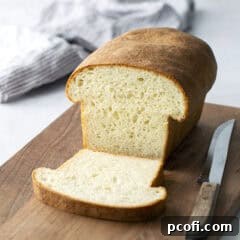
Homemade Potato Bread
Leave a Review
Ingredients
- 3 1/4 cups (390 g) all-purpose flour
- 3 tablespoons (34 g) granulated sugar
- 2 teaspoons (6 g) instant yeast
- 1 teaspoon (3 g) kosher salt
- 6 tablespoons (85 g) unsalted butter, softened
- 1/2 cup (110 g) unseasoned mashed potatoes, lukewarm or room temperature
- 3/4 cup (186 g) whole milk, lukewarm
- 1 large egg
Instructions
-
In the bowl of a stand mixer, whisk together the flour, sugar, yeast, and salt.
-
Add the butter, mashed potatoes, milk, and egg. Using the paddle attachment, mix on low speed for 30 seconds to combine the ingredients, then increase the speed to medium-high and mix for an additional 3-5 minutes, until the dough is pulling away from the sides of the mixer. Use a spatula to scrape down the sides of the bowl if the dough is sticking.
-
Switch to the dough hook and knead on medium speed for 6-8 minutes. The dough will be tacky and soft. Form into a ball and place in a large, lightly greased bowl (you can use the stand mixer bowl if you clean it).
-
Cover with plastic wrap or a damp kitchen towel. Let rise for 2 hours (1 hour if using fast-acting instant yeast) or overnight in the refrigerator. The dough should double in size.
-
Punch down the dough. On a lightly floured surface, form the dough into a log and place in a lightly greased 8×4-inch loaf pan. Cover with lightly greased plastic wrap and let rise until the dough is about 1-inch above the top of the pan, 1-3 hours (it will take longer if the dough is chilled).
-
Preheat the oven to 350 degrees F and place an oven rack on the center shelf. Remove and discard the plastic wrap. Bake for 40-45 minutes, until the bread is a deep golden brown on top. If the top starts browning too quickly, you can tent it with foil after 20-25 minutes.
-
Let the bread cool for 10 minutes in the pan, then transfer to a wire cooling rack. Cool to room temperature before serving.