Transform Your Kitchen: 7 Essential Considerations Before Painting Your Cabinets
Hello, home renovators and kitchen enthusiasts! Today, we’re stepping away from recipes for a moment to dive into a topic that can dramatically refresh your home’s most important space: painting your kitchen cabinets. Join me as I unveil the incredible transformation of my kitchen in this first part of my mini-renovation series. I’ll share my personal journey and highlight seven crucial considerations that will help you confidently approach your own cabinet painting project.
Five years ago, my family and I found our forever home. What truly sealed the deal was the kitchen. It was everything I dreamed of: bright, airy, and boasting a charming sunroom right off to the side – perfect for a dedicated kids’ playroom. This setup meant I could be busy in the kitchen, cooking or baking, while my children played safely nearby. Beyond its practical layout, the sheer spaciousness of the room, coupled with an abundance of storage cupboards, made it an absolute winner. We’ve cherished countless moments in this heart of our home ever since.
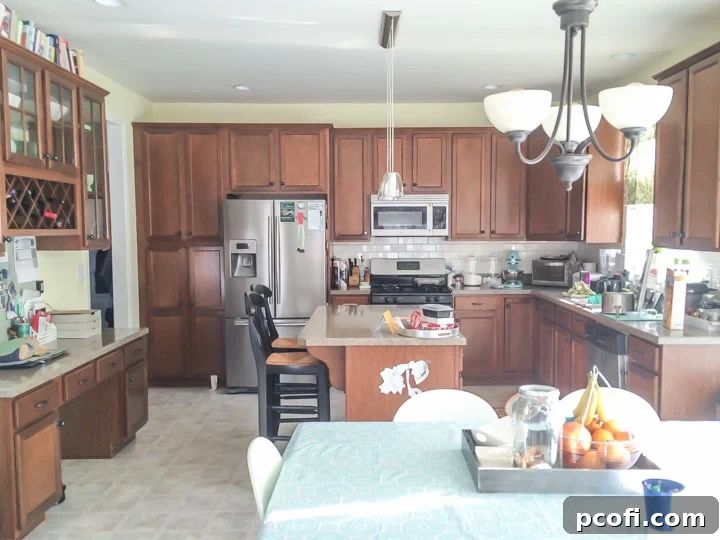
However, despite its many virtues, one aspect of the kitchen never quite aligned with my vision: the cabinet color. They featured a beautiful medium-brown stained wood finish, but my heart had always yearned for crisp, clean white cabinets. After half a decade of relentless use by a family that absolutely lives in the kitchen – from daily meals to elaborate baking projects – those cabinets were showing significant signs of wear and tear. It was clear: a change was overdue, and painting them became my next big home improvement mission.
The internet abounds with countless DIY articles and tutorials on how to paint kitchen cabinets, and I’ve probably devoured most of them. My research confirmed that it’s a detailed, multi-step undertaking, typically involving removing all door and drawer fronts, meticulous cleaning, thorough sanding, applying primer, and then multiple coats of paint. While I’ve successfully tackled numerous home DIY projects over the years, I candidly assessed my current life stage and career demands. With 48 cabinets in this kitchen – some with glass fronts requiring inside and out painting, plus a uniquely challenging wine rack – I knew this particular project was simply beyond my capacity. It quickly became apparent that this was a job best entrusted to experienced professionals.
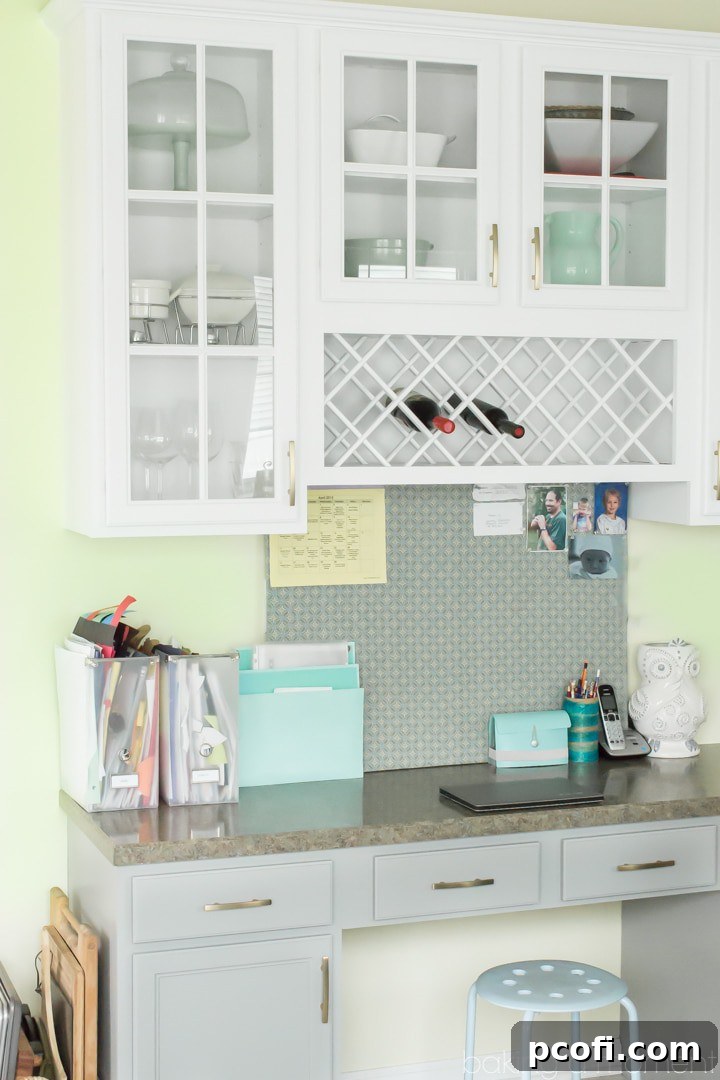
My experience hiring professionals for this significant undertaking provided invaluable insights, which I hope will serve as a helpful guide for your own kitchen transformation. Before embarking on this project, I grappled with many unknowns. To simplify your journey, here are seven key questions I asked myself, along with the answers and lessons learned, that I believe are essential for anyone considering painting their kitchen cabinets.
1. How Much Does it Cost to Paint Kitchen Cabinets?
Cost is often the first and most critical factor for any home renovation. My project involved painting not only the extensive cabinet system but also the walls and trim throughout the kitchen. To get an accurate sense of the investment, I contacted two different contractors for quotes, and the disparity between them was significant. The first quote came in at an appealing $1800, but the contractor had a two-month waiting list. Opting not to rush, I secured a second quote, which was considerably higher, nearing $6000. To be fair, this second quote also included additional services like painting the ceiling and installing new cabinet pulls I had already selected. It’s always wise to obtain at least two, if not three or four, quotes from different professionals; remember, getting an estimate typically costs nothing but provides immense clarity and negotiation power. Ultimately, the higher quote exceeded my budget, so I patiently waited for the first contractor to become available. I was incredibly pleased with the quality of his work, proving that patience can indeed pay off. If you’re in the Delaware Valley and need a reliable painter, feel free to email me at bakingamoment(at)gmail(dot)com, and I’ll gladly share his contact information.
While $1,800 is a notable expense, I recognized the immense value. Tackling this project myself would have consumed weeks, if not months, a timeframe I couldn’t afford as someone who primarily works from my kitchen. Furthermore, I weighed this cost against other options: installing brand new custom cabinetry would easily run into the tens of thousands of dollars, and even cabinet refacing (applying new veneers) typically starts around $8,000. In comparison, professional cabinet painting offers an exceptional return on investment, delivering a fresh, updated look at a fraction of the cost of replacement or refacing. It was a worthwhile saving of pennies and time.
2. How Long Does a Professional Cabinet Painting Job Take?
Understanding the timeline is crucial for managing expectations and planning your household routine. For my project, the painter and his assistant began work on a Thursday morning and completed everything by Tuesday afternoon, making it a compact, five-day process (excluding the weekend). They typically worked from about 8:30 AM until 3:00 PM on weekdays, including a brief lunch break. The assistant was present for three of those days, helping to expedite the process.
It’s essential to consider the people you invite into your home for such a project. These professionals will be on your property for several days, potentially unsupervised if you work outside the home. If you or your children are home full-time, they will be present with you. I cannot stress enough the importance of hiring someone you trust implicitly. I was fortunate to receive a recommendation from a friend, which provided a great sense of security. Always prioritize reputable contractors with excellent references, proper insurance, and a proven track record. Your peace of mind and home security are paramount during any renovation.
3. Will Painting Kitchen Cabinets Totally Interfere with Your Life?
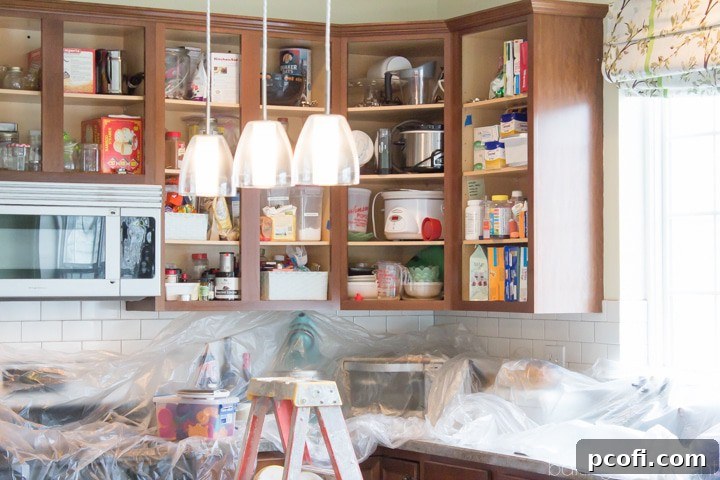
The thought of renovating a central space like the kitchen can be daunting, but I found the interference to be surprisingly manageable. During the painting process, our kitchen was without cabinet doors, which were removed for professional off-site spraying or drying. On the first day, drop cloths covered nearly every surface to protect from paint splatter and dust. A significant relief was not having to empty all my cabinets; only the glass-fronted ones and the corner lazy Susan required clearing out. While full-scale cooking was impractical, I was still able to access the kitchen to prep a few quick, simple recipes. For the most part, however, I tried to stay out of the painters’ way to allow them to work efficiently.
Once the final coats were applied and the doors reinstalled, they were left slightly ajar to allow for proper drying and full curing in place, which took about two to three days. The kitchen might have looked a bit “chaotic” for about a week with doors propped open and tools around, but it was a temporary inconvenience for a lasting, beautiful result. With a bit of planning, like preparing simpler meals or ordering takeout, you can navigate this period with minimal stress, knowing the disruption is short-lived.
4. How Much Work Will You Do Yourself, Even with Professionals?
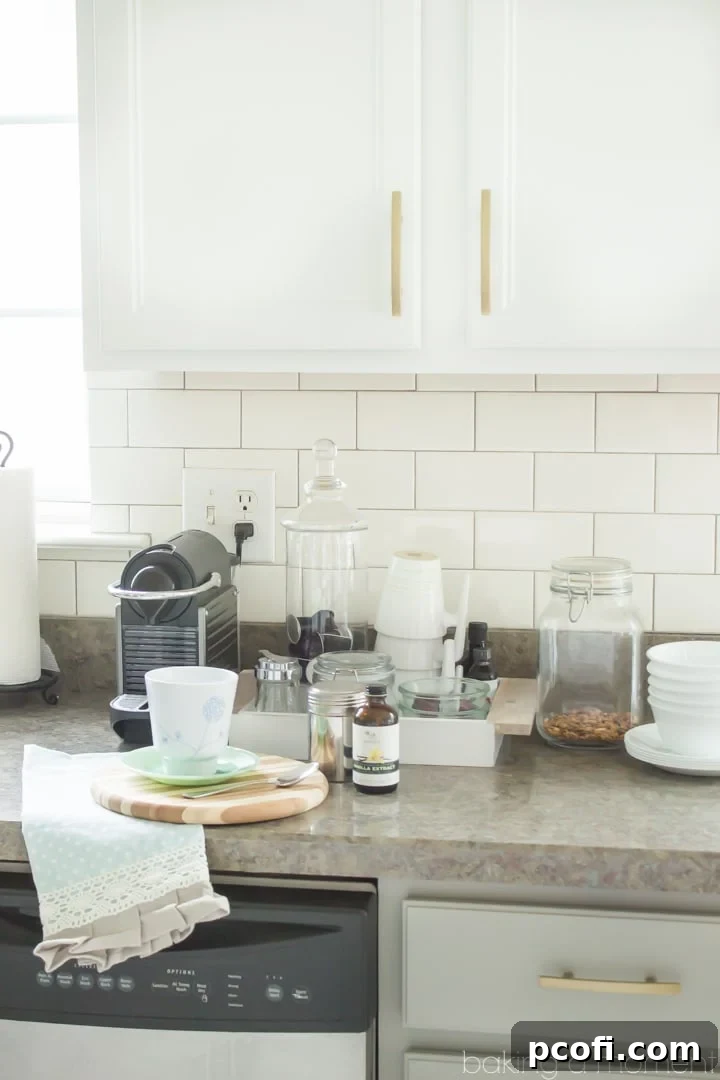
Even when you hire contractors for the bulk of the work, a renovation project rarely means you can simply sit back and do nothing. After the painters packed up and left, my kitchen, though beautifully painted, was in a state of disarray. There was fine dust everywhere, and everything needed to be put back in its place. This meant a thorough cleaning of all surfaces, inside and out of the cabinets, before reorganizing and refilling them.
Furthermore, my original cabinets had knobs, and I decided to upgrade to sleek new pulls. This involved a fair amount of personal effort: carefully measuring and drilling new holes for the pulls, then securely screwing on all the new hardware. In a minor hiccup, the pantry cabinet doors had been reinstalled upside-down (an honest mistake!), requiring me to fix them and touch up some paint along the bottom edges. Finally, a trip to the hardware store was necessary to pick up those essential stick-on bumper pads, which I then diligently applied to every single door and drawer to prevent banging and protect the fresh paint. All these finishing touches took me about two dedicated afternoons to complete before the kitchen truly felt back to normal and perfectly polished. Be prepared to dedicate some time to these final, yet crucial, steps.
5. What Colors Should You Pick for Your Kitchen Cabinets?
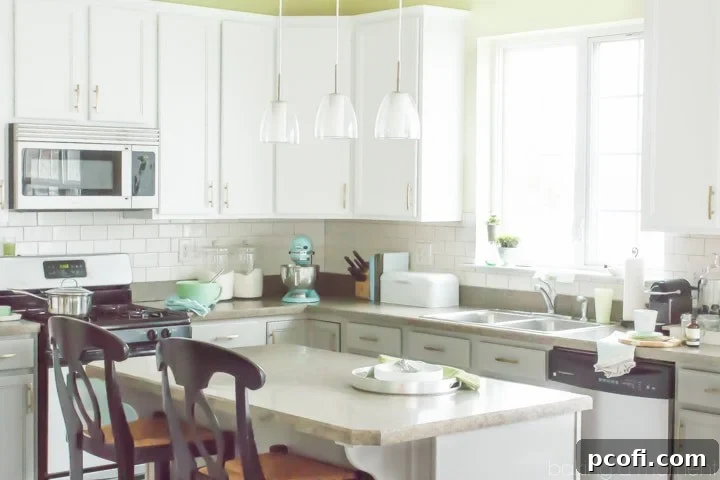
Choosing the right colors is perhaps the most exciting and personal aspect of cabinet painting. As I mentioned, I had always envisioned a white kitchen. However, with two active kids and a husband who can be hard on household items, I had serious reservations about pure white for the lower cabinets. I pictured them quickly accumulating scuff marks and fingerprints, much like the unfortunate incident where my 8-year-old decided to use the fridge as a hockey net!
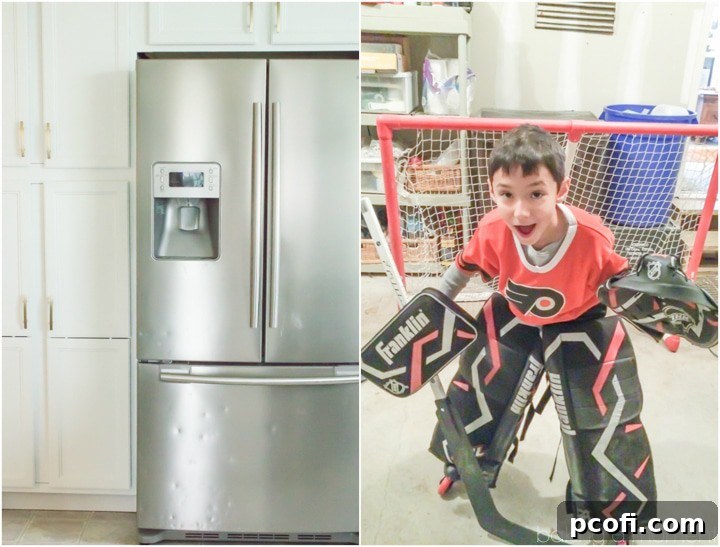
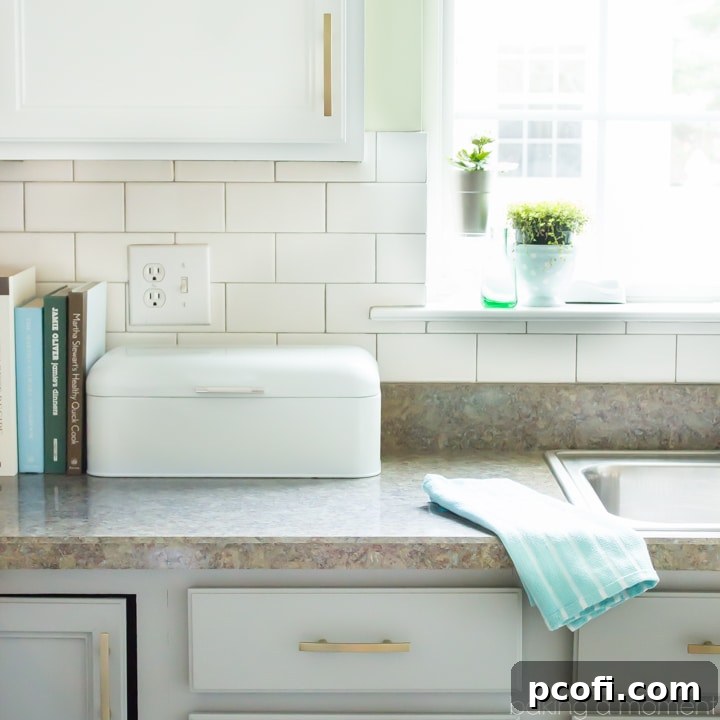
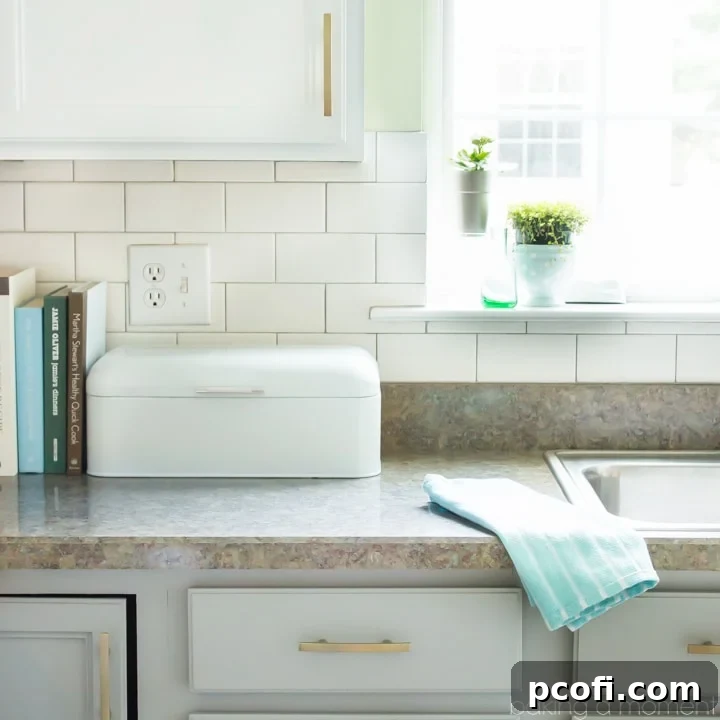
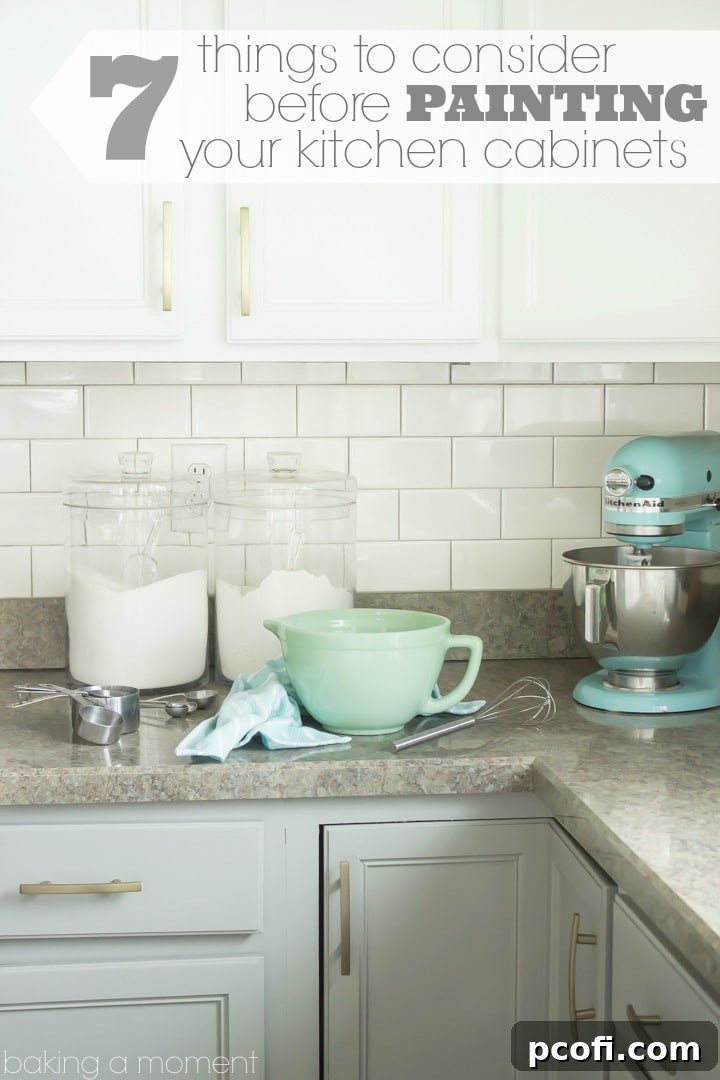
Yes, those marks were from hockey pucks, if you were wondering! Given this reality, I believed a medium gray would be a more forgiving and practical choice for the lower cabinets, effectively hiding everyday smudges and wear. I opted for Benjamin Moore’s Platinum, a shade I’ve successfully used elsewhere in my home. To me, it’s the perfect light gray – beautifully neutral, without unwelcome green or purple undertones that some grays can possess. For the upper cabinets, trim, and ceiling, I went with an off-the-shelf Pure White. The walls received a vibrant coat of Benjamin Moore’s Lime Rickey. While the chip might look “crazy” or almost neon, on the walls, it transforms into a wonderfully fresh, inviting spring green that I absolutely adore. When selecting colors, consider not only your aesthetic preferences but also the practicality for your lifestyle, existing elements like countertops and flooring, and how natural light impacts the shades throughout the day. Always test swatches!
6. What Might You Wish You’d Done Differently?
Even with careful planning, there’s often one small detail you might reflect on and wish you had approached differently. For me, that was the choice of white paint for the upper cabinets. Instead of simply grabbing an off-the-shelf pure white, I now wish I had taken the time to select a white from a specific paint chip. While I don’t dislike the chosen white, at certain times of day, it tends to read with a subtle blue-ish undertone. This slight hue difference stands out to me because it’s not an exact match for my existing white subway tile backsplash, creating a subtle contrast I notice. If you’re undertaking a similar project, I strongly recommend acquiring several white paint chips and testing them against your existing kitchen elements. Opting for a creamier-toned white, for instance, might offer a warmer, more harmonious look that complements various finishes.
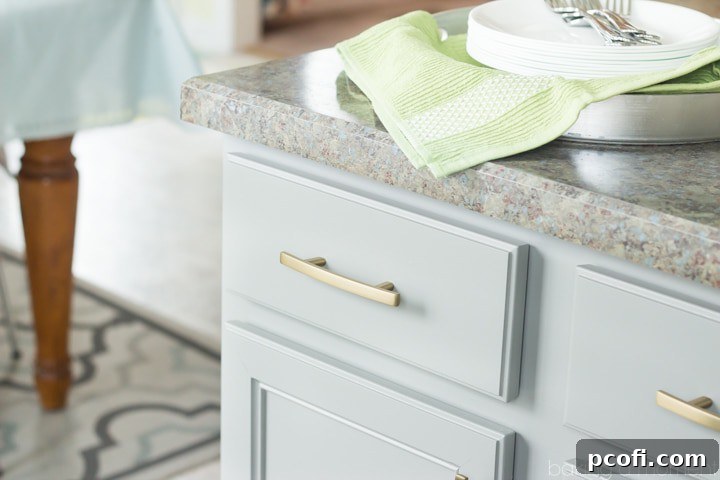
However, my choice for the lower cabinets – the Benjamin Moore Platinum gray – proved to be an absolute triumph! What started as a “second choice” for practicality quickly became my favorite element in the entire kitchen. I now almost wish I had painted all the cabinets in this sophisticated shade. An added bonus was how easily the gray covered the original dark wood, requiring fewer coats compared to the white. By the fourth coat on the white uppers, I could sense a hint of annoyance from the painter, reinforcing the notion that darker, more saturated colors often offer better coverage and require less labor.
7. What About Those Cabinet Pulls and Hardware?
Hardware is the jewelry of your kitchen, capable of transforming the entire aesthetic. My decision to incorporate brushed brass cabinet pulls was a deliberate one. If you haven’t noticed, warm metal finishes like gold and brass are experiencing a major resurgence in interior design, and I was eager to embrace this sophisticated trend. After much searching, I selected these Amerock Essentialz pulls. My initial preference was for these gorgeous pulls from Schoolhouse Electric, but at $13 per pull, the total cost for my numerous cabinets would have exceeded $500 just for hardware – a figure that would have significantly strained my budget. This experience underscored the importance of diligent research to find a balance between desired aesthetics and affordability. I was incredibly pleased to discover this alternative site, which offered stylish options at a much more reasonable price point.
When choosing hardware, consider the overall style of your kitchen, the finish of your appliances, and the practical ergonomics of each piece. Whether you prefer knobs, pulls, or a combination, ensure they feel comfortable in your hand and are durable enough for daily use. With the addition of these warm gold touches, my kitchen’s character truly began to shine, and it opens up a new styling question: What should I do about the light fixture over the island? I’m debating three possibilities and would love to hear your thoughts in the comments below!
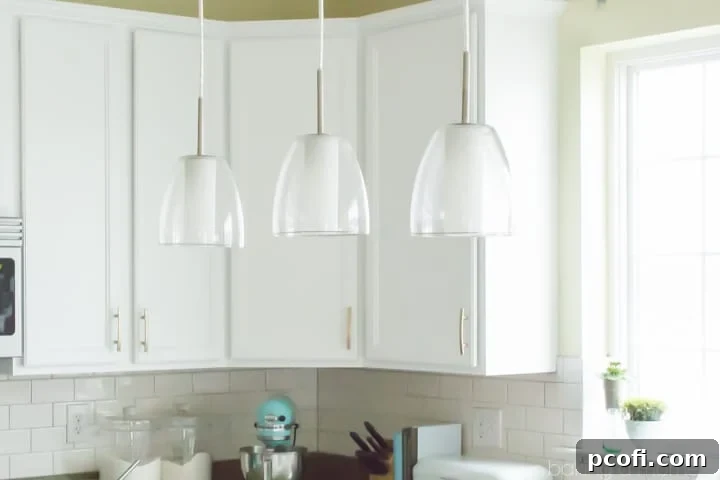
*For those unfamiliar with Rub ‘n Buff, a fantastic explanation of this transformative product can be found here, offering simple tips for its application.
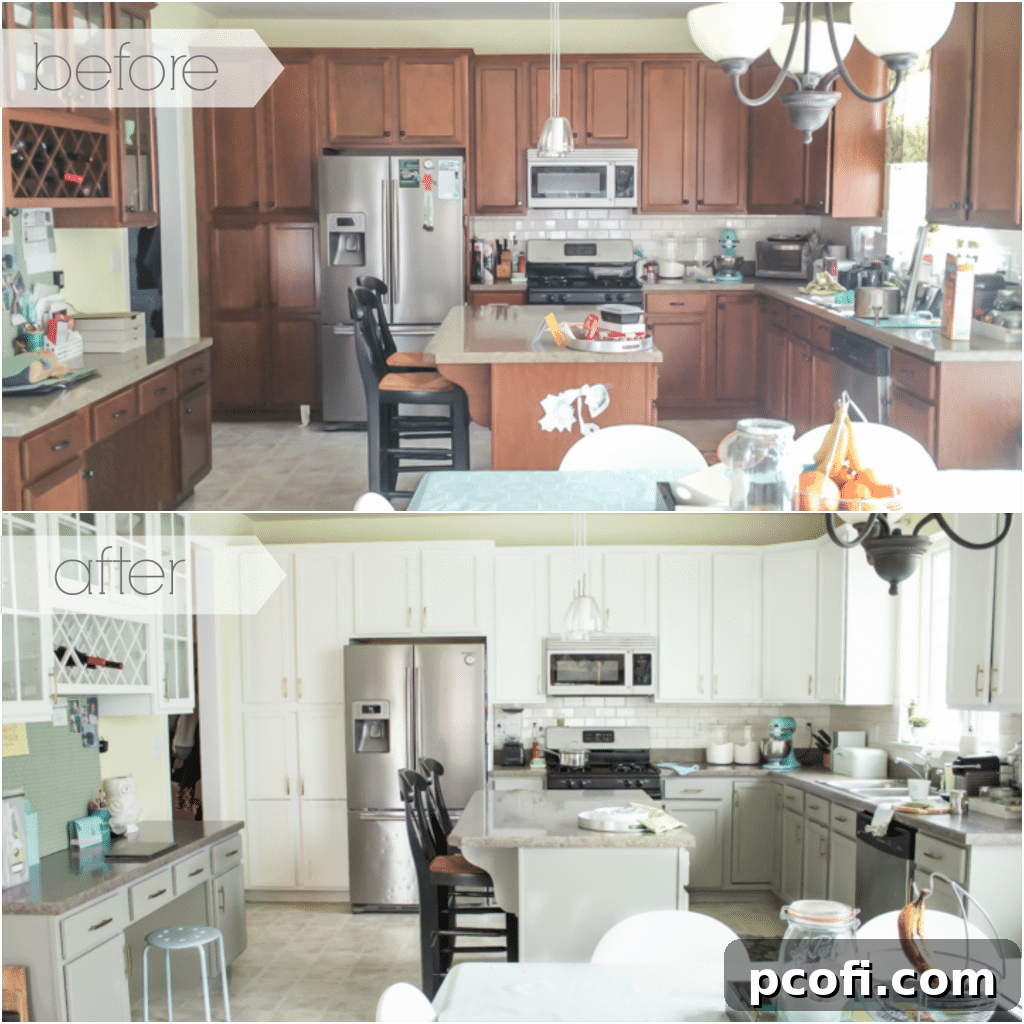
I hope this deep dive into my kitchen mini-renovation was insightful and enjoyable, even if it diverges from my usual recipe posts. This is just part one of a multi-part series, so if you found it helpful or inspiring, please let me know! Your engagement helps me create more content like this. Feel free to like, share, tweet, and pin this article. If you have any further questions about cabinet painting or home renovations, please leave a comment below, and I’ll do my best to provide answers and share more of my experiences!
