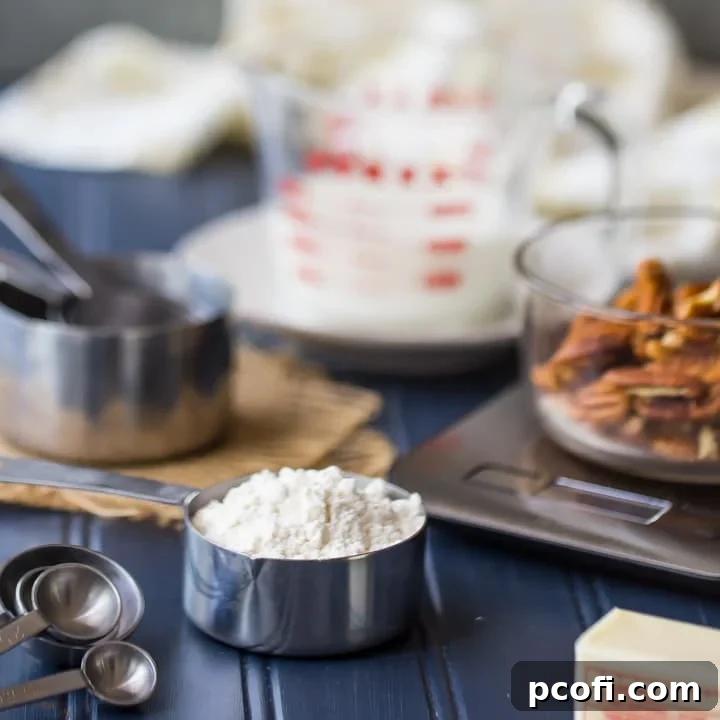
Achieving perfection in baking begins with one fundamental step: mastering how to measure ingredients for baking accurately. Unlike cooking, where a pinch of this or a dash of that often yields delicious results, baking is a precise science. Every gram, teaspoon, or cup contributes to a delicate chemical balance that determines the final texture, flavor, and appearance of your baked goods. From lofty cakes and fluffy cupcakes to chewy cookies, tender bars, and flaky pies, proper measurement is the secret ingredient to consistent success. This comprehensive guide will equip you with the essential techniques and insider tips for accurately measuring all types of ingredients – dry, liquid, sticky, and solid – ensuring every creation emerges from your oven as a masterpiece.
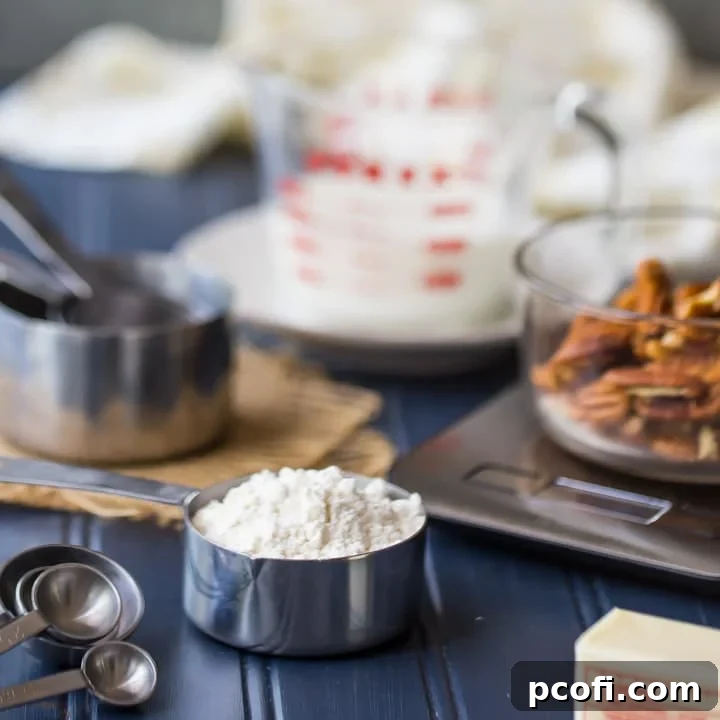
The Indispensable Role of Precision in Baking
Baking is often described as a form of edible chemistry, a delicate dance where ingredients interact in specific ways to create magic. The seemingly simple act of measuring ingredients is, in fact, the bedrock of successful baking. Any deviation from the precise quantities outlined in a recipe can lead to unpredictable and often disappointing outcomes. Imagine a cake that’s too dry, cookies that spread too much, or bread that fails to rise – these are common pitfalls that stem directly from inaccurate measurements.
Each ingredient plays a crucial role in the overall structure and flavor profile of your baked goods. Flour provides structure, sugar adds sweetness, moisture, and promotes browning, leavening agents like baking powder and soda create lift, and fats contribute tenderness and richness. When these ratios are even slightly off, the entire chemical reaction is disrupted. Too much flour can result in a dense, tough product, while too little can make it crumbly and unable to hold its shape. Excess sugar can lead to a sticky, overly sweet result, and insufficient sugar might leave your bake bland and pale. The exact balance of liquids and solids dictates the dough’s consistency, affecting everything from how easily it can be worked to how it reacts to heat in the oven.
Precision isn’t just about avoiding disaster; it’s about achieving consistent excellence. When you measure accurately, you’re not just following instructions; you’re setting the stage for repeatable, high-quality results every single time. This guide will reveal the universal truths of ingredient measurement, applicable to any recipe you encounter, ensuring your journey from raw ingredients to delectable desserts is always a sweet success.
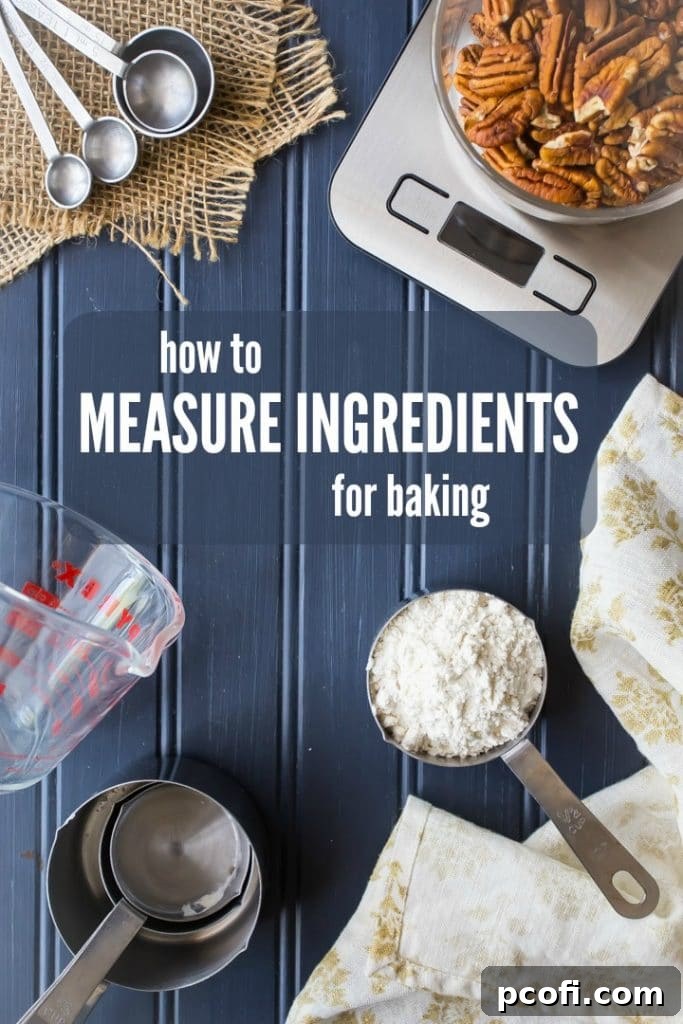
Table of Contents
- Essential Measuring Tools for Baking
- Mastering Dry Ingredient Measurement
- Expert Tips for Measuring Dry Ingredients
- Accurately Measuring Liquid and Wet Ingredients
- Pro Tips for Measuring Liquid Ingredients
- Handling Sticky Ingredients with Ease
- The Right Way to Measure Butter
- Clarifying Butter Measurement Terminology
- How to Measure Shortening and Cream Cheese
- Advanced Tips for Precise Baking Measurements
- Metric vs. Imperial: Understanding Baking Measurements
- The Power of Measuring by Weight
- Unlocking Recipe Accuracy with Measurement Conversions
- Common Measurement Conversions for Bakers
Essential Measuring Tools for Baking
To embark on your journey of accurate baking, having the right tools is paramount. While recipes often call for “cups” and “teaspoons,” it’s crucial to understand that not all measuring cups are created equal. You will need distinct types for dry and liquid ingredients to ensure precision.
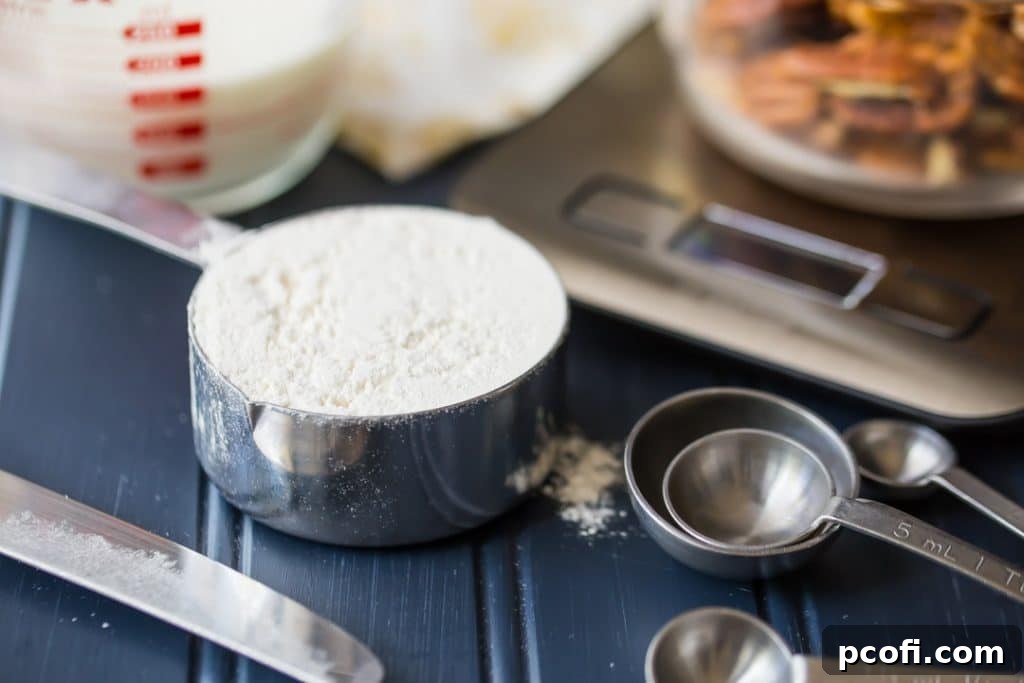
- Dry Measuring Cups: These are designed for dry ingredients and typically come in a nested set, including common sizes like 1 cup, 1/2 cup, 1/3 cup, and 1/4 cup. They are meant to be filled to the brim and then leveled off. Dry measuring cups are usually made of metal or plastic and are characterized by their flat tops, which facilitate easy leveling.
- Liquid Measuring Cups: Distinct from dry measuring cups, liquid measuring cups resemble a pitcher. They feature a handle, a spout for easy pouring, and clear markings along the side in ounces, milliliters, and cups. These are typically made of glass or clear plastic, allowing you to view the liquid level accurately. The empty space above the highest marking helps prevent spills when carrying.
- Measuring Spoons: Essential for smaller quantities of both dry and liquid ingredients, a set of measuring spoons usually includes 1 tablespoon, 1 teaspoon, 1/2 teaspoon, and 1/4 teaspoon. Like dry measuring cups, they should be filled and leveled for dry ingredients, or filled to the brim for liquids.
- Kitchen Scale (Digital Scale): While not always listed as a primary tool in older or US-based volume recipes, a digital kitchen scale is the gold standard for accuracy, especially for ingredients like flour, sugar, and even liquids when specified by weight. If you’re serious about consistent baking results, particularly with finicky recipes like macarons, a reliable kitchen scale is an invaluable investment. Modern scales often feature tare functions to zero out container weight and toggle between imperial (ounces) and metric (grams) units. You can find excellent options like this digital scale on Amazon.
Investing in good quality measuring tools will not only make your baking experience more enjoyable but will also significantly improve the consistency and success of your culinary creations.
Mastering Dry Ingredient Measurement
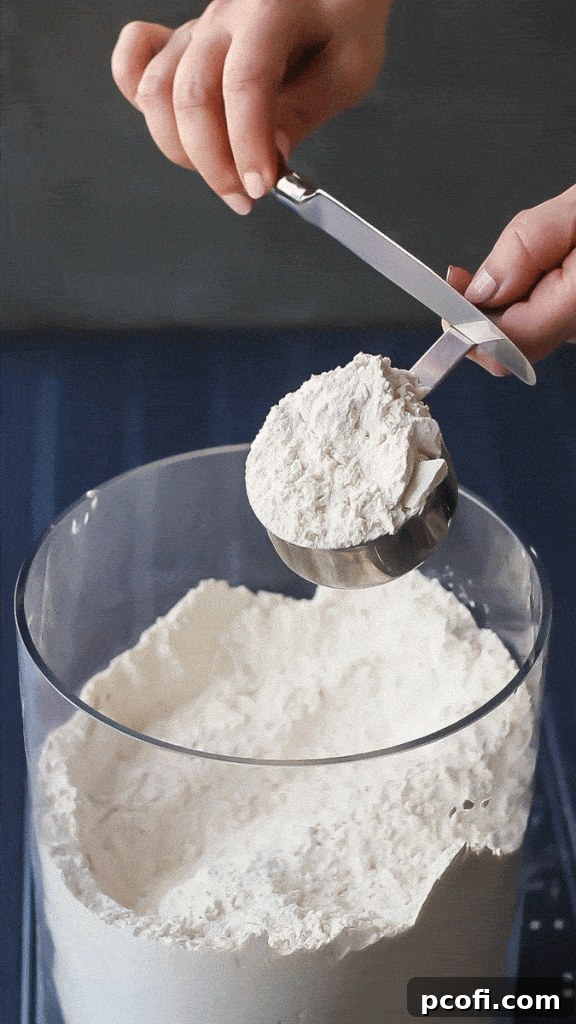
Measuring dry ingredients accurately is fundamental to baking success. The primary method for most dry powders like flour, granulated sugar, baking powder, baking soda, and salt is the “spoon and level” technique. This method ensures you get the right amount without compacting the ingredient, which can drastically alter its weight and volume.
- Prepare Your Workspace: Position your measuring cup or spoon over a container, your kitchen sink, or a sheet of parchment paper. This simple step helps catch any spills and keeps your workspace tidy.
- Spoon in the Ingredient: Using a separate spoon (not the measuring cup itself), gently scoop the dry ingredient into your measuring cup. Continue spooning until the ingredient overflows slightly above the rim of the cup. The key here is “lightly spooning” – avoid packing the ingredient down or shaking the cup, as this can compress it and lead to an over-measurement.
- Level Off: Take the straight edge of a knife or the side of a spatula and carefully slide it across the top rim of the measuring cup. This action removes any excess, leaving you with a perfectly level and accurate measurement. For measuring spoons, you can also use your finger to gently level off the top.
Expert Tips for Measuring Dry Ingredients
- Fluffing Flour: Flour, especially all-purpose flour, tends to settle and compact in its container over time. Before measuring, use a fork or whisk to “fluff up” the flour. This aerates it, making it lighter and ensuring a more accurate volume measurement. Directly scooping with the measuring cup can pack in up to 25% more flour than intended, leading to dry and dense baked goods.
- Brown Sugar’s Unique Texture: Brown sugar’s moisture content makes it prone to clumping. Always check the recipe for specific instructions like “loosely packed,” “lightly packed,” or “firmly packed.” Unless otherwise specified, most recipes imply “firmly packed” brown sugar, where you press the sugar into the cup until it holds its shape when inverted. The difference in weight between loosely and firmly packed brown sugar can be significant.
- Measuring Solid-Dry Ingredients: For semi-solid or dense dry ingredients like peanut butter, Greek yogurt, or coconut oil (when solid), use a dry measuring cup. Spoon the ingredient in and press it down slightly to eliminate any air pockets. Level it off with a straight edge. The goal is to ensure a full, solid measure with no hidden voids.
- Sifting Powdered Sugar and Cocoa: For recipes requiring powdered sugar (confectioners’ sugar) or cocoa powder, sifting before measuring can be crucial. These ingredients are prone to lumps, which can lead to inconsistent textures and uneven distribution in your batter. Sift first, then measure using the spoon and level method.
- Small Amounts of Leavening Agents and Spices: For baking powder, baking soda, and spices, accuracy is paramount. Even a tiny excess or deficit can dramatically affect the flavor and rise. Always use the appropriate measuring spoon and level off carefully, ensuring no dome of powder.
Accurately Measuring Liquid and Wet Ingredients
Measuring liquid ingredients like water, milk, oil, and extracts requires a slightly different technique than dry ingredients. The key is to account for the meniscus – the curve formed at the top surface of a liquid when it’s in a container.
- Ensure a Level Surface: Always place your liquid measuring cup on a flat, level surface, such as your kitchen counter. Holding it in the air, even if you try to keep it steady, can lead to inaccurate readings due to subtle tilting.
- Achieve Eye Level: Bend down or crouch so that your eyes are perfectly level with the measurement markings on the side of the cup. This perspective is critical for accurately reading the bottom of the meniscus. If you view from above, you’ll likely under-measure; if from below, you’ll likely over-measure.
- Pour to the Mark: Slowly pour the liquid into the cup until the bottom of the meniscus aligns precisely with the desired measurement line.
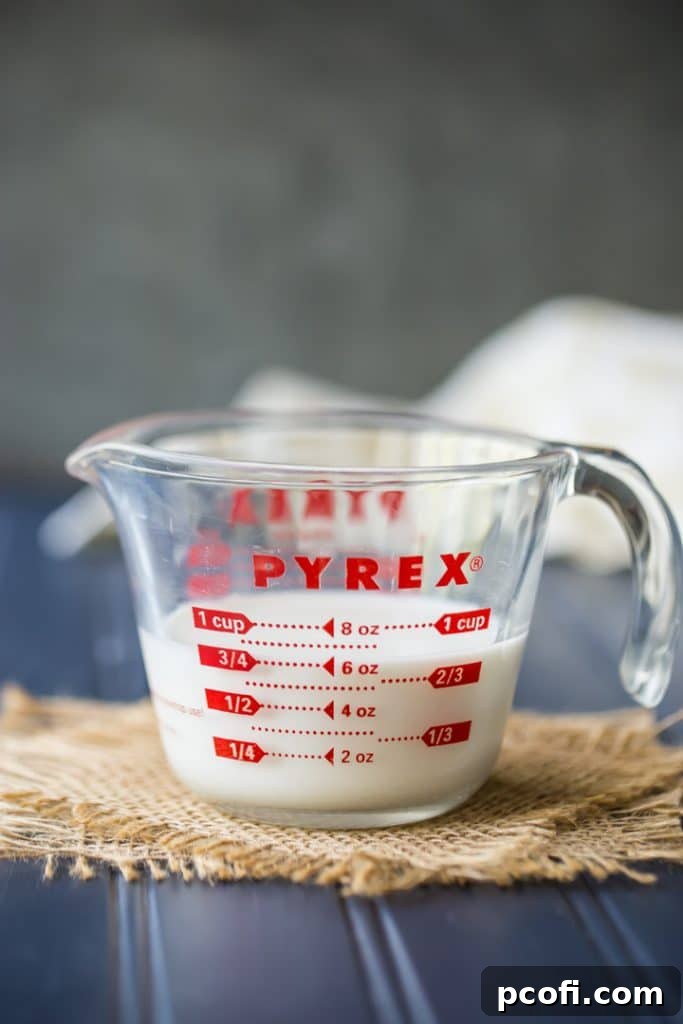
Pro Tips for Measuring Liquid Ingredients
- The Meniscus Rule: Always read the measurement from the bottom of the meniscus. This subtle curve is due to the surface tension of the liquid, and reading the lowest point ensures the most accurate volume.
- For Small Quantities: For liquid ingredients less than 1/4 cup, such as vanilla extract, lemon juice, or food coloring, use measuring spoons.
- Measure Over a Sink or Separate Container: When measuring liquids with measuring spoons, especially potent extracts or oils, hold the spoon over a sink or a small overflow bowl. This prevents accidental spills into your mixing bowl, which could potentially ruin your entire batch. Once you’ve accurately filled the spoon to the brim, then transfer it to your main ingredients.
- Warm Viscous Liquids (Optional): For very thick liquids like molasses or honey, slightly warming the container (if safe to do so) can make them thinner and easier to pour and measure accurately. This also applies to sticky ingredients.
Handling Sticky Ingredients with Ease
Sticky ingredients like honey, molasses, peanut butter, maple syrup, and corn syrup can be notoriously difficult to measure due to their tendency to cling to measuring cups and spoons. This often leads to under-measurement and a sticky mess. Thankfully, there’s a simple trick to make this process much cleaner and more accurate.
- The Non-Stick Spray Method: Before adding your sticky ingredient, lightly coat the inside of your measuring cup or spoon with a non-stick cooking spray or a neutral oil. You can also use butter for savory sticky ingredients like peanut butter.
- Measure Accurately: Proceed to measure the sticky ingredient as usual. For viscous liquids like honey or syrup, pour to the eye-level mark in a liquid measuring cup. For semi-solids like peanut butter, spoon into a dry measuring cup and level off.
- Effortless Release: When it’s time to add the ingredient to your mixing bowl, it will slide out of the greased measuring tool with remarkable ease, leaving little to no residue behind. This ensures you get the full, accurate amount into your recipe and simplifies cleanup.
The Right Way to Measure Butter
Butter is a foundational ingredient in many baked goods, contributing flavor, richness, and texture. In the United States, butter is most commonly sold in convenient sticks, each typically weighing 4 ounces (113 grams) and equaling 1/2 cup. These sticks usually have measurements printed directly on their wrappers, making it incredibly easy to measure specific amounts.
- Utilize Wrapper Markings: Keep the stick of butter in its wrapper. Most wrappers are clearly marked with tablespoon increments (there are 8 tablespoons in one stick of butter, so markings typically appear at 1 tablespoon, 2 tablespoons, 4 tablespoons/1/4 cup, and 8 tablespoons/1/2 cup). Some even show ounce or gram conversions.
- Cut Precisely: Using a sharp knife, carefully cut through the butter and its wrapper at the desired measurement mark.
- Unwrap and Use: Unwrap only the portion of butter you need for your recipe and add it to your bowl. Any remaining butter, still in its wrapper, can be easily returned to the refrigerator for later use, minimizing waste and mess.
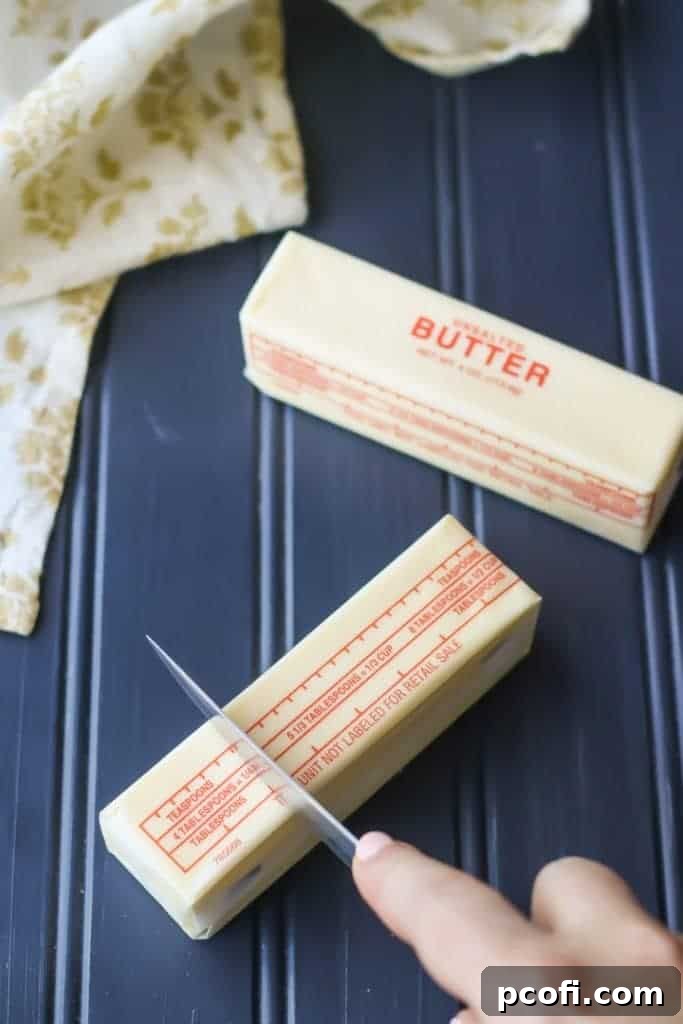
Clarifying Butter Measurement Terminology
The wording in recipes concerning butter can sometimes be a source of confusion, particularly when melting is involved. Understanding the subtle differences is key to accurate measurement:
- “1/2 cup butter, melted”: This phrasing instructs you to measure 1/2 cup of solid butter first (e.g., one stick), and *then* melt it. The volume is measured in its solid state.
- “1/2 cup melted butter”: This phrase means you should melt the butter first and *then* measure out 1/2 cup of the liquid, melted butter using a liquid measuring cup.
Why does this distinction matter? When solid butter melts, its volume can change slightly due to changes in density and air pockets collapsing. While a stick of butter is indeed 1/2 cup when solid, 1/2 cup of *melted* butter by volume might require slightly more or less than one full stick, depending on the butter’s fat content and how precisely it was manufactured. Always pay close attention to the recipe’s wording to ensure you’re measuring butter correctly for optimal results.
How to Measure Shortening and Cream Cheese
Similar to butter, shortening and cream cheese are fats that contribute significantly to the texture and richness of baked goods. Their measurement method depends on their form:
For Block Form (like stick butter or brick cream cheese):
If you’re using solid blocks of shortening or cream cheese (such as an 8-ounce brick of cream cheese), the process mirrors measuring stick butter. The wrappers typically have measurement markings. Use a sharp knife to cut off the required amount directly from the block, referencing the printed lines on the packaging.
For Container Form (softened shortening, tub cream cheese, or sour cream):
When dealing with shortening from a can, cream cheese from a tub, or sour cream, which are softer and not in a solid block, you’ll use dry measuring cups:
- Spoon into the Cup: Use a spoon or spatula to scoop the ingredient into your dry measuring cup.
- Pack It In: Press the ingredient firmly into the measuring cup with the back of the spoon or spatula. This step is crucial to remove any air pockets and ensure an accurate, dense measure. You want to make sure there are no voids.
- Level Off: Once packed, use the straight edge of a knife or spatula to level off the top of the measuring cup, removing any excess.
A Note on Cream Cheese: For baking, it’s generally recommended to use cream cheese that comes in a solid brick, not the whipped or spreadable varieties found in tubs. Brick cream cheese has a firmer texture and higher fat content that holds up better in baked goods, providing the desired structure and richness for cheesecakes, frostings, and other desserts.
Advanced Tips for Precise Baking Measurements
Beyond the basics, a few additional considerations can elevate your measurement accuracy and overall baking success:
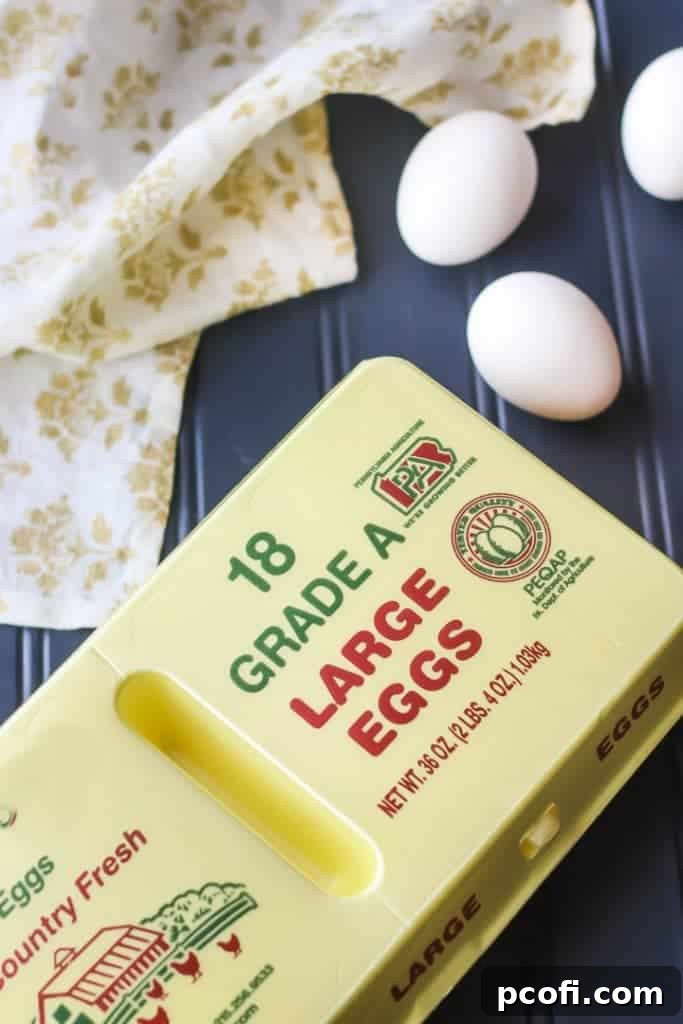
- Egg Size Matters: Most baking recipes, unless otherwise specified, are developed using large eggs. If a recipe doesn’t mention egg size, default to large eggs. Significant variations in egg size can affect the liquid-to-dry ratio in a recipe, leading to a dough that’s too wet or too dry.
- Interpreting Chopped Ingredients: Pay close attention to how recipes phrase measurements for chopped fruits or nuts. There’s a big difference between “2 cups strawberries, finely chopped” and “2 cups finely chopped strawberries.”
- “2 cups strawberries, finely chopped” means you start with 2 cups of whole (or roughly cut) strawberries, and *then* finely chop them.
- “2 cups finely chopped strawberries” means you finely chop the strawberries *first*, and *then* measure out 2 cups of the chopped fruit. The latter will require significantly more whole strawberries to yield 2 cups of finely chopped pieces.
- Measuring Chocolate Chips and Similar Items: For ingredients like chocolate chips, nuts, or dried fruits that don’t compact, simply fill your dry measuring cup to the top. There’s no need to pack or fluff.
- Room Temperature Ingredients: Many recipes call for ingredients like butter and eggs to be at room temperature. This is not just a suggestion; it’s a critical factor for proper emulsification and batter consistency. Room temperature butter creams more smoothly with sugar, incorporating air for a lighter texture. Cold ingredients can cause a batter to seize or curdle. Plan ahead to bring these items to the correct temperature.
- The Order of Operations: While not strictly a measurement tip, consider measuring all your dry ingredients first, then your wet ingredients. This often saves on cleanup as you might be able to reuse a measuring cup for similar ingredients without washing it immediately.
- Mise en Place: This French culinary term means “everything in its place.” It refers to the practice of measuring out and preparing all your ingredients before you begin the actual mixing and baking process. This organized approach minimizes stress, ensures you haven’t forgotten anything, and allows you to focus on technique during the crucial mixing stages.
Metric vs. Imperial: Understanding Baking Measurements
The world of baking measurements is largely divided into two main systems: metric and imperial. Most countries globally, along with professional kitchens, utilize the metric system, which relies on units of weight (grams) and volume (milliliters). However, in countries like the United States, the imperial system remains prevalent, using volume measurements like cups, tablespoons, and teaspoons.
While this article primarily focuses on imperial (volume) measurements to align with the majority of US-based home bakers, it’s essential to understand the inherent differences and limitations of each system. The imperial system, with its reliance on volume, introduces a degree of variability. For instance, a “cup of flour” can weigh differently depending on how it’s scooped and packed. This is why techniques like “spoon and level” are so crucial when using volume measurements.
The Power of Measuring by Weight
Measuring ingredients by weight is unequivocally the most accurate method for baking. Unlike volume, which can be affected by factors such as how an ingredient is packed, its density, or whether it’s whole or chopped, an ingredient’s weight remains constant. One gram of flour is always one gram of flour, regardless of how fluffy or compacted it is.
This consistency eliminates guesswork and significantly reduces the margin for error, leading to more reliable and repeatable baking results. Professional kitchens universally adopt weight measurements for this very reason. If all home bakers measured by weight, many of the measurement tips in this article would be unnecessary! A digital kitchen scale is an indispensable tool for anyone seeking the highest level of precision in their baking.
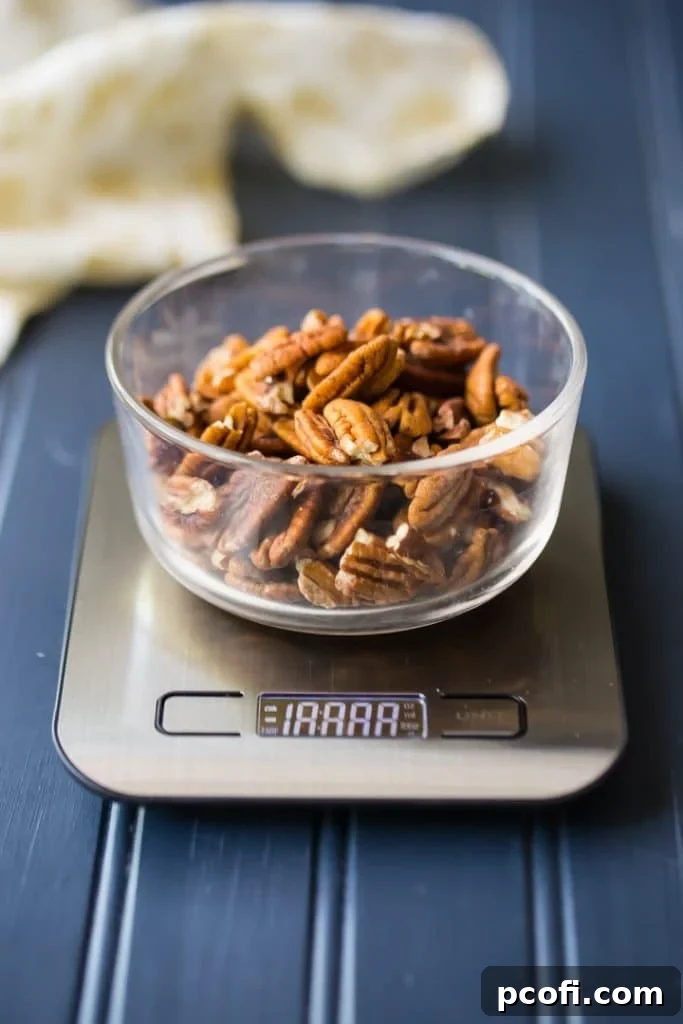
While many home recipes in the U.S. continue to use imperial volume measurements, some particularly finicky recipes, such as delicate French macarons, often require the extreme precision that only weight measurements can provide. If you’re ready to embrace the superior accuracy of measuring by weight, I commend you! It truly is the best way to achieve consistent, professional-level results at home. To assist you, I offer a free, printable weight conversion chart, a handy resource to keep in your kitchen for easy reference.
Unlocking Recipe Accuracy with Measurement Conversions
Even with the most precise measuring techniques, understanding how different units relate to each other can be incredibly helpful in the kitchen. Whether you’re scaling a recipe up or down, or simply curious about equivalencies, a reliable conversion chart is a baker’s best friend. My comprehensive conversion chart, linked above, is a fantastic resource to print and keep within easy reach in your kitchen.
Common Measurement Conversions for Bakers
Here are some of the most frequently used measurement conversions to help you navigate recipes with confidence:
Converting Teaspoons and Tablespoons to Cups
- 3 teaspoons = 1 tablespoon
- 4 tablespoons = 1/4 cup
- 5 tablespoons + 1 teaspoon = 1/3 cup
- 8 tablespoons = 1/2 cup
- 10 tablespoons + 2 teaspoons = 2/3 cup
- 12 tablespoons = 3/4 cup
- 16 tablespoons = 1 cup
Converting Tablespoons and Cups to Fluid Ounces
- 1 tablespoon = 1/2 fluid ounce
- 1 cup = 1/2 pint = 8 fluid ounces
- 2 cups = 1 pint = 16 fluid ounces
- 4 cups = 2 pints = 1 quart = 32 fluid ounces
- 16 cups = 8 pints = 4 quarts = 1 gallon = 128 fluid ounces
By mastering these conversions and the measuring techniques detailed throughout this guide, you are well on your way to becoming a more confident and successful baker. Precision in measurement is not merely a chore; it’s an art that transforms raw ingredients into delectable creations. Every accurate scoop, level, and pour brings you closer to baking perfection.
We hope this comprehensive guide on how to measure ingredients for baking has been incredibly helpful. If you have any further questions, additional tips to share, or baking topics you’d love to explore in future articles, please don’t hesitate to leave a comment below. Your insights and suggestions are always valued!
As an Amazon Associate, I earn from qualifying purchases.