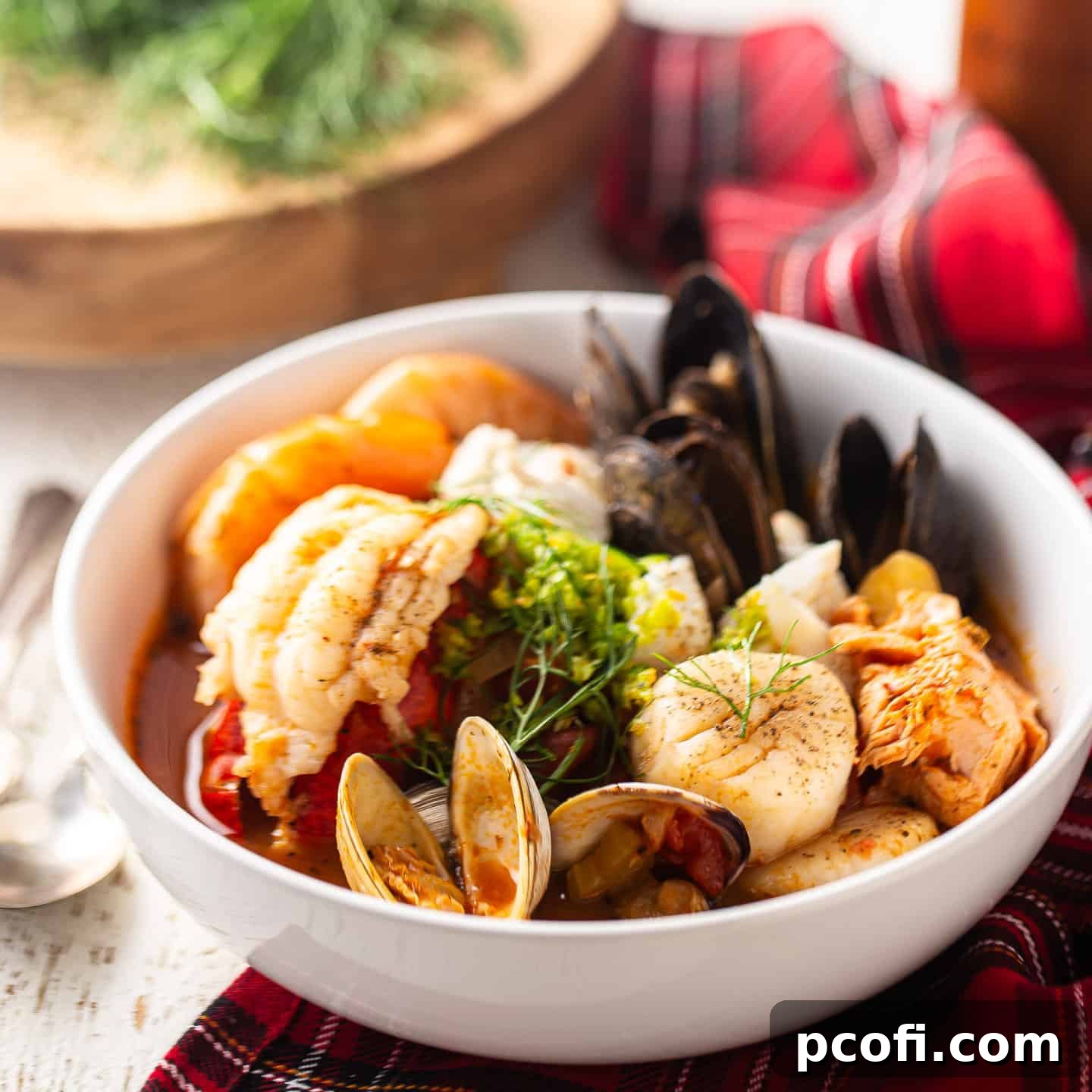
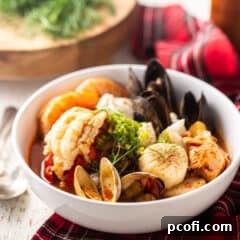
Embark on a culinary journey this holiday season with our ultimate Cioppino recipe, masterfully crafted to bring the traditional Feast of the Seven Fishes to your table with unparalleled ease and flavor! This magnificent seafood stew is brimming with a delightful assortment of tender, fresh seafood, all harmoniously simmered in a rich, robust tomato broth. It’s the quintessential centerpiece for your Christmas Eve celebration, promising a memorable and effortlessly elegant meal for all.
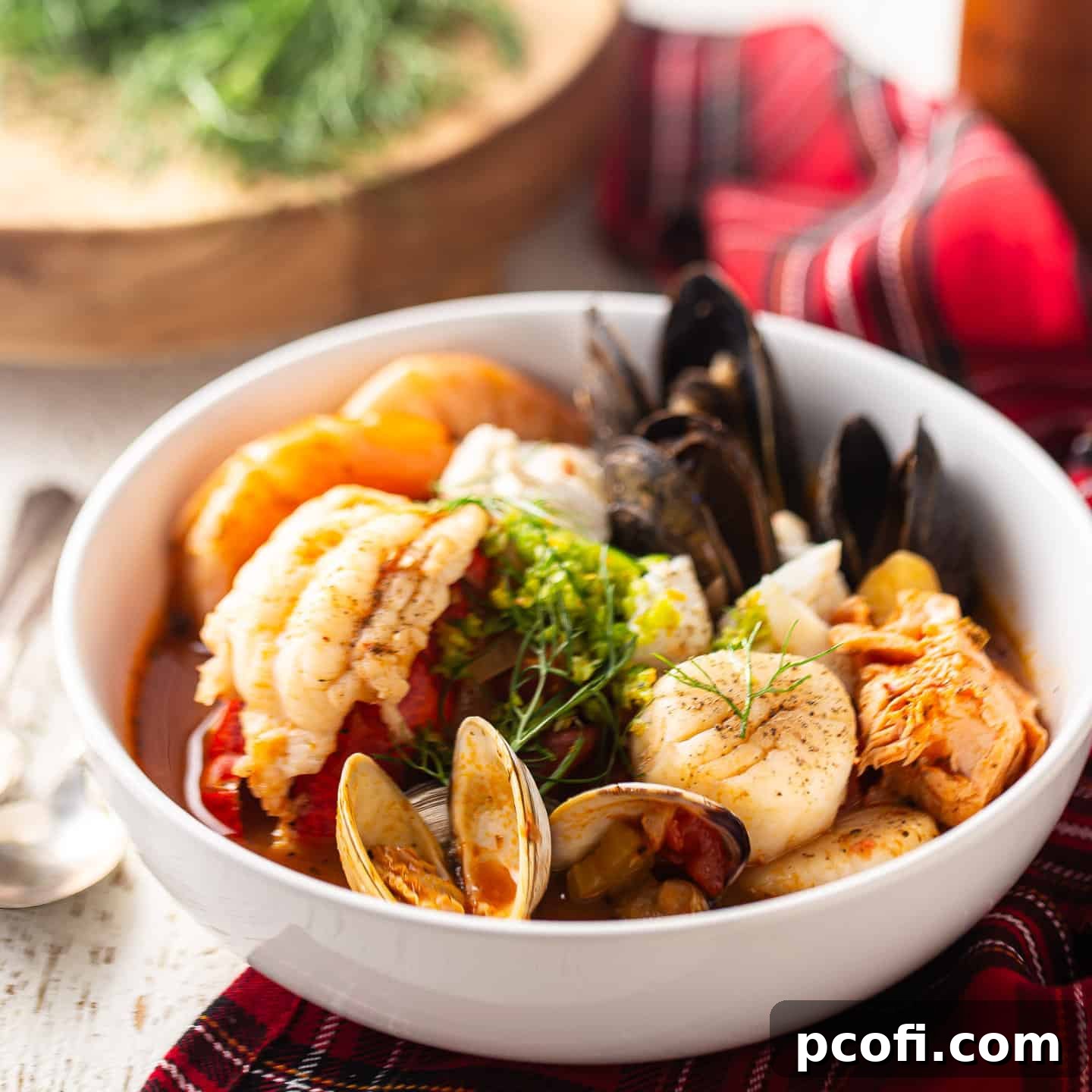
As the festive glow of Christmas approaches, there’s no better time to unveil this truly spectacular 7-Fishes Cioppino recipe. For years, this delightful seafood stew was a cherished annual tradition in my home on Christmas Eve, a tradition that, for a short while, fell by the wayside. But I’m overjoyed to have revived this culinary gem, rediscovering it as one of the most scrumptious and surprisingly simple ways to honor the age-old Italian-American custom of the Feast of the Seven Fishes.
For those who have followed my culinary adventures, it’s no secret how profoundly Italian cuisine resonates with me. My passion for authentic Italian flavors shines through in many of my recipes, from the delicate crunch of my pizzelle recipe to the comforting sweetness of my panettone recipe. This easy, one-pot seafood stew stands as another testament to that love, embodying the spirit and warmth of Italian family gatherings.
This Cioppino isn’t just a meal; it’s an experience. It beautifully encapsulates the Italian-American tradition of preparing seven distinct types of fish to commemorate Christmas Eve, transforming a potentially complex endeavor into a gloriously abundant and utterly mouthwatering dish. The best part? It all comes together effortlessly in a single pot, making holiday entertaining a breeze without sacrificing an ounce of festive charm or rich flavor.
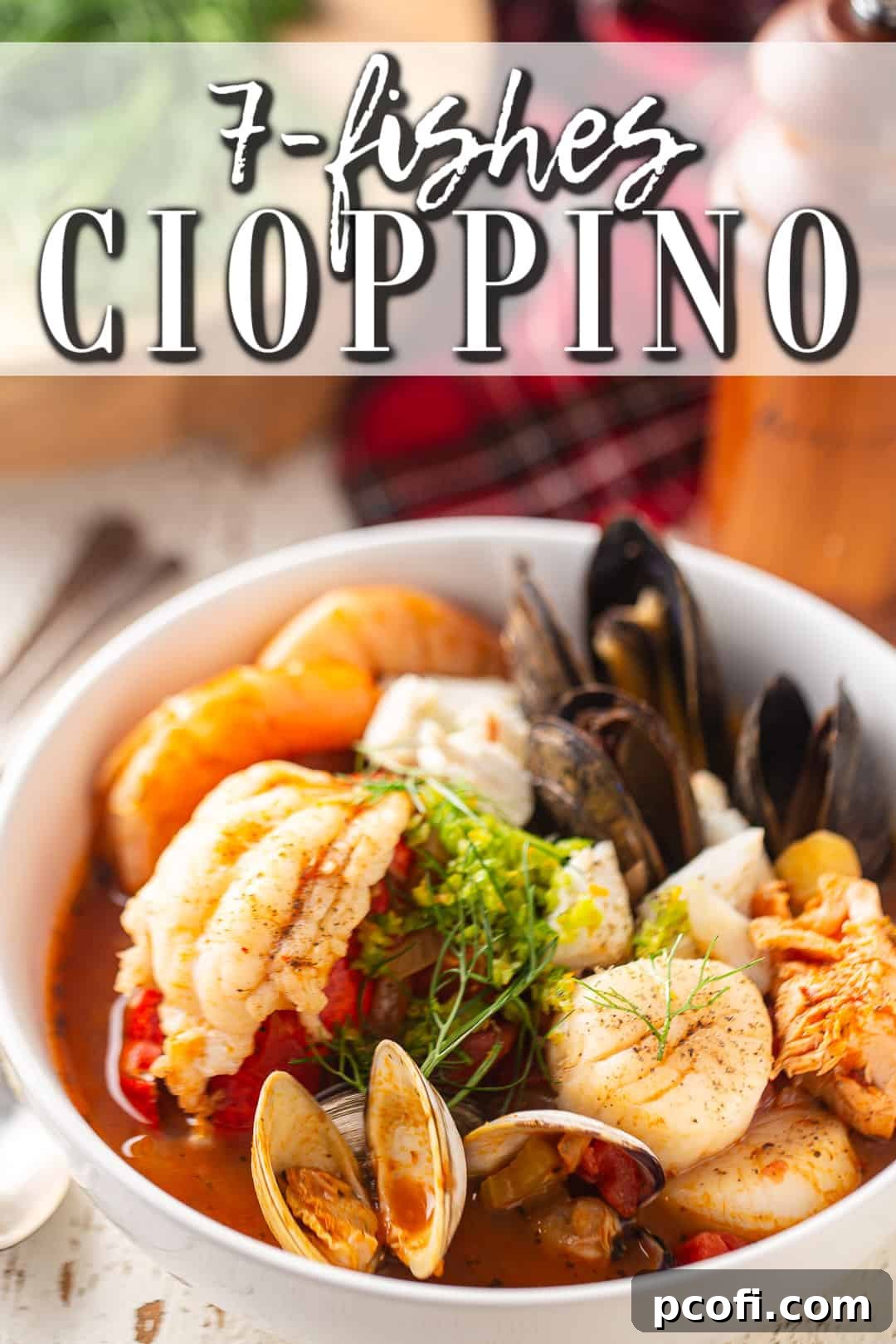
Table of Contents
- What is Cioppino?
- The Essence of the Feast of the Seven Fishes
- Why This is the Best Cioppino Recipe
- Gather Your Ingredients for the Perfect Cioppino
- Essential Equipment for Your Cioppino
- How to Make the Ultimate 7-Fishes Cioppino
- How to Serve Your Cioppino
- Expert Tips for Cioppino Perfection
- Frequently Asked Questions
- Explore More Italian Favorites
- Printable Recipe Card
Jump to Recipe
What is Cioppino? A Culinary Tale from San Francisco
Cioppino, pronounced “chip-PEEN-oh,” is a magnificent Italian-American seafood stew with roots deeply embedded in the vibrant history of San Francisco. This flavorful dish was first conceived by the industrious Italian immigrant fishermen who settled in the city’s North Beach area during the late 1800s. Faced with fluctuating catches and a desire to make the most of their daily hauls, they devised a hearty communal stew. The charming legend behind its name suggests that each fisherman would “chip in” a portion of his day’s unsold catch – be it crabs, fish, clams, or mussels – to create a shared meal. This collaborative spirit gave birth to a culinary icon.
At its heart, Cioppino is characterized by its robust, often tomato-based broth, generously infused with garlic, herbs, and sometimes a hint of spice. What truly defines it, however, is the diverse array of fresh seafood cooked directly in this flavorful base. While traditional cioppino can feature any combination of the day’s catch, our recipe takes a special turn, embracing the beloved Christmas Eve tradition of the Feast of the Seven Fishes. This means incorporating seven distinct varieties of seafood, transforming the stew into a truly celebratory and symbolic dish that’s rich in both flavor and heritage.
The Essence of the Feast of the Seven Fishes
The Feast of the Seven Fishes, or “Festa dei Sette Pesci,” is a deeply cherished Italian-American tradition observed on Christmas Eve. Originating from Southern Italy, where abstaining from meat on vigils (such as the night before Christmas) was customary, the tradition evolved to feature a magnificent spread of seafood. The “seven” often symbolizes the seven sacraments, the seven virtues, or the seven days of creation, though the exact number of dishes can sometimes vary. It’s a time for families to gather, share abundance, and celebrate their heritage with an array of delectable fish and shellfish dishes.
Our Cioppino recipe offers an ingenious and simplified approach to this grand tradition. Instead of preparing seven separate seafood dishes, which can be incredibly time-consuming and stressful during the busy holiday season, we combine the essence of all seven fishes into one glorious pot. This means you get all the traditional flavor, the symbolic variety, and the impressive presentation, but with significantly less fuss. It’s a modern twist on an old-world charm, allowing you to focus more on enjoying the company of your loved ones and less on endless hours in the kitchen.
Why This Is The Best Cioppino Recipe For Your Holiday Table
There are countless Cioppino recipes out there, but ours stands out for several compelling reasons, making it the ideal choice for your cherished Christmas Eve celebration or any special gathering:
- Honors Tradition with Modern Ease: This recipe brilliantly merges the age-old Feast of the Seven Fishes into one magnificent, cohesive dish. You achieve the traditional variety and symbolic significance without the overwhelming task of preparing multiple separate seafood courses. It’s all the tradition with none of the typical holiday stress.
- Exquisitely Delicious: Prepare your taste buds for an unforgettable experience. This Cioppino features an abundance of fresh, succulent seafood, each piece cooked to tender perfection. It’s all nestled within a deeply flavorful broth, rich with garlic, sweet tomatoes, fragrant fennel, and a subtle warmth from red pepper flakes. The balanced flavors ensure a truly gourmet experience.
- Remarkably Easy to Make: Imagine preparing your entire Christmas Eve seafood feast in just about an hour, all within a single pot! This recipe is designed for efficiency, making it accessible even for novice cooks. The simple, straightforward steps ensure a smooth cooking process, leaving you more time to relax and enjoy the festivities.
- Perfect for Entertaining a Crowd: This generous recipe is inherently designed to feed a large gathering. Overflowing with a diverse assortment of seafood, it’s a visually stunning and hearty meal that will impress your guests and comfortably satisfy everyone at your table. It’s the ultimate crowd-pleaser for any celebration.
- Versatile & Customizable: While we provide a fantastic selection for the seven fishes, this recipe is incredibly adaptable. You can easily swap in your favorite types of seafood or adjust quantities based on availability and preference. This flexibility ensures you can make it your own while still staying true to the spirit of Cioppino.
Gather Your Ingredients for the Perfect Cioppino
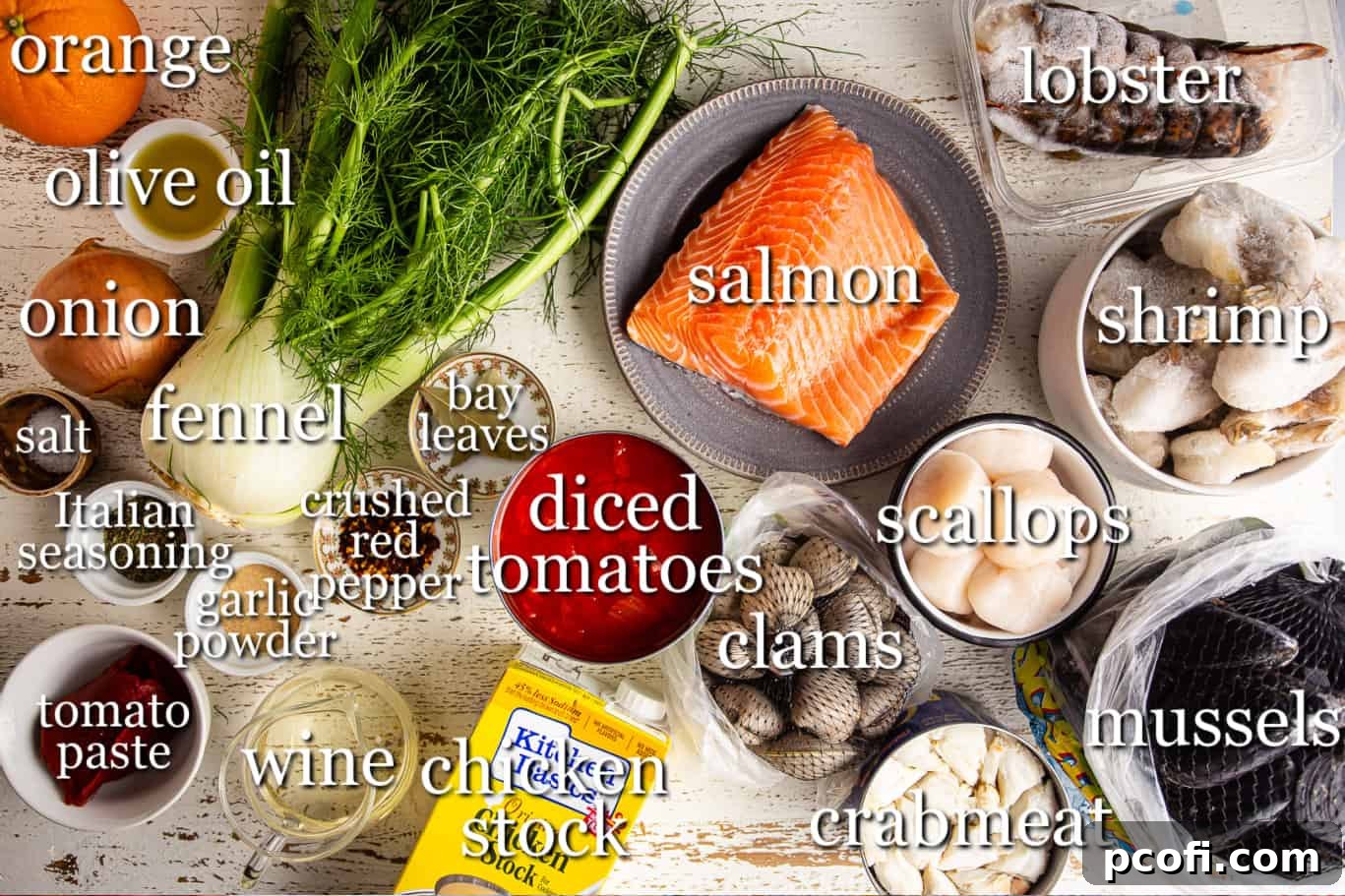
Crafting a truly exceptional Cioppino begins with selecting high-quality ingredients. Here’s a breakdown of what you’ll need and why each component is vital for creating that deep, complex flavor profile:
- Oil: We highly recommend extra-virgin olive oil for its rich, fruity flavor that perfectly complements seafood and Italian spices. However, any good quality cooking oil can be used if preferred.
- Fennel: This unique vegetable offers a delightful crunch similar to celery or onion, but with a distinctively juicy, mildly licorice-like flavor. We’ll utilize both the bulb, sliced thin for the stew’s foundation, and the delicate fronds for a vibrant, fresh gremolata topping.
- Orange: Fresh orange zest and a squeeze of its juice are the secret ingredients that elevate this Cioppino. They introduce a bright, citrusy note that beautifully enhances the fennel and seafood, cutting through the richness of the tomato broth.
- Onion: A medium-sized, roughly chopped onion forms an aromatic base, adding depth and a subtle sweetness to the stew as it caramelizes during sautéing.
- Tomato: Tomatoes are the heart of our Cioppino broth. Tomato paste is crucial for creating a rich, concentrated umami flavor and adding body to the stew. Canned, diced tomatoes packed in juice contribute a chunky texture and fresh tomato flavor that marries well with the seafood.
- Wine: A good quality dry white wine (such as Pinot Grigio or Sauvignon Blanc) is indispensable for deglazing the pot, lifting up all the flavorful fond, and adding a layer of sophisticated acidity and depth. If you prefer not to cook with alcohol, an equal amount of additional stock can be used, though the flavor profile will be slightly different.
- Stock: While fish stock is a classic choice for seafood stews, I often find chicken stock offers a more balanced, less intensely “fishy” flavor that allows the individual seafood elements to shine. Both options work beautifully, so choose according to your preference.
- Seasonings: A carefully balanced blend of kosher salt and garlic powder enhances all flavors. Italian seasoning provides an aromatic blend of dried herbs, while crushed red pepper flakes add a gentle warmth and subtle kick. Finally, a couple of bay leaves infuse the broth with a deeper, earthy complexity.
- Seafood: This is where the magic of the “7 Fishes” comes alive! The beauty of Cioppino lies in its versatility. For this recipe, I’ve chosen a bountiful combination that includes:
- Salmon
- Lobster
- Shrimp
- Scallops
- Mussels
- Clams
- Crabmeat (canned or fresh lump crabmeat works best)
However, feel free to customize! Other traditional options for the Feast of Seven Fishes include smelts, baccala (salted cod), scungilli (whelk or conch), calamari (squid), cod, snapper, or halibut. The key is to select fresh, high-quality seafood for the best results.
Essential Equipment for Your Cioppino
One of the beauties of this Cioppino recipe is that it doesn’t require an arsenal of specialized kitchen gadgets. Here are the key tools that will help you prepare this magnificent stew with ease:
- Large Pot or Dutch Oven: This is the hero of our one-pot meal. A heavy-bottomed Dutch oven or a large stockpot is ideal. Its spacious interior allows all the ingredients to simmer comfortably, and its sturdy construction ensures even heat distribution, preventing sticking and scorching.
- Wooden Spoon: Essential for stirring the vegetables and, most importantly, for scraping up the flavorful “fond” from the bottom of the pot after deglazing. Its gentle yet firm edge is perfect for this task.
- Measuring Spoons & Cups: For accurately measuring your seasonings, liquids, and other ingredients to ensure the perfect flavor balance.
- Food Processor or Mini Chopper: While optional, this tool is incredibly handy for quickly preparing the gremolata topping. It makes light work of finely chopping the fennel fronds, orange zest, and other components into a vibrant “salsa.”
How to Make the Ultimate 7-Fishes Cioppino
Preparing this bountiful seafood stew is a straightforward process that comes together in approximately an hour, all in one pot! Follow these steps for a perfect Cioppino:
Step 1: Prepare the Fresh Fennel & Orange Gremolata
To start, we’ll create a vibrant fennel and orange gremolata. This fresh, herbaceous topping adds a brilliant burst of flavor and color, providing a delightful contrast to the rich stew. While entirely optional, it’s highly recommended for that extra touch of gourmet freshness. If you’re short on time, you can certainly skip this step.
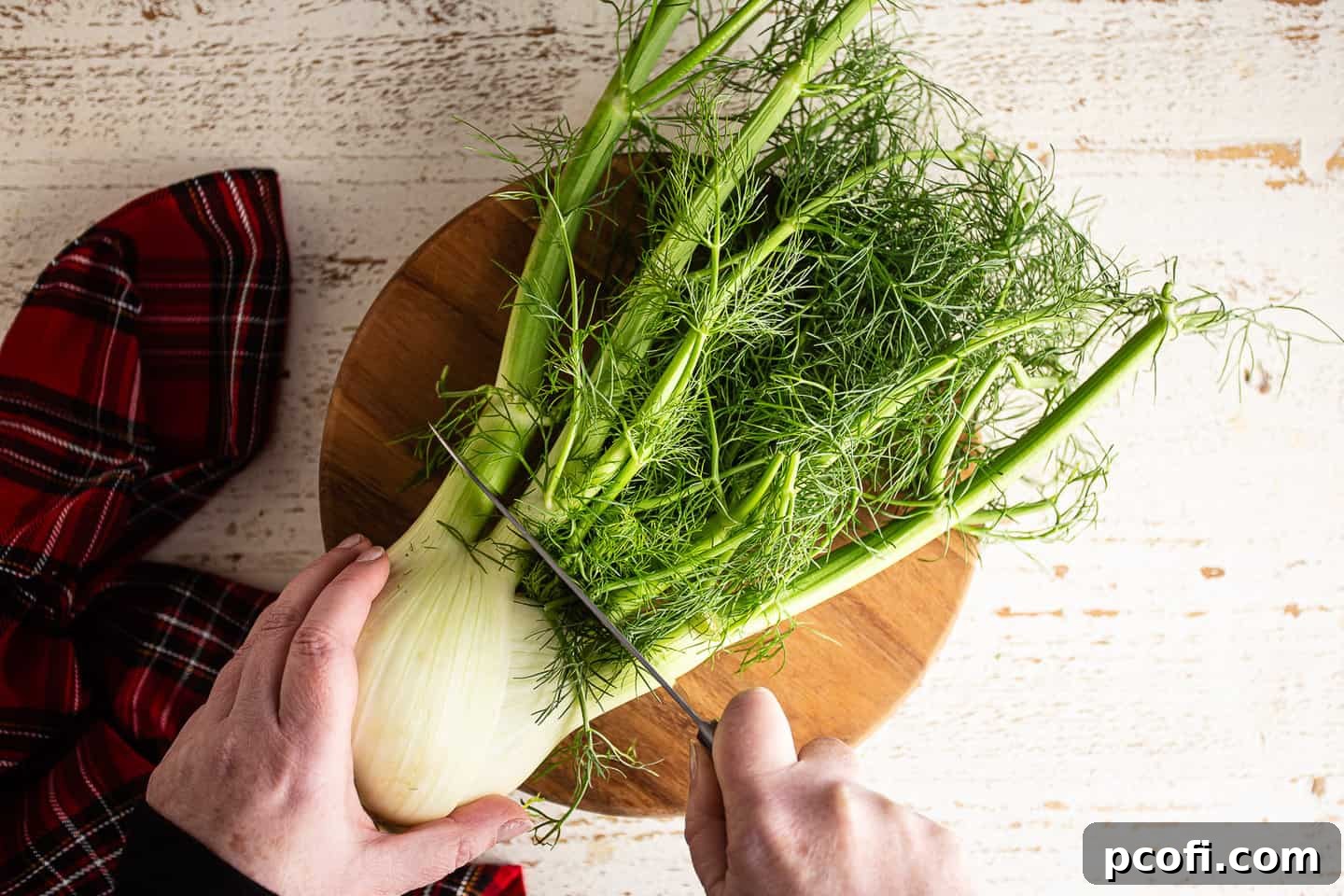
Begin by cutting off the green stems and feathery fronds from your fennel bulb. Reserve the fronds for the gremolata.
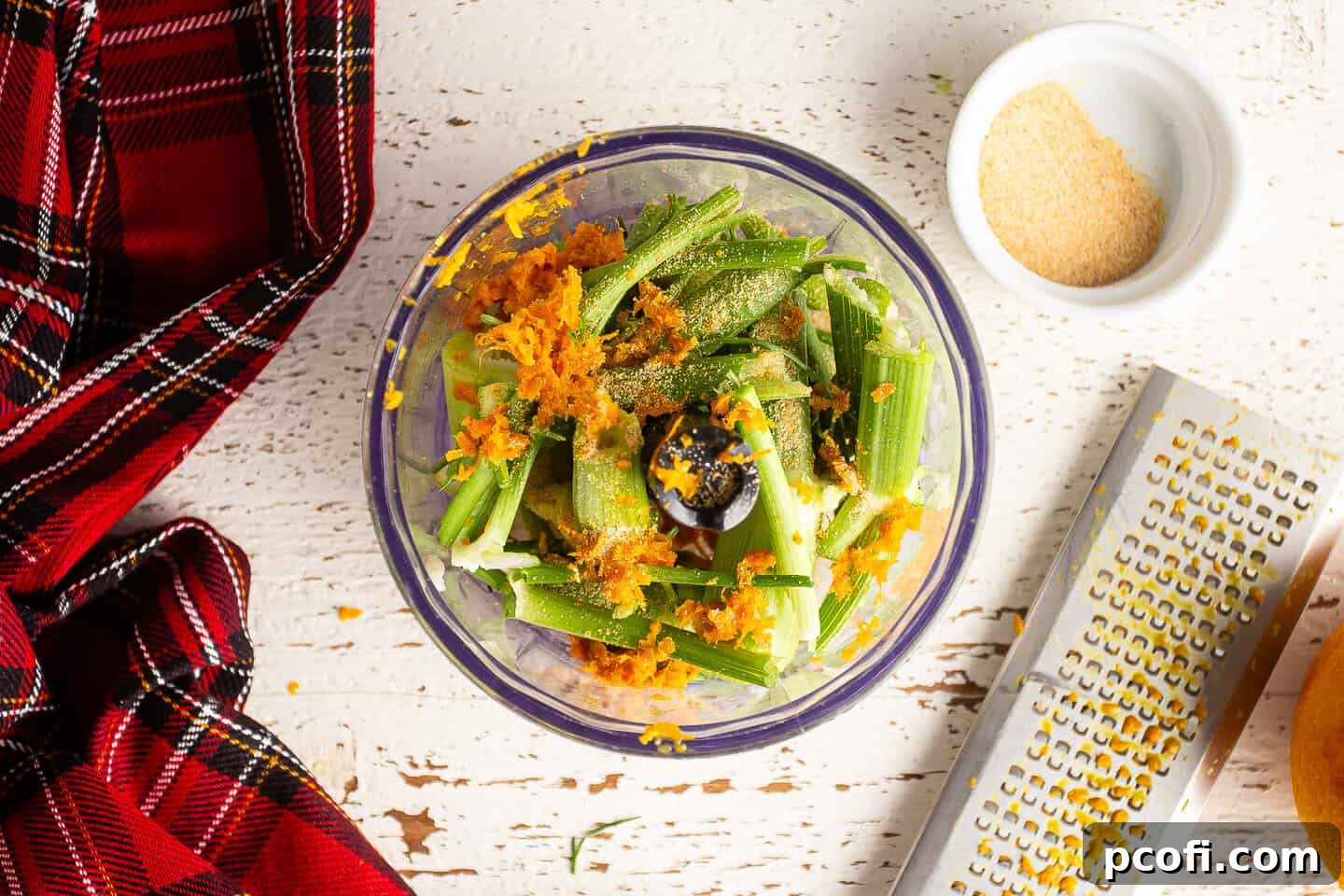
Place the reserved fennel fronds into the bowl of your food processor or mini-chopper. Add the fresh orange zest, a tablespoon of orange juice, a drizzle of olive oil, a portion of your kosher salt, and a quarter teaspoon of garlic powder.
Process all these ingredients together until they are finely minced, creating a bright, flavorful “salsa.”
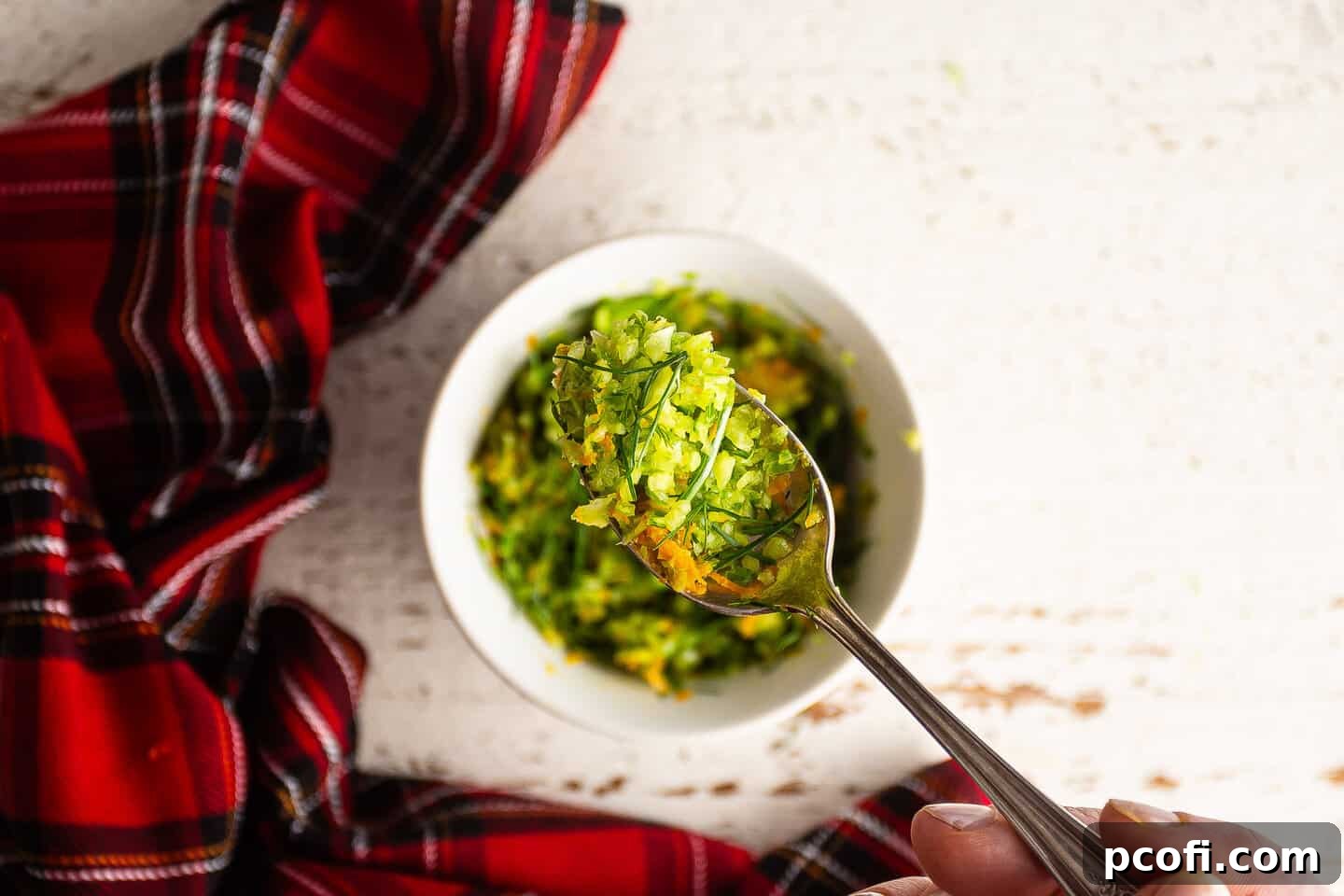
Once your gremolata is ready, set it aside. It will be the perfect finishing touch for your Cioppino.
Step 2: Sauté the Aromatic Vegetables
In your large pot or Dutch oven, heat the remaining extra-virgin olive oil over medium-high heat until it shimmers. Thinly slice the fennel bulb (the part you reserved from the gremolata step) and add it to the pot, along with the chopped onion. Stir in the remaining kosher salt, garlic powder, Italian seasoning, crushed red pepper flakes, and bay leaves.
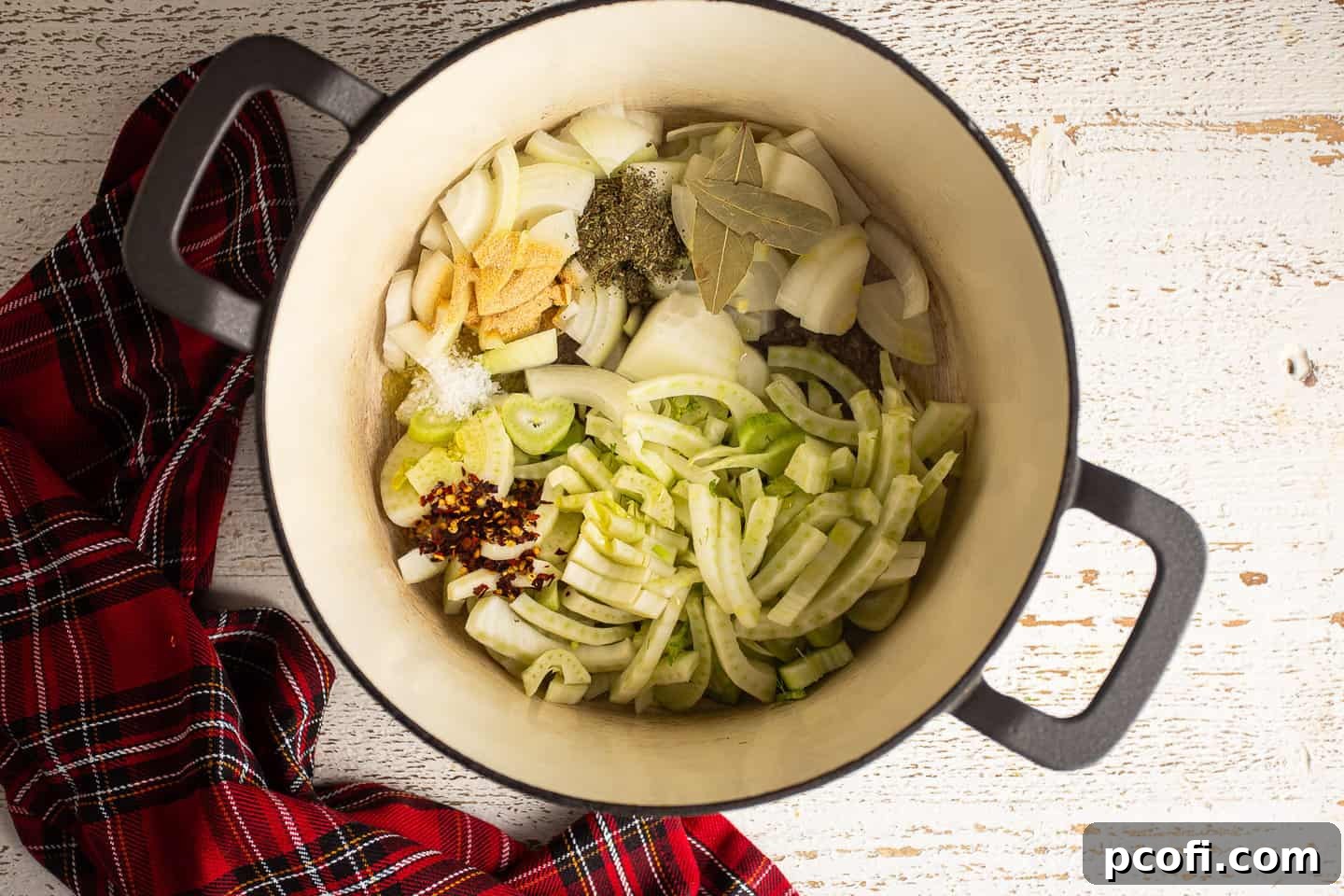
Sauté this aromatic mixture for approximately 3 to 5 minutes, stirring occasionally, until the vegetables begin to soften and become translucent and fragrant. This step builds the foundational flavors of your stew.
Step 3: Develop Deep Flavor with Tomato Paste
Once the vegetables are tender, create a small clear space at the bottom of the pot. Add the tomato paste directly to this cleared area.
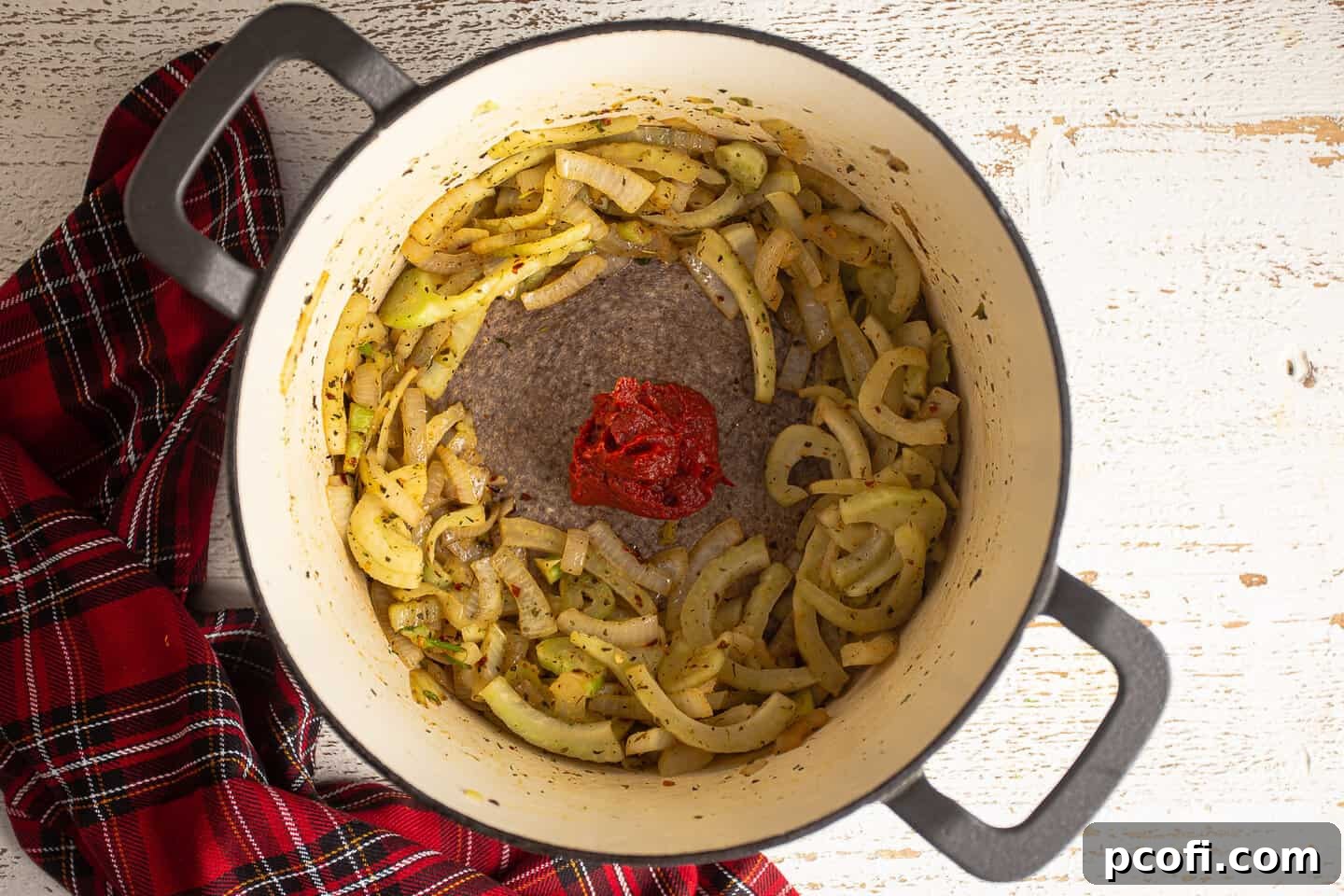
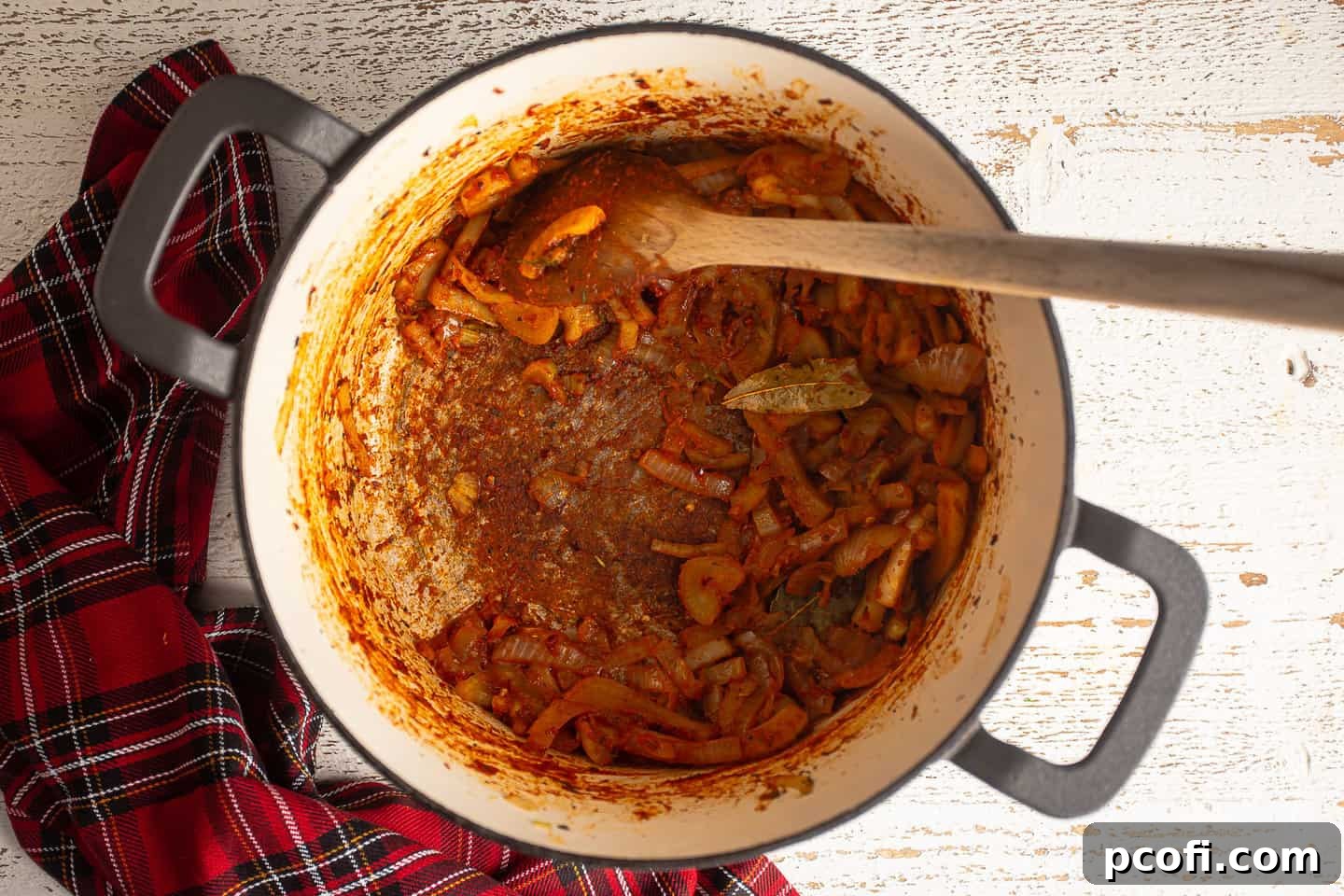
Continue to cook, stirring the tomato paste frequently, allowing it to brown slightly and form a thin, caramelized film on the bottom of the pot. This rich, dark layer is known as “fond,” and it is absolutely essential for adding incredible depth and umami to your Cioppino broth. Don’t rush this step, as it significantly contributes to the overall flavor.
Step 4: Deglaze and Build the Broth
Once the tomato paste has browned and the fond has developed, carefully pour in the dry white wine. Immediately scrape the bottom of the pot with your wooden spoon, lifting all that delicious fond up into the liquid. This deglazing process releases all the concentrated flavors into your developing broth.
Next, stir in the diced tomatoes (including their juice) and the chicken or fish stock. Bring the mixture to a gentle simmer, then reduce the heat to low. Allow the broth to lightly simmer while you prepare the seafood. You can let the broth gently cook like this until about 10 minutes before you plan to serve.
Step 5: Simmer the Seafood to Perfection
This is the final, crucial step to ensure perfectly cooked, tender seafood. Timing is key here, as different types of seafood cook at varying rates. To avoid overcooking and rubbery textures, add your seafood in stages based on its cooking time:
- 8 to 10 minutes before serving: Gently add the salmon fillets and lobster pieces to the simmering broth. These larger, denser fish require the longest cooking time.
- 5 minutes before serving: Introduce the shrimp and scallops to the pot. They cook relatively quickly and will become opaque and firm when done.
- 2 to 3 minutes before serving: Add the mussels and clams. Cover the pot and allow them to steam open. Discard any shellfish that do not open.
If you’re using canned crabmeat, which is already cooked, simply add a spoonful or two on top of each serving bowl just before serving to retain its delicate texture.
How to Serve Your Glorious Cioppino
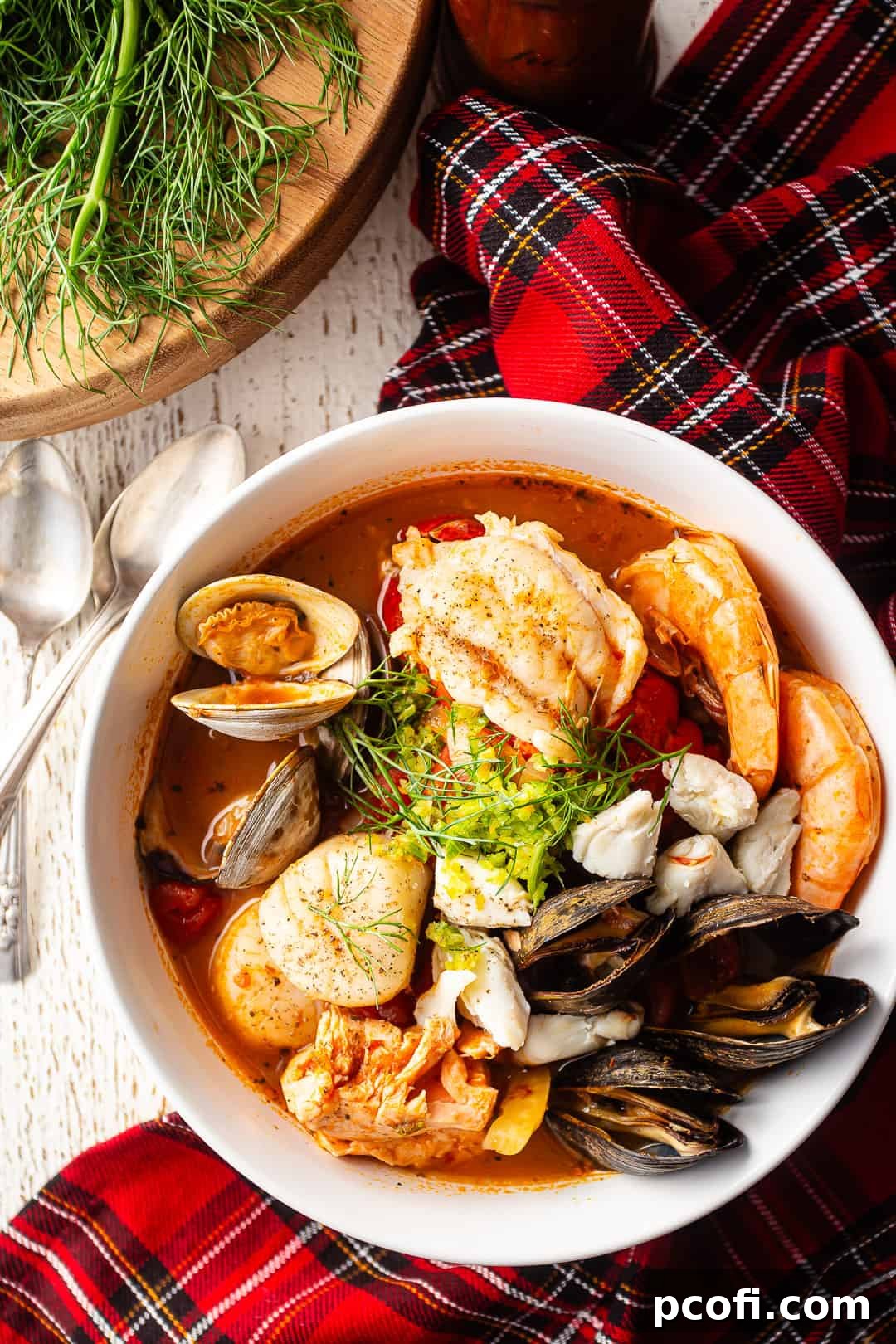
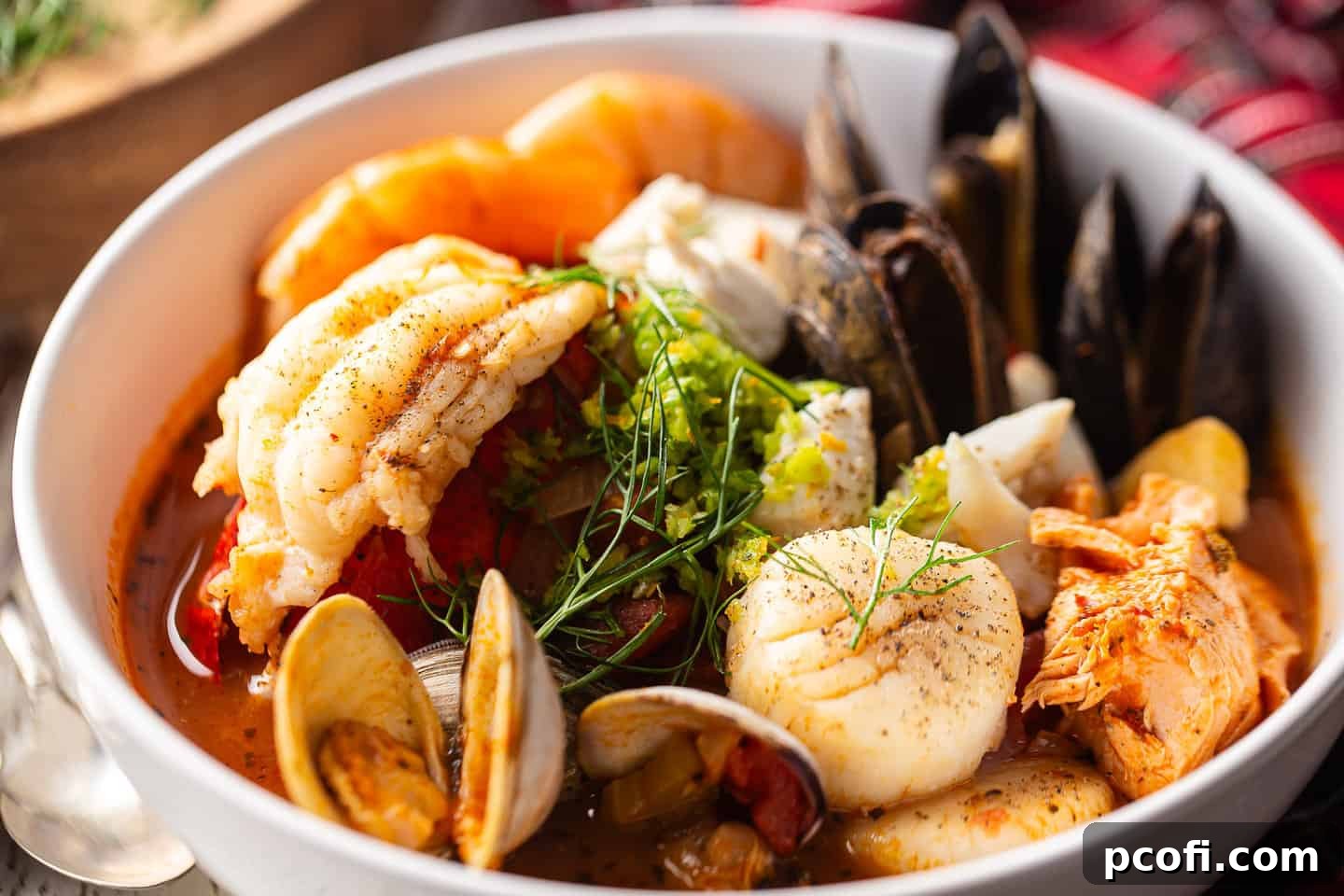
Once your Cioppino is bursting with perfectly cooked seafood, it’s time to serve this impressive feast. Ladle generous portions of the hot stew into individual, deep serving bowls. For that final touch of freshness and elegance, garnish each bowl with a spoonful of the vibrant fennel and orange gremolata you prepared earlier. The bright, zesty notes of the gremolata will beautifully complement the rich tomato broth and savory seafood.
To create a truly complete and authentic Italian-American dining experience, consider these perfect accompaniments:
- Crusty Bread: Essential for soaking up every last drop of the exquisite broth. Think warm, crusty ciabatta, chewy focaccia, or homemade garlic knots. A good artisan sourdough loaf also works wonderfully.
- Fresh Green Salad: A simple, crisp green salad dressed lightly with a bright lemon vinaigrette or a classic balsamic vinaigrette provides a refreshing counterpoint to the richness of the stew.
- Wine Pairing: A crisp, dry white wine like a Sauvignon Blanc, Pinot Grigio, or even a light-bodied Chardonnay will pair beautifully with the varied seafood and tomato base.
- Dessert: Conclude your Italian-inspired meal with a classic sweet treat. A decadent Tiramisu is always a crowd-pleaser. For a simpler, yet equally delightful finish, serve freshly brewed coffee alongside a few crunchy almond biscotti.
Expert Tips for Cioppino Perfection
Achieving the perfect Cioppino is simple with these expert tips:
- Let the Fond Develop: This is perhaps the most important flavor-building step. Allow the tomato paste to truly brown and caramelize over medium-high heat for a few minutes. Don’t worry if it sticks slightly to the bottom of the pot; this caramelized layer, known as “fond,” will infuse your broth with an incredibly rich, complex flavor. It will lift easily when you deglaze the pot with wine.
- Do Not Overcook the Seafood: Seafood cooks very quickly, and overcooked fish becomes tough, rubbery, and loses its delicate texture. Add the seafood in stages, just a few minutes before you plan to serve. Watch closely for visual cues: shrimp will turn pink and opaque, scallops will become firm and opaque, and salmon will flake easily. Mussels and clams are done as soon as their shells open.
- Embrace Freshness: The quality of your seafood will directly impact the taste of your Cioppino. Seek out the freshest fish and shellfish available from a reputable fishmonger. Fresh seafood should have a mild, oceanic smell, not a strong “fishy” odor.
- Consider Seafood Variety: While the “7 Fishes” tradition guides us, feel free to customize the types of seafood based on what’s fresh and available, or simply what your family loves most. A good mix of firm white fish, flaky fish, and shellfish provides a wonderful variety of textures and flavors.
- Taste and Adjust Seasoning: Always taste your broth before adding the seafood. Adjust the salt, pepper, and red pepper flakes to your liking. The flavors will meld and deepen as the stew simmers.
- Serving Immediately is Best: Cioppino, especially with shellfish, is a dish meant to be enjoyed fresh off the stove. The delicate flavors and textures of the seafood are at their peak right after cooking.
- Instant Pot Cioppino Variation: For a faster approach, sauté the vegetables, seasonings, and tomato paste directly in your Instant Pot on the “Sauté” setting. Deglaze with wine, add the diced tomatoes and stock, then cancel Sauté. Close the lid and cook on high pressure for 5 minutes. Quick release the pressure. Then, add the seafood (following the staggered timing from step 5, but for a shorter duration), simmering until just cooked through before serving.
- Slow Cooker Cioppino Variation: You can sauté the vegetables and brown the tomato paste in a separate pan, then transfer this mixture along with the wine, diced tomatoes, and stock to your slow cooker. Cook on low for 4-6 hours or high for 2-3 hours to develop the broth’s flavors. Add the seafood only in the last 15-30 minutes of cooking (again, following the staggered timing) to prevent overcooking, ensuring it’s cooked through just before serving.
Frequently Asked Questions About Cioppino
The Feast of the Seven Fishes, or “Festa dei Sette Pesci,” is a cherished Italian-American tradition observed on Christmas Eve. It involves serving a large meal featuring seven different types of fish or seafood. This tradition stems from the Roman Catholic practice of abstaining from meat on vigils before major feast days, with the number seven often symbolizing spiritual significance like the seven sacraments or virtues. It’s a wonderful way for families to celebrate and share abundance.
Gremolata is a vibrant, uncooked, green condiment that traditionally consists of finely chopped lemon zest, garlic, and fresh parsley. In our Cioppino recipe, we use a fennel and orange variation to harmonize with the stew’s flavors. It acts as a fresh, bright counterpoint to the rich, savory broth and seafood. Gremolata adds a burst of citrusy, herbaceous flavor and a beautiful visual garnish, elevating the entire dish.
Yes, you can certainly prepare the broth base for your Cioppino in advance. The aromatic vegetables can be sautéed, the tomato paste browned, and the wine and stock added to create the full, flavorful broth up to 2-3 days ahead of time. Store the broth separately in the refrigerator. However, it is crucial not to add the seafood until just a few minutes before you plan to serve. Seafood cooks very quickly and can easily become overcooked and rubbery if it sits in the hot broth for too long or is reheated.
Cioppino is best enjoyed immediately. While it can sit on the stovetop or in a slow cooker for about an hour after the seafood is added, any leftovers should be transferred to an airtight container and refrigerated as quickly as possible. Due to the perishable nature of seafood, it’s best to consume leftovers within 24 hours. Freezing this dish is generally not recommended, as the delicate texture of the cooked seafood and some vegetables can degrade upon thawing and reheating, becoming watery or rubbery.
This particular Cioppino recipe is designed to generously serve approximately 10 people, making it perfect for a large family gathering or a festive celebration. The nutritional information provided in the recipe card below is calculated for 1/10th of the entire batch, and it includes the delicious gremolata topping as part of the total values.
A large, heavy-bottomed Dutch oven or a sturdy stockpot is ideal. The heavy bottom helps distribute heat evenly, preventing scorching, while the large capacity allows all the ingredients, especially the generous amount of seafood, to cook comfortably without overcrowding.
Yes, you can use frozen seafood, but ensure it is fully thawed before adding it to the stew. Thaw seafood overnight in the refrigerator or under cold running water. Using frozen seafood directly can lower the temperature of the broth too much, affecting cooking times and potentially leading to less tender results. Ensure any frozen mussels or clams are purged of sand after thawing, just as you would with fresh.
Traditionally, Cioppino has a mild warmth from crushed red pepper flakes, but it’s not meant to be overly spicy. The heat level is easily adjustable. If you prefer more spice, you can increase the amount of red pepper flakes. If you prefer no heat, you can omit them entirely.
While both are delicious seafood stews, Cioppino is Italian-American in origin, from San Francisco, and typically features a robust tomato-based broth. Bouillabaisse is a classic French seafood stew from Marseille, known for its thinner, saffron-infused broth, often made with a variety of Mediterranean rockfish and served with rouille and crusty bread.
Explore More Italian Favorites
If you’ve loved this taste of Italy, be sure to explore more of my cherished Italian recipes:
- Hearty White Beans & Greens with Sausage
- Classic Homemade Tomato Sauce
- Authentic How to Make Gnocchi
- Delicious Chicken Marsala
As an Amazon associate I earn from qualifying purchases.
7-Fishes Cioppino
10
people
30
20
50
Leave a Review
Save RecipeSaved!
Ingredients
- 1 (234 g) fennel bulb
- 1 tablespoon (6 g) orange zest
- 1 tablespoon (17 g) orange juice
- 1 1/2 teaspoons (9 g) kosher salt, divided
- 1 1/2 teaspoons (4.5 g) garlic powder, divided
- 4 tablespoons (56 g) extra-virgin olive oil, divided
- 1 (110 g) onion, roughly chopped
- 1 teaspoon (2 g) Italian seasoning
- 1/2 teaspoon (1 g) crushed red pepper flakes
- 2 (0.2 g) bay leaves
- 3 tablespoons (48 g) tomato paste
- 1/2 cup (120 g) dry white wine
- 28 ounces (793.79 g) diced tomatoes in juice
- 32 ounces (907.19 g) chicken stock
- 1 pound (453.59 g) salmon filet
- 1 pound (453.59 g) lobster
- 1 pound (453.59 g) shrimp
- 1/2 pound (226.8 g) scallops
- 2 pounds (907.18 g) mussels
- 1 pound (453.59 g) clams
- 1/2 pound (226.8 g) crabmeat
Instructions
To Make the Gremolata Topping
-
Cut the stems and fronds off the fennel bulb, and place the fronds in the bowl of a food processor, along with the orange zest, orange juice, 1 tablespoon of olive oil, 1/2 teaspoon of salt and 1/4 teaspoon of garlic powder.
-
Process the mixture finely and set aside.
To Make the Seafood Cioppino Stew
-
Heat the remaining olive oil in a large pot over medium-high until shimmering. Slice the fennel bulb thinly and add it to the pot along with the chopped onion, remaining salt and garlic powder, Italian seasoning, crushed red pepper, and bay leaves.
-
Sauté the vegetables and seasonings until tender and fragrant (approximately 3 to 5 minutes).
-
Clear a space in the center of the pot and add the tomato paste.
-
Continue to cook, stirring, until a brown film (fond) forms on the bottom of the pot.
-
Deglaze the pot with the white wine, scraping with a wooden spoon to lift the brown coating up off the bottom of the pot and into the mixture.
-
Stir in the diced tomatoes and their juice, along with the chicken stock, and turn the heat down to a bare simmer.
-
About 8 to 10 minutes before serving, gently slip the salmon and lobster into the pot and allow them to poach in the broth until cooked through.
-
About 5 minutes before serving, add the shrimp and scallops to the pot and cook until opaque.
-
About 2 to 3 minutes before serving, add the mussels and clams to the pot. Cover and cook until the shells have opened. Discard any unopened shells.
-
When all shellfish have opened and seafood is cooked, ladle the stew into bowls and garnish with crabmeat and the reserved gremolata. Serve immediately.
Calories: 318kcal,
Carbohydrates: 14g,
Protein: 37g,
Fat: 11g,
Saturated Fat: 2g,
Polyunsaturated Fat: 2g,
Monounsaturated Fat: 6g,
Trans Fat: 0.01g,
Cholesterol: 147mg,
Sodium: 1188mg,
Potassium: 1041mg,
Fiber: 2g,
Sugar: 6g,
Vitamin A: 360IU,
Vitamin C: 19mg,
Calcium: 121mg,
Iron: 4mg
Tried this recipe?
Mention @bakingamoment on Instagram or tag #bakingamoment.