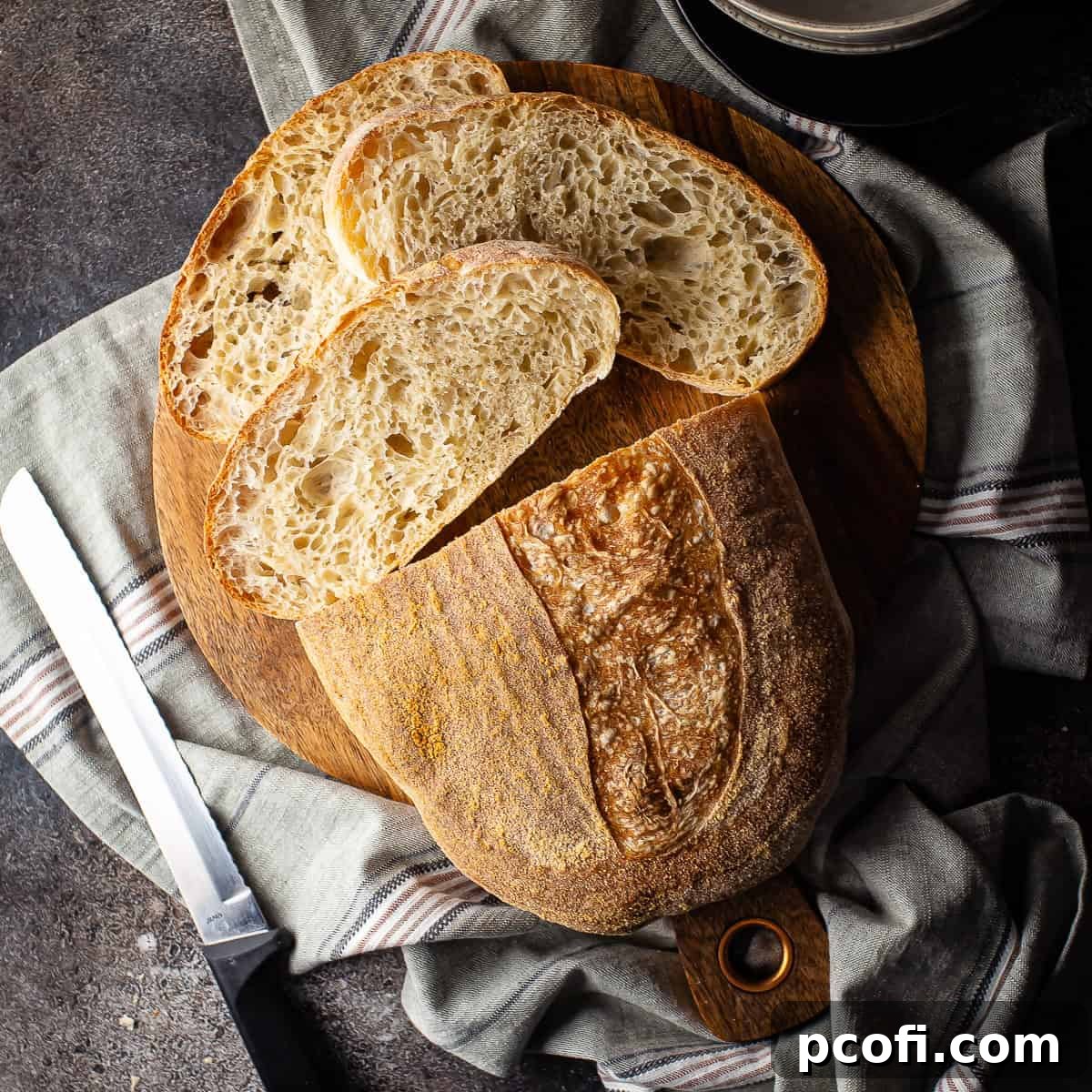
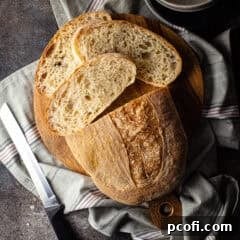
Unlock the secrets to crafting truly extraordinary bread with an incredibly airy, bubbly interior and a perfectly toasted, chewy crust. This comprehensive Pan de Cristal bread recipe is your ultimate guide to mastering the art of Spanish “glass bread” right in your own kitchen!
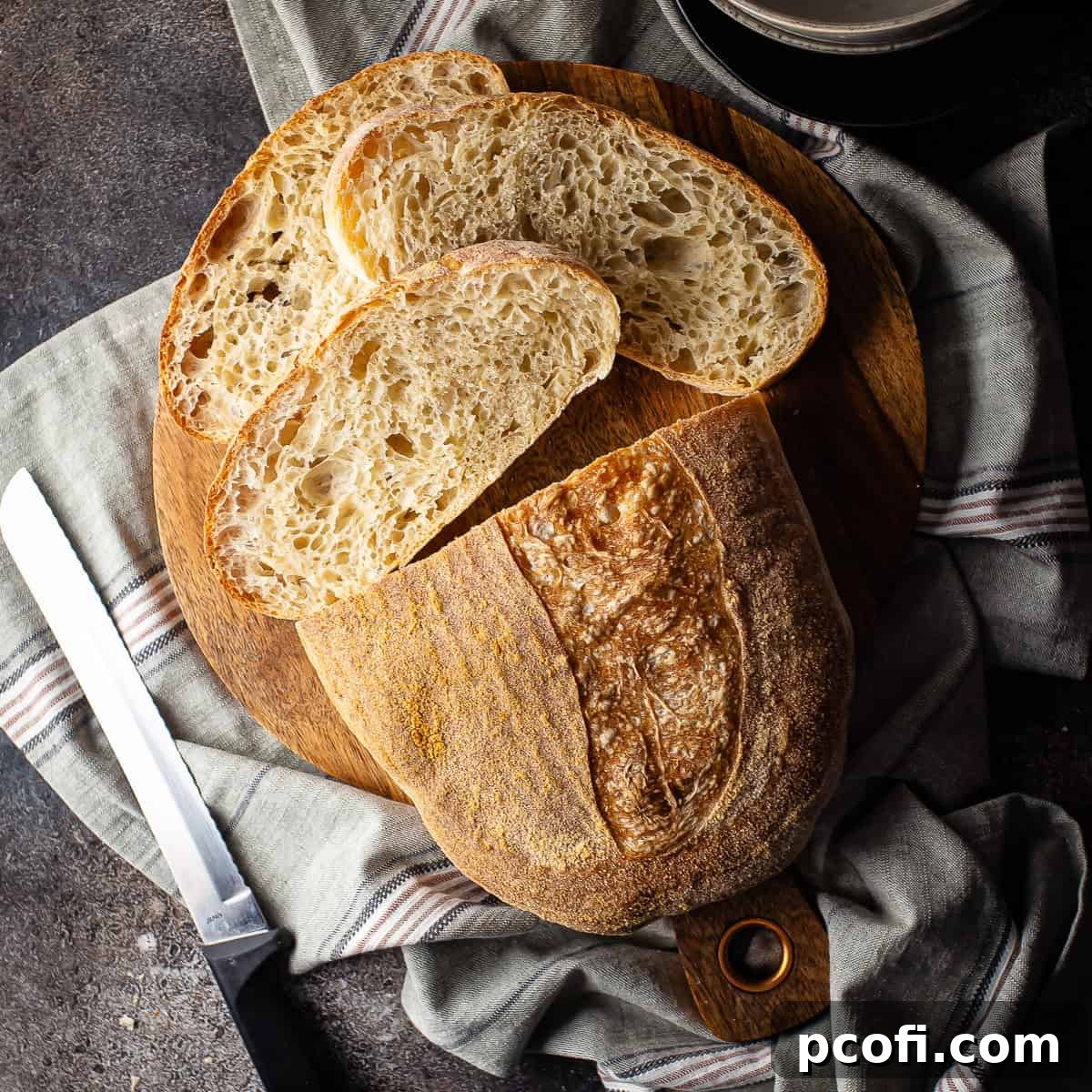
There’s an undeniable magic in homemade bread, and few loaves capture that enchantment quite like Pan de Cristal. I am incredibly excited to finally share this meticulously developed recipe with you today. It’s the culmination of weeks spent in my kitchen, delving into the intricacies of high-hydration dough, rigorous testing, and perfecting every single step to ensure consistent, show-stopping results.
Perhaps you, like me, were captivated by the stunning images of impossibly crusty, ethereally airy, and beautifully bubbly bread that circulated widely during recent times. That visual promise of perfection ignited a desire within me to recreate that experience. While I continue to hone my sourdough skills, this particular Pan de Cristal recipe shines brightly as a yeast-leavened masterpiece, delivering all the sought-after characteristics of its naturally leavened counterparts: an exceptionally light crumb and a robust, flavorful crust.
The beauty of most traditional bread lies in its simplicity. Typically, only four core ingredients are involved: flour, water, yeast, and salt. The true artistry, however, emerges from the precise ratios and, more importantly, the specific techniques employed. To achieve the signature “glass bread” texture, I’ve likely baked this loaf over a dozen times, meticulously experimenting and refining the process. Now, I’m delighted to distill all those learnings and offer you a clear, achievable path to baking this exquisite bread yourself.
If you’re passionate about crafting exceptional homemade bread, I encourage you to explore some of my other popular yeast bread recipes. My crusty French baguette is a perennial favorite, and you’ll also find joy in baking my soft whole wheat bread and the authentic New York Bagel recipe.
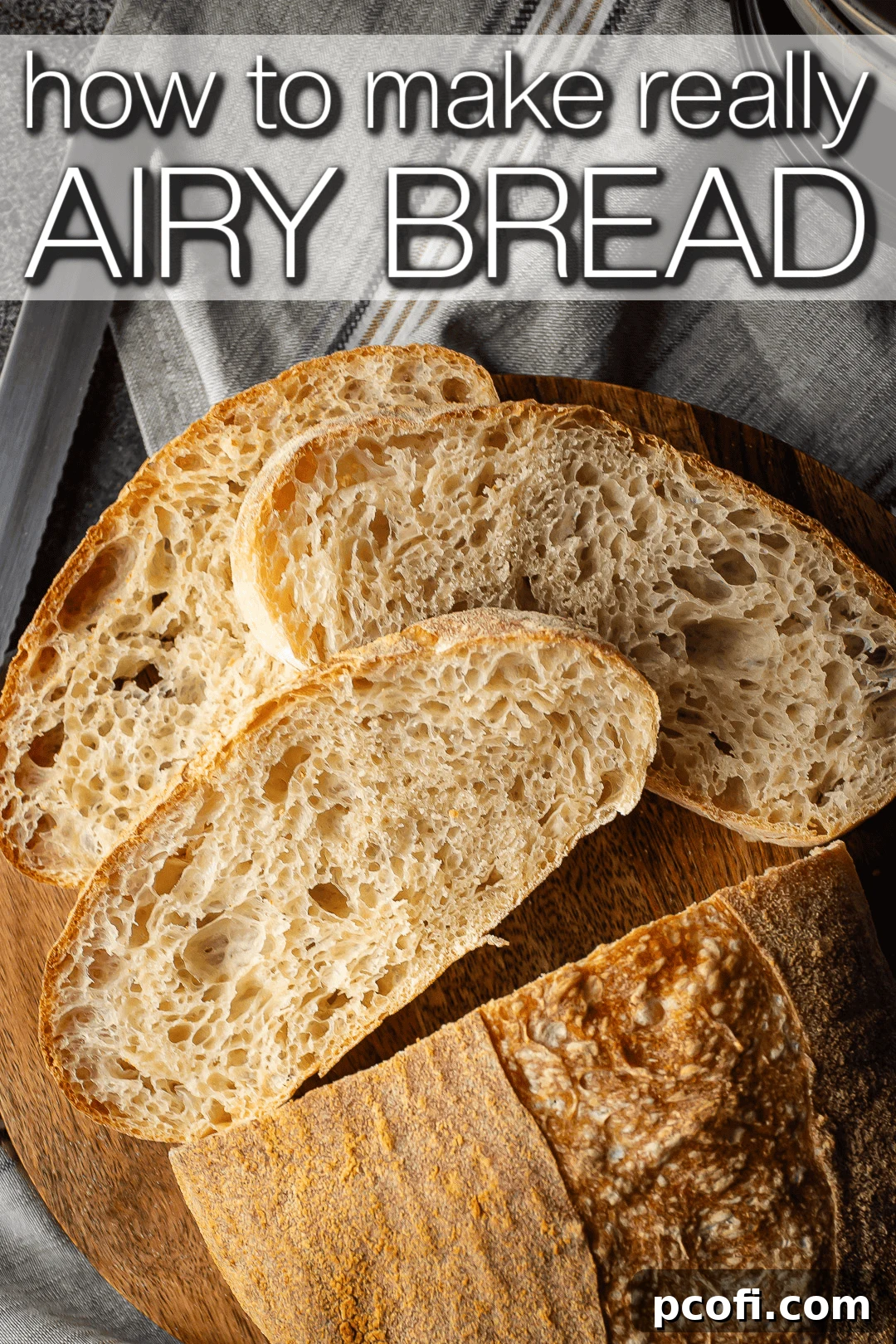
Table of Contents
- What is Pan de Cristal?
- Why This is the Best Pan de Cristal Recipe
- What Does Pan de Cristal Taste Like?
- Ingredients for Perfect Pan de Cristal
- Essential Equipment for Pan de Cristal
- Step-by-Step Guide to Airy Pan de Cristal
- Serving Suggestions for Pan de Cristal
- Expert Baking Tips for Pan de Cristal
- Frequently Asked Questions About Pan de Cristal
- More Delicious Yeast Bread Recipes
Jump to Recipe
What is Pan de Cristal?
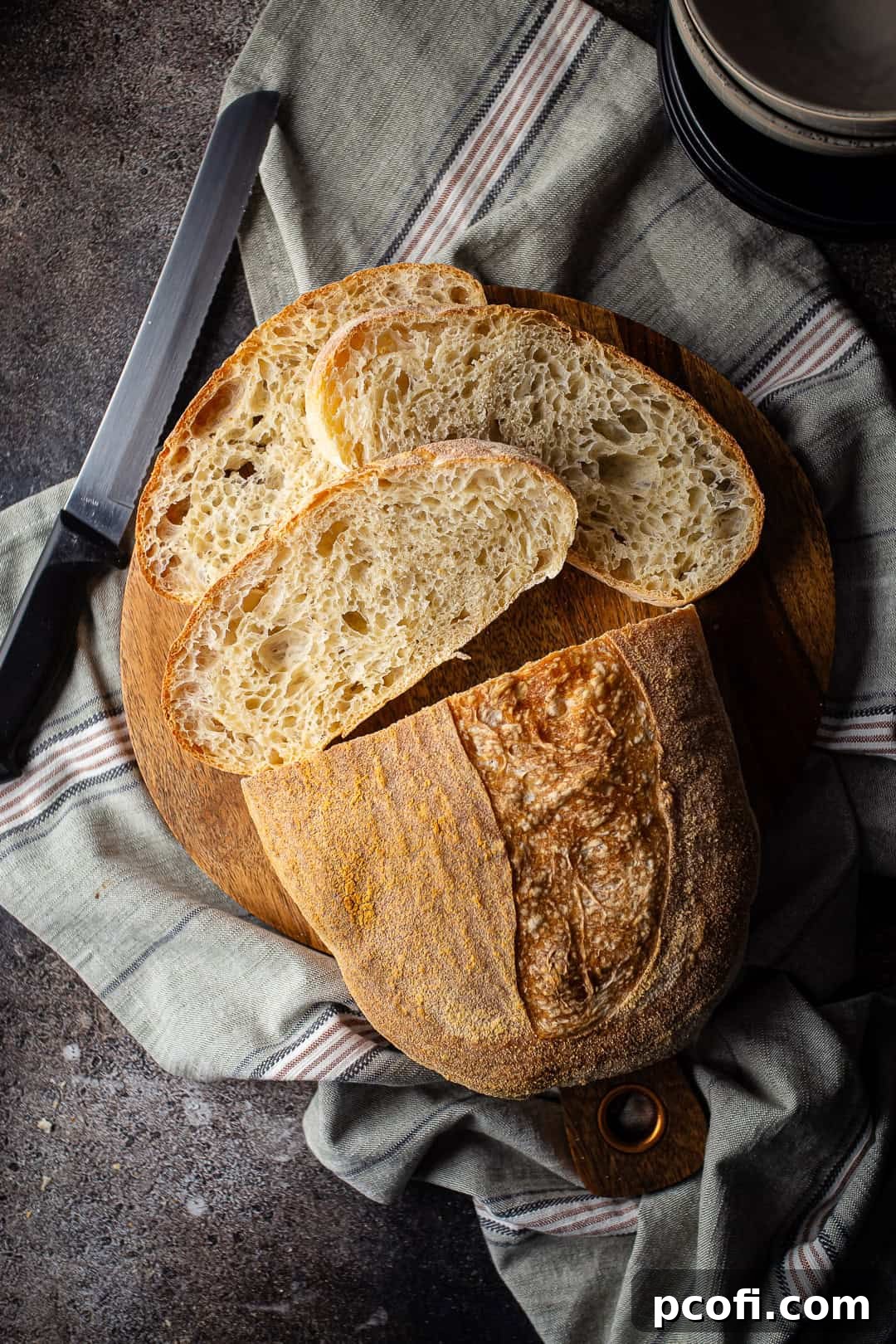
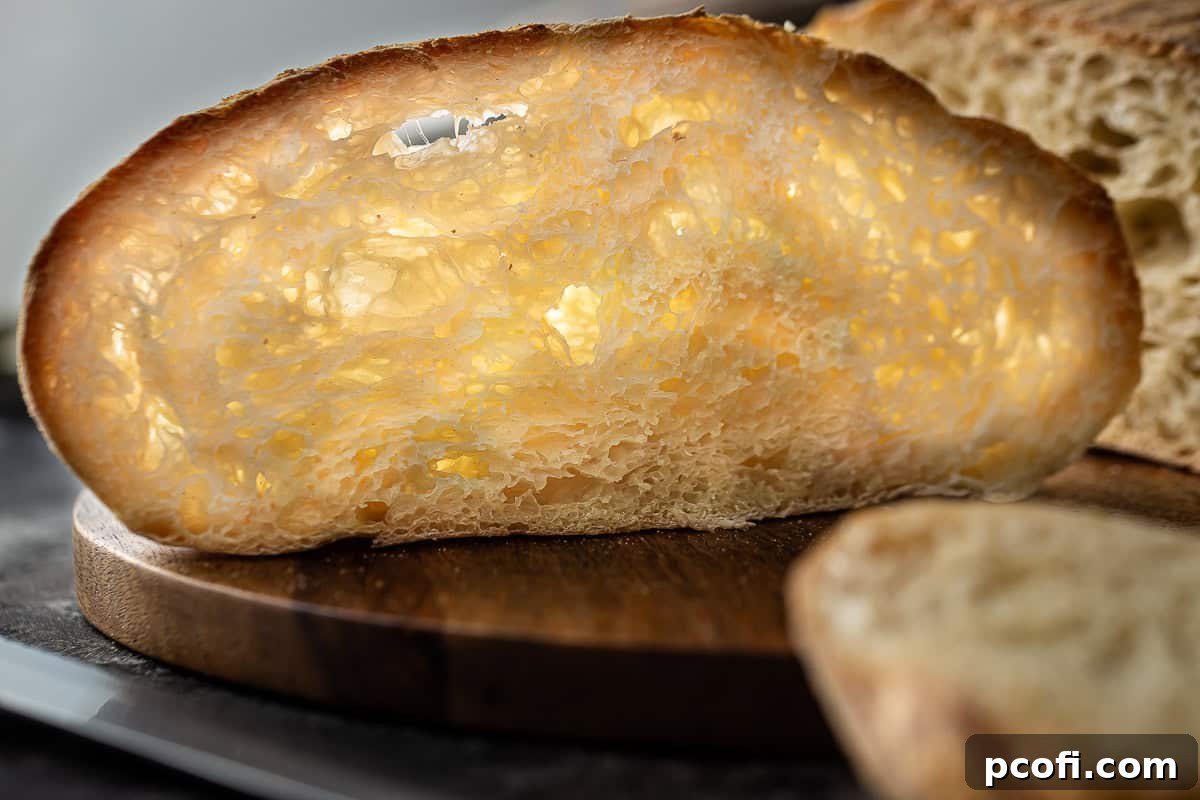
Pan de Cristal, translating literally to “glass bread,” is a celebrated Spanish bread renowned for its incredibly light, almost translucent crumb and an exquisitely thin, crispy crust. Originating from Barcelona, this high-hydration bread has gained international acclaim for its distinctive characteristics. Its name perfectly encapsulates its delicate, airy structure—when sliced, the interior resembles shattered glass, revealing large, irregular air pockets that are the hallmark of perfectly executed Pan de Cristal. This bread offers a delightful contrast in textures: a crackling exterior that gives way to a moist, soft, and impossibly open crumb.
Why This is the Best Pan de Cristal Recipe
- Unforgettable Flavor & Texture: Every bite of this Pan de Cristal is an experience. The crust delivers a satisfying chew and toasted aroma, beautifully contrasting with the moist, almost cloud-like interior. Thanks to a slow fermentation process, it develops a complex, nuanced flavor with just the right touch of salt.
- Minimal Ingredients: You don’t need a pantry full of exotic items to make this showstopper. With just four essential pantry staples—flour, water, yeast, and salt—you can create bakery-quality bread at home.
- Beginner-Friendly with Expert Guidance: Don’t let its sophisticated appearance intimidate you. This recipe breaks down the process into easy-to-follow, step-by-step instructions. Coupled with my expert tips and comprehensive FAQs, you’re set up for success from your very first attempt.
- Baking Bragging Rights: There’s immense satisfaction in conquering a baking challenge, and Pan de Cristal is certainly a bread to be proud of. Sharing a loaf of this beautiful bread with friends and family is a wonderful way to showcase your newfound skills and passion for baking.
What Does Pan de Cristal Taste Like?
The flavor profile of Pan de Cristal is surprisingly complex and deeply satisfying. The deeply browned crust provides a rich, almost caramelized taste that complements the subtle tanginess from the yeast fermentation. A perfect balance of salt enhances all these flavors, ensuring that each bite is not only light and airy but also bursting with savory notes. The moist, open crumb melts in your mouth, leaving a lingering, yeasty quality that keeps you reaching for another slice. It’s a bread that truly awakens the palate and stands out from ordinary loaves.
Ingredients for Perfect Pan de Cristal
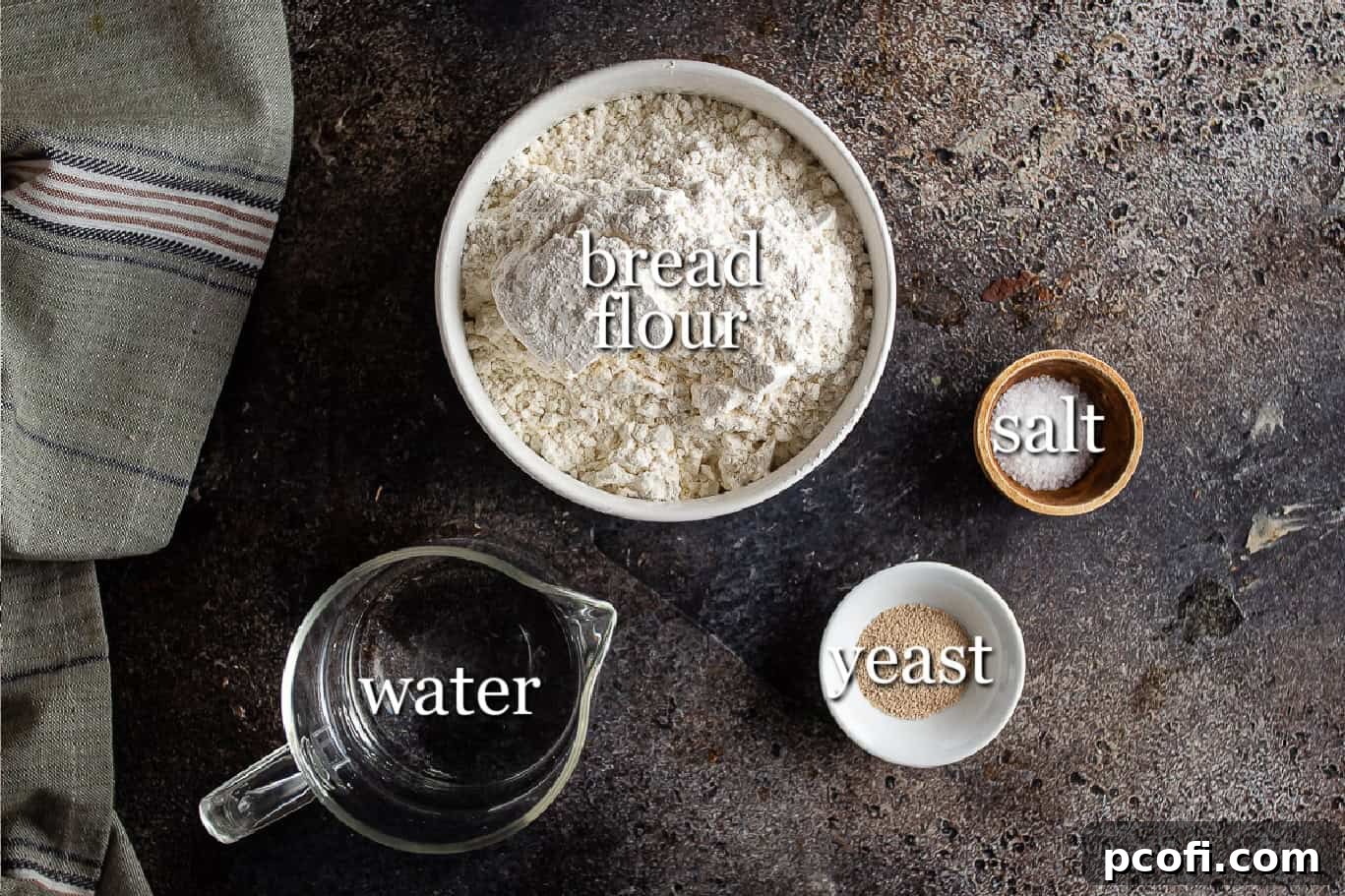
Crafting exceptional Pan de Cristal begins with understanding the role of each simple ingredient:
Flour: For the absolute best results, bread flour is highly recommended. Its higher protein content (typically 12-14%) is crucial for developing strong gluten networks. These robust glutens are what allow the dough to stretch incredibly thin and capture large air bubbles, leading to the signature airy interior of Pan de Cristal. While all-purpose flour might work, it won’t achieve the optimal structure and chewiness that bread flour provides.
Water: Water is not just for dissolving the yeast; it’s a critical component in developing the dough’s structure and achieving high hydration. This recipe calls for a significant amount of water relative to flour, which is key to its airy texture. The water should be tepid or cool, around 70-80°F (21-27°C). Avoid hot water, as it can kill the yeast, and very cold water will significantly slow down the fermentation process.
Yeast: This recipe is specifically formulated for use with active dry yeast. This type of yeast needs to be proofed (dissolved in water) before being mixed with flour, which ensures its activity. While instant yeast or sourdough starter/discard can be used in bread making, they behave differently and may require adjustments in quantities, fermentation times, and techniques. For predictable results, especially if you’re new to Pan de Cristal, sticking to active dry yeast is best.
Salt: Often overlooked, salt plays a vital role beyond just seasoning. It enhances the overall flavor of the bread, adding depth and complexity. Furthermore, salt helps to regulate yeast activity and strengthens the gluten structure, contributing to a better crumb. I prefer kosher salt due to its clean taste and lack of bitter additives like iodine. The amount specified in this recipe is balanced to bring out the best in your loaf, but feel free to adjust slightly to your personal preference.
Essential Equipment for Pan de Cristal
While minimal, having the right tools can make your Pan de Cristal baking experience smoother and more successful:
- Measuring Cups and Spoons: Accurate measurements are fundamental in baking, especially with high-hydration doughs where small changes can significantly impact the outcome.
- Large Mixing Bowl: You’ll need ample space to mix and fold the dough, so a generously sized bowl is essential. A clear glass bowl can be particularly useful for observing the dough’s development.
- Silicone Spatula or Danish Dough Whisk: These tools are excellent for initially mixing the wet, shaggy dough without overworking it and for gently handling the high-hydration dough during folds.
- Additional Water (for hands): Keeping a small bowl of water nearby is crucial. Wetting your hands periodically prevents the extremely sticky dough from adhering, making the folding process much easier and cleaner.
- Additional Flour (for work surface): A light dusting of flour, especially bread flour or rice flour, on your work surface and hands during pre-shaping prevents sticking and helps create surface tension.
- Proofing Basket (Banneton or Brotform): While optional, a proofing basket is highly recommended. It provides crucial support for the slack, high-hydration dough during its long, slow fermentation, helping it hold its shape and encouraging a taller, rounder loaf. If you don’t have one, you can proof the dough in a flour-dusted bowl lined with a floured kitchen towel. Ensure your banneton is well-seasoned with rice flour to prevent sticking—a common pitfall for aspiring bakers.
- Sharp Blade (Lame or Razor): A baker’s lame or a sharp straight razor blade is indispensable for scoring the bread just before baking. This controlled cut allows the dough to expand evenly in the oven, preventing uncontrolled tearing and ensuring a beautiful, professional-looking crust.
- Parchment Paper: Lining your baking sheet with parchment paper is a simple yet effective way to prevent sticking and simplify cleanup. It also makes transferring the delicate loaf to the oven much easier.
- Baking Sheet, Steel, or Stone: A sturdy baking sheet, or ideally a preheated baking steel or stone, provides excellent heat transfer, contributing to a crisper crust and better oven spring. Insulated aluminum half sheets are a good all-around choice.
Step-by-Step Guide to Airy Pan de Cristal
This recipe transforms simple ingredients into an airy marvel through a methodical, 5-step process. For a visual walkthrough, refer to the video tutorial provided in the recipe card below.
Step 1: Make the Dough – The Foundation of Airiness
Begin by placing the bread flour into your large mixing bowl. Create a generous well in the center of the flour. Pour the tepid water into this well, then evenly sprinkle the active dry yeast over the water. Allow the yeast to dissolve and activate for about 5-10 minutes – you should see a slight foam or bubbling, indicating it’s alive and ready to work.
Sprinkle the kosher salt around the outer edge of the bowl, ensuring it doesn’t come into direct contact with the yeast initially, as salt can inhibit yeast activity. Once the yeast has dissolved, use a silicone spatula or your hands to gently stir everything together. At this stage, the dough will be very stiff, dry, and shaggy. Don’t be alarmed; its high hydration will fully develop as it rests and you move through the subsequent folding stages.
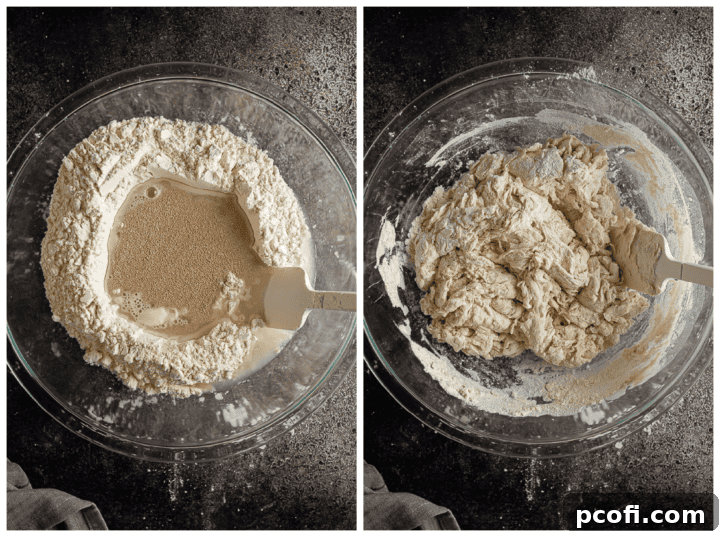
Cover the bowl tightly with plastic wrap to prevent the dough from drying out and allow it to rest at room temperature for 30 minutes. This initial rest, known as autolyse (though with yeast present), allows the flour to fully hydrate, and gluten development to begin passively, making the dough more pliable for subsequent folding.
Step 2: Fold and Rest – Building the Gluten Network
After the first 30-minute rest, the dough will appear more hydrated but will still feel quite stiff. Now, we begin the folding process to strengthen the gluten network.
Perform a “bowl fold”: Using a silicone spatula or clean, slightly damp hands, grab the edge of the dough furthest from you, stretch it upwards, and fold it back over onto itself into the center of the bowl. Rotate the bowl a quarter turn and repeat this motion. Continue rotating and folding until you’ve worked your way around the entire perimeter, completing 2 to 3 folds. This gentle stretching and folding helps align the gluten strands without kneading. Cover the bowl again with plastic wrap, mark the plastic to keep track of your folds, and let the dough rest for another 30 minutes at room temperature.
Next, we switch to a “lateral fold” (also known as a stretch and fold). Thoroughly wet your hands to prevent sticking. Grab the front edge of the dough (furthest away from you), gently lift it, stretching it as far as it can go without tearing, then fold it back towards you and onto itself. Repeat this motion from the left side, then the bottom, and finally the right side, completing 2 to 3 stretches and folds in each direction. This process further develops the gluten, creating elasticity and strength crucial for holding those large air pockets.
Cover, mark your progress, and rest for 30 minutes at room temperature. You will continue this cycle of lateral folding, covering, and resting for 30 minutes over the next 4 hours. In total, you should aim for 1 bowl fold followed by 7 lateral folds. Each fold builds strength, and each rest allows the gluten to relax, making it easier to handle the dough in the next round.
Step 3: Pre-shape – Preparing for the Final Form
After the 8th and final fold and rest, your dough should be noticeably more elastic, cohesive, and filled with tiny bubbles. Generously flour your work surface and hands with bread flour (or rice flour if you have it). Carefully tip the dough out of the bowl onto the floured surface.
Using several gentle, sweeping motions with your hands, repeatedly tuck the edges of the dough underneath itself. Imagine trying to create a taut, smooth surface on top of the dough ball while gathering the edges neatly underneath. This pre-shaping step is vital for creating surface tension, which will help the loaf hold its shape during the final proof and baking. Don’t overwork the dough; gentle handling is key to preserving the air bubbles you’ve developed. Cover the pre-shaped dough with a light kitchen towel to allow some airflow and let it rest for 30 minutes at room temperature. This brief rest helps the dough relax after handling, making it easier to shape in the next step.
Step 4: Shape and Chill – The Slow Fermentation for Flavor
Now it’s time for the final shaping before the long, cold proof. Grab your well-seasoned proofing basket (banneton). If you’re using a floured towel in a bowl, ensure it’s well-dusted with rice flour to prevent sticking. Gently pick up your pre-shaped dough and carefully place it into the proofing basket, smooth side down. Lightly pinch any visible seam along the top surface (which will be the bottom of your baked loaf). This helps to create a strong structure.
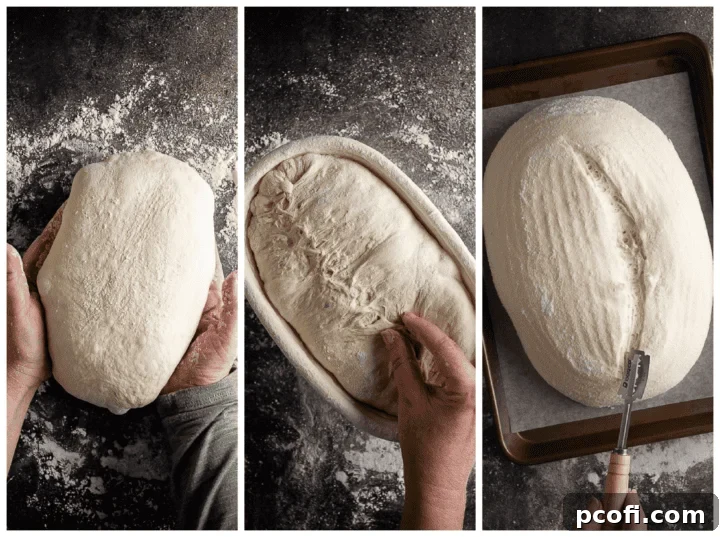
Cover the proofing basket with a clean kitchen towel and place it in the refrigerator. Allow it to chill for a minimum of 16 hours. This extended cold fermentation, also known as “retarding,” is a game-changer for Pan de Cristal. It not only firms up the dough, making it easier to handle and score, but also significantly slows down yeast activity. This prolonged, cool environment allows complex flavors to develop, resulting in a bread with much greater depth and a slightly tangy character that cannot be achieved with a quick proof.
Step 5: Score and Bake – The Grand Finale
When you’re ready to bake, place a large, oven-safe metal dish of water (e.g., a cast iron pan or a broiler pan) on the bottom rack of your oven. Preheat your oven to a high temperature, around 475°F (245°C), ensuring it’s fully preheated for at least 30 minutes with the water dish inside to create a steamy environment.
Carefully invert the proofing basket onto a parchment-lined baking sheet. The dough should release easily if your basket was well-seasoned. Hold a sharp razor blade or baker’s lame at a 30- to 45-degree angle to the top surface of the unbaked loaf. With a swift, confident motion, slice a deep slash (about ½ to ¾ inch deep) into the top of the loaf. This score is critical; it directs the steam and gases within the dough, allowing it to expand gracefully during baking (known as “oven spring”) without developing unsightly, uncontrolled cracks.
Carefully slide your parchment-lined baking sheet with the scored loaf into the preheated oven. Bake for approximately 30-40 minutes, or until the bread is deeply browned, wonderfully crusty, and registers an internal temperature of 190°F (88°C) or higher. The steam from the water dish will help create that coveted thin, crisp crust by keeping the surface moist initially, allowing it to expand before hardening.
Serving Suggestions for Pan de Cristal
Pan de Cristal is incredibly versatile and shines in many culinary contexts, thanks to its delicate texture and flavorful crust. It makes a superb accompaniment to almost any meal. Imagine it alongside a vibrant summer salad, a hearty bowl of soup, or a rich stew. Its open crumb is perfect for soaking up flavorful liquids.
For a simple yet luxurious treat, serve slices slathered with soft, unsalted butter, or drizzled with high-quality olive oil and a sprinkle of flaky sea salt. It’s also exquisite paired with fresh pesto or a spread of homemade hummus.
Beyond main meals, Pan de Cristal transforms into an exceptional breakfast or snack. Try topping it with creamy honey butter, savory pimento cheese, or a dollop of your favorite homemade jam, marmalade, apple butter, or tangy lemon curd. Its lightness makes it a delightful base for both sweet and savory toppings.
Expert Baking Tips for Pan de Cristal
Mastering Pan de Cristal is an achievable goal with these expert insights:
- The Power of Bread Flour: Don’t underestimate the importance of bread flour. Its higher protein content directly translates to stronger gluten, which is essential for capturing and holding the expansive air bubbles characteristic of Pan de Cristal. Investing in good quality bread flour, available at most grocery stores or online, truly makes a difference in the final texture and structure.
- Embrace High Hydration: Pan de Cristal is defined by its high water-to-flour ratio. This generous hydration creates a very wet, loose dough that provides the optimal environment for the formation of those large, irregular air pockets. While challenging to handle initially, it’s key to the bread’s light and airy crumb. The hydration level in this recipe is specifically designed to yield a taller loaf, perfect for slicing into substantial pieces that can hold fillings for sandwiches or be enjoyed on their own.
- Develop Gluten Through Folding: Unlike traditional kneading, which can damage the delicate structure of high-hydration doughs, the gentle folding process is paramount for developing gluten. These stretches and folds elongate the gluten molecules, creating a strong, elastic, web-like network. This structure acts like a balloon, effectively trapping the gases produced by the yeast, leading to Pan de Cristal’s signature open crumb.
- The Magic of Retarding (Cold Fermentation): Chilling the dough overnight in the refrigerator (retarding) serves multiple critical purposes. It firms up the dough, making it significantly easier to handle and score before baking. More importantly, it slows down yeast activity, allowing for a prolonged fermentation. This extended period enables enzymes to break down starches into sugars, developing a much richer, more complex flavor profile that simply can’t be achieved with a quick proof.
- Proofing Basket Essentials: A proofing basket, also known as a banneton or brotform, provides crucial support for the slack, high-hydration dough, preventing it from spreading too much and encouraging a beautiful, taller loaf. If you desire this classic shape, it’s a worthwhile investment, available at specialty shops or online. The most critical tip: ensure your basket is thoroughly seasoned with rice flour to prevent the dough from sticking and collapsing before baking.
- Achieving Surface Tension: During the pre-shaping step, gently tucking the edges of the dough under itself creates surface tension. This tension helps the loaf maintain its structure and prevents it from spreading excessively during baking. If you accidentally tear the surface during handling, don’t worry. Gently knead the dough a few times to redistribute the gluten and start the pre-shaping process again. The video in the recipe card offers a clear demonstration of this technique.
- Steam for a Crackling Crust: For that highly desirable crisp, crackly crust, introduce steam into your oven during the initial phase of baking. Placing a large metal dish of water on the bottom rack of your oven as it preheats will generate steam, which keeps the dough’s surface moist, allowing it to expand fully before the crust sets. This leads to maximum oven spring and a wonderfully delicate, shattery crust.
Frequently Asked Questions About Pan de Cristal
To perfectly synchronize your baking, aim to start making your Pan de Cristal dough in the mid-morning or early afternoon. This timing allows for all the necessary folding and resting cycles, followed by the crucial overnight cold fermentation in the refrigerator. By doing so, your dough will be perfectly proofed and ready to bake the following afternoon or evening, ensuring fresh bread exactly when you want it.
Several factors can contribute to a lack of rise. Firstly, always check the expiration date on your yeast package; yeast is a living organism and loses its potency over time. Stale yeast is a common culprit. Secondly, yeast thrives in a comfortable, warm (but not hot) environment. Ensure your dough rests at an optimal temperature, ideally around 70-75°F (21-24°C). A sunny windowsill or an oven with just the light turned on (to provide a gentle warmth) can create the perfect cozy spot for proofing.
A dense, tight crumb with small, uniform air pockets (instead of large, irregular ones) is typically a sign of improper proofing—either under-proofed or over-proofed dough. If the dough is under-proofed, it hasn’t had enough time for the yeast to produce sufficient gas to create those desired big air bubbles. Conversely, if it’s over-proofed, the gluten structure may have become too weak to hold the gas, causing it to inflate and then collapse. This recipe’s 16-hour slow rise in the fridge is carefully calibrated to achieve perfect proofing; adhering closely to this timing is key for an open crumb.
If the interior of your Pan de Cristal is crumbly rather than moist and soft, it often indicates that the gluten network wasn’t sufficiently developed. Remember, Pan de Cristal relies heavily on strong, elastic gluten to achieve its unique texture. Ensure you are using high-protein bread flour, and do not skip or shorten the folding and resting cycles. These steps are designed to build and strengthen the gluten effectively.
It’s important to distinguish between the crust and the crumb. The exterior crust of Pan de Cristal *should* be very dry, crisp, and delightfully crumbly—that’s part of its charm and defining characteristic. However, if the interior crumb is dry and crumbly, it’s likely a sign of overbaking. To ensure your bread is perfectly cooked without drying out, aim for an internal temperature of 190°F (88°C) when measured with an instant-read thermometer.
This is a common and incredibly frustrating problem! While I initially resisted, I can confidently say that rice flour is your best friend for seasoning proofing baskets. It creates a non-stick barrier that all-purpose flour simply can’t match. To season your brotform: wet it thoroughly under the faucet, then generously sprinkle it with rice flour. Allow it to air dry for 2-3 hours, then repeat this process a few times until a thin, dry coating forms. You can also sprinkle the top of your pre-shaped loaf with rice flour, or a 1:1 mixture of rice flour and bread flour, if you desire the beautiful white lines often seen on artisan bread crusts. You only need to wash and re-season your banneton occasionally; for most uses, a brisk brushing to remove excess residue is sufficient.
To preserve its delicate crust, slip your leftover Pan de Cristal into a paper bag. It will maintain its best quality at room temperature for about one day. For longer storage, stash it in the refrigerator, where it should remain fresh for up to a week. For even longer preservation, slice the bread and freeze individual portions in a zip-top freezer bag. Frozen Pan de Cristal will last for one to two months and can be thawed at room temperature or gently reheated in the oven to revive its crust.
This recipe yields one generous loaf of Pan de Cristal, which can typically be sliced into about 8 thick, 1-inch slabs. The nutritional information provided below is calculated for one slice, representing 1/8th of the entire loaf. Please note that this calculation does not include any of the suggested toppings or accompaniments.
More Delicious Yeast Bread Recipes
If you loved baking this Pan de Cristal, be sure to explore more of our top yeast bread recipes:
- English Muffins
- Pita Bread
- Rye Bread
- Garlic Knots
As an Amazon Associate, I earn from qualifying purchases.
Pan de Cristal Recipe
Servings: 8 slices
Prep Time: 45 mins
Cook Time: 30 mins
Resting Time: 20 hrs
Total Time: 21 hrs 15 mins
Want to know how to make really airy, bubbly bread with a toasty, chewy crust? This pan de cristal bread recipe is for you!
Leave a Review
Save Recipe
Ingredients
- 3 1/2 cups (437.5 g) bread flour
- 1 1/2 cups (354.88 g) water, tepid
- 3/4 teaspoons (2.33 g) active dry yeast
- 1 1/2 teaspoons (9 g) kosher salt
Instructions
- Place the flour in a large mixing bowl and make a well in the center.
- Pour the tepid water into the well and sprinkle the yeast on top.
- When the yeast has dissolved, sprinkle the salt around the edge of the bowl (away from the yeast) and stir everything together until you have a very dry, shaggy dough.
- Cover the bowl with plastic wrap and allow the dough to rest and hydrate for 30 minutes at room temperature.
- Bowl fold: Draw the sides of the dough up and fold them into the center of the dough, moving in 360 degrees all the way around the bowl. Do this 2 to 3 times, which counts as 1 bowl fold.
- Cover the bowl with plastic wrap, mark it to remind yourself where you’re at in the folding process, and rest for 30 minutes at room temperature.
- Lateral fold: Wet your hands thoroughly and grab the dough from the edge furthest away from you. Lift and stretch it, then fold it towards you, over onto itself. Then repeat this motion from left to right, bottom to top, and right to left. Do this 2 to 3 times, which counts as 1 lateral fold.
- Cover the bowl with plastic wrap, mark it to remind yourself where you’re at in the folding process, and rest for 30 minutes at room temperature.
- Repeat steps 7 and 8 every 30 minutes over the course of 4 hours. (You should complete 1 bowl fold and 7 lateral folds total.)
- Preshaping the loaf: Turn the dough out onto a generously floured surface and draw the sides underneath the dough ball in a sweeping, tucking motion, creating some gentle tension on the top surface of the dough.
- Cover the dough with a towel and allow it to rest at room temperature for 30 minutes.
- Place the dough (smooth side down) in a well-seasoned proofing basket, pinching a seam along the top.
- Cover with a towel and place in the refrigerator for 16 hours.
- Place a large dish of water on the bottom rack of the oven and preheat to 475 degrees F.
- Gently invert the unbaked loaf onto a parchment-lined baking sheet, removing it from the basket, and score it with a razor or lame.
- Bake the loaf until puffy, browned, and crusty. It should register an internal temperature of 190 degrees F (approx. 30 to 40 minutes).
Nutrition Facts: Serving: 1 slice, Calories: 198kcal, Carbohydrates: 40g, Protein: 7g, Fat: 1g, Saturated Fat: 0.1g, Polyunsaturated Fat: 0.4g, Monounsaturated Fat: 0.1g, Sodium: 439mg, Potassium: 58mg, Fiber: 1g, Sugar: 0.2g, Vitamin A: 1IU, Vitamin C: 0.001mg, Calcium: 10mg, Iron: 1mg
Cuisine: Spanish
Course: Appetizer, Side Dish, Snack
Tried this recipe? Mention @bakingamoment on Instagram or tag #bakingamoment.