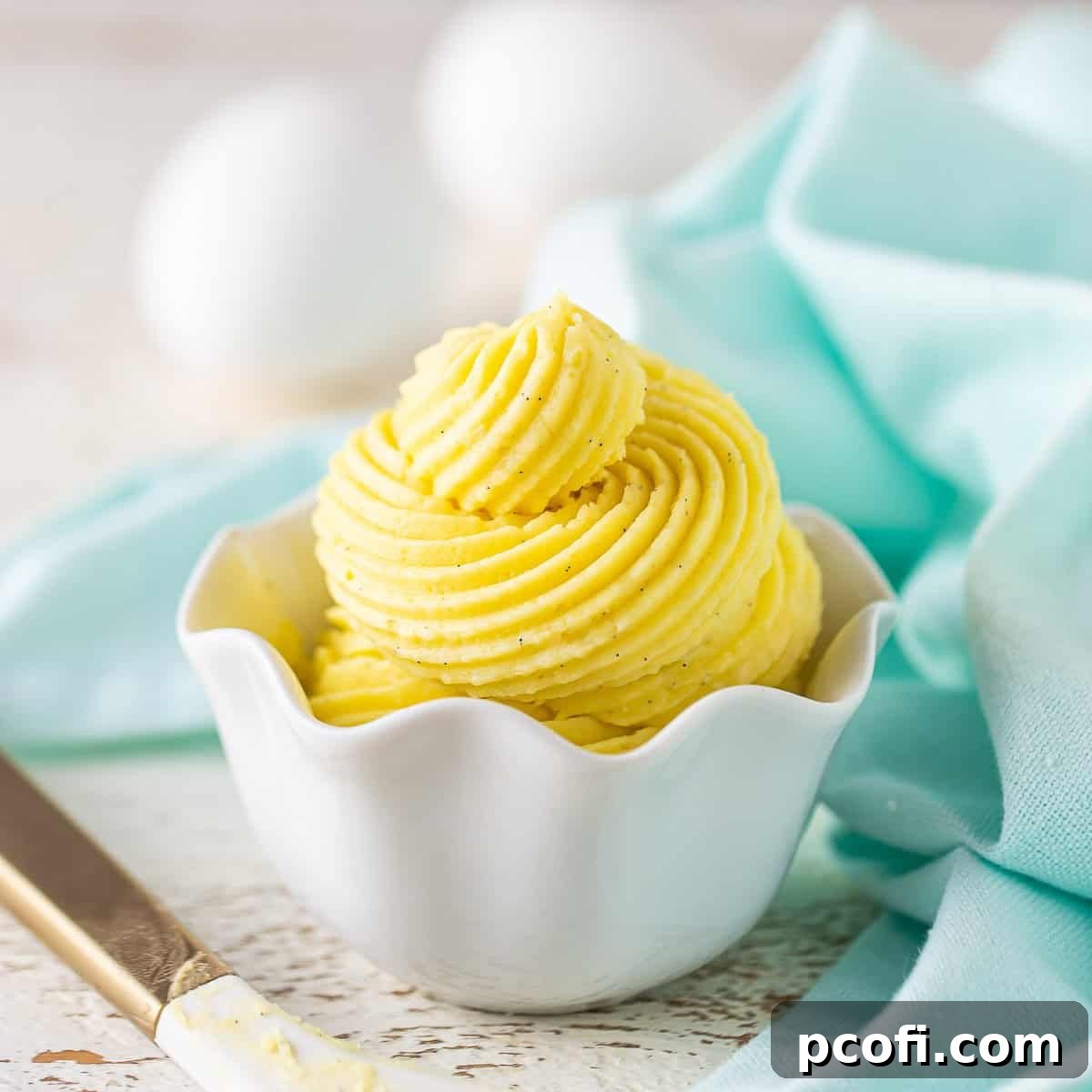
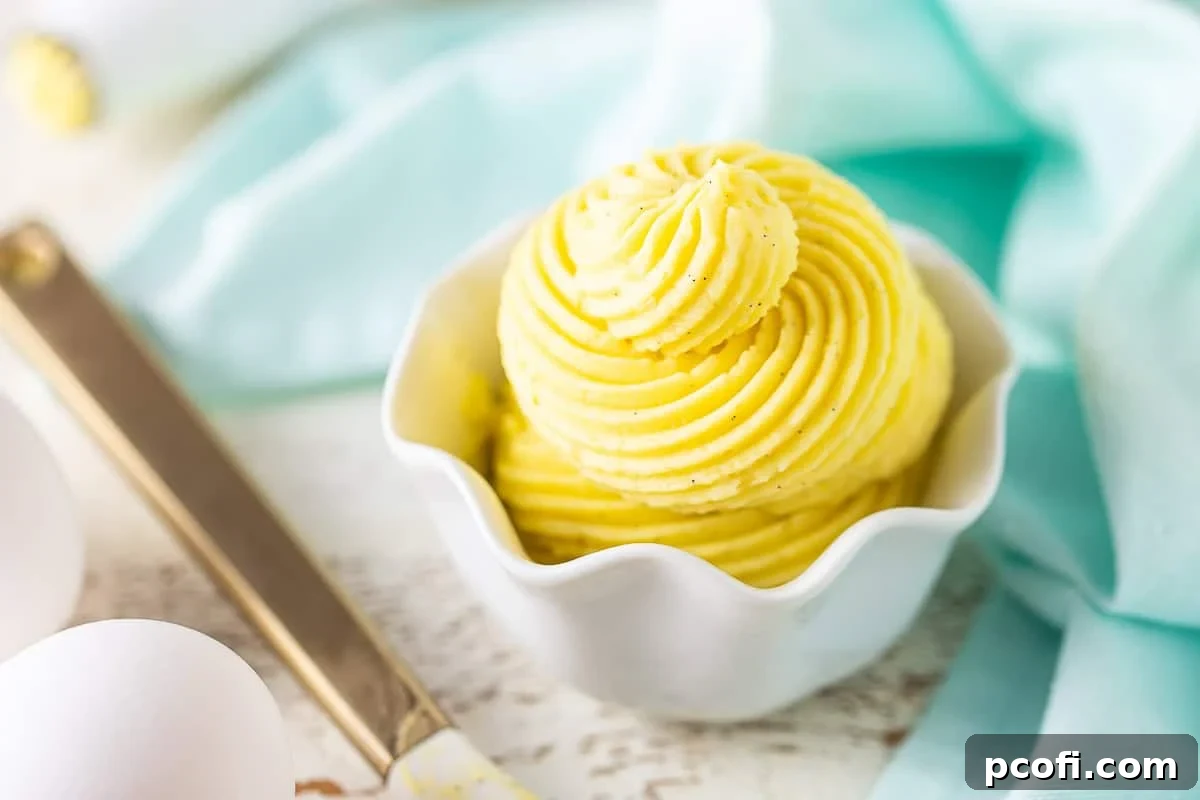
German Buttercream (also known as Crème Mousseline) is a lusciously smooth, silky blend of rich pastry cream and airy whipped butter. This exquisite frosting offers a deep vanilla flavor and remarkable stability, making it ideal for a variety of desserts.
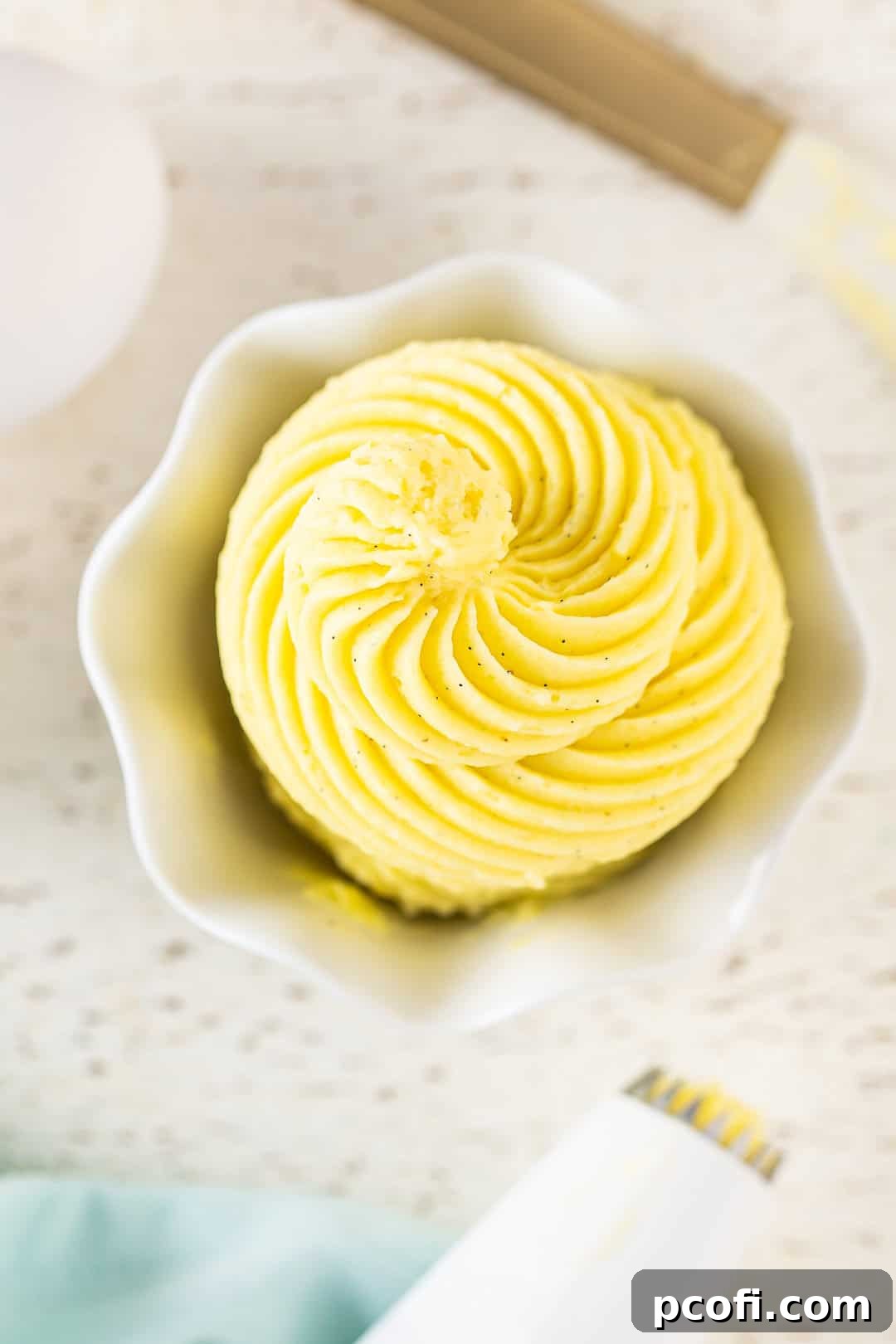
Table of Contents
- What is German Buttercream?
- Why This German Buttercream Recipe Will Become Your Favorite
- Essential Ingredients for Perfect German Buttercream
- Step-by-Step: How to Make German Buttercream
- Expert Tips and Tricks for Success
- Delicious Flavor Variations
- Storage and Make-Ahead Suggestions
- Common Problems and How to Fix Them
- More Delightful Dessert Recipes
Discover the delightful secret to impeccably smooth and stable dessert finishes with this incredible German buttercream recipe. Infused with a rich, natural vanilla fragrance, this buttercream boasts a luxurious, thick texture that is wonderfully less sweet than many other frostings. Its gorgeous, melt-in-your-mouth silkiness is simply irresistible! Made by combining a classic pastry cream base with light, airy whipped butter, this frosting maintains its perfect firmness and stability even at room temperature. It’s an incredibly versatile creation, ideal for elegantly filling cake layers, piping onto cupcakes, or adding a creamy dream to your homemade cream puffs and eclairs. Prepare to fall in love with its exquisite taste and texture!
What is German Buttercream?
German buttercream, often referred to as Crème Mousseline, stands apart from its American, Swiss, or French counterparts due to its unique preparation method and resulting texture. Unlike buttercreams that start with meringue or powdered sugar, German buttercream begins with a velvety smooth pastry cream (crème pâtissière). This custard base is then fully chilled before being gradually incorporated into light and fluffy whipped butter. The result is a decadently rich, yet remarkably light and less sweet frosting that is incredibly stable. Its smooth consistency and pronounced vanilla flavor make it a favorite among pastry chefs and home bakers alike for a wide array of confectionery delights. It’s truly a sophisticated choice for those seeking a stable and flavorful dessert topping.
Why This German Buttercream Recipe Will Become Your Favorite
- Unmatched Silky Smoothness: Experience a truly satiny texture that melts effortlessly on your tongue, completely free of any grittiness. The secret lies in the carefully prepared pastry cream base.
- Perfectly Balanced Sweetness: Enjoy a rich flavor without being overwhelmed by sugar. This buttercream is notably less sweet than many traditional frosting recipes, allowing the vanilla and butter notes to shine through beautifully.
- Rich and Aromatic Flavor: Indulge in the luxurious taste of egg and butter, generously perfumed with an authentic vanilla aroma. Using a whole vanilla bean elevates the flavor profile to gourmet levels.
- Exceptional Stability: Designed to hold its shape beautifully, this buttercream is very firm and stable at room temperature. This makes it a fantastic choice for decorating cakes and pastries, especially in warmer environments where other frostings might falter.
- Incredibly Versatile: From elegant cake fillings to decorative frostings, this German buttercream can be used in countless ways. Pipe intricate designs, fill delicate pastries, or spread it generously between cake layers for a truly professional finish.
- Delightfully Light Texture: Despite its richness, the whipping of the butter and gradual addition of chilled pastry cream creates an airy, cloud-like consistency that’s far from heavy.
Essential Ingredients for Perfect German Buttercream
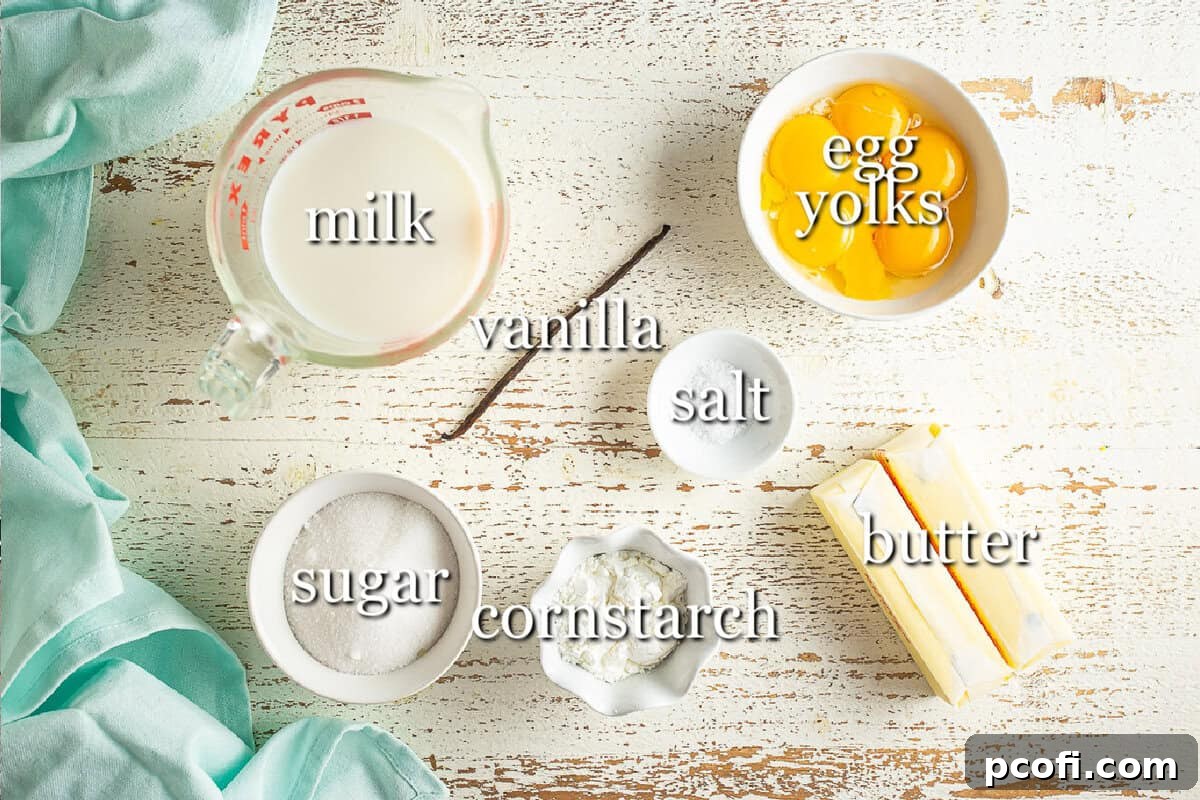
Creating this exquisite German buttercream requires a few simple, high-quality ingredients, each playing a crucial role in achieving its signature texture and flavor.
- Milk: The foundation of our pastry cream. You can use any type of milk you typically have on hand, whether it’s whole dairy milk for extra richness, or even a plant-based alternative like almond or soy milk for a dairy-free option. The fat content can influence the creaminess, but most varieties will work well.
- Vanilla: This is where the magic happens for flavor! For the most authentic and intense vanilla notes, I recommend using a whole vanilla bean, split lengthwise and scraped to release its aromatic seeds. If a vanilla bean isn’t available, high-quality vanilla bean paste or pure vanilla extract can be used in a pinch, though the depth of flavor might vary slightly.
- Granulated Sugar: Essential for both the pastry cream and the whipped butter. In the pastry cream, it provides sweetness and contributes to the smooth texture. When whipped with butter, it helps to create an airy, light consistency, ensuring the final buttercream isn’t overly dense.
- Cornstarch: This acts as the primary thickening agent for the pastry cream. It’s crucial for achieving the firm, stable base that gives German buttercream its structural integrity, allowing it to hold up well at room temperature.
- Salt: A small but mighty ingredient, salt doesn’t just add flavor; it balances and intensifies all the other sweet and rich flavors in the buttercream, preventing it from tasting flat.
- Egg Yolks: These are paramount for enriching the pastry cream. Egg yolks contribute to an unmistakable richness, a beautiful golden hue, and additional thickening power, making the custard base luxuriously smooth and flavorful.
- Unsalted Butter: The other half of this dynamic duo. Using unsalted butter allows you to control the overall saltiness of the buttercream. It should be softened to room temperature for optimal whipping. Whipped with a little sugar, it incorporates air, giving this German buttercream its airy lightness and creamy finish.
Step-by-Step: How to Make German Buttercream
Follow these detailed steps to create a flawless batch of German buttercream (Crème Mousseline).
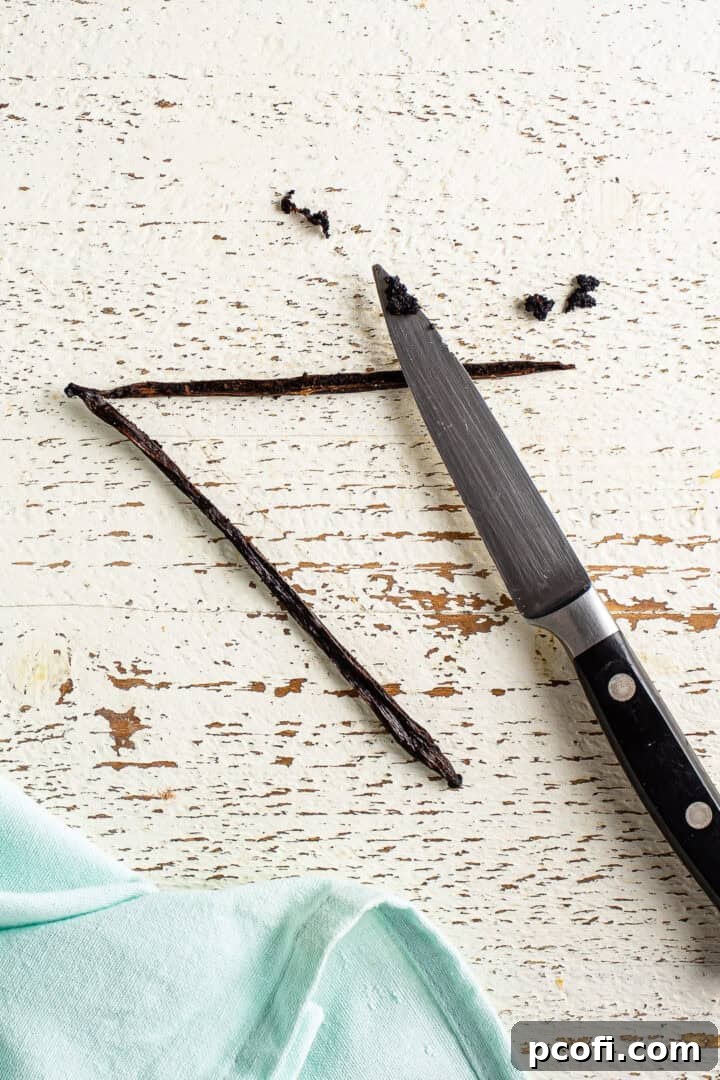
Step 1: Prepare the Vanilla Milk Base. Begin by carefully slicing your vanilla bean lengthwise with a sharp knife. Use the back of the knife or a spoon to scrape out the tiny, fragrant seeds. Place these vanilla seeds, along with the scraped vanilla bean pod, into a small saucepan. Add 1 1/2 cups of milk to the pot. Heat the mixture gently over low heat until it’s steamy and small bubbles begin to form around the edges, but do not allow it to boil. This process infuses the milk with incredible vanilla flavor.
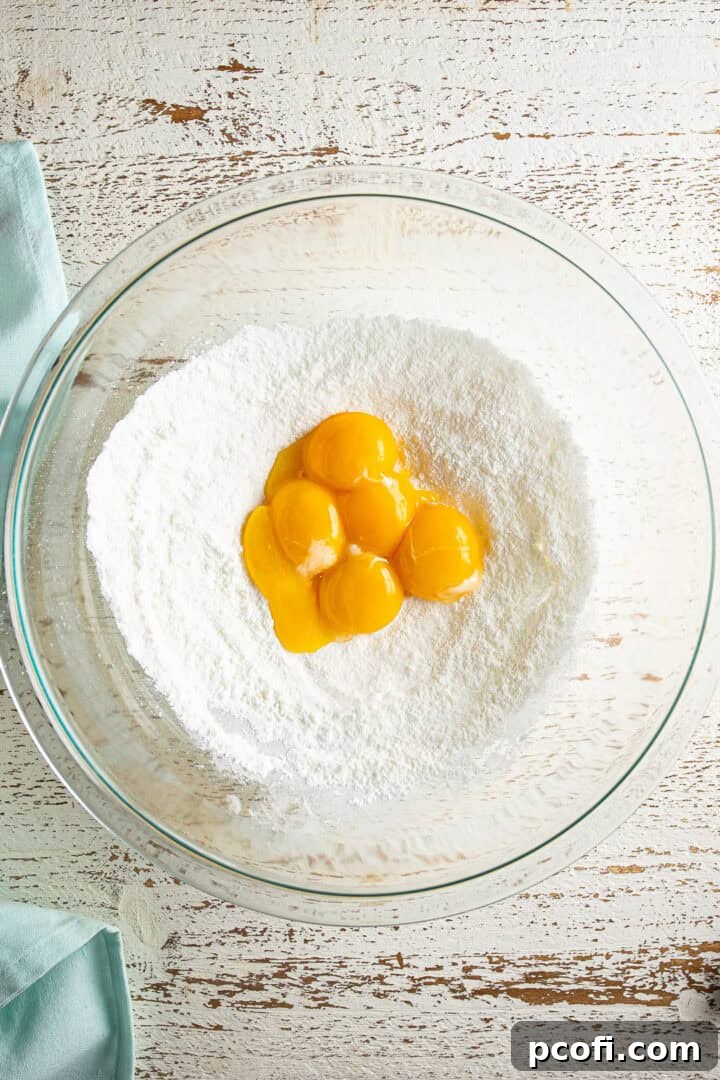
Step 2: Combine Dry Ingredients and Egg Yolks. In a separate large mixing bowl, combine 1/2 cup of granulated sugar, 1/4 cup of cornstarch, and 1/2 teaspoon of kosher salt. Use a whisk to thoroughly combine these dry ingredients, ensuring there are no lumps of cornstarch. Once mixed, add the 6 egg yolks from large eggs into the bowl with the dry mixture.
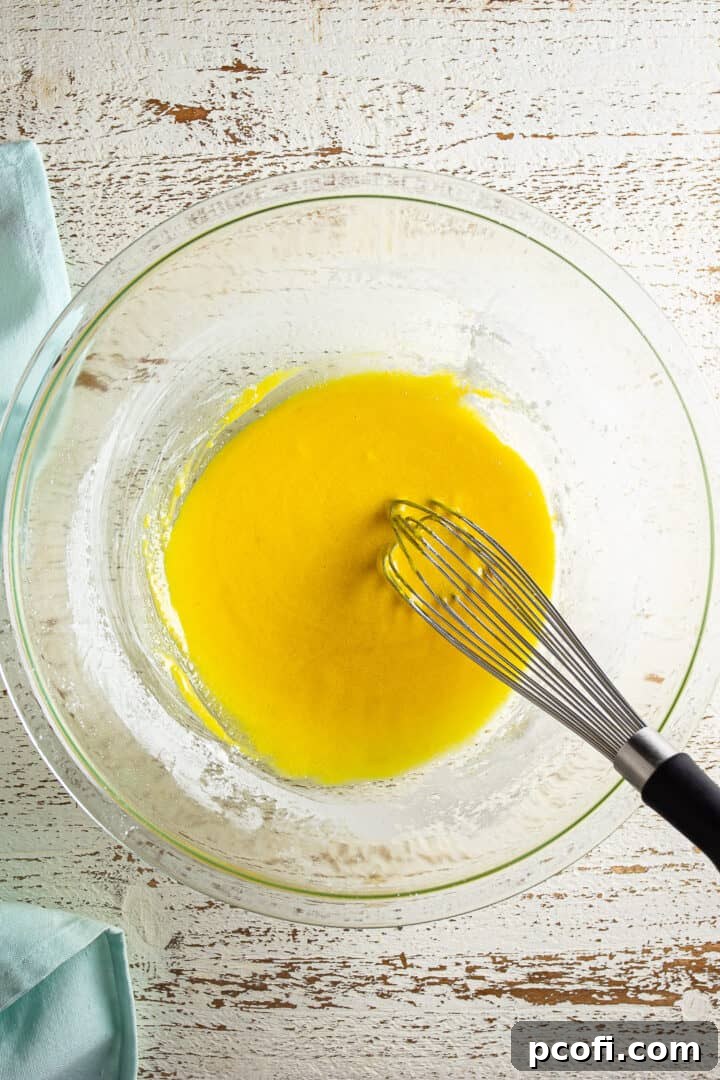
Step 3: Whisk Egg Yolks into Dry Mixture. Vigorously whisk the egg yolks into the dry sugar, cornstarch, and salt mixture. Continue whisking until the mixture becomes completely smooth, pale yellow, and forms a thick, paste-like consistency. This step ensures an even distribution of ingredients and prevents lumps in the final pastry cream.
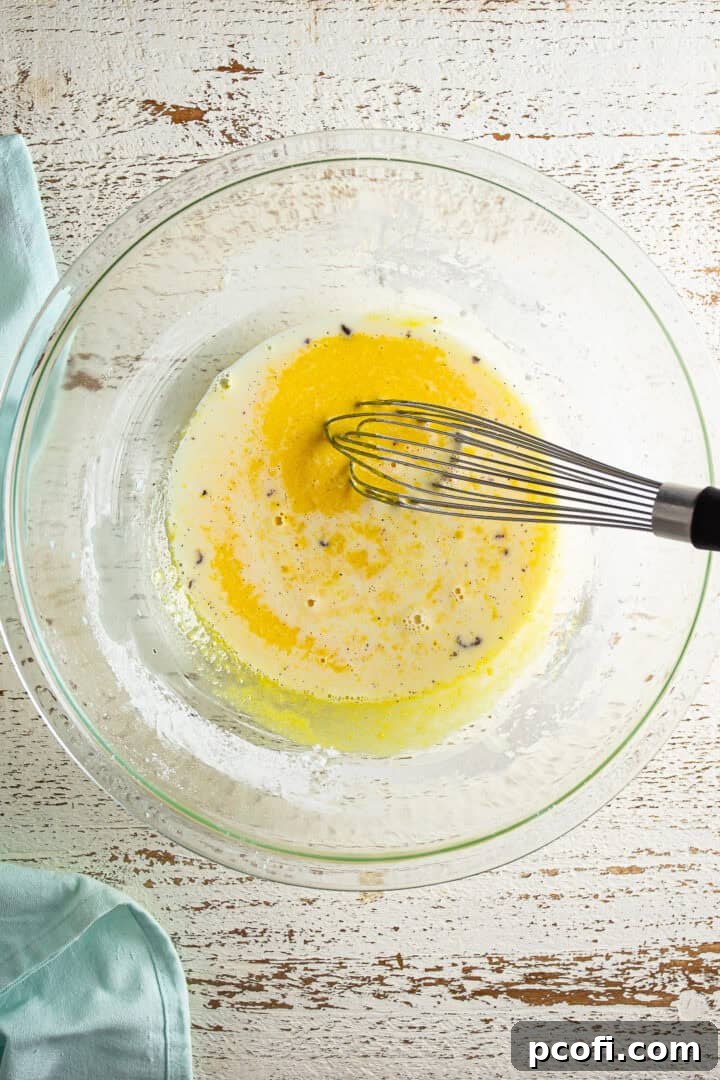
Step 4: Temper the Egg Yolks. Once the vanilla milk is steamy, remove it from the heat. Slowly add a small ladleful of the hot milk to the egg yolk mixture, whisking constantly and gently. This crucial “tempering” step gradually warms the egg yolks, preventing them from scrambling when exposed to higher heat. Continue adding the milk, one ladleful at a time, whisking well after each addition until all the milk has been incorporated and the mixture is warm and smooth.
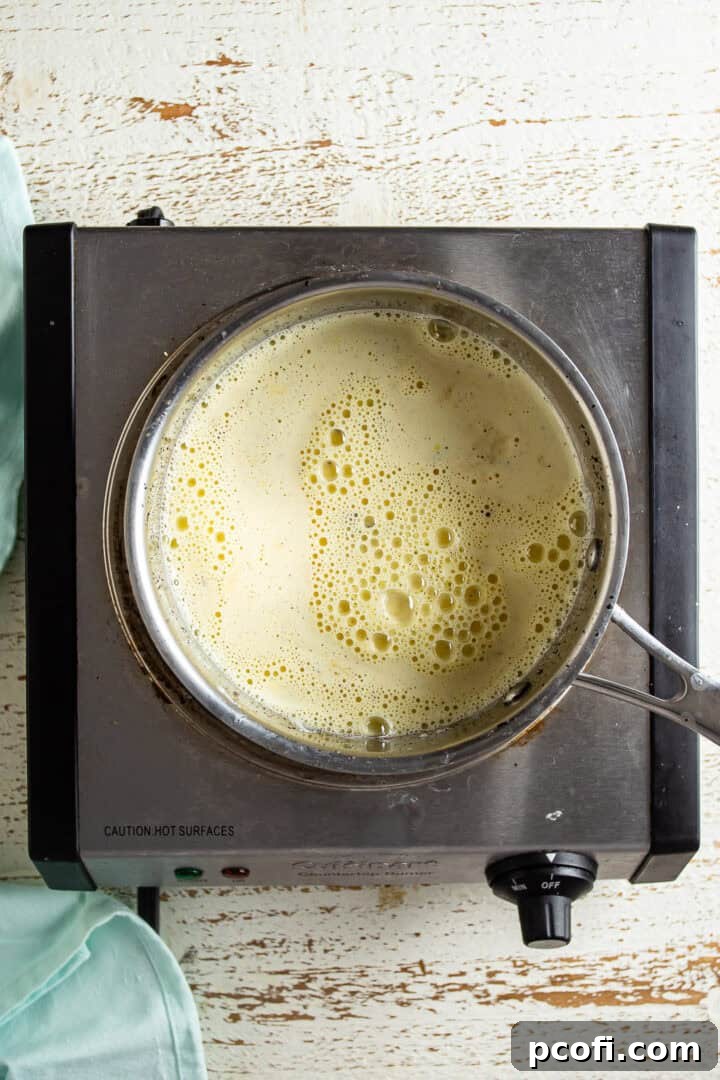
Step 5: Cook the Pastry Cream. Pour the entire warmed egg-milk mixture back into the pot. Cook over medium-low heat, whisking constantly and diligently. This continuous whisking is essential to prevent scorching and ensure a smooth, lump-free pastry cream. Continue cooking until the mixture thickens significantly, resembling a pudding, and reaches a temperature of approximately 180 to 190 degrees Fahrenheit (around 82-88°C).
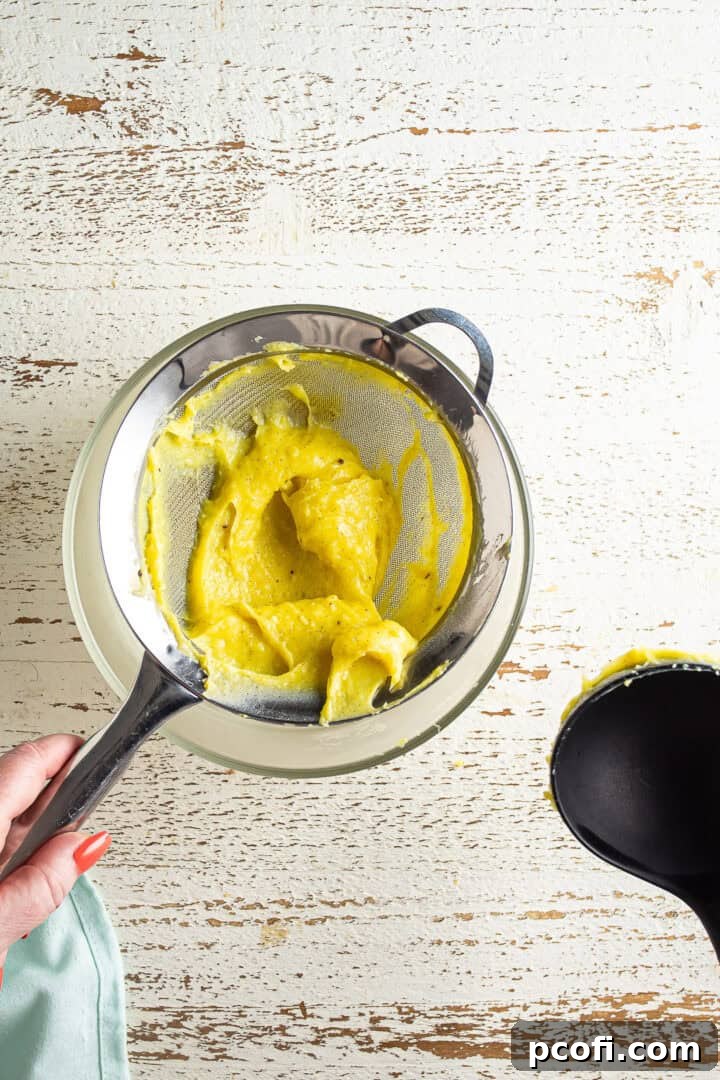
Step 6: Strain the Pastry Cream. Immediately remove the thickened pastry cream from the heat. Strain it through a fine-mesh sieve directly into a clean, heat-safe bowl. Use the back of a ladle or a spatula to gently push the cream through the strainer. This step ensures a perfectly smooth, lump-free pastry cream, catching any small cooked egg bits or vanilla bean remnants.
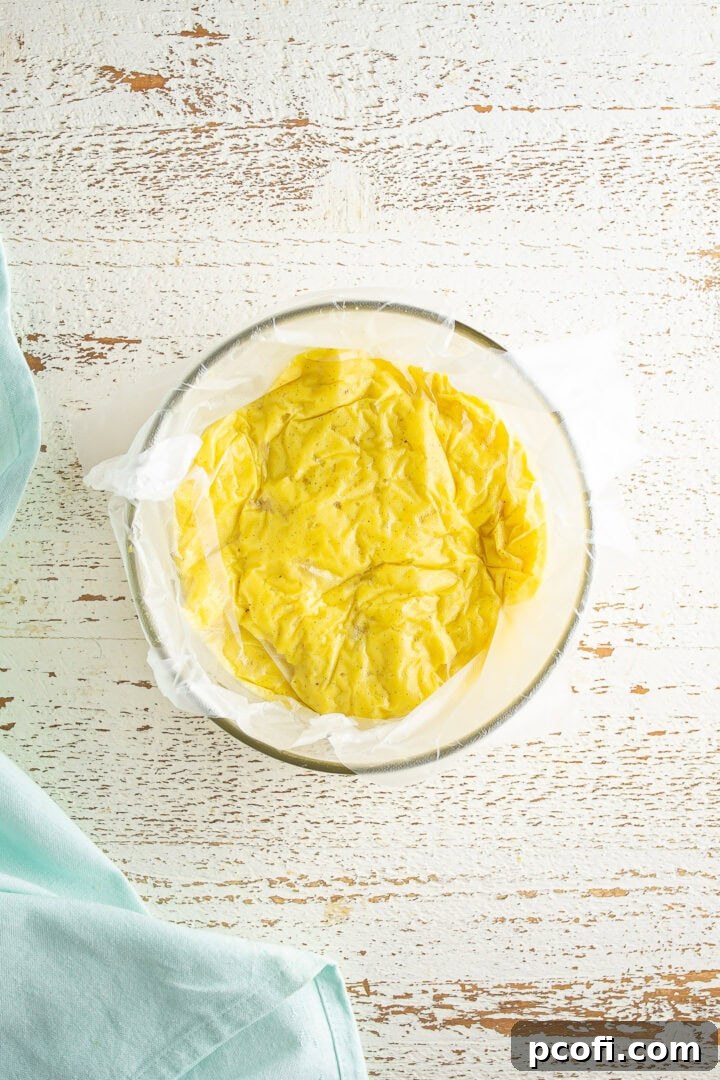
Step 7: Chill the Pastry Cream. To prevent a skin from forming and to cool it quickly, press a piece of plastic wrap directly onto the surface of the hot pastry cream. Ensure there are no air pockets between the wrap and the cream. Transfer the bowl to the refrigerator and chill until it is completely cold and firm, which typically takes at least 2 hours. This chilling is crucial for achieving the correct consistency when mixing with butter.
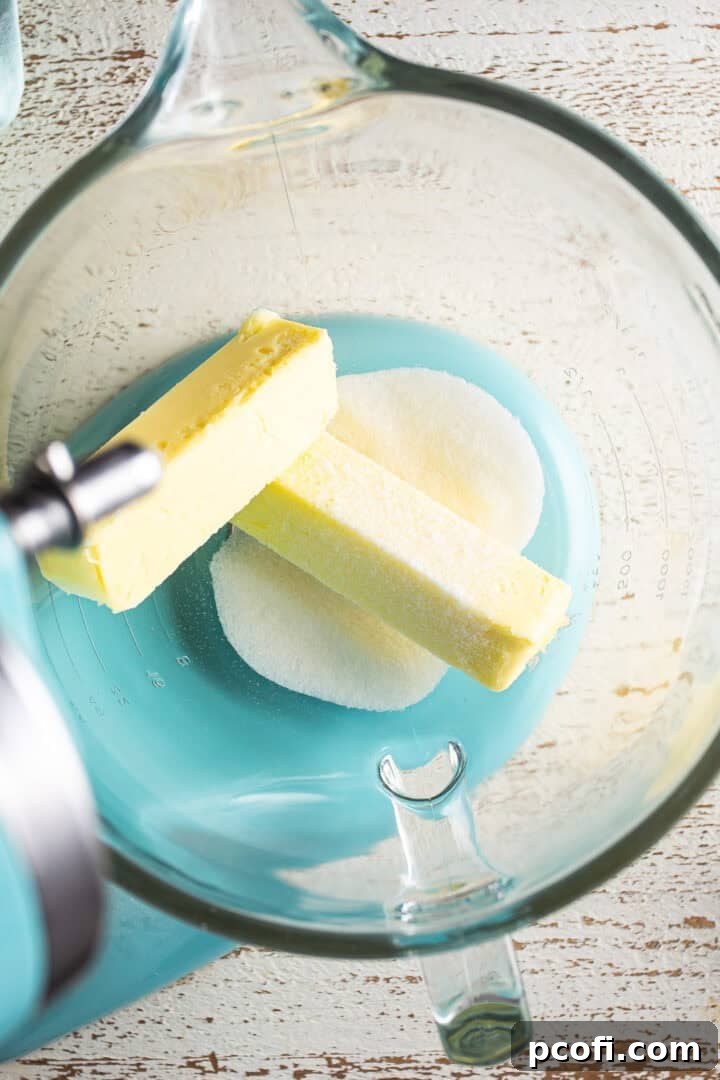
Step 8: Prepare the Butter Mixture. In a large mixing bowl, preferably of a stand mixer fitted with the whisk attachment, place 1 cup of softened unsalted butter and the remaining 3 tablespoons of granulated sugar. Ensure the butter is truly softened to room temperature, as this will significantly impact the final texture of your buttercream.
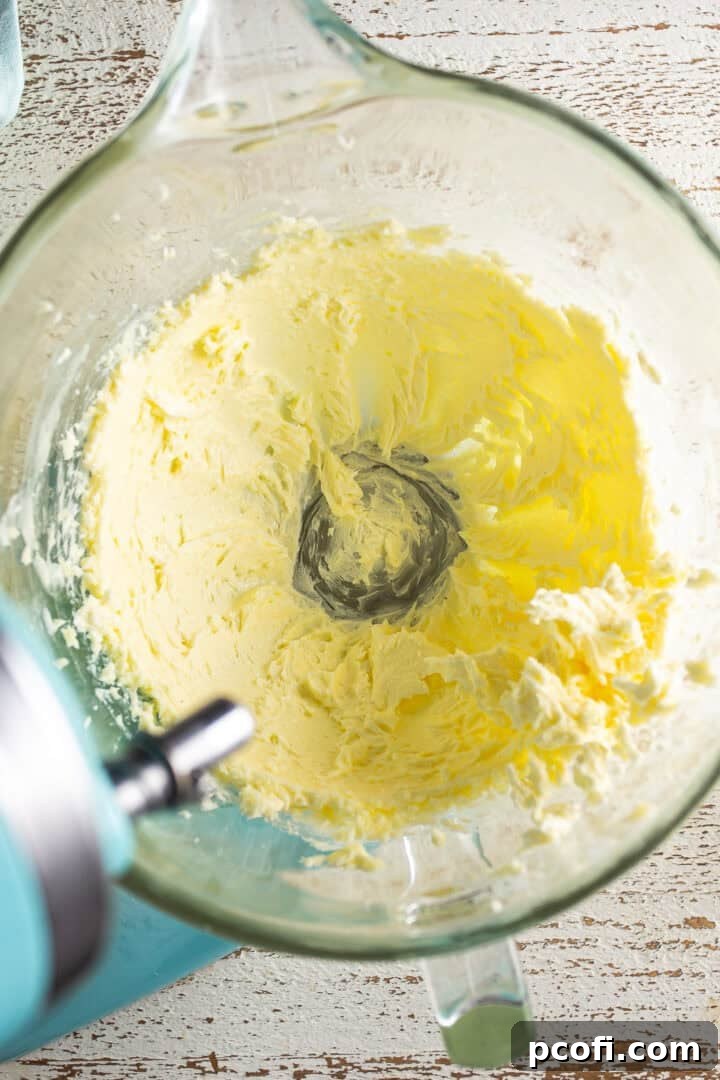
Step 9: Cream Butter and Sugar. Using the whisk attachment, cream the softened butter and sugar together on medium-high speed. Whip for approximately 5 full minutes, or until the mixture becomes very pale in color and incredibly light and fluffy. This aeration step is vital for achieving the airy texture characteristic of German buttercream.
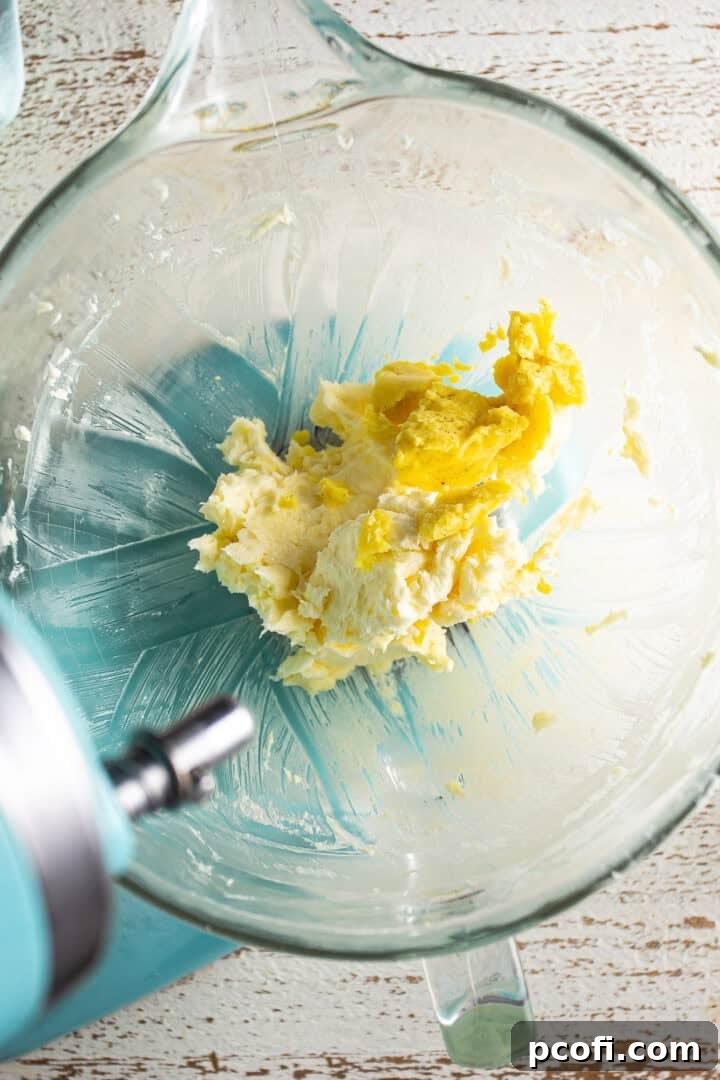
Step 10: Incorporate Pastry Cream. Stop the mixer and use a silicone spatula to scrape down the bottom and sides of the bowl. With the mixer running on medium speed, begin adding the chilled pastry cream to the whipped butter, one spoonful at a time. It’s crucial to add it slowly and gradually, allowing each addition to fully incorporate before adding the next. This prevents the mixture from curdling.
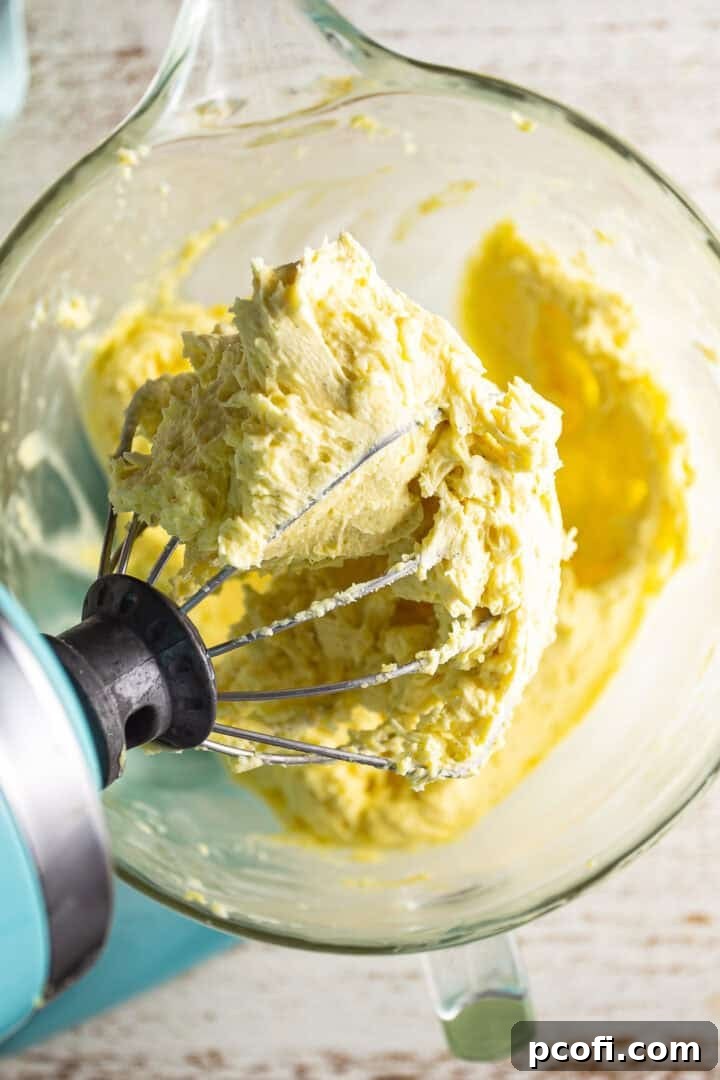
Step 11: Achieve Smoothness and Fluffiness. Once all the pastry cream has been incorporated, increase the mixer speed to medium-high and continue whipping for another 2-3 minutes. This final whip will ensure the buttercream is wonderfully smooth, airy, and fluffy. Your luxurious German buttercream is now ready to use!
Expert Tips and Tricks for Success
Achieving perfect German buttercream is straightforward with these expert tips:
- Gentle Milk Heating: When heating the milk, remember the goal is to infuse it with vanilla, not to boil it. Look for steam rising and small bubbles around the pot’s edge. A rolling boil can scorch the milk and dull the vanilla flavor.
- Mastering Tempering: Tempering the egg yolks is a critical step to prevent scrambling. Always add hot milk to the yolk mixture slowly, a ladleful at a time, while continuously whisking. This gradual temperature increase ensures a smooth custard base.
- Constant Whisking is Key: Once you return the warmed mixture to the pot for cooking, whisk constantly over medium-low heat. This vigilance prevents lumps from forming and ensures even thickening, yielding a perfectly smooth pastry cream. Aim for a pudding-like consistency.
- Don’t Skip Straining: Passing your cooked pastry cream through a fine-mesh strainer is non-negotiable for a truly silky buttercream. It catches any potential lumps or bits of cooked egg, ensuring a flawlessly smooth texture. Use a spatula to press it through.
- Proper Butter Whipping: The lightness of your German buttercream depends heavily on how well you whip the butter. Ensure your unsalted butter is genuinely softened to room temperature. Whip it with the sugar for a full 5 minutes on medium-high speed using a whisk attachment until it is very pale and incredibly fluffy. This step incorporates maximum air.
- Temperature Harmony: Both the chilled pastry cream and the whipped butter should be at a similar, cool room temperature (around 68-70°F or 20-21°C) before combining. If the pastry cream is too cold or the butter is too warm, your buttercream might curdle or become too soft. Remove pastry cream from the fridge about 30 minutes before use if it’s too cold.
- High-Quality Vanilla: Since vanilla is a star flavor here, invest in a good quality vanilla bean, paste, or pure extract. It makes a noticeable difference in the final product.
Delicious Flavor Variations
While classic vanilla German buttercream is a triumph on its own, its versatile base lends itself beautifully to various flavor adaptations. Unleash your creativity with these delightful variations:
- Chocolate German Buttercream: Melt 4-6 ounces of good quality dark or semi-sweet chocolate, allow it to cool slightly, then slowly drizzle it into the finished buttercream as the mixer runs on low speed. Whip until fully incorporated and smooth.
- Coffee German Buttercream: Dissolve 1-2 tablespoons of instant espresso powder or strong coffee powder in a small amount of hot water (about 1 tablespoon) and let it cool. Add this concentrated coffee mixture to the finished buttercream.
- Citrus Zest: For a bright, zesty flavor, finely grate the zest of one lemon, orange, or lime into the pastry cream mixture while it’s still warm, allowing the oils to infuse. Alternatively, you can fold it into the finished buttercream.
- Nut Buttercream: Incorporate 2-3 tablespoons of a smooth nut butter like hazelnut or almond butter into the finished buttercream for a rich, nutty twist.
- Fruit Puree: Reduce 1/2 cup of fruit puree (raspberry, strawberry, mango) over low heat until it’s very thick and concentrated. Chill completely, then fold gently into the finished buttercream for a natural fruit flavor.
- Liqueur Infusion: Add 1-2 tablespoons of your favorite liqueur (e.g., Grand Marnier, Kahlua, rum, amaretto) to the finished buttercream for an adult twist.
Storage and Make-Ahead Suggestions
German buttercream is excellent for making ahead, saving you time when preparing desserts. Store it in an airtight container in the refrigerator for up to 3-4 days. When you’re ready to use it, allow the buttercream to come back to room temperature (this can take several hours). Once at room temperature, re-whip it in a stand mixer with the whisk attachment on medium-high speed for a few minutes until it is light, fluffy, and smooth again. This re-whipping process brings back its ideal texture for piping and spreading. You can also freeze German buttercream for up to 1 month. Thaw it in the refrigerator overnight, then bring it to room temperature and re-whip as described.
Common Problems and How to Fix Them
While German buttercream is rewarding to make, a few common issues can arise. Here’s how to troubleshoot them:
- Lumpy Pastry Cream: If your pastry cream is lumpy after cooking, it likely wasn’t whisked constantly enough or cooked too fast. The straining step (Step 6) is your best defense against this, but if it’s still lumpy after straining, try passing it through a fine mesh sieve again, perhaps with the help of a spatula to push it through.
- Pastry Cream Not Thickening: This usually means it hasn’t cooked long enough or hasn’t reached the correct temperature. Return it to medium-low heat and continue whisking until it reaches 180-190°F (82-88°C) and thickens to a pudding consistency. Cornstarch needs heat to activate its thickening properties.
- Curdled Buttercream: This is often due to temperature differences. If the pastry cream is too cold when added to the whipped butter, or if it’s added too quickly, the mixture can curdle. To fix, gently warm a small portion of the curdled buttercream (about 1/2 cup) over a double boiler or in the microwave for 10-15 seconds until just slightly melted. Return it to the main batch and whip on high speed until smooth. Alternatively, if it’s too warm, chill the bowl in an ice bath for 10-15 minutes, then re-whip.
- Buttercream is Too Soft/Runny: This could be due to butter being too warm or not enough whipping. Place the bowl of buttercream in the refrigerator for 15-20 minutes, then re-whip it on medium-high speed until it stiffens and becomes fluffy.
- Buttercream is Too Stiff: If your buttercream is too stiff, it might be too cold. Let it sit at room temperature for a while longer, then re-whip. You can also add a tablespoon of milk (or cream) at a time, whipping after each addition, until it reaches your desired consistency.
More Delightful Dessert Recipes
- Vanilla Buttercream
- Marshmallow Frosting
- Frangipane
- Chocolate Whipped Cream Frosting
German Buttercream
12
servings
30
10
2
2
40
German Buttercream (aka: creme mousseline): A silky blend of pastry cream & whipped butter. A rich, vanilla-y filling that’s quite stable!
Leave a Review
Save Recipe
Saved!
Ingredients
-
1 1/2
cups
milk,
(dairy, nut, soy, or coconut milk) -
1
vanilla bean
,
split and scraped -
1/2
cup
granulated sugar
,
plus 3 tablespoons -
1/4
cup
cornstarch
-
1/2
teaspoon
kosher salt
-
6
egg yolks,
from large eggs -
1
cup
unsalted butter,
softened
Instructions
-
Place 1 1/2 cups of milk in a small pot over low heat and add the vanilla bean and seeds. Heat gently until steamy, without boiling.
-
Place 1/2 cup of sugar, 1/4 cup of cornstarch, and 1/2 teaspoon of salt in a large bowl and whisk to combine.
-
Stir in the 6 egg yolks until smooth, forming a thick paste.
-
When the milk is steamy, slowly whisk a ladleful at a time into the yolk mixture to temper it and slowly warm it without scrambling the eggs.
-
Once all the milk has been added, transfer the mixture back into the pot and cook over medium-low heat (whisking constantly) until it reaches a temperature of approximately 185 degrees F (85°C) and becomes very thick like pudding.
-
Remove from the heat and immediately pour through a fine mesh strainer into a heat-safe bowl (use the back of a ladle to push it through) to remove any lumps.
-
Press plastic wrap directly onto the surface of the pastry cream to prevent a skin from forming, and chill until cold and firm (approx. 2 hours).
-
Place 1 cup of softened butter in a large mixing bowl with 3 tablespoons of granulated sugar.
-
Using the whisk attachment, cream the soft unsalted butter and 3 tablespoons of granulated sugar together until very pale and fluffy (approx. 5 minutes on medium-high speed).
-
Scrape the bottom and sides of the bowl with a silicone spatula. With the mixer running on medium speed, add the chilled pastry cream a spoonful at a time, whipping after each addition until fully incorporated. Continue whipping for 2-3 minutes until smooth and fluffy.
Notes
Serving:
0.25
cup
,
Calories:
237
kcal
,
Carbohydrates:
15
g
,
Protein:
3
g
,
Fat:
19
g
,
Saturated Fat:
11
g
,
Polyunsaturated Fat:
1
g
,
Monounsaturated Fat:
5
g
,
Trans Fat:
1
g
,
Cholesterol:
142
mg
,
Sodium:
115
mg
,
Potassium:
60
mg
,
Fiber:
0.02
g
,
Sugar:
13
g
,
Vitamin A:
652
IU
,
Calcium:
54
mg
,
Iron:
0.3
mg
French
Dessert, Topping
Tried this recipe?
Mention @bakingamoment on Instagram or tag #bakingamoment.