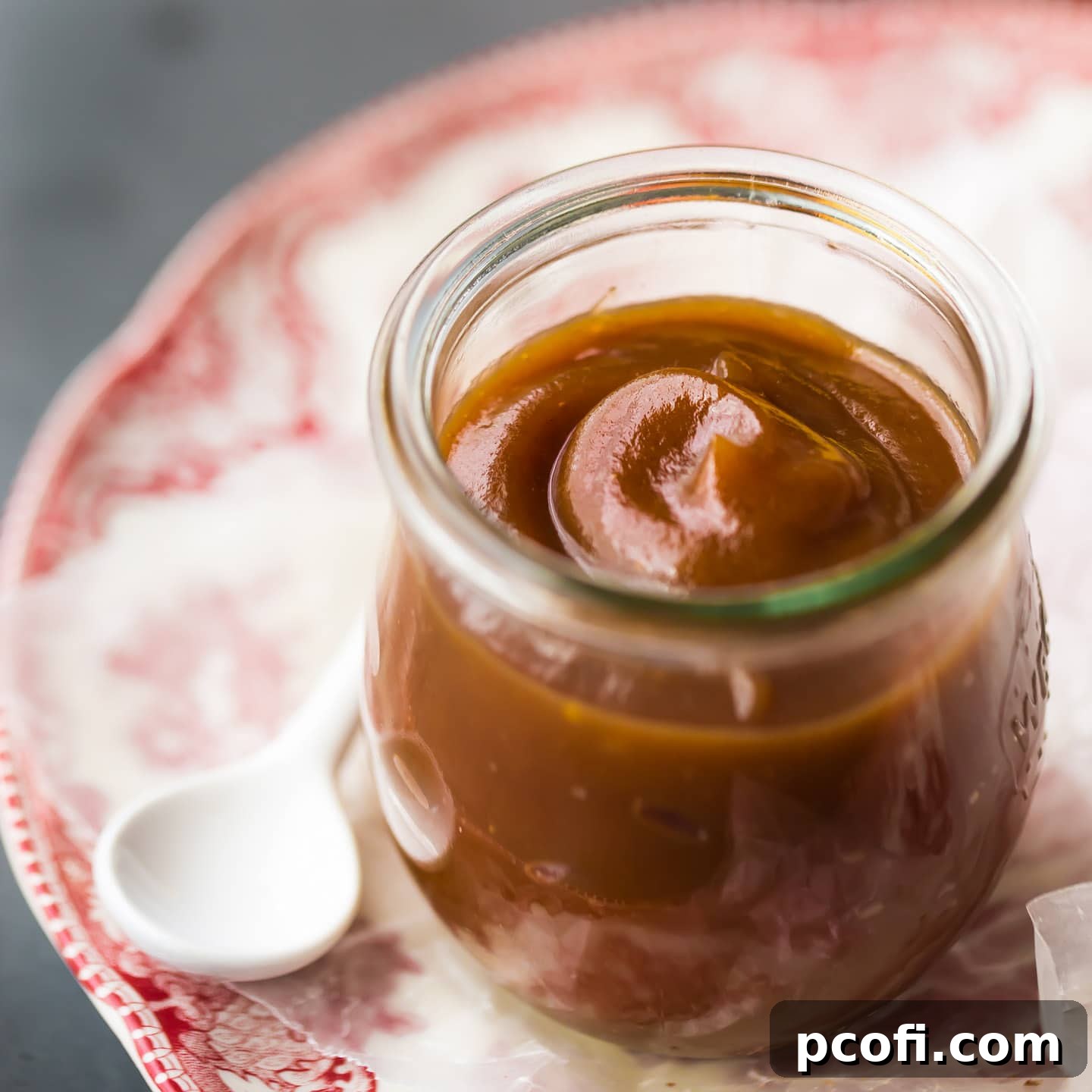
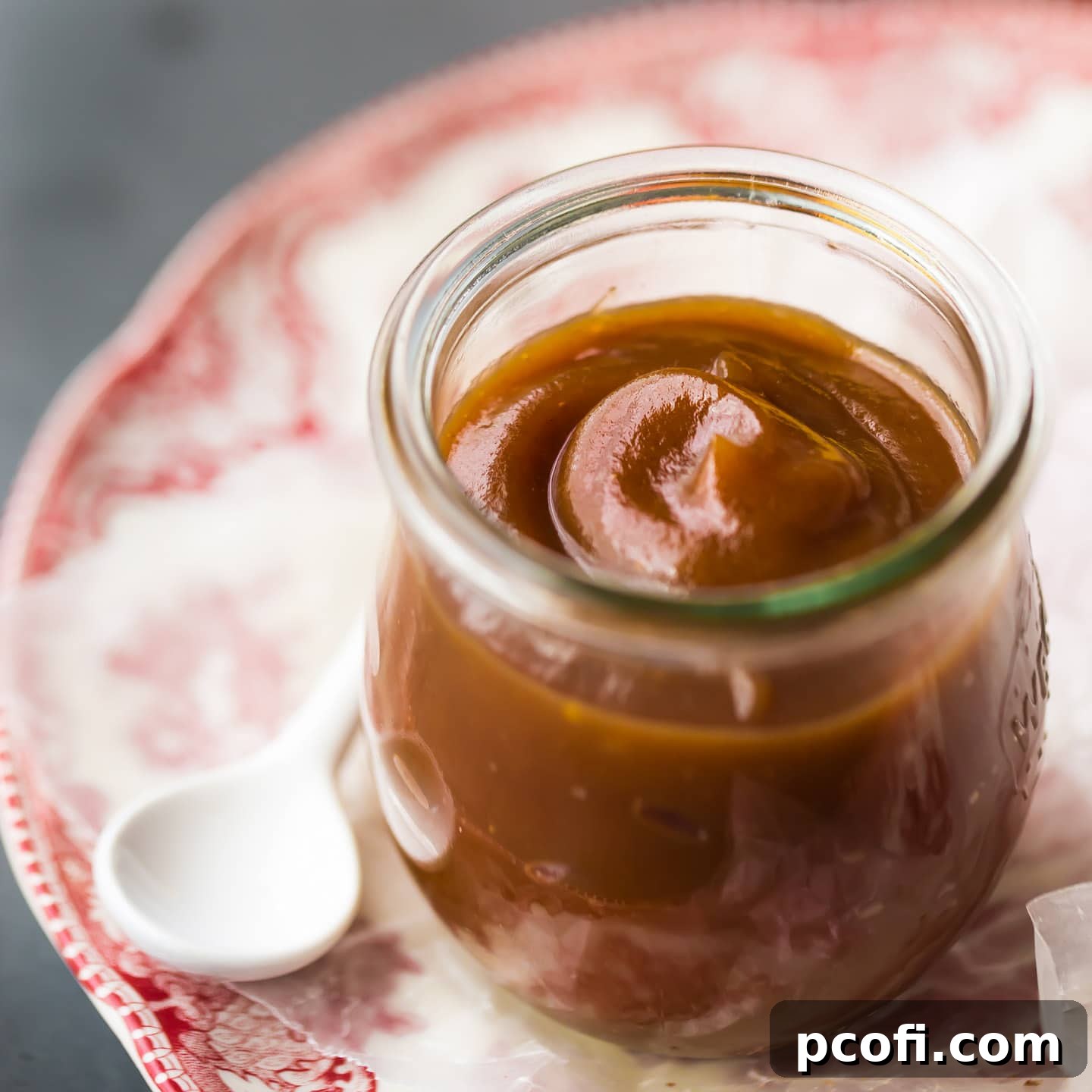
If you’ve recently experienced the joy of apple picking and returned home with an abundant harvest, get ready to transform those crisp, juicy fruits into a truly spectacular spread: this incredibly easy Homemade Apple Butter. Forget store-bought versions; with just a few wholesome ingredients and minimal effort, you’ll create a rich, intensely flavorful apple butter that perfectly encapsulates the cozy essence of fall. This recipe is designed to be straightforward, making it accessible for home cooks of all skill levels, ensuring you can savor the taste of autumn all season long.
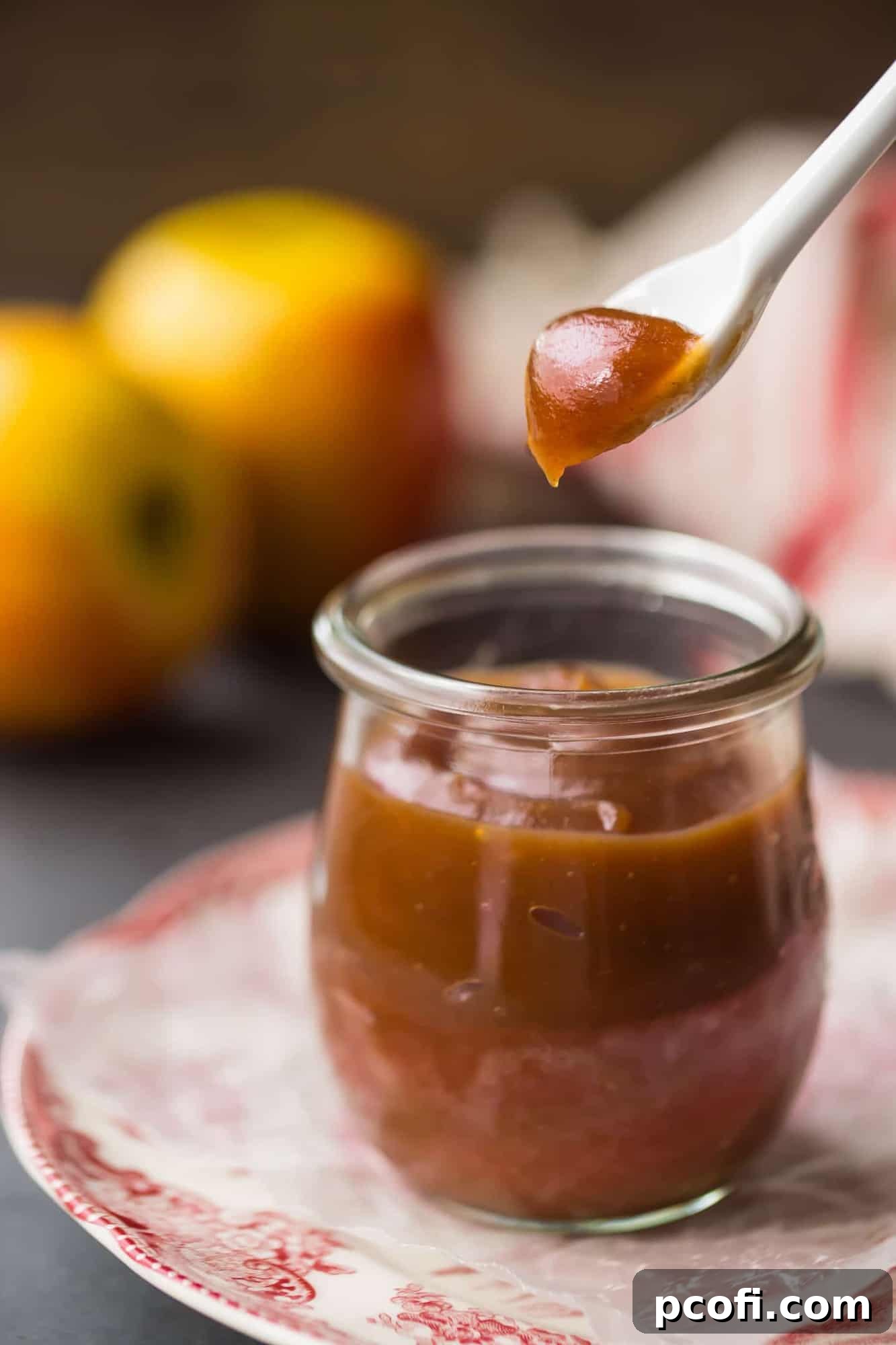
Table of Contents
- The Ultimate Autumn Spread
- Why You Will Adore This Homemade Apple Butter
- Essential Ingredients for Perfect Apple Butter
- Step-by-Step Guide to Making Apple Butter
- Stovetop vs. Slow Cooker: Your Cooking Method Options
- Canning, Freezing, and Storage Best Practices
- Creative Ways to Enjoy Your Apple Butter
- Homemade Apple Butter FAQs
- More Delightful Apple Recipes
Jump to Recipe
The Ultimate Autumn Spread: Why Apple Butter Reigns Supreme
There’s an undeniable magic that happens when a large pot of apples, sugar, and warm spices gently simmers on the stovetop. The aroma alone is enough to transport you to a cozy autumn day, filling your entire home with a comforting fragrance that promises deliciousness. This rich, concentrated apple spread, often mistaken for applesauce but far more intense, is a versatile seasonal staple. Its deep, complex apple flavor, beautifully enhanced by cinnamon and cloves, makes it an ideal accompaniment for an astonishing array of dishes. Imagine it generously spread on a slice of toasted cinnamon swirl bread, a warm scone, or fluffy biscuits. Beyond breakfast, it can be folded into baked goods, used as a glaze for meats, or swirled into yogurt. Whether you choose the quicker stovetop method or the hands-off slow cooker approach, this recipe is incredibly flexible and rewarding. You’ll be thrilled to have a batch of this homemade apple butter ready to enjoy throughout the cooler months, adding a touch of fall to every bite.
Why You Will Adore This Homemade Apple Butter
Crafting your own apple butter is more than just a culinary task; it’s an experience that offers numerous rewards. Here’s why this recipe is destined to become a fall favorite in your kitchen:
- Effortlessly Simple Ingredients: This recipe calls for staple items you likely already have in your pantry, eliminating the need for special grocery runs.
- Flexible Cooking Methods: Whether you prefer the classic stovetop method for a quicker result or the set-it-and-forget-it convenience of a crockpot, this recipe adapts beautifully to your preference and schedule.
- Deep, Concentrated Apple Flavor: Unlike lighter applesauce, apple butter is cooked down slowly, intensifying the apple’s natural sweetness and creating a rich, profound flavor that’s simply irresistible, all without any dairy.
- Incredibly Versatile: From sweet spreads and dessert fillings to savory glazes for meats, apple butter is a culinary chameleon that enhances countless dishes.
- Perfect for Abundant Harvests: It’s an excellent and delicious way to utilize a large quantity of apples after a productive apple picking adventure, minimizing waste and maximizing flavor.
- Wholesome & Natural: Made with real fruit and simple spices, you control the ingredients, ensuring a healthier spread free from artificial additives.
- Aromatic Experience: The simmering process fills your home with the most delightful, comforting aromas of cinnamon and apple, truly signaling the arrival of autumn.
Essential Ingredients for Perfect Apple Butter
The beauty of homemade apple butter lies in its simplicity. You don’t need a long list of exotic items to create this autumn delight. Each ingredient plays a crucial role in building the rich flavor and texture:
- Apples: The Foundation
The heart of this recipe! You’ll need about 4 pounds of apples, which translates to roughly 9 medium-sized apples. While almost any apple variety works, a blend often yields the best flavor. Consider using a mix of sweet apples (like Fuji, Gala, Honeycrisp) for natural sugar and tart apples (like Granny Smith, Braeburn) for a vibrant, balanced taste. Softer apples tend to break down more quickly, but firm apples will also soften beautifully with enough cooking time. Peeling and coring are essential for a smooth texture. - Apple Cider: Liquid Gold
One cup of pure apple cider adds liquid to kickstart the cooking process and imparts a subtle, extra layer of apple flavor. Crucially, ensure you use natural apple cider, not apple cider vinegar, as the latter would introduce an unwelcome sourness. Look for unsweetened, unfiltered apple cider for the most authentic taste. - Brown Sugar: Sweetness and Depth
Three-quarters of a cup of loosely packed light brown sugar contributes sweetness and a lovely molasses undertone that complements the apples perfectly. Brown sugar also plays a role in the preservation process, helping the apple butter last longer. You can slightly adjust the amount to your preference, but remember that sugar helps with both flavor development and texture. - Warm Fall Spices: The Soul of Autumn
This recipe features a classic blend that screams fall:- Ground Cinnamon: Two teaspoons of ground cinnamon provide the quintessential warm spice note that pairs flawlessly with apples.
- Ground Cloves: A quarter teaspoon of ground cloves adds a deep, pungent warmth. Use sparingly, as cloves are potent.
- Kosher Salt: A quarter teaspoon of kosher salt might seem surprising, but it’s crucial for balancing and enhancing all the sweet and spiced flavors, preventing the apple butter from tasting flat.
For an even richer spice profile, consider adding a pinch of freshly grated nutmeg or allspice.
- Lemon Juice: The Brightener
The juice of half a fresh lemon, added at the very end, is a game-changer. It brightens the overall flavor, cuts through the richness, and prevents the apple butter from tasting overly sweet. It also aids in preservation, thanks to its natural acidity.
Refer to the recipe card at the bottom of this post for the exact quantities and detailed instructions to ensure your homemade apple butter is nothing short of perfect.
Step-by-Step Guide to Making Apple Butter
Creating homemade apple butter is a rewarding process that transforms simple apples into a rich, velvety spread. Follow these steps for a perfect batch:
Step 1: Prepare and Gently Cook the Apples
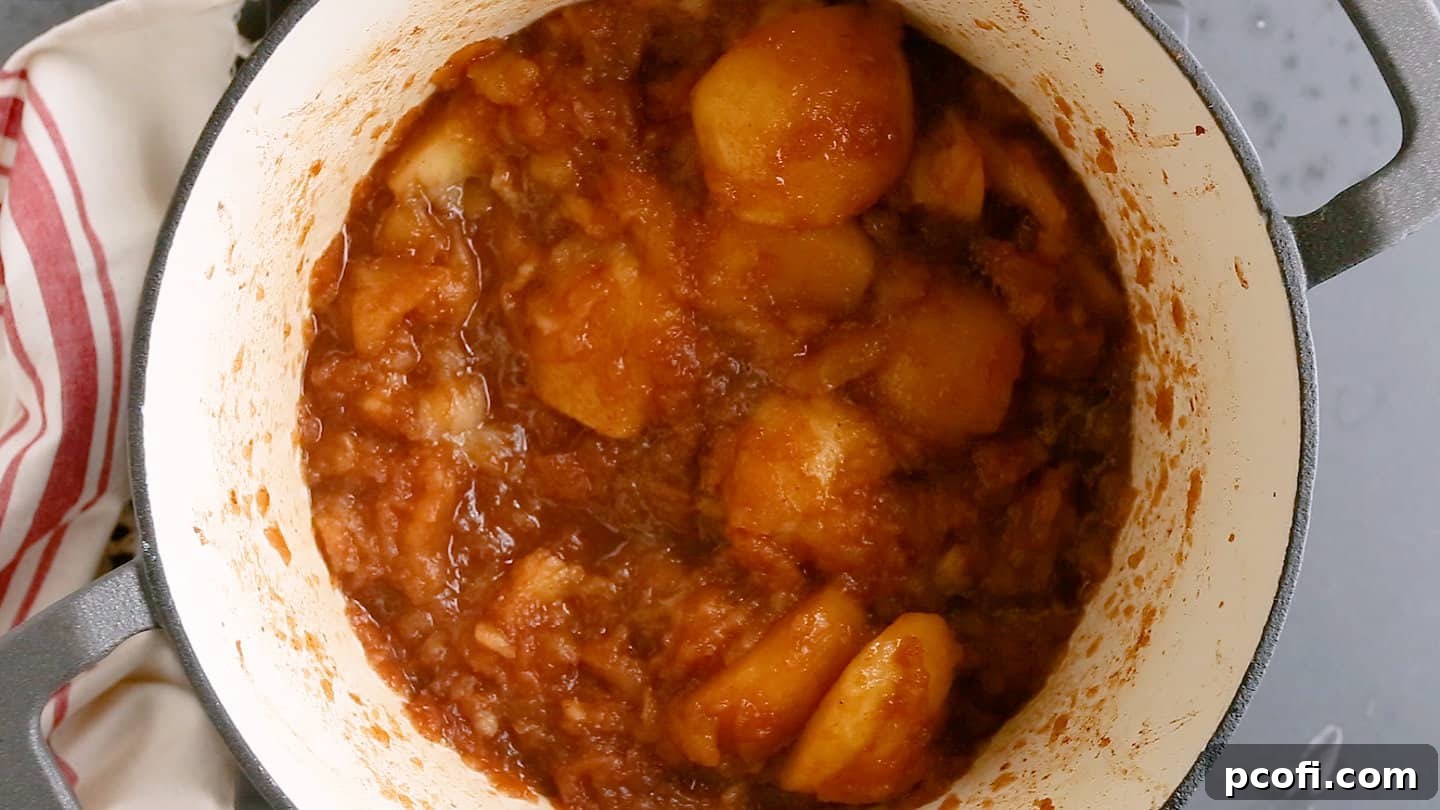
Begin by thoroughly preparing your apples. This involves peeling, coring, and chopping them into roughly 1-inch pieces. Uniform pieces will ensure even cooking. Transfer the chopped apples to a large, heavy-bottomed pot. Add the apple cider, brown sugar, cinnamon, ground cloves, and a pinch of kosher salt to the pot. Stir all the ingredients together until the apples are well coated.
Bring the mixture to a gentle simmer over medium-low heat. Once simmering, reduce the heat to low and cook, uncovered, stirring occasionally to prevent sticking, until the apples become very soft and begin to break down easily. This initial cooking phase typically takes between 45 and 60 minutes, depending on your apple variety and chop size. The goal here is to soften the apples completely, making them ready for pureeing.
Step 2: Blend to Perfection
Once the apples are thoroughly softened, it’s time to create that signature smooth apple butter texture. You have a couple of options here:
- Immersion Blender: For convenience, use an immersion blender directly in the pot. Carefully blend the apple mixture until it reaches a completely smooth, uniform consistency. Be cautious, as the mixture will be very hot and steamy, and can splash.
- Standard Blender or Food Processor: Alternatively, carefully ladle the hot apple mixture in batches into a standard blender or food processor. Secure the lid tightly, perhaps leaving a small vent for steam (covered with a towel), and blend until smooth. Return the pureed mixture to the pot.
Ensure there are no chunky bits left for that classic velvety apple butter texture.
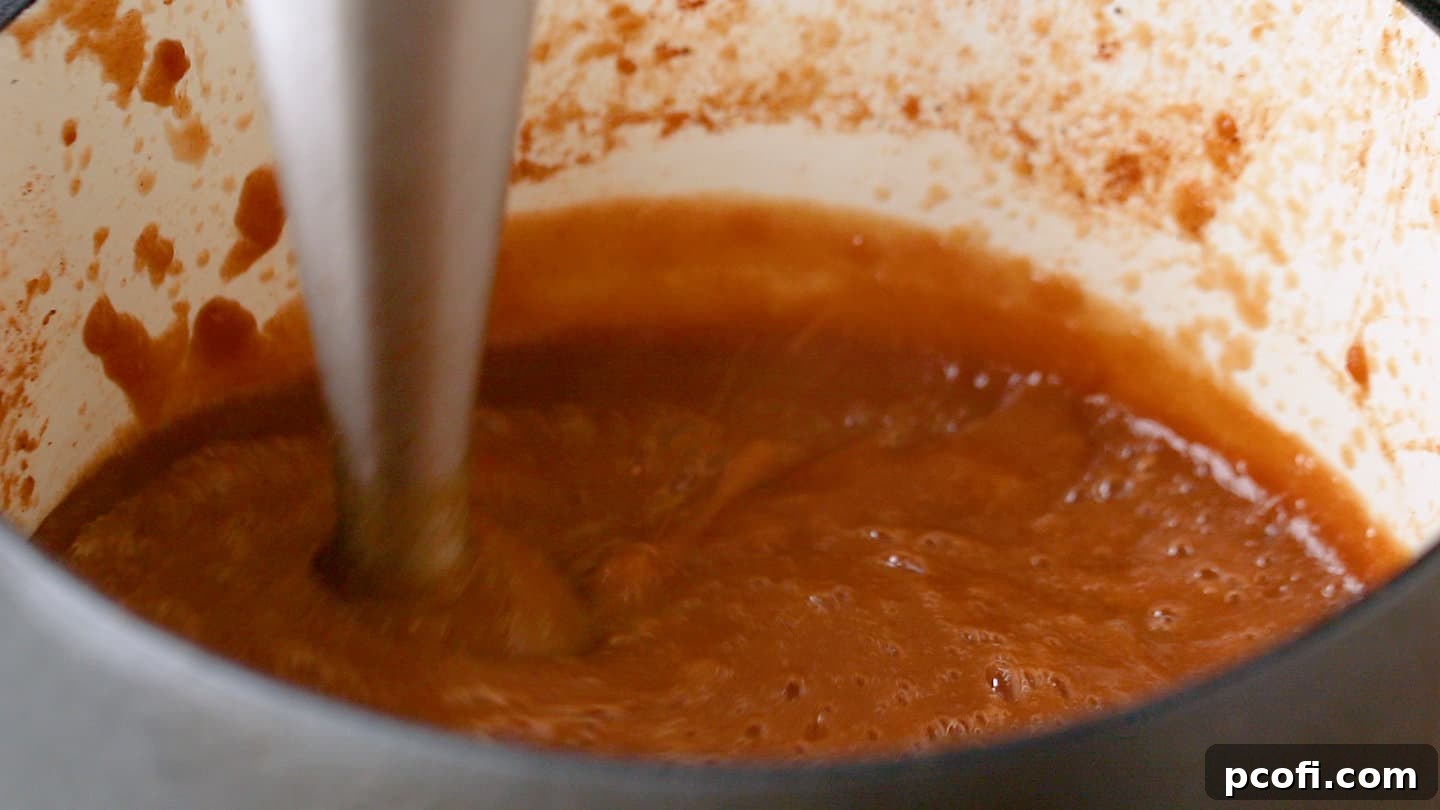
Step 3: Second Cook and Thicken
Return the smooth apple puree to the pot over medium-low heat. This is the crucial stage where the apple butter truly develops its deep flavor and thick, spreadable consistency. Continue to cook, uncovered, stirring frequently to prevent scorching, especially as it thickens. The longer it cooks, the more concentrated its flavor will become, and its color will deepen to a rich mahogany brown.
Cook until the mixture has significantly reduced and thickened to your desired consistency. A good test is to spoon a small amount onto a cold plate; if it doesn’t spread or run, it’s ready. This second cooking stage typically takes another 45 to 60 minutes, or even longer for a very thick apple butter. Be patient, as this slow reduction is what creates the butter’s characteristic texture and intense flavor.
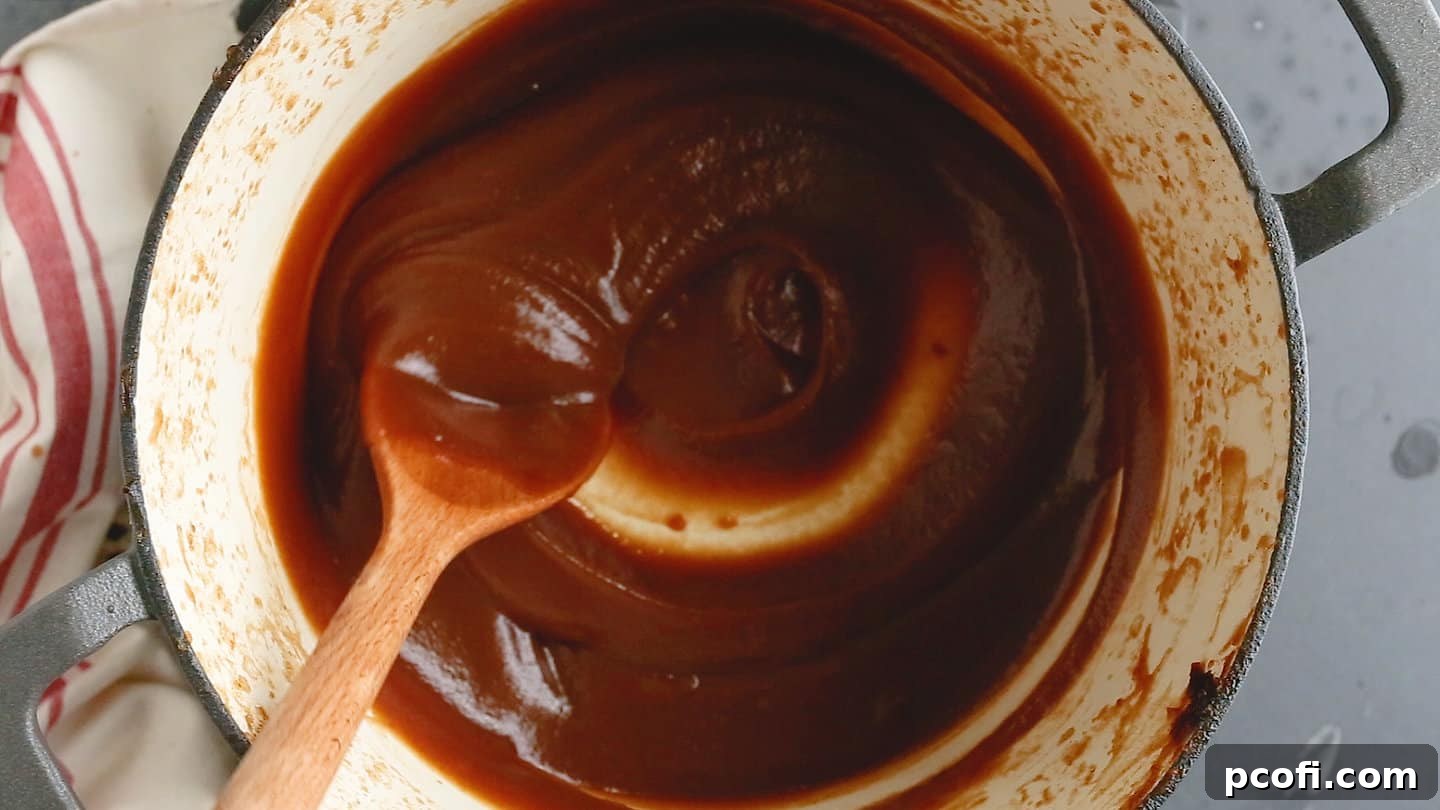
Step 4: Add Lemon and Store
Once your apple butter has reached the perfect thickness and color, remove the pot from the heat. Stir in the fresh lemon juice. This final touch brightens the flavors and adds a hint of acidity that cuts through the sweetness beautifully.
Allow the apple butter to cool slightly before transferring it to clean jars. As it cools, it will continue to thicken further. Once completely cool, seal the jars. At this point, you can either store it in the refrigerator for immediate use or proceed with canning for long-term storage. Enjoy your rich, homemade taste of autumn!
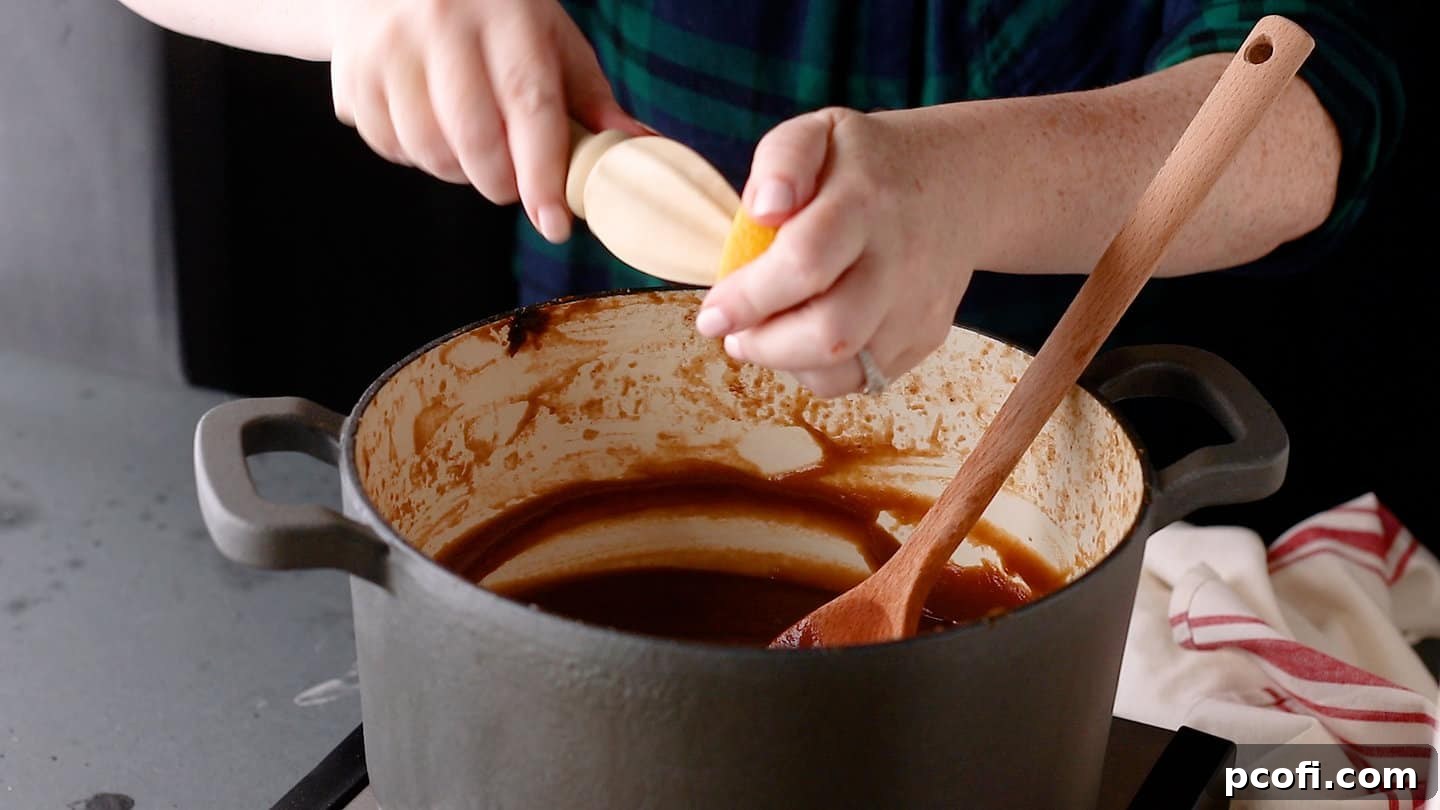
Stovetop vs. Slow Cooker: Your Cooking Method Options
While the stovetop method is a relatively quick way to achieve delicious homemade apple butter, offering hands-on control over the thickening process, you also have the option of using a slow cooker for a more hands-off approach. Both methods yield fantastic results; it simply depends on your preference and schedule.
Stovetop Method (Featured in this Recipe)
The stovetop method is ideal if you want to make apple butter in a shorter timeframe, typically around 2 hours of active cooking and simmering. It allows for quicker evaporation, leading to faster thickening and color development. The main advantage is speed and the ability to closely monitor the texture and prevent scorching. You’ll need to stir more frequently, especially during the second cooking stage, but the results are incredibly satisfying and efficient.
Slow Cooker Method: The Hands-Off Approach
If you prefer a mostly hands-off process and don’t mind the longer cooking time, the slow cooker is an excellent choice. It’s perfect for letting the apple butter gently cook throughout the day, filling your home with an intoxicating aroma. Here’s how to adapt this recipe for a slow cooker:
- Combine Ingredients: Peel, core, and chop your apples as directed. Place the chopped apples, apple cider, brown sugar, cinnamon, cloves, and salt into your large slow cooker.
- Initial Cook: Cook the mixture on high heat (uncovered or with the lid slightly ajar to allow steam to escape) for approximately 2 hours, or until the apples are very soft and easily mashable.
- Puree: Once the apples are soft, use an immersion blender directly in the slow cooker, or carefully transfer the mixture in batches to a standard blender, and puree until completely smooth.
- Second Cook & Thicken: Return the puree to the slow cooker (if you used a standard blender). Lower the heat setting to low. Continue to cook uncovered for an additional 8 to 10 hours. Stir occasionally, perhaps every 1-2 hours, especially towards the end, to prevent any sticking or burning at the bottom of the pot. This long, slow cooking allows the apple butter to thicken gradually and develop its deep, rich flavor and characteristic dark brown color.
- Finish: Once thickened to your desired consistency, stir in the fresh lemon juice.
The slow cooker method takes significantly longer, but it requires less active attention, making it perfect for busy days when you want delicious apple butter without constantly tending to a pot on the stove.
Canning, Freezing, and Storage Best Practices
One of the best things about homemade apple butter is its excellent shelf life, especially when properly preserved. Here’s a comprehensive guide to storing your delicious creation, whether you choose to refrigerate, freeze, or can it.
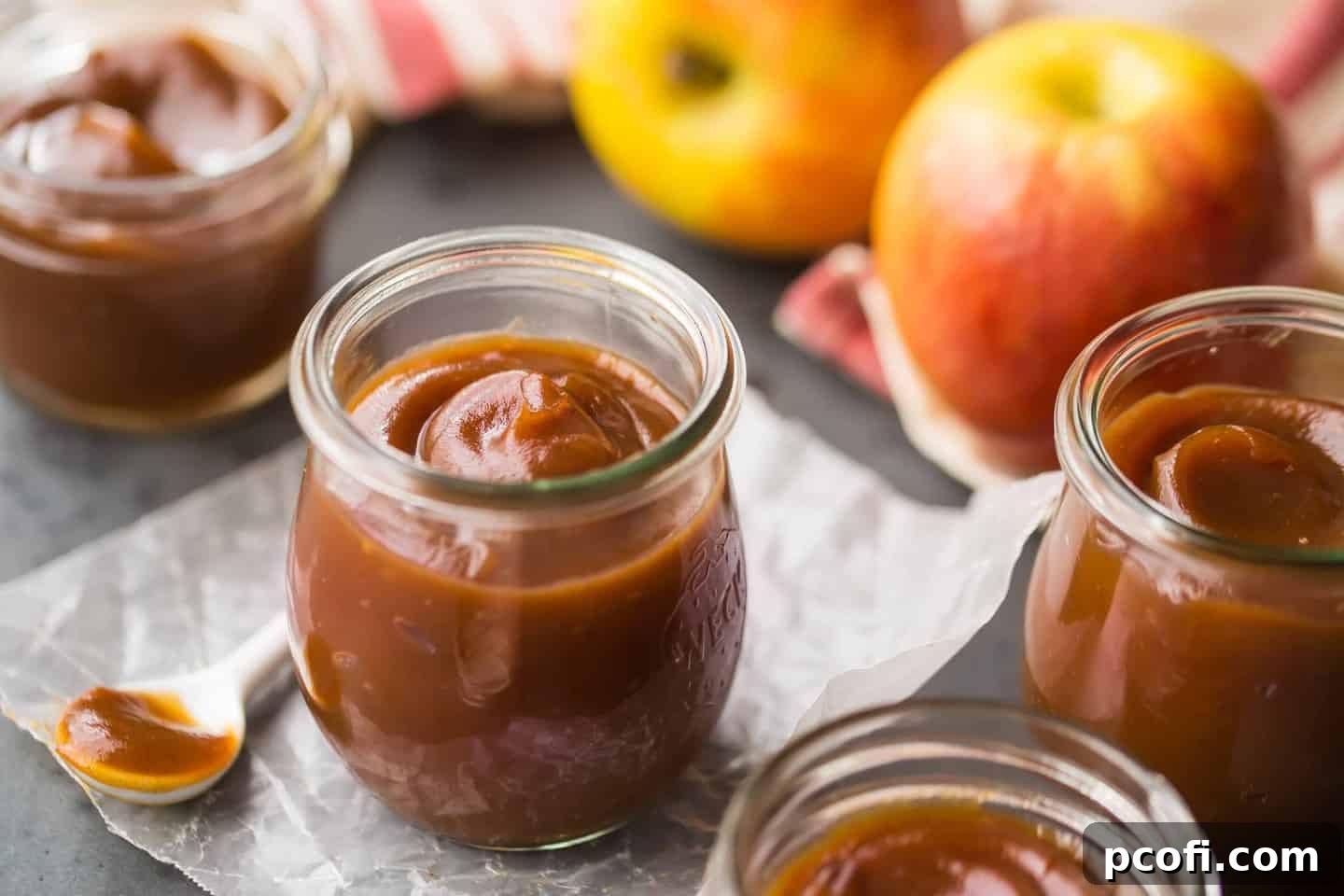
Refrigeration (Short-Term Storage)
If you plan to enjoy your apple butter within a few weeks, simple refrigeration is sufficient. Let the apple butter cool completely, then transfer it to clean, airtight containers or jars. Store it in the refrigerator, where it will remain fresh and delicious for approximately 3-4 weeks. Always use a clean spoon when serving to maintain freshness.
Freezing (Medium-Term Storage)
Freezing is a fantastic option for preserving apple butter for up to 6 months, allowing you to enjoy the taste of fall well beyond the season. To freeze:
- Choose Containers: Use freezer-safe jars (leaving adequate headspace for expansion), plastic freezer containers, or heavy-duty freezer bags.
- Cool Completely: Ensure the apple butter is completely cool before freezing to prevent condensation and ice crystal formation.
- Fill & Seal: Fill containers, leaving about 1 inch of headspace at the top for jars (liquid expands when frozen). Seal tightly. For freezer bags, lay them flat to freeze, which saves space.
- Thawing: When ready to use, thaw in the refrigerator overnight. Once thawed, store in the fridge and consume within 2-3 weeks.
Canning (Long-Term Storage)
Apple butter is an excellent candidate for water bath canning, which allows it to be safely stored at room temperature for up to a year or more. This is perfect for making large batches or gifting. Always follow tested canning guidelines for safety.
- Prepare Jars and Lids: Begin by washing your canning jars, bands, and new lids in hot soapy water. Sterilize the jars by submerging them in boiling water for at least 10 minutes. Keep them hot until ready to fill. Warm the new lids in simmering (not boiling) water according to manufacturer directions.
- Fill Jars: Ladle the hot apple butter into the hot, sterilized jars, leaving 1/2 inch of headspace (the space between the food and the rim of the jar).
- Clean Rims: Wipe the rims of the jars clean with a damp cloth to ensure a proper seal. Any residue can prevent the lid from sealing.
- Place Lids and Bands: Center a warm lid on each jar, then screw on the metal bands fingertip tight (just until resistance is met, do not overtighten).
- Process in Water Bath: Carefully place the filled jars into a boiling water canner, ensuring they are fully submerged by at least 1 inch of water. Bring the water back to a full rolling boil. Process pint jars for approximately 10 minutes (adjust time for altitude if you live above 1,000 feet).
- Cool & Check Seals: After processing, turn off the heat and let the jars sit in the canner for 5 minutes before carefully removing them. Place them on a wire rack to cool completely for 12-24 hours. As they cool, you should hear a “pop” sound as the lids seal. Check for seals by pressing on the center of the lid; if it doesn’t flex, the jar is sealed.
- Store: Properly canned jars, with good seals, can be stored in a cool, dark place (like a pantry) for up to 1 year. Once a jar is opened, refrigerate it and consume within 2-3 weeks.
Creative Ways to Enjoy Your Apple Butter
Homemade apple butter is a treasure in the kitchen, offering a naturally sweet and spiced flavor that lends itself to a surprising variety of culinary applications. Beyond spreading it on toast, here are numerous creative ways to enjoy your delicious homemade apple butter:
Breakfast & Brunch Favorites:
- Classic Spread: The most common and beloved way! Spread generously on toast, English muffins, bagels, croissants, biscuits, or scones.
- Pancakes & Waffles: Drizzle over a stack of warm pancakes or waffles instead of syrup, or swirl it into the batter for an extra apple boost.
- Oatmeal & Yogurt: Stir a spoonful into your morning oatmeal, grits, or Greek yogurt for natural sweetness and flavor.
- Smoothie Enhancer: Add a tablespoon or two to your fruit smoothies for a hint of apple and spice.
- French Toast: Use it as a filling between slices of French toast or as a topping.
Baking & Desserts:
- Cupcake & Cake Filling: Use it as a delicious filling for cupcakes (like Apple Cinnamon Pancake Cupcakes) or between layers of a sponge cake.
- Swirl Breads & Muffins: Swirl apple butter into cinnamon swirl bread dough, muffin batter, or quick breads for bursts of flavor.
- Tarts & Pastries: Spread a thin layer on pie crust before adding apple slices for an intensified apple flavor, or use it as a filling for hand pies, turnovers, or galettes.
- Cookie Filling: Use it as a filling for thumbprint cookies or sandwiched between two spice cookies.
- Glaze for Roasted Fruits: Brush it onto baked apples or pears before roasting for an extra layer of caramelized sweetness.
Savory Dishes:
- Meat Glaze: Its sweet and tangy profile makes it an excellent glaze for roasted pork loin, ham, or chicken. Brush it on during the last 15-20 minutes of cooking.
- Cheese Boards: Serve alongside sharp cheddar, goat cheese, or brie on a charcuterie board. The sweet fruitiness beautifully complements salty cheeses.
- Sandwich Spread: Combine with mustard or mayonnaise for a unique spread in turkey or ham sandwiches.
- Condiment for Meats: In certain regions, like Philadelphia where I live, it’s a popular topping for savory dishes like scrapple, offering an incredible sweet and savory contrast.
Beverages:
- Hot Drinks: Stir a spoonful into your hot apple cider or tea for added depth and spice.
- Cocktails: Experiment by adding a dash to fall-themed cocktails for a unique fruity and spicy twist.
Homemade Apple Butter FAQs
Here are answers to some commonly asked questions about making and enjoying homemade apple butter:
While both are made from cooked apples, apple butter is cooked for a much longer period than applesauce. This extended cooking time allows most of the water to evaporate, resulting in a highly concentrated, thick, and intensely flavored spread. Apple butter is often darker in color and has a richer, almost caramelized taste, whereas applesauce is lighter, looser, and has a fresher apple flavor.
Yes, absolutely! While this recipe focuses on the stovetop for efficiency, apple butter is wonderfully suited for a slow cooker or crockpot. The process takes much longer (8-10 hours after the initial cooking and pureeing), but it’s mostly hands-off and fills your home with an incredible aroma. See the “Stovetop vs. Slow Cooker” section above for detailed instructions.
For the best flavor, use a mix of sweet and tart apples. Sweet varieties like Fuji, Gala, Honeycrisp, and Golden Delicious provide natural sugars, while tart apples such as Granny Smith, Braeburn, and Pink Lady add a lovely bright tang. Using a combination creates a more complex and balanced apple butter. Softer apples will break down faster, but firm apples work well too with a bit more cooking time.
Once opened or if not canned, homemade apple butter should be stored in an airtight container in the refrigerator. It will stay fresh and delicious for several weeks, typically up to a month.
Yes, freezing is an excellent way to preserve apple butter. Transfer the completely cooled apple butter into freezer-safe jars or containers, leaving about 1 inch of headspace to allow for expansion. It can be frozen for up to 6 months. Thaw in the refrigerator before using.
You can certainly reduce the amount of brown sugar slightly, for instance, by 1/4 cup. However, some sugar is beneficial not only for sweetness but also for enhancing the depth of flavor and aiding in preservation. If you opt for significantly less sugar, the final product might have a slightly different texture and less vibrant color. For sugar-free, you could try using a sugar substitute, but the results may vary, and shelf life might be reduced.
I do not recommend skipping the peeling step if you desire a truly smooth, velvety apple butter. Apple peels, even after extensive cooking and blending, can leave behind tiny, gritty bits that detract from the luxurious texture. While a powerful high-speed blender might handle some peels, peeling ensures the smoothest finish, which is a hallmark of excellent apple butter. The extra effort is truly worth it for the superior texture.
There are a few ways to test for doneness. One common method is the “cold plate test”: spoon a small amount of hot apple butter onto a chilled plate. If it sits firmly and doesn’t spread or release liquid around the edges after a minute or two, it’s ready. You can also drag a spoon through it; if the line holds and doesn’t fill in quickly, it’s thickened. Remember it will thicken more as it cools.
Next time your kitchen is overflowing with apples, this easy homemade apple butter will undoubtedly be your fall hero. It’s a simple pleasure that yields incredible flavor.
More Delightful Apple Recipes
- Apple Pie Bars
- Simply Perfect Apple Pie
- Apple Galette
- Apple Bread
- Dutch Apple Pie
- Homemade Applesauce Recipe
- Irish Apple Tart
- Hot Apple Cider
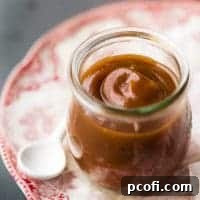
Homemade Apple Butter
Leave a Review
Ingredients
- about 4 pounds apples, (roughly 9 medium-sized apples), peeled and cored
- 1 cup (236 g) apple cider, (NOT apple cider vinegar)
- 3/4 cup (165 g) loosely packed light brown sugar
- 2 teaspoons ground cinnamon
- 1/4 teaspoon (0.25 teaspoon) ground cloves
- 1/4 teaspoon (0.25 teaspoon) kosher salt
- juice of half a lemon, (about 1 tablespoon)
Instructions
-
Place the apples, apple cider, brown sugar, cinnamon, cloves, and salt in a large pot, and cook over medium-low heat, uncovered, (stirring occasionally) until the apples have become very soft (about 1 hour).
-
Use a hand blender to puree the mixture (or ladle it into a regular blender in batches) until smooth.
-
Place the puree back into the pot and continue to cook, uncovered, (stirring occasionally) until thick, velvety, and deep mahogany brown (about 1 hour).
-
Stir in the lemon juice, transfer the mixture to jars, and keep refrigerated.*
Notes
Makes about 4 4-ounce jars of apple butter.
A few more great topping recipes:
- Homemade Lemon Curd
- Salted Caramel Sauce
- Hot Fudge Sauce