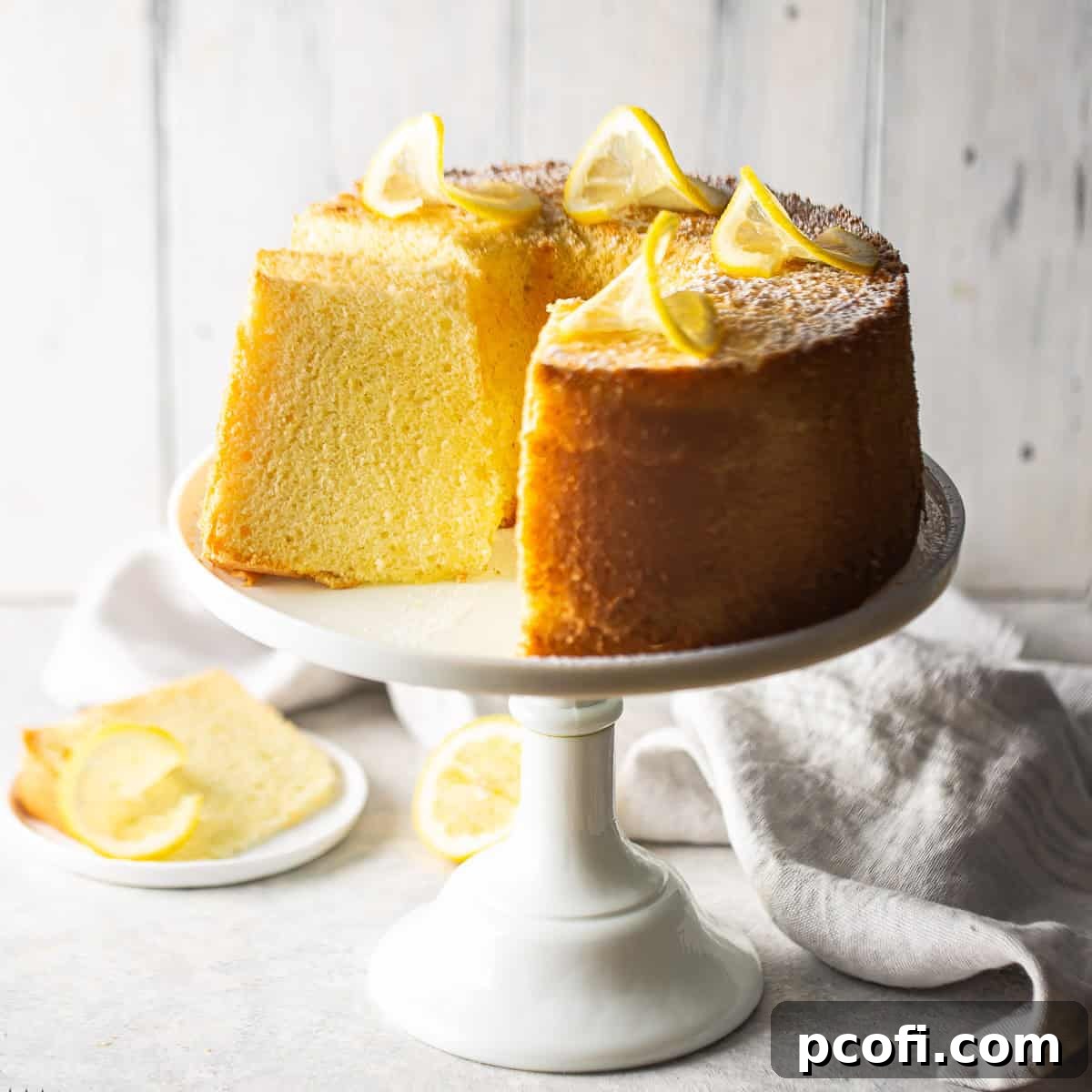
Easy Lemon Chiffon Cake: Discover the secret to a uniquely airy texture and refreshingly light flavor. This moist, subtly sweet cake, infused with bright citrus, is perfect for any gathering and incredibly simple to master.
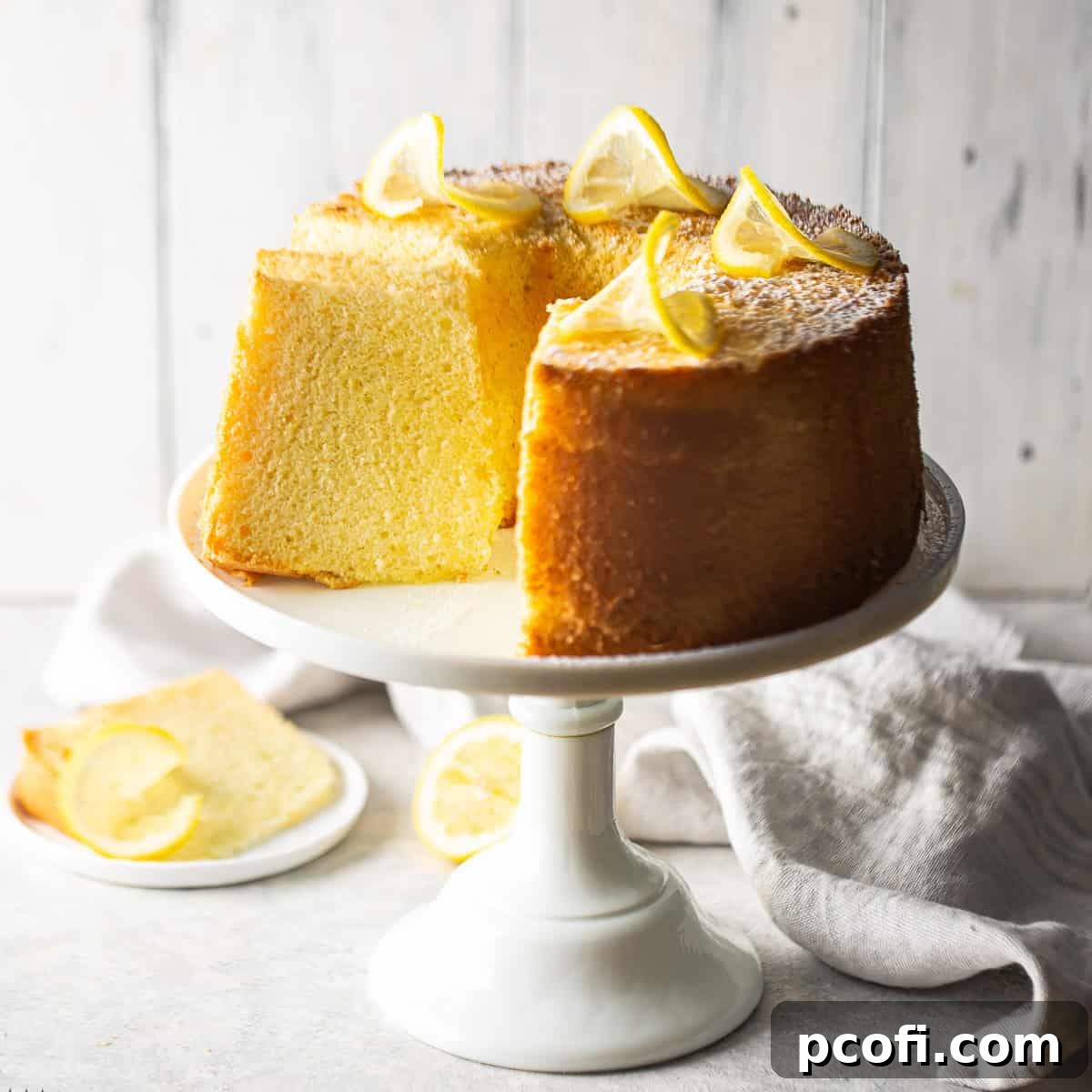
Welcome to the ultimate guide for crafting the perfect old-fashioned lemon chiffon cake! If you’ve been searching for a dessert that embodies lightness, moisture, and a burst of sunny citrus flavor, your quest ends here. This recipe delivers a cake that is truly special, boasting a texture so ethereal it practically melts in your mouth, making it an irresistible treat for any occasion, from casual family dinners to elegant celebrations.
Unlike traditional butter-based cakes, this lemon chiffon cake relies on oil and whipped egg whites for its signature structure, resulting in an incredibly delicate, springy crumb that closely resembles an angel food cake but with a significant upgrade: a vibrant, cheerful lemon essence. The addition of egg yolks not only imparts a beautiful, inviting golden color, reminiscent of a newborn chick, but also contributes to the cake’s unparalleled softness and moistness. It’s a delightful departure from heavier cakes, offering a refreshing and sophisticated alternative that truly lets the lemon flavor shine through.
While I adore rich, buttery cakes, there are times when a lighter, fruit-forward dessert is exactly what the palate craves. This classic lemon chiffon cake is a prime example of such a creation, providing a delicate balance of sweetness and tang that is neither overpowering nor cloying. If you appreciate this style of baking, where natural flavors are highlighted and textures are paramount, I encourage you to explore my other oil-based cake recipes like Genoise cake, white almond sour cream cake, and Key lime cake. Each offers a unique experience, but all share the common thread of being wonderfully light and full of flavor.
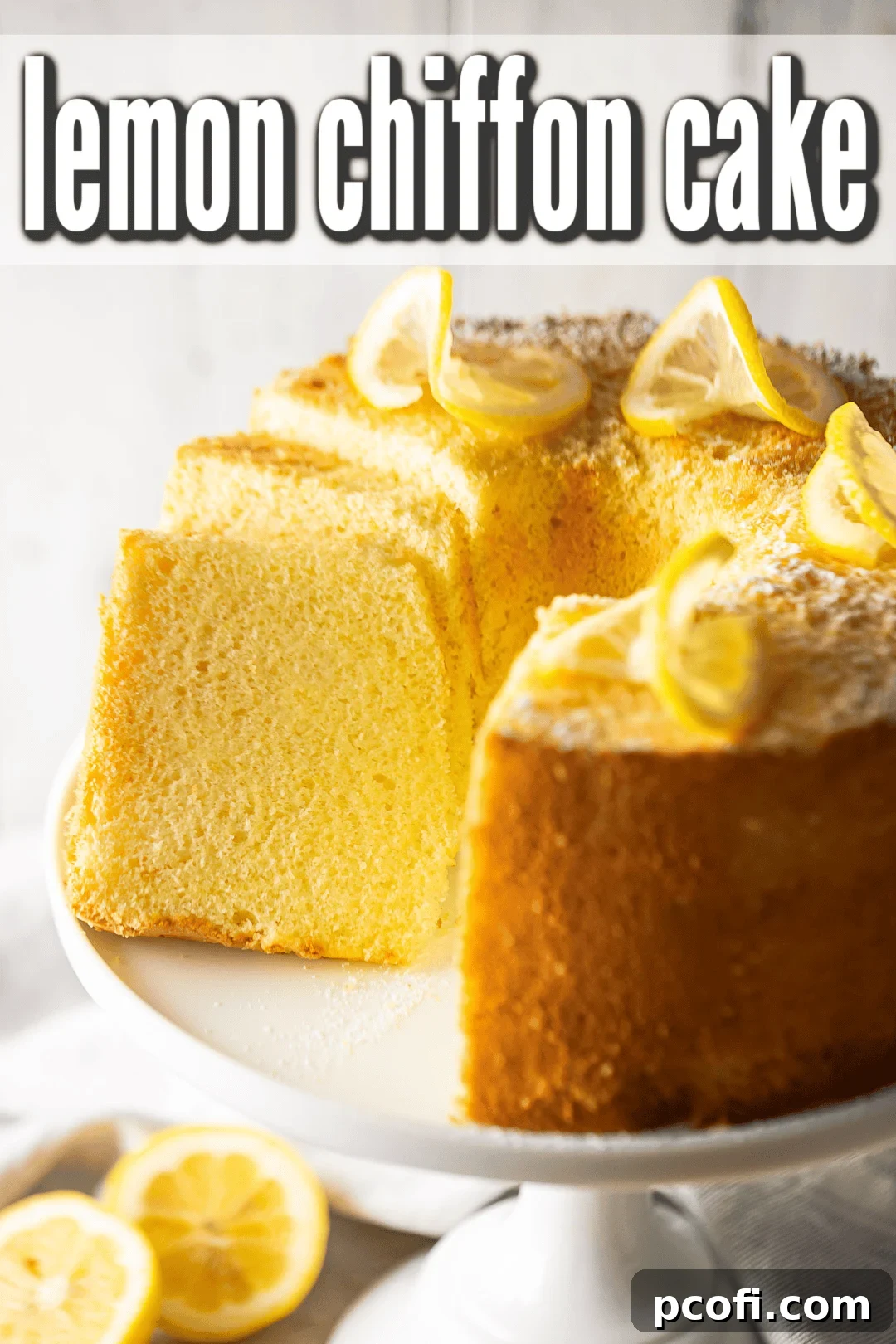
Table of Contents
- What is Lemon Chiffon Cake?
- Why This is the Best Lemon Chiffon Cake Recipe
- What Does Lemon Chiffon Cake Taste Like?
- Essential Ingredients for Chiffon Cake
- Special Equipment You’ll Need
- How to Make Lemon Chiffon Cake: A Step-by-Step Guide
- Serving Suggestions for Your Lemon Chiffon Cake
- Expert Tips for a Flawless Chiffon Cake
- Frequently Asked Questions About Lemon Chiffon Cake
- Explore More of Our Best Cake Recipes
Jump to Recipe
What is Lemon Chiffon Cake?
Lemon chiffon cake is a remarkable dessert, celebrated for its incredibly light, airy, and moist texture. It stands apart from traditional butter cakes by utilizing vegetable oil and a significant quantity of whipped egg whites, which are meticulously folded into the batter to create its characteristic springy, cloud-like consistency. This unique baking method, combined with a delicate yet distinct fresh lemon flavor, results in a cake that is both sophisticated and universally appealing. Typically baked in a tube pan, its structure allows it to rise impressively high, forming a beautiful centerpiece. However, the versatility of chiffon cake batter also makes it easily adaptable for various forms, including elegant layer cakes, comforting loaf cakes, or even delightful individual cupcakes, providing endless possibilities for your baking endeavors.
Why This is the Best Lemon Chiffon Cake Recipe
My commitment to sharing only the best recipes is reflected in this lemon chiffon cake, which has earned its place as a favorite for several compelling reasons:
- Exquisite Flavor Profile: This recipe achieves a perfect harmony of flavors. It’s not overpoweringly sweet or excessively tart, allowing the pure, clean taste of fresh lemon to truly shine. Each bite is a refreshing experience, embodying simplicity and deliciousness in equal measure.
- Minimal Pantry Staples: You don’t need a pantry stocked with exotic ingredients to create this masterpiece. This recipe utilizes common, readily available pantry staples, making it accessible for home bakers of all skill levels. It proves that extraordinary flavor can be achieved with humble ingredients.
- Beginner-Friendly Process: Despite its impressive appearance and texture, this lemon chiffon cake is surprisingly straightforward to make. With clear, step-by-step instructions, even novice bakers will find success. The process is designed to be enjoyable and rewarding, leading to a stunning dessert every time.
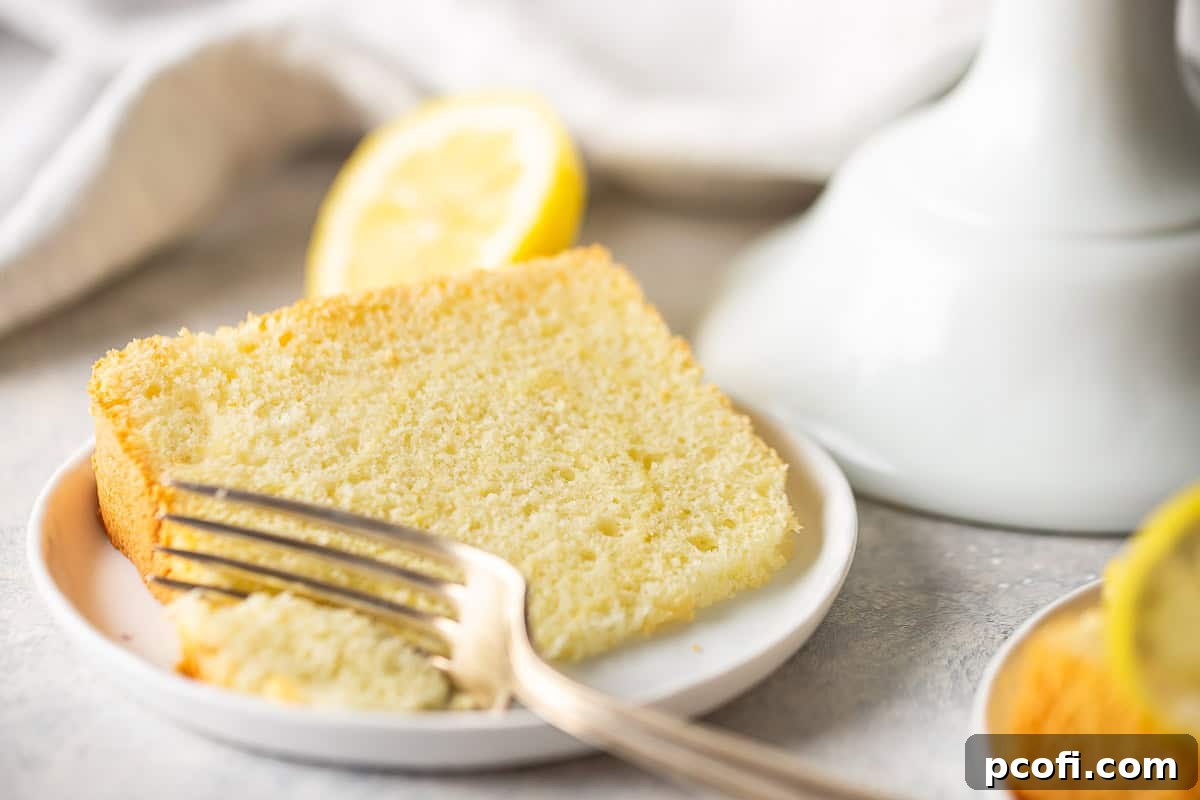
- Unforgettable Texture: The texture of this chiffon lemon cake is truly unlike any other. It is incredibly springy, airy, and impossibly soft, offering a delightful bounce with every forkful. This unique, cloud-like quality is what makes chiffon cakes so beloved and this recipe excels at delivering that signature light and ethereal crumb.
What Does Lemon Chiffon Cake Taste Like?
The primary taste sensation of this lemon chiffon cake is, without a doubt, fresh lemon. It’s a bright and invigorating flavor that takes center stage, unmasked by heavy fats or excessive sweetness. You’ll notice the distinct, sunny notes of lemon zest and juice permeating every delicate bite. Additionally, given the generous use of eggs in the recipe, there’s a subtle richness and depth that only eggs can provide, contributing to the cake’s unique character. This particular recipe is crafted to offer a light sweetness that complements the lemon rather than competes with it, ensuring the cake is refreshingly delicate and never overly sugary or tart.
Essential Ingredients for Chiffon Cake
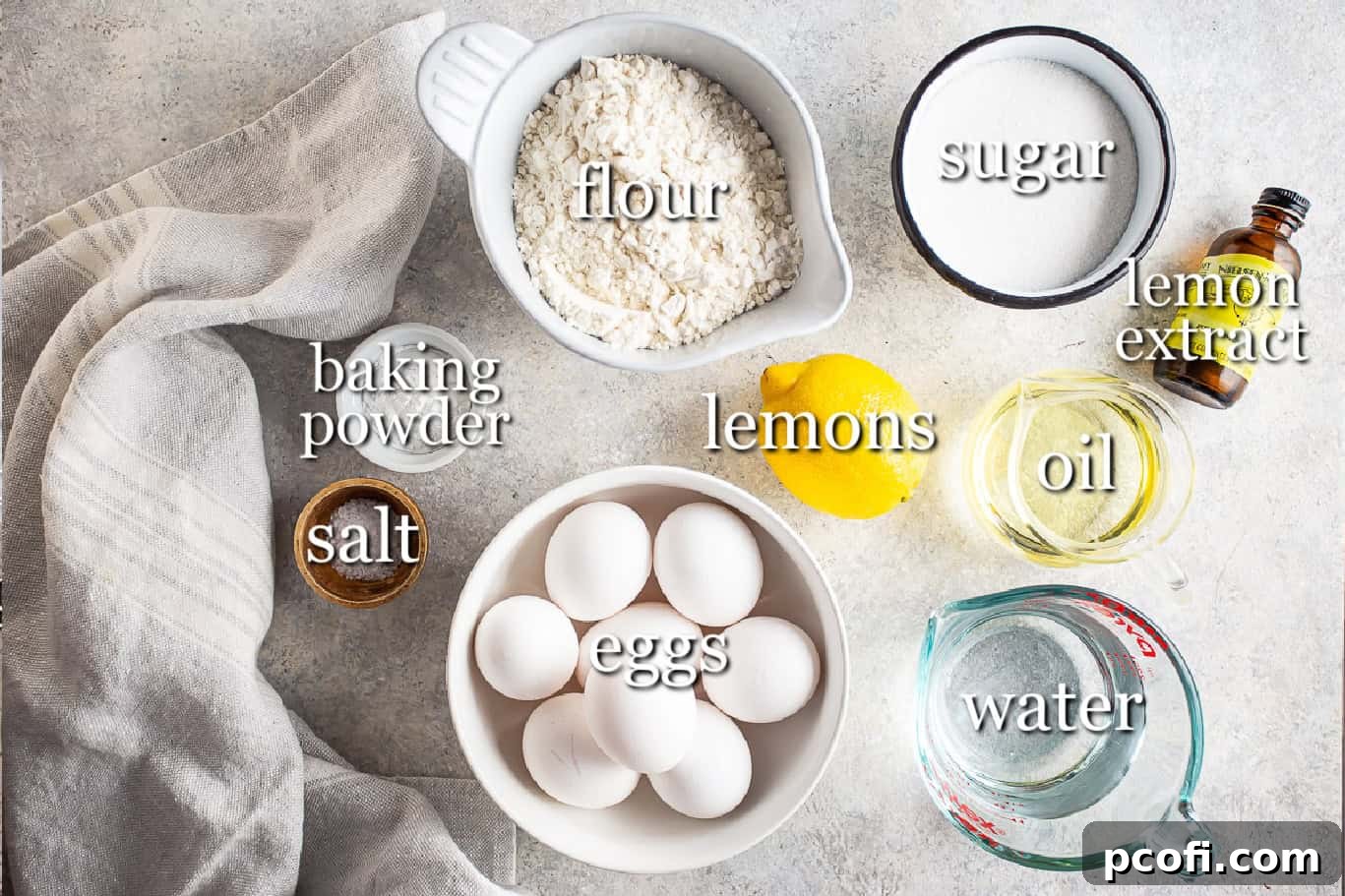
Crafting the perfect lemon chiffon cake begins with a selection of fresh, high-quality ingredients, each playing a vital role in achieving that signature light and airy texture and vibrant flavor.
- Flour: Cake flour is absolutely crucial for this recipe. Its lower protein content results in a tender, fine crumb that is characteristic of chiffon cakes. Using all-purpose flour will yield a tougher, less delicate cake, so it’s worth seeking out cake flour for the best results. If you’re unfamiliar with this ingredient, understanding what cake flour is and why it’s used will greatly enhance your baking knowledge.
- Baking Powder: This powerful leavening agent works in tandem with the whipped egg whites to give the cake its remarkable rise and open, springy texture. It’s important to confirm you are using baking powder, not baking soda, as they react differently and are not interchangeable in this recipe.
- Salt: A pinch of salt is not just for seasoning; it’s a flavor enhancer that balances the sweetness and acidity of the lemon, bringing all the individual tastes into perfect harmony. I prefer kosher salt for its pure flavor and ease of measurement, as it lacks the metallic aftertaste sometimes found in iodized salts.
- Lemon: The star of our show! You’ll harness the intense aromatic oils from the lemon zest and the bright acidity from fresh lemon juice. For an extra layer of zesty punch, a splash of lemon extract elevates the citrus flavor, making it truly irresistible. Always opt for fresh lemons for the most vibrant taste.
- Eggs: Large chicken eggs are essential, and bringing them to room temperature before use is a game-changer for achieving optimal volume when whipping the whites. The separation of yolks from whites must be done with utmost care to prevent any fat from contaminating the whites, which could hinder their ability to whip properly.
- Water: Plain water might seem simple, but it plays a key role in maintaining the cake’s moistness and contributing to its delicate texture. Lukewarm or cold water works equally well, as its primary function here is hydration.
- Oil: A neutral-tasting vegetable oil, such as canola or sunflower oil, is preferred. Unlike butter, which can weigh down a cake and introduce its own flavor, oil ensures a truly moist crumb that remains tender and soft over time, allowing the bright lemon notes to shine without competition.
- Sugar: Granulated white sugar serves multiple purposes in this lemon chiffon cake. Beyond providing sweetness, it contributes to the cake’s beautiful golden-brown crust, helps retain moisture, and is absolutely vital for stabilizing the egg whites, allowing them to whip into a stiff, glossy meringue that forms the cake’s airy structure.
Special Equipment You’ll Need
While mastering the art of lemon chiffon cake is achievable for any home baker, having the right tools on hand can make the process smoother and ensure a successful bake. Here’s a list of the essential equipment you’ll need:
- Measuring Cups and Spoons: Precision is key in baking, especially with delicate cakes like chiffon. Accurate measurement ensures the correct balance of ingredients, which is vital for the cake’s texture and flavor. Follow reliable guides on how to measure ingredients properly.
- Mixing Bowls: You’ll need at least two large mixing bowls. One will be for your dry ingredients and the main cake batter, and the other, absolutely crucial, must be impeccably clean and grease-free for whipping your egg whites. Any residual fat can prevent the egg whites from achieving stiff peaks.
- Whisk: A good old-fashioned wire whisk is perfect for combining your dry ingredients and for initial mixing of the liquid components before using a mixer. It ensures even distribution and helps aerate the flour mixture.
- Electric Mixer: Whether you use a handheld electric mixer or a stand mixer fitted with the whisk attachment, this tool is indispensable for achieving the perfectly whipped egg whites required for chiffon cake. It saves significant arm work and ensures consistent aeration.
- Silicone Spatula: This flexible tool is ideal for gently folding the delicate meringue into the cake batter without deflating the precious air you’ve incorporated. It’s also excellent for scraping every last bit of batter from your bowls, minimizing waste.
- Tube Pan: The classic vessel for baking chiffon cakes is a 12-cup tube pan. I highly recommend one with a removable bottom and small “feet” on top. The removable bottom aids in easy demolding, and the feet allow you to invert the cake for cooling, which is essential to prevent it from collapsing.
How to Make Lemon Chiffon Cake: A Step-by-Step Guide
This exquisite lemon chiffon cake comes together through a series of four straightforward steps, designed to guide even a beginner to baking success. Follow these instructions carefully to achieve a cake that is as beautiful as it is delicious.
Step 1: Prepare Your Dry Ingredients
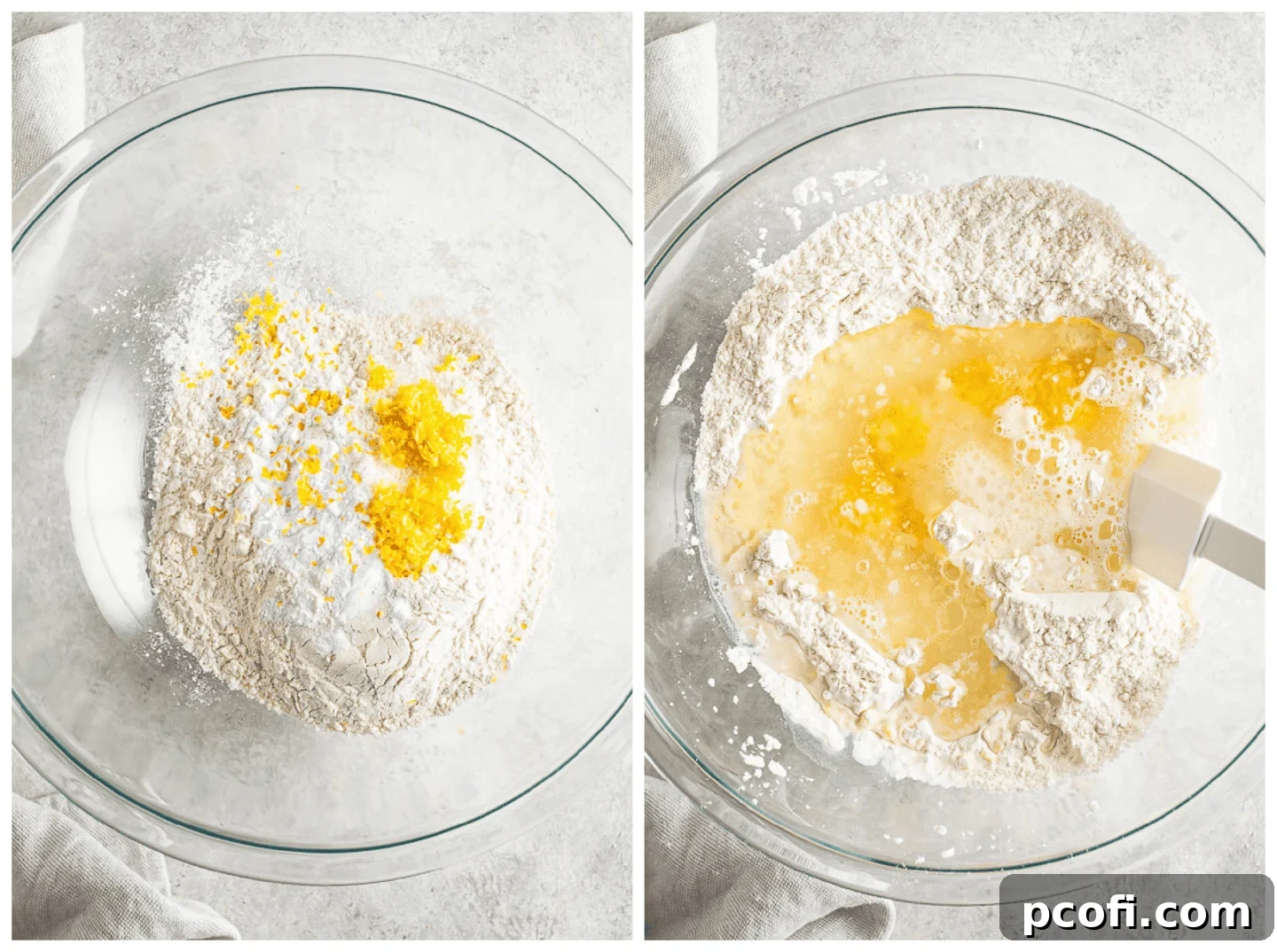
Begin by taking your large mixing bowl. Into this bowl, whisk together the cake flour, baking powder, salt, and finely grated lemon zest. Whisking ensures that these ingredients are thoroughly combined and aerated, which is crucial for a light cake. The lemon zest, in particular, should be well distributed to infuse the entire cake with its aromatic oils. Once thoroughly mixed, create a noticeable well in the center of your dry mixture, preparing it for the liquid components.
Step 2: Combine the Wet and Dry Ingredients
Into the well you’ve created in the dry ingredients, carefully add the egg yolks, water, oil, and lemon extract. Starting your mixing in the very center, gently whisk these liquid ingredients together. As you continue to whisk, gradually expand your circles, slowly incorporating small amounts of the dry ingredients from the edges into the wet mixture. This method helps to create a smooth, lump-free batter without overworking the flour, which could lead to a tough cake. Continue whisking until you have a uniformly smooth and vibrant lemon-yellow batter.
Step 3: Create the Fluffy Meringue
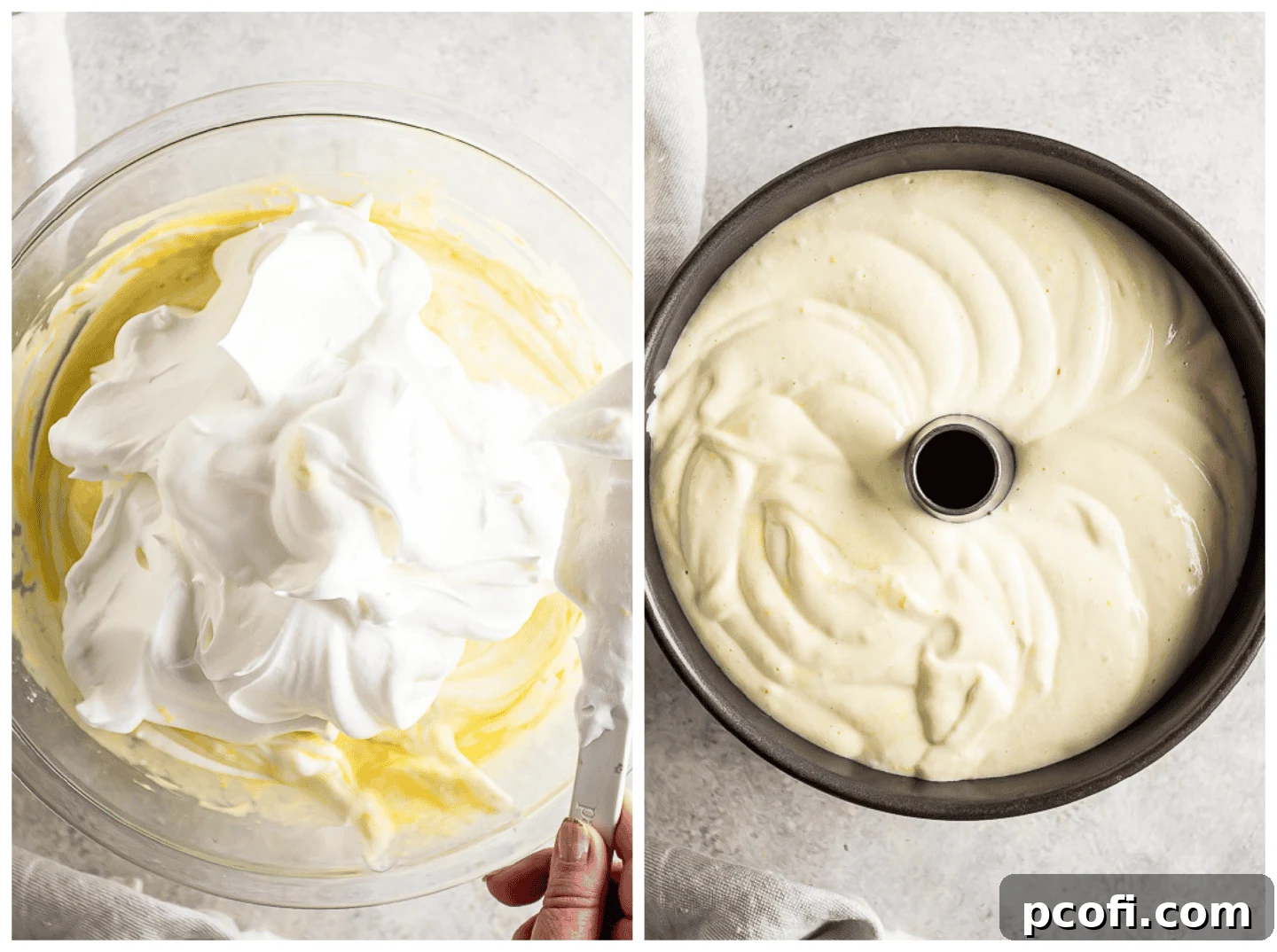
This is perhaps the most critical step for chiffon cake’s signature texture. In a separate, very clean, and completely grease-free large bowl, combine the egg whites and lemon juice. Begin whipping them on medium-low speed. As the egg whites start to become foamy, indicating that air is being incorporated, slowly and steadily stream in the granulated sugar. The key here is patience; adding the sugar gradually allows it ample time to dissolve into the egg whites, creating a stable and glossy meringue. Avoid adding it too quickly, as this can collapse the delicate air bubbles you’re building. Once all the sugar has been incorporated, increase the mixer speed to high and continue whipping until the meringue holds stiff, shiny peaks. When you lift the whisk, the peaks should stand firm and glossy, not droop.
Now, it’s time to combine the meringue with the cake batter. Gently take one large dollop (about a quarter) of the prepared meringue and delicately fold it into your lemon cake batter. This initial incorporation helps to lighten the heavier batter, making it easier to fold in the remaining meringue without deflating the air. Once the batter is slightly lightened, add the rest of the meringue. Using a silicone spatula, gently fold it in with an upward, circular motion, being extremely careful not to knock out the precious air bubbles. The goal is to combine the mixtures until just no streaks of white remain, ensuring the batter remains light and airy.
Step 4: Bake and Cool to Perfection
Without delay, carefully transfer the light and airy chiffon batter into your prepared (ungreased!) tube pan. Place the pan directly into your preheated hot oven. The cake will bake until it achieves a beautifully puffed, golden-brown top and feels springy to the touch. A simple test involves gently pressing the top; if it springs back immediately, it’s a good sign of doneness. For ultimate certainty, insert a toothpick into the thickest part of the cake; if it comes out clean or with only a few moist crumbs clinging to it, your cake is ready. Immediately upon removing it from the oven, invert the hot cake and allow it to cool completely upside down in the pan. This crucial step prevents the delicate structure from deflating and ensures your chiffon cake remains wonderfully tall and airy.
Serving Suggestions for Your Lemon Chiffon Cake
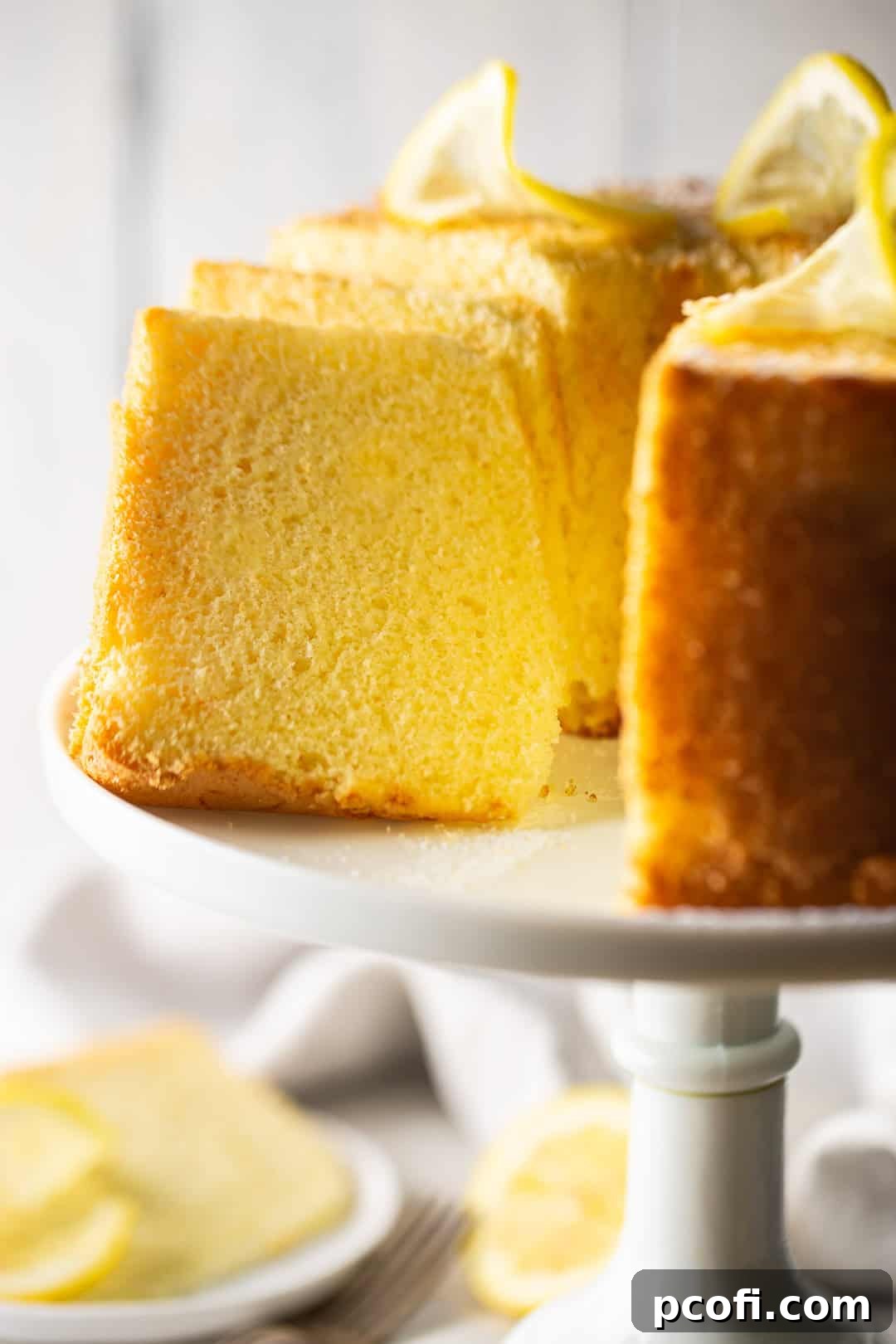
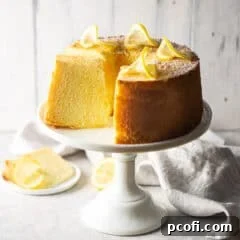
The inherent simplicity and delicate flavor of lemon chiffon cake make it incredibly versatile when it comes to serving. For the cake you see pictured here, I chose to highlight its understated elegance with a mere dusting of powdered sugar and a few artfully crafted lemon twists. This minimalist approach allows the cake’s vibrant flavor and unique texture to speak for themselves.
However, if you’re looking to elevate the experience, the possibilities are endless! A generous dollop of freshly whipped cream provides a cloud-like contrast to the cake’s airy crumb, while a luscious swirl of homemade lemon curd can intensify the citrus burst, adding a delightful tang and creamy richness. For a refreshing and visually stunning presentation, consider pairing your lemon chiffon with a handful of fresh berries – raspberries, blueberries, or sliced strawberries would add both color and a complementary fruity note, transforming it into a perfect light and invigorating summer dessert. Whether kept simple or adorned with delicious accompaniments, this cake is guaranteed to impress.
Expert Tips for a Flawless Chiffon Cake
Achieving a perfect lemon chiffon cake is incredibly rewarding, and these expert tips will help ensure your cake turns out tall, light, and delicious every time.
- Avoid Yolk Contamination: The golden rule of whipping egg whites is to keep them entirely free of fat. Egg yolks are full of fat, so exercise extreme caution when separating eggs. Even a tiny speck of yolk can prevent your egg whites from whipping up to their full, stiff potential, directly impacting the volume and airiness of your chiffon cake. A clean bowl and whisk are equally important for this reason.
- Room Temperature Egg Whites: For optimal volume and stability, always allow your egg whites to come to room temperature before whipping. Room temperature whites have lower surface tension, making it easier for them to incorporate air and achieve the desired stiff peaks, which are crucial for the chiffon cake’s signature height and texture.
- Amplify the Lemon Flavor: If you’re a true citrus lover and desire an even more pronounced lemon flavor, don’t hesitate to incorporate the zest and juice of an additional lemon into your cake batter. This simple adjustment will infuse the cake with an extra layer of bright, zesty goodness without altering its delicate structure.
- Do Not Grease Your Pan: Unlike many other cake recipes, it is absolutely essential not to grease your tube pan when making chiffon cake. The batter needs to cling to the sides of the pan as it rises, using the ungreased surface as leverage to climb and achieve maximum height. Greasing the pan would cause the batter to slip down, resulting in a shorter, denser cake.
- Cool Upside-Down: This step is non-negotiable for preserving the airy structure of your chiffon cake. Immediately after baking, invert the hot cake in its pan and allow it to cool completely in this position. This prevents the delicate cake from collapsing under its own weight as it cools. If your tube pan has built-in feet, use them. If not, carefully place the center stem over the neck of a sturdy bottle, like a wine bottle, to keep it suspended.
Frequently Asked Questions About Lemon Chiffon Cake
Why didn’t my meringue get stiff?
More often than not, the primary reason for a meringue failing to whip up properly is the presence of fat. Even a minuscule amount of egg yolk, or grease from an improperly cleaned mixing bowl or whisk, can inhibit the egg whites from forming stiff peaks. To prevent this, ensure all your equipment is scrupulously clean. Washing them thoroughly in hot, soapy water and drying with a clean towel is a good start. For extra assurance, you can wipe down your bowl and whisk with a small amount of white vinegar on a paper towel before starting.
Why is my cake not tall enough?
If your lemon chiffon cake doesn’t boast the impressive height seen in photos, the issue most likely lies with the meringue. A meringue that didn’t reach stiff peaks, or was deflated during the folding process, won’t provide the necessary lift for the cake. Revisit the “Expert Tips” section, particularly the advice on preventing yolk contamination and ensuring room temperature egg whites for the best possible meringue.
How do I get it out of the pan?
Once your lemon chiffon cake has cooled completely while inverted, it should typically release quite easily. If you encounter any resistance, carefully run the blade of a thin, sharp knife around the outer edges of the cake and also around the inner core (the stem of the tube pan). Ensure the knife reaches the bottom of the pan to fully loosen the cake before attempting to remove it.
Can you make this in a different-sized pan?
Yes, this versatile lemon chiffon cake recipe can certainly be adapted for various pan sizes and styles. You can halve the recipe to bake it in a 9×13-inch metal cake pan, create an impressive triple-layer 6-inch cake, or a double-layer 8- or 9-inch cake. It also yields approximately 24 delightful cupcakes or a comforting loaf baked in a standard-sized loaf pan. When altering pan sizes, it’s crucial to closely monitor the baking time, as smaller or flatter cakes will bake significantly faster than a large tube cake. Adjust your oven time accordingly and rely on the toothpick test for doneness.
Can this be made with other flavors?
Absolutely! The beauty of chiffon cake is its adaptability to various flavors. Feel free to swap out the lemon for another citrus fruit entirely. Imagine a vibrant orange chiffon cake, a zesty lime chiffon cake, or even an elegant grapefruit chiffon cake – all would be equally delightful. Alternatively, you can omit the citrus entirely and flavor it simply with vanilla extract, or for a more sophisticated touch, the fragrant seeds from a vanilla bean. If you choose to go without citrus, adding a pinch of cream of tartar to your egg whites can help stabilize them, ensuring a strong, consistent meringue.
Can you make lemon chiffon cake ahead of time?
Yes, making lemon chiffon cake ahead of time is not only possible but often recommended, especially for entertaining. The cake requires about an hour to cool completely in its inverted position. Once fully cooled, it can be kept at room temperature for a few days, provided it is tightly wrapped to prevent drying out. For longer storage, it can be refrigerated for up to a week. Chiffon cake also freezes beautifully; tightly wrapped, it will keep for several months and can be thawed either in the refrigerator or at room temperature. Its excellent keeping qualities make it an ideal dessert to prepare in advance.
What is the serving size?
This recipe yields a generously sized cake, perfect for feeding a crowd and making it an ideal choice for parties and celebrations. You can easily get at least 12 substantial slices from one cake. The nutritional information provided below is calculated for one slice, representing 1/12th of the entire cake, and does not account for any additional toppings or garnishes you might add.
Explore More of Our Best Cake Recipes
If you’ve enjoyed the delightful experience of baking this lemon chiffon cake, you might be interested in exploring other beloved cake recipes from our collection:
- Classic Vanilla Cake
- Rich Chocolate Cake
- Velvety Red Velvet Cake
- Moist Lemon Pound Cake
Each recipe is crafted with care to bring you delicious results every time.
As an Amazon associate, I earn from qualifying purchases.
Lemon Chiffon Cake
12
servings
Leave a Review
Ingredients
- 2 cups (250 g) cake flour
- 1 tablespoon (12 g) baking powder
- 1 teaspoon (6 g) kosher salt
- 1 tablespoon (6 g) lemon zest (zest of one lemon)
- 8 large eggs (separated)
- 1 cup (236.59 g) water
- 1/2 cup (112 g) oil
- 1 teaspoon (5 g) lemon extract
- 3 tablespoons (45 g) lemon juice (juice of one lemon)
- 1 cup (200 g) granulated sugar
Instructions
-
Preheat the oven to 350 degrees F.
-
Stir the flour, baking powder, salt, and lemon zest together in a large bowl.
-
Make a well in the center, and add the egg yolks, water, oil, and lemon extract.
-
Starting in the center and working your way outwards, whisk the liquid ingredients together, gradually drawing the dry ingredients into the batter.
-
In a separate, very clean, grease-free bowl, whip the egg whites and lemon juice together on medium-low speed until foamy.
-
Add the sugar in a very slow, steady stream while continuing to whip.
-
When all the sugar has been added, turn up the mixer to high speed and whip the meringue until it holds stiff peaks.
-
Add a spoonful of the meringue to the cake powder, folding it in gently to lighten the mixture.
-
Fold in the remaining meringue, and transfer the batter to a 10-inch tube pan.
-
Bake the cake until golden brown on top, puffed, and springy to the touch (approx. 45 minutes to 1 hour). A toothpick inserted in the thickest part should come out clean.
-
Remove the cake from the oven and flip it upside-down to cool completely in the pan.
Notes
Recipe adapted from King Arthur Baking.
Nutrition Facts (per serving): Serving: 1/12th cake, Calories: 266kcal, Carbohydrates: 33g, Protein: 6g, Fat: 13g, Saturated Fat: 2g, Polyunsaturated Fat: 3g, Monounsaturated Fat: 7g, Trans Fat: 0.05g, Cholesterol: 109mg, Sodium: 238mg, Potassium: 167mg, Fiber: 1g, Sugar: 17g, Vitamin A: 159IU, Vitamin C: 2mg, Calcium: 65mg, Iron: 1mg.
Cuisine: American
Course: Dessert, Snack
Tried this recipe?
Mention @bakingamoment on Instagram or tag #bakingamoment.