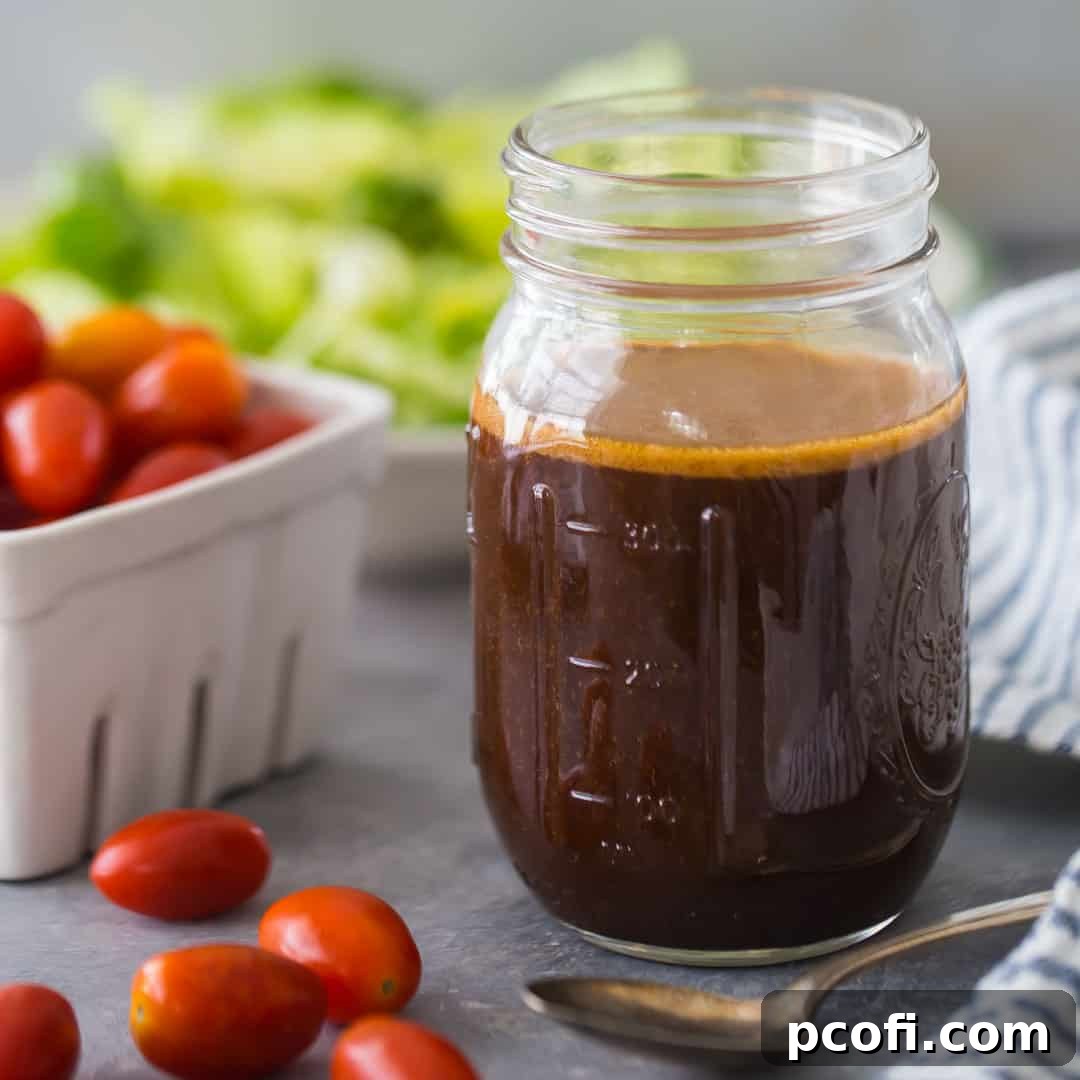
Elevate Your Meals with the Easiest Homemade Balsamic Vinaigrette Recipe
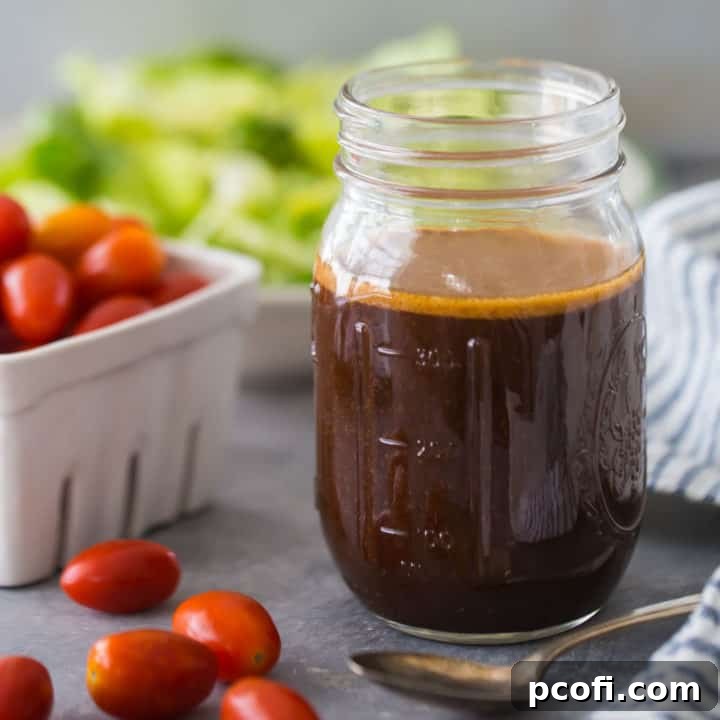
There’s something truly special about a homemade dressing, and this balsamic vinaigrette recipe is a testament to that. It’s an incredibly simple and straightforward concoction, yet it delivers a burst of flavor that store-bought versions simply can’t match. For years, this has been my go-to dressing, a staple I could practically whip up in my sleep. And now, I’m thrilled to finally share it with you!
This isn’t just any basic dressing; it’s a perfectly balanced blend of tangy and subtly sweet notes, enhanced with just the right amount of seasoning. Its versatility knows no bounds, tasting fantastic on everything from a crisp, tossed green salad to succulent grilled vegetables, roasted chicken, or flaky baked fish. Once you try this homemade balsamic vinaigrette, you’ll wonder how you ever managed without it. Get ready to transform your meals with minimal effort!
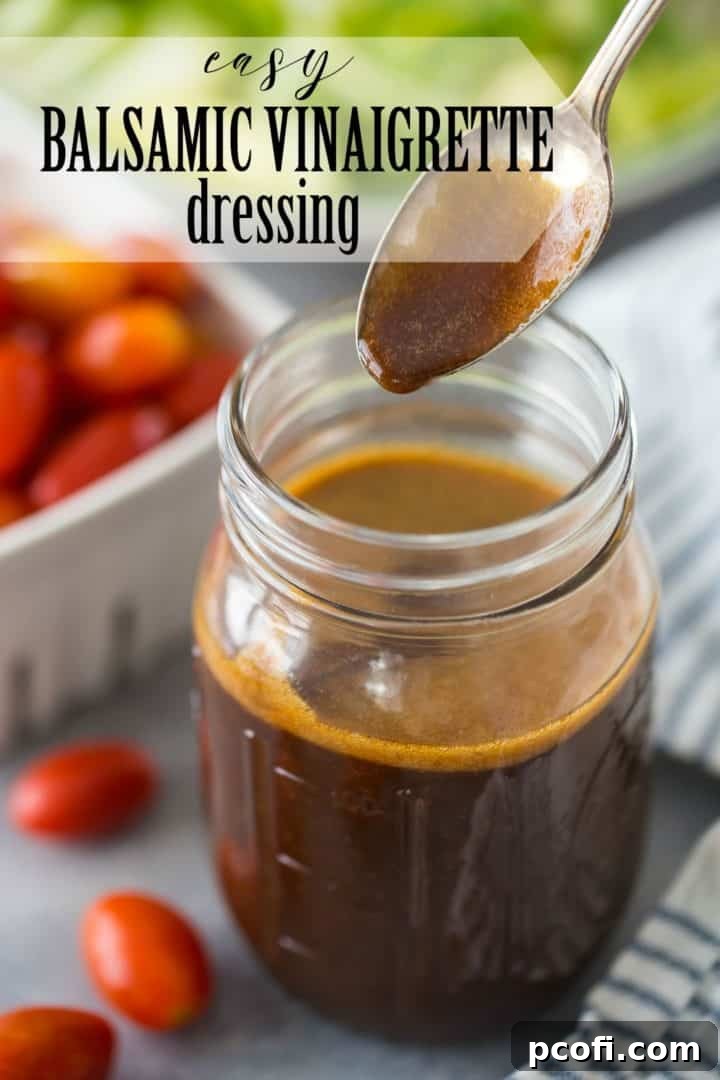
Mastering the Art of Homemade Balsamic Vinaigrette
Crafting your own balsamic vinaigrette is a rewarding experience, offering superior flavor and control over ingredients compared to store-bought alternatives. The beauty of this recipe lies in its simplicity, requiring just a handful of everyday pantry staples. You’ll be amazed at how quickly you can create a vibrant, fresh dressing that elevates any dish.
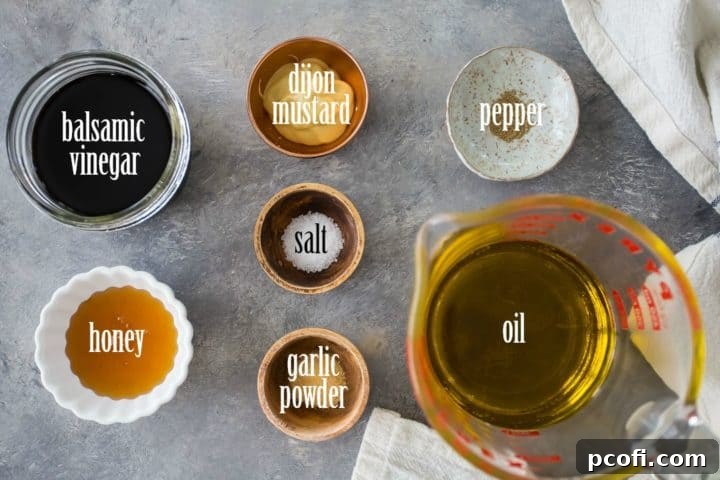
For this essential dressing, you’ll need:
- **Balsamic Vinegar:** The star of the show, providing that signature tangy depth.
- **Honey:** To balance the acidity with a touch of natural sweetness.
- **Dijon Mustard:** Not just for flavor, it’s also a secret weapon for emulsification.
- **Salt:** To enhance and round out all the flavors.
- **Garlic Powder:** For a subtle, savory aromatic hint.
- **Black Pepper:** Freshly ground, if possible, for a gentle kick.
- **Olive Oil:** The foundational oil, adding richness and body.
These are truly simple ingredients, but their magic lies in their synergy and your ability to customize them. This recipe offers incredible flexibility. Don’t be afraid to experiment! You could easily swap balsamic vinegar for another type, substitute honey with a different sweetener, or even omit the mustard if it’s not to your taste. We’ll delve into more exciting variations later, but for now, let’s focus on the core technique to achieve that perfect, creamy consistency.
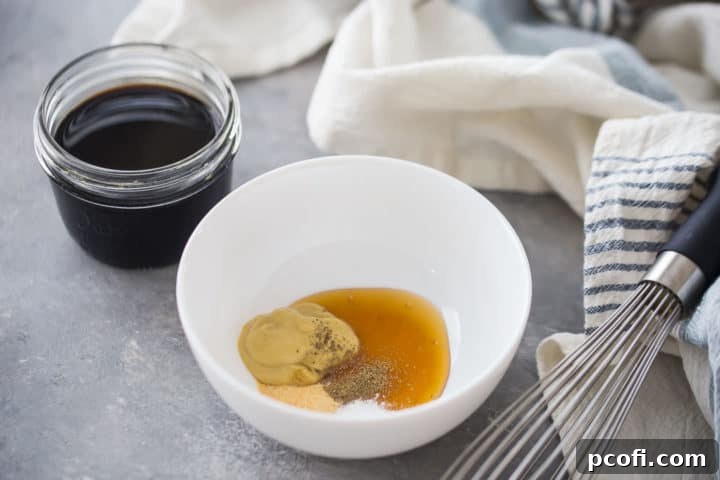
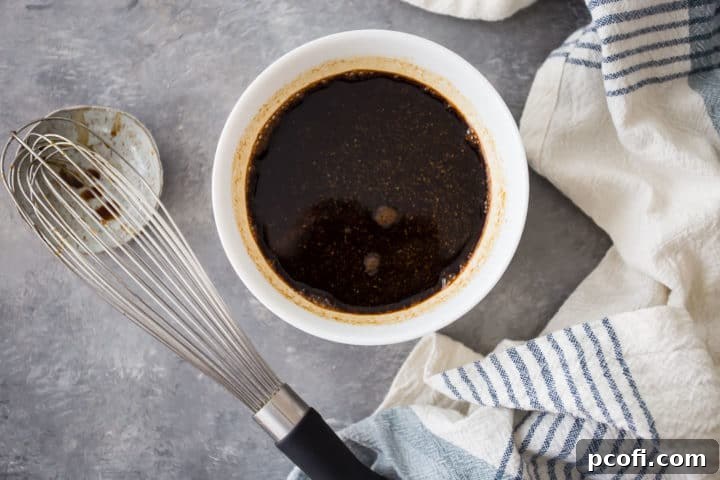
Begin by combining all the non-oil ingredients: the balsamic vinegar, honey, Dijon mustard, salt, garlic powder, and pepper. Place them into a medium-sized bowl. Whisk these components together thoroughly until they are completely integrated and smooth. This initial blend ensures that all the flavors are evenly distributed before the oil is introduced.
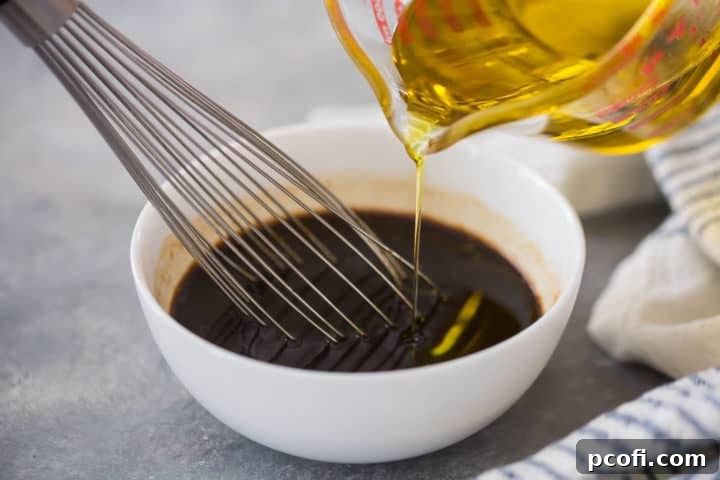
Now comes the crucial step: adding the olive oil. Drizzle the oil into the mixture in an exceptionally slow and steady stream, while continuously whisking with vigor. This methodical approach is key to achieving a beautifully emulsified, thick, and smooth dressing that won’t separate quickly. The slower you add the oil and the more energetically you whisk, the better the emulsion will be.
The Secret to a Perfectly Emulsified Vinaigrette
Emulsification is the process of combining two immiscible liquids (like oil and vinegar) into a stable mixture where tiny droplets of one are dispersed throughout the other. For a vinaigrette that maintains its smooth consistency and doesn’t quickly separate, this step is paramount. The primary rule is to add the oil in a thin, continuous stream while whisking relentlessly.
The science behind it is fascinating: the vigorous whisking breaks the oil into microscopic droplets, while ingredients like Dijon mustard act as emulsifiers. Mustard contains compounds that help stabilize the mixture, preventing the oil and vinegar from separating back into distinct layers. If you add too much oil at once, the emulsion “breaks,” and your dressing will appear greasy and separated.
For those who might be nervous about whisking by hand, or simply want an even smoother result, a blender or food processor is an excellent tool. Just combine all ingredients except the olive oil in the blender. With the motor running, remove the lid insert and slowly drizzle the olive oil through the opening. The high-speed blades will create an incredibly stable and creamy emulsion in a matter of seconds.
Alternatively, for a quick and easy shortcut, you can place all ingredients into a jar with a tight-fitting lid and shake it vigorously. While this method is convenient, it typically produces a less stable emulsion, meaning your vinaigrette is more likely to separate over time compared to one made with the slow drizzle and whisking technique. A quick re-shake before serving will usually bring it back together.
Dietary Considerations: Gluten-Free and Vegan Options
One of the many benefits of making your own dressing is the ability to easily cater to specific dietary needs. This homemade balsamic vinaigrette is naturally 100% gluten-free, making it a safe and delicious option for anyone with gluten intolerance or celiac disease. You can serve it with confidence, knowing it won’t cause any issues.
As written, the recipe is not vegan due to the inclusion of honey. However, transforming it into a delightful vegan balsamic vinaigrette is incredibly simple! Just swap out the honey for an alternative liquid sweetener. My top recommendations for vegan substitutes include maple syrup, agave nectar, or even a touch of brown sugar or granulated sugar dissolved in a small amount of warm water or vinegar. Each will impart a slightly different nuance of sweetness, so feel free to experiment to find your favorite.
Creative Variations for Your Balsamic Vinaigrette
While the basic recipe is fantastic, its true magic lies in its adaptability. This dressing serves as an excellent canvas for countless flavor enhancements. Here are some ideas to inspire your culinary creativity and customize your homemade vinaigrette:
- **Aromatic Enhancements:** For a subtle, mild onion flavor, stir in a teaspoon of finely minced fresh shallot. You can also add a pinch of dried oregano or Italian seasoning for an herbaceous Mediterranean twist.
- **Citrus Zing:** Replace half or all of the balsamic vinegar with fresh lemon juice for a bright and zesty lemon vinaigrette, perfect for lighter salads or seafood. Lime juice could also offer an exciting twist.
- **Vinegar Adventures:** Don’t limit yourself to balsamic! Explore other vinegars for different flavor profiles. Try sherry vinegar for a nutty, complex note, champagne vinegar for a delicate touch, robust red wine vinegar, or tangy apple cider vinegar for a healthier profile. Each choice will create a distinctly unique dressing.
- **Creamier Textures:** If you prefer a richer, creamier dressing, whisk in a tablespoon or two of Greek yogurt, sour cream, or even a good quality mayonnaise. This will add body and a smooth finish, transforming it into a creamy balsamic dressing.
- **Fruity Infusions:** For a burst of natural fruitiness, blend in a small amount of pureed fresh raspberries, strawberries, or even a spoon of fig jam for a sophisticated, sweet-tart balsamic vinaigrette. These additions pair beautifully with the balsamic base.
- **Spicy Kick:** A pinch of red pepper flakes or a dash of hot sauce can introduce a delightful warmth, perfect for those who enjoy a little heat.
Beyond the vinegar, consider the oil. I typically opt for extra-virgin olive oil for its robust flavor and health benefits. However, don’t hesitate to get creative! This dressing would be equally fantastic with nutty walnut oil, fragrant hazelnut oil, or something milder like grapeseed oil or even a neutral vegetable oil for a less pronounced olive flavor.
A note on ratios: I personally prefer my salad dressings to be slightly more vinegar-forward, so I typically use a 2:1 ratio of vinegar to oil (or slightly less oil). If you find this too tangy for your palate, feel free to adjust the proportions. You can easily use less vinegar and more oil to achieve a milder, richer dressing that perfectly suits your taste buds. There’s no strict rule, only what tastes best to you.
Finally, remember that Dijon mustard plays a dual role here. It contributes a wonderful tangy flavor, but it also acts as a vital emulsifier, helping to bind the oil and vinegar together. If you’re not a fan of mustard, you can certainly leave it out, but be prepared for a slightly less stable emulsion. To compensate, you could replace it with a small amount of egg yolk (if not vegan) or a little bit of mayonnaise, which also function as excellent emulsifying agents.
Beyond the Salad Bowl: Exciting Ways to Enjoy Vinaigrette
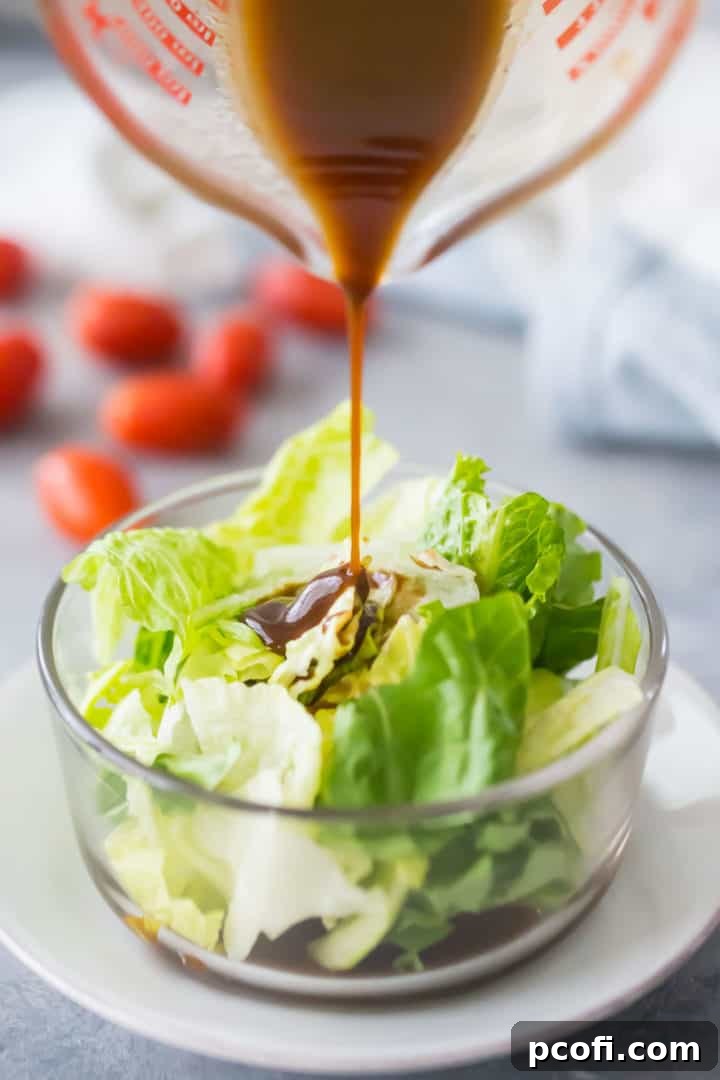
While this homemade balsamic vinaigrette is a quintessential companion for any salad, its utility extends far beyond. Its vibrant flavor profile makes it an incredibly versatile condiment that can enhance a multitude of dishes. Here are some of my favorite creative applications:
- **Gourmet Bread Dipping:** Move over plain olive oil! Pour some balsamic vinaigrette into a shallow dish for an irresistibly flavorful dip for crusty bread. It’s a simple way to elevate your appetizer game. If you’re feeling ambitious, try it with a homemade crusty French baguette or these delectable soft Italian breadsticks.
- **Grilled Vegetable Marinade & Drizzle:** Before grilling, marinate your favorite vegetables in this vinaigrette for an extra layer of flavor. It’s particularly fantastic drizzled over hot, charred asparagus, tender eggplant, or perfectly grilled zucchini and bell peppers. The heat from the grill caramelizes the vinaigrette beautifully.
- **Flavorful Meat & Fish Sauce:** Use it as a vibrant finishing sauce or a light marinade for chicken, fish, or even steak. It adds a refreshing tang that cuts through the richness of meats. I find it absolutely divine drizzled over pan-seared or baked salmon, transforming a simple dish into something extraordinary.
- **Roasted Vegetable Boost:** Toss root vegetables like potatoes, carrots, or Brussels sprouts with the vinaigrette before roasting. The flavors will concentrate and caramelize in the oven, yielding incredibly delicious results.
- **Pasta Salad Perfection:** Incorporate it into your favorite cold pasta salads. It acts as a light, refreshing dressing that coats the pasta and vegetables beautifully without being heavy.
- **Grain Bowl Game Changer:** Drizzle over warm grain bowls featuring quinoa, farro, or couscous, along with roasted vegetables and protein. It ties all the elements together with a bright, cohesive flavor.
Storing Your Homemade Vinaigrette for Optimal Freshness
One of the advantages of homemade dressings is knowing exactly what goes into them, and proper storage ensures they stay fresh and delicious. Due to the high acidity of the vinegar in this balsamic vinaigrette, it possesses natural preservative qualities, allowing it to remain safe at room temperature for a few days if kept in an airtight container. This is convenient if you plan to use it frequently.
However, if you’ve added any perishable ingredients such as dairy (like Greek yogurt or mayonnaise), fresh herbs, minced raw garlic, or chopped onions, it’s always best to refrigerate the dressing immediately. These additions reduce the shelf life and require cold storage to prevent spoilage.
When refrigerated, your homemade balsamic vinaigrette will typically last for several weeks, if not longer, depending on the freshness of your ingredients. You may notice that the colder temperature causes the olive oil to solidify or become cloudy. This is a completely normal and natural reaction of olive oil to cold, and it does not affect the quality or safety of the dressing. Simply allow the vinaigrette to come to room temperature for 15-30 minutes before serving, or gently warm it in a bowl of warm water for a few minutes, and the oil will return to its liquid state. Give it a good shake or whisk before each use to re-emulsify.
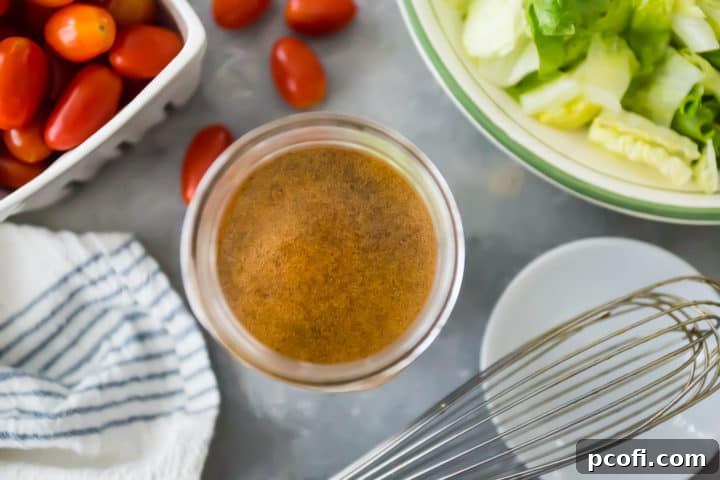
I genuinely hope this simple yet incredibly flavorful balsamic vinaigrette recipe becomes a beloved staple in your kitchen, just as it has in mine. Enjoy the fresh taste and versatility!
- Cheddar Chive Biscuits
- Hearty Chicken Pot Pie
- Comforting Loaded Baked Potato Soup
- Classic Quiche Lorraine
As an Amazon Associate, I earn from qualifying purchases.
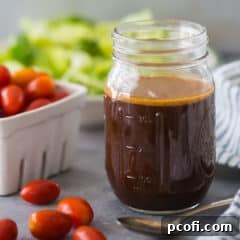
Classic Balsamic Vinaigrette
Leave a Review
Save RecipeSaved!
Ingredients
- 2/3 cup (157.73 ml) balsamic vinegar
- 1 tablespoon honey
- 1 tablespoon Dijon mustard
- 1/2 teaspoon kosher salt
- 1/4 teaspoon garlic powder
- 1/8 teaspoon ground black pepper
- 1 cup (236.59 ml) olive oil
Instructions
-
Place the balsamic vinegar, honey, Dijon mustard, salt, garlic powder, and pepper in a medium bowl and whisk to combine until thoroughly blended.
-
Gradually pour in the olive oil in a slow, continuous stream, continuing to whisk vigorously until the dressing is well emulsified and smooth.