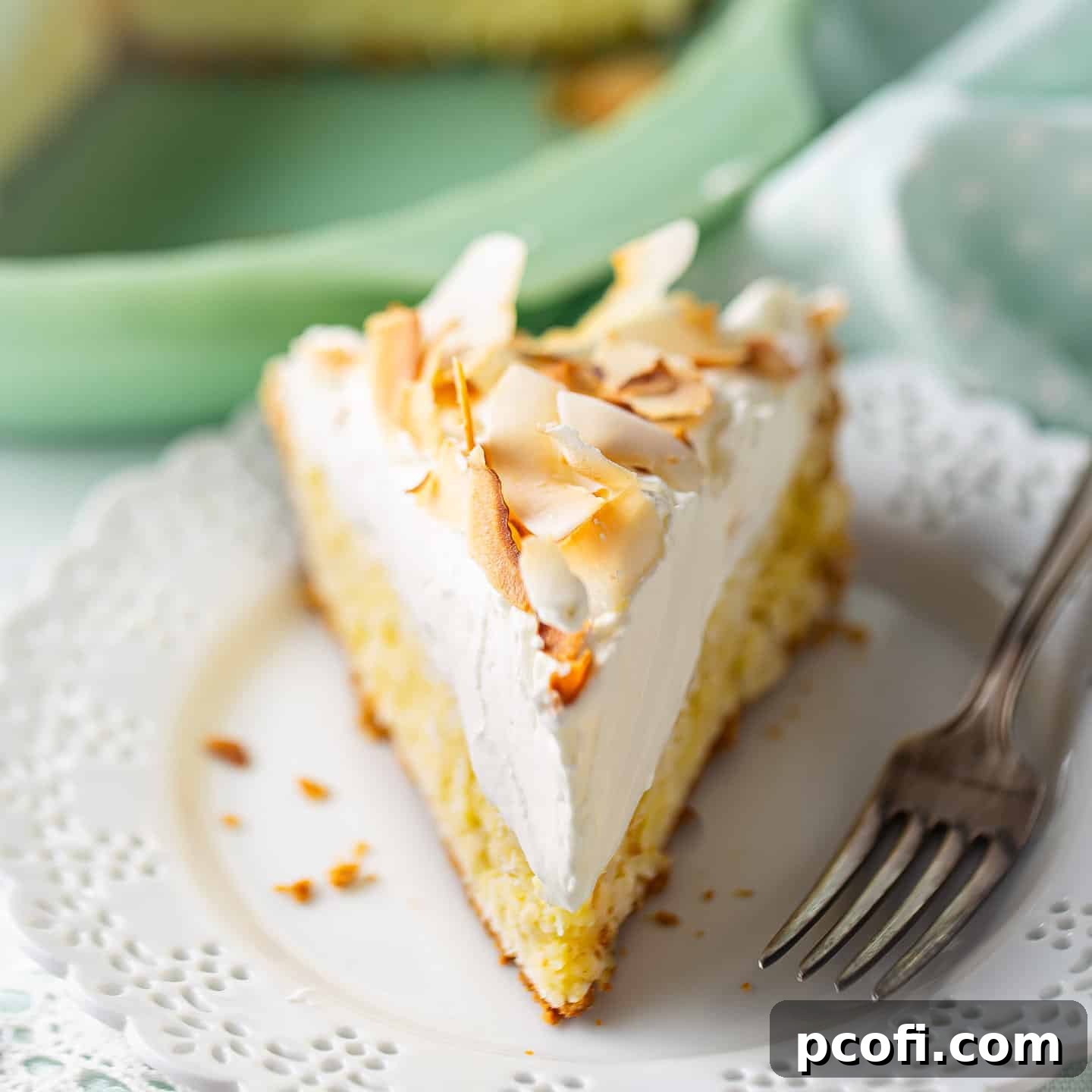
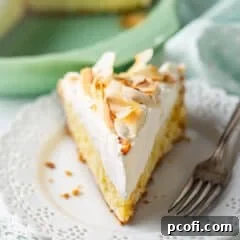
Coconut Cream Pie: A symphony of flavors and textures, featuring a rich, vanilla-scented coconut custard nestled in a perfectly toasted pie crust, all crowned with billows of light and airy whipped cream. This classic dessert is truly amazing and surprisingly simple to create!
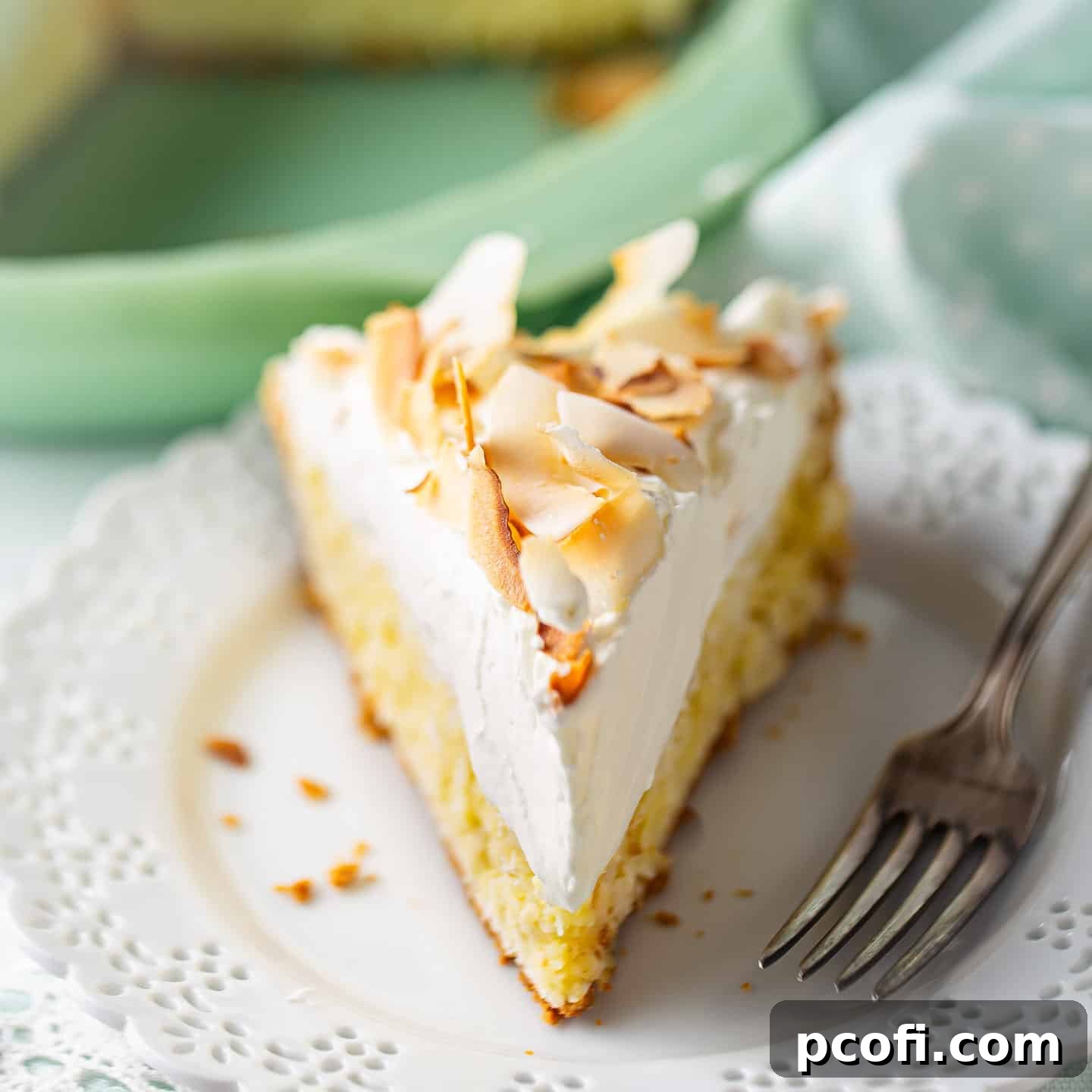
There’s something undeniably enchanting about coconut. While it doesn’t strictly adhere to a “season,” its vibrant, tropical essence seems to resonate particularly well during the spring and summer months, adding a touch of sunshine to any gathering. And what better way to celebrate this beloved flavor than with a heavenly Coconut Cream Pie?
For many years, I admit, coconut cream pie wasn’t on my radar. My palate had been somewhat hesitant towards coconut in general, leading me to believe this classic dessert simply wouldn’t capture my heart. However, one bite of this particular recipe completely transformed my perspective. It was a revelation, a “wow” moment that turned me into an instant enthusiast.
This isn’t just any coconut cream pie; it’s an exquisitely balanced dessert where every component shines. From the beautifully golden, flaky crust to the luscious, chewy coconut-packed custard, and finally, the ethereal whipped cream topping, each element comes together in perfect harmony. It’s whisper-light yet utterly satisfying, proving that even a skeptic can be converted by truly exceptional flavor.
If you’re already a devoted coconut lover, then you’ll understand this passion immediately. This recipe is more than just worth making; it’s a must-try that will undoubtedly earn a permanent spot in your dessert repertoire. And for those who are still on the fence, prepare to be pleasantly surprised and utterly charmed.
Beyond this delightful pie, the world of coconut desserts is vast and inviting. You might also enjoy exploring my recipes for coconut cake, coconut bread, and coconut macaroons to continue your coconut culinary journey!
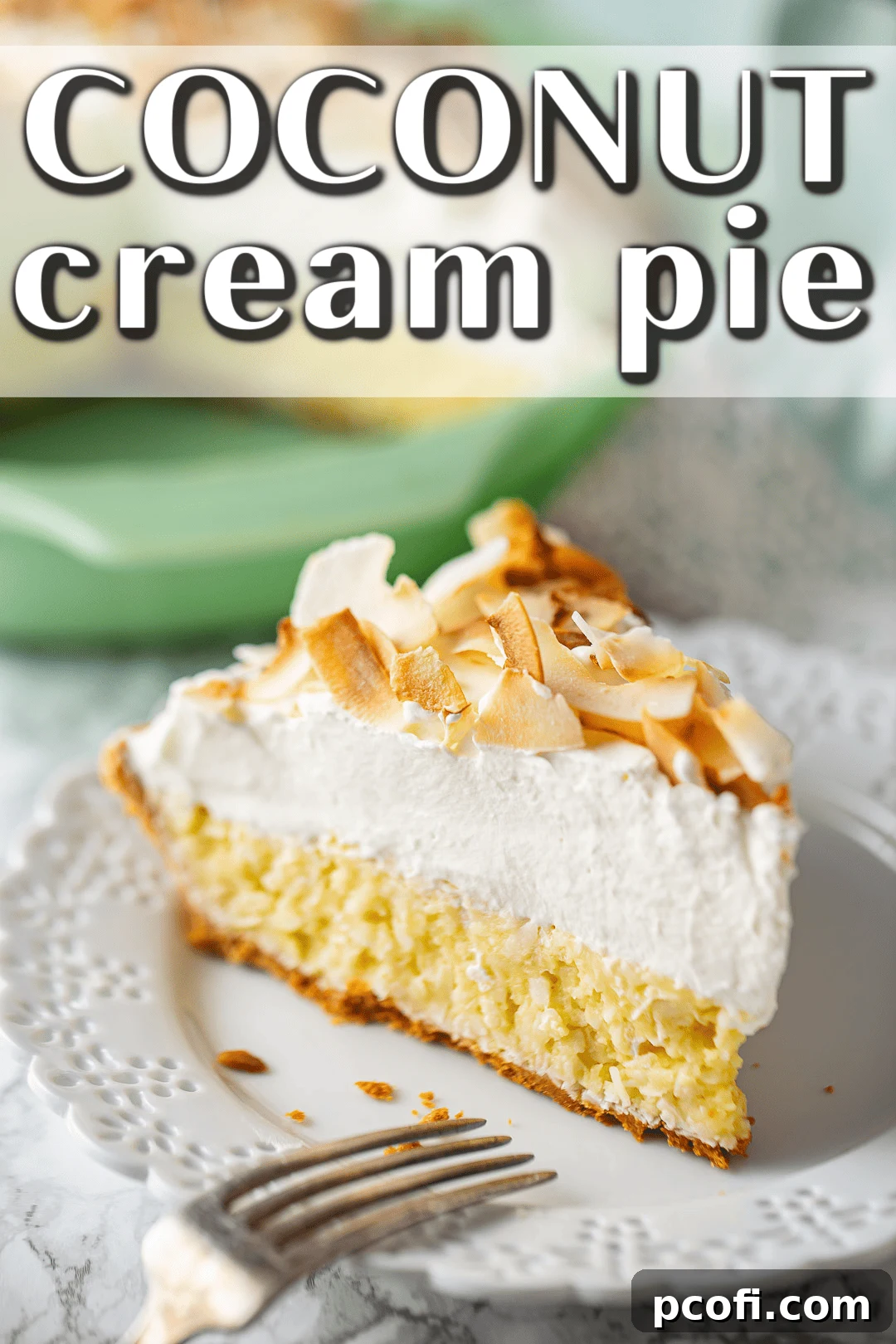
Table of Contents
- What is Coconut Cream Pie?
- Why This is the Best Coconut Cream Pie Recipe
- What Does Coconut Cream Pie Taste Like?
- Key Ingredients for Success
- Special Equipment You’ll Need
- How to Make Coconut Cream Pie (Step-by-Step)
- Serving Suggestions
- Expert Tips for a Perfect Pie
- Frequently Asked Questions
- Explore More Delicious Pie Recipes
Jump to Recipe
What is Coconut Cream Pie?
Coconut cream pie is a beloved American classic, a dessert cherished for its comforting appeal and tropical flair. At its core, it’s a harmonious blend of textures and flavors. Imagine a delicate, flaky pie crust, baked to golden perfection, cradling a rich, creamy custard filling generously studded with shredded coconut. This custard is typically sweetened, subtly eggy, and infused with the warm, inviting aroma of vanilla. The grand finale is a majestic crowning of soft, whipped cream, often garnished with toasted coconut flakes to add an extra layer of crunch and depth of flavor. It’s a dessert that speaks of nostalgia, comfort, and pure indulgence.
Why This is the Best Coconut Cream Pie Recipe
Choosing a “best” recipe can be subjective, but this coconut cream pie recipe consistently earns rave reviews for several compelling reasons:
- Unforgettable Flavor Profile: Unlike many overly sweet desserts, this pie achieves a beautiful balance. The natural sweetness of coconut and the custard is perfectly tempered, allowing the authentic flavor of each ingredient to shine through without being cloying. It’s a dessert you’ll want to savor.
- Minimal Ingredients, Maximum Impact: You don’t need a lengthy shopping list for this culinary masterpiece. It relies on a handful of common pantry staples, making it accessible for home bakers. High-quality ingredients are transformed into something extraordinary with surprising ease.
- Accessible for All Skill Levels: Don’t be intimidated by the elegance of this pie. The recipe is thoughtfully broken down into clear, manageable steps, guiding you from start to finish. Whether you’re a novice baker or a seasoned pro, you’ll find the process straightforward and rewarding.
- Versatile for Any Occasion: While coconut desserts are delightful year-round, there’s a special charm to serving this pie during festive spring celebrations like Easter, or as a refreshing treat on a warm summer evening. Its light yet satisfying character makes it perfect for any gathering, from casual family dinners to more formal events.
- Irresistible Textural Play: Beyond the flavor, this pie offers a delightful interplay of textures. The crisp, buttery crust provides a wonderful contrast to the silky-smooth custard, which itself boasts tender, chewy bits of shredded coconut. And, of course, the cloud-like whipped cream adds an ethereal softness that completes the experience.
What Does Coconut Cream Pie Taste Like?
Prepare for a delightful sensory journey with every spoonful of this coconut cream pie. The first impression is a light, airy sweetness that instantly lifts your spirits. This sweetness, however, is beautifully grounded by the toasty, slightly savory notes of the golden-brown pie crust, preventing it from being one-dimensional. The filling itself is a celebration of coconut, positively bursting with chewy, tender shreds that provide a satisfying texture with every bite. Complementing this is the rich, creamy essence of the egg custard, which melts in your mouth, leaving behind a lingering, sweet aroma of pure vanilla. It’s a symphony of tropical indulgence, offering a balanced sweetness, rich creaminess, and a wonderfully varied texture that will leave you craving another slice.
Key Ingredients for Success
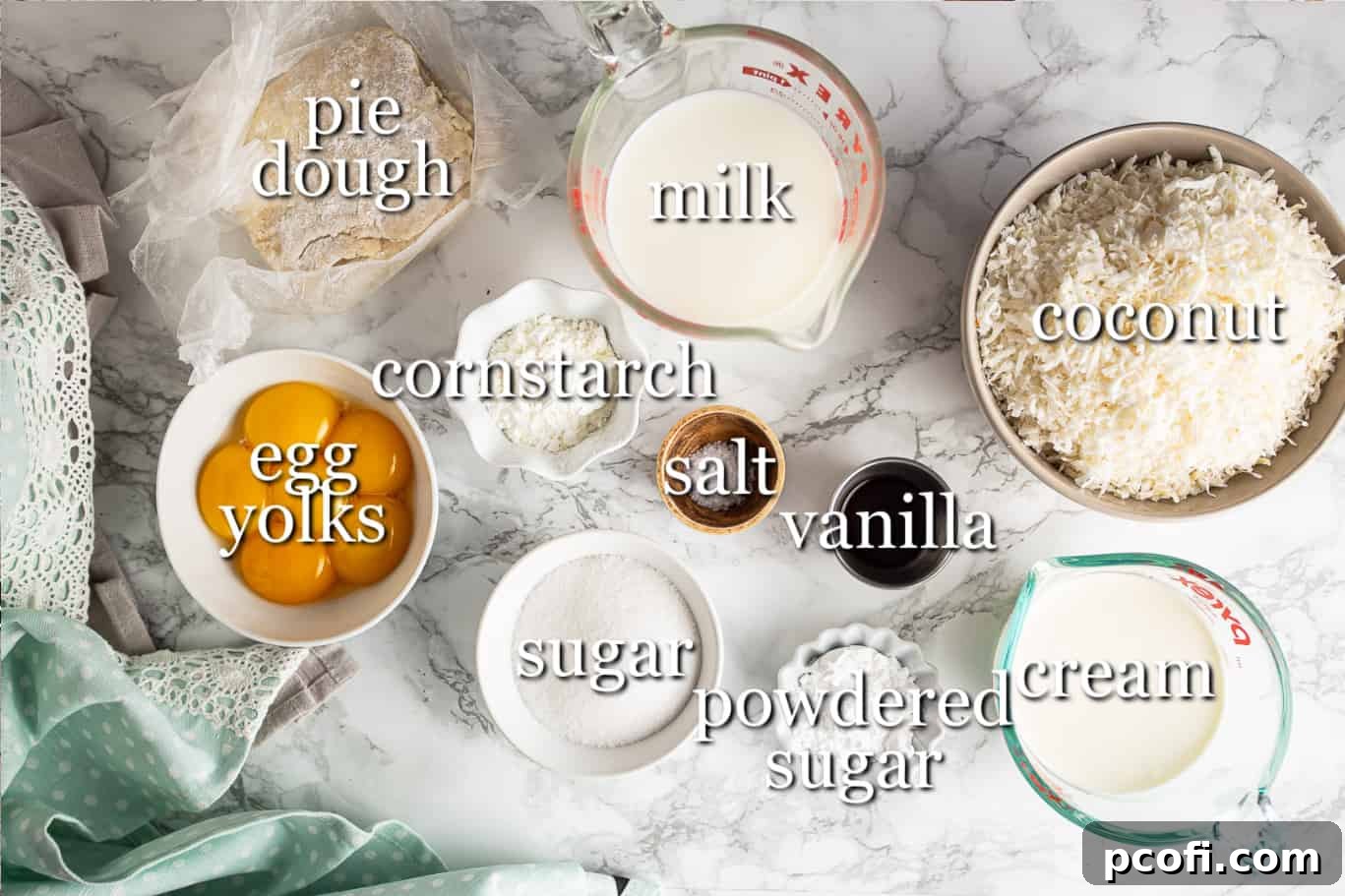
Creating an exceptional coconut cream pie starts with understanding the role of each ingredient. Here’s a detailed look at what you’ll need and why:
Pie Dough: The foundation of our pie! A half batch of my incredibly flaky, buttery homemade pie crust is highly recommended for its superior flavor and texture. However, if time is of the essence, a quality store-bought pie dough or a premade crust can be a convenient alternative. For those with dietary restrictions, a cup-for-cup gluten-free flour blend combined with a plant-based butter substitute can easily make this pie gluten-free and dairy-free.
Egg Yolks: Essential for the rich, velvety texture of our custard, you’ll need just the yolks from large chicken eggs. Yolks contribute to the custard’s creamy mouthfeel and beautiful golden hue. You can either discard the whites or, better yet, reserve them for another delightful recipe such as royal icing, s’mores brownies, or a light and airy Key lime cake. For a plant-based option, consider a 1:1 egg yolk substitute if available.
Sugar: You’ll use two types of sugar in this recipe. Granulated white sugar provides the primary sweetness for the coconut custard, ensuring it’s perfectly balanced. A small amount of powdered sugar (confectioners’ sugar) is added to the whipped cream topping, giving it a delicate sweetness and helping to stabilize its airy structure.
Cornstarch: This humble ingredient is a powerhouse thickener for the custard. Cornstarch is preferred for its ability to create a smooth, glossy, and lump-free filling without imparting any color, odor, or distinct flavor. It’s crucial to use cornstarch, which is a fine, white powder, and not cornmeal, which has a gritty texture and a distinct corn flavor more suited for savory dishes like tortillas.
Salt: A pinch of salt is vital for enhancing and balancing all the flavors in the pie. It doesn’t make the dessert taste salty, but rather intensifies the sweetness and deepens the overall profile. I highly recommend kosher salt due to its clean taste, free from the bitter additives sometimes found in iodized table salt. It’s also readily available and economical.
Milk: The liquid base for our creamy custard. While any kind of milk will work, I particularly love using unsweetened coconut milk for an extra layer of authentic coconut flavor that complements the shredded coconut. Alternatively, cream of coconut can be used for an even richer, more intense coconut experience. However, be sure to check the label for sweetness levels; if it’s already sweetened, you’ll need to adjust or omit the granulated sugar in the recipe to prevent an overly sweet result.
Vanilla Extract: A touch of high-quality vanilla extract is indispensable. Its sweet, aromatic perfume beautifully complements and enhances the tropical notes of the coconut, adding complexity and depth to the custard’s flavor.
Heavy Whipping Cream: This is the star of our luscious topping. You’ll need full-fat heavy whipping cream to ensure it whips up into stable, billowy peaks. In some regions outside the US, this may be labeled as “double cream.” Avoid using half-and-half or light cream, as their lower fat content will prevent them from whipping properly. For a dairy-free alternative, chill a can of full-fat coconut milk overnight, then scoop out the thick, solidified cream that rises to the top and whip it just like dairy cream.
Shredded Coconut: This is where the “coconut” in coconut cream pie truly shines! You can use either sweetened or unsweetened shredded coconut for the filling, depending on your preference. Sweetened coconut will result in a slightly sweeter, more pronounced coconut flavor, while unsweetened allows for more control over the overall sweetness of the pie.
Coconut Chips (for garnish): These add a beautiful visual appeal and a delightful crunch. Coconut chips are larger, more substantial flakes compared to shredded coconut, providing a different textural experience. I prefer unsweetened varieties for garnish, but sweetened works equally well. Toasting them brings out their nutty flavor and adds an irresistible aroma.
Special Equipment You’ll Need
Having the right tools can make all the difference in achieving a perfect coconut cream pie. Here’s a list of essential equipment:
- Measuring Cups and Spoons: Precision is key in baking. Refer to my guide on how to measure ingredients accurately.
- Mixing Bowls: You’ll need at least one large mixing bowl for preparing the custard and another for whipping cream.
- Whisk: Essential for whisking the custard ingredients until smooth and ensuring no lumps form during cooking.
- Medium Pot: A sturdy saucepan is needed to cook the custard filling over the stove.
- Heat-Resistant Silicone Spatula: Perfect for folding ingredients gently and scraping every last bit of custard from the bowl.
- Rolling Pin: For evenly rolling out your pie crust dough.
- Fork: Used for “docking” the pie crust to prevent puffing during blind baking.
- Pie Dish: A standard 9-inch pie dish (not a deep dish) made of metal, glass, or stoneware will work beautifully.
- Electric Mixer: While whipping cream by hand is possible with strong arms, an electric hand mixer or stand mixer makes the process quick and effortless.
- Skillet or Toaster Oven: For toasting the coconut flakes to bring out their rich, nutty flavor for garnish.
How to Make Coconut Cream Pie (Step-by-Step)
This exquisite coconut cream pie comes together in four straightforward steps. Follow these instructions carefully for a truly spectacular dessert.
Step 1: Blind-Bake the Crust to Golden Perfection
Begin by rolling your pie dough out onto a lightly floured surface. Aim for a diameter about an inch or two larger than your pie dish. Carefully transfer the dough into your pie dish, gently easing it to fit without stretching. Trim any excess dough, then fold the edges under and crimp them decoratively. For a visual guide on this technique, check out the video in my Homemade Pie Crust post.
Next, use a fork to prick small holes all over the bottom and sides of the unbaked crust. This crucial step is known as “docking” the dough, and it allows steam to escape during baking, preventing the crust from puffing up and creating an uneven base. To further ensure a flat bottom, scrunch up a piece of parchment paper, then flatten it and place it inside the crust. Fill the parchment-lined crust with ceramic pie weights or dry beans. These weights hold the dough in place, preventing shrinkage and maintaining its shape during baking.
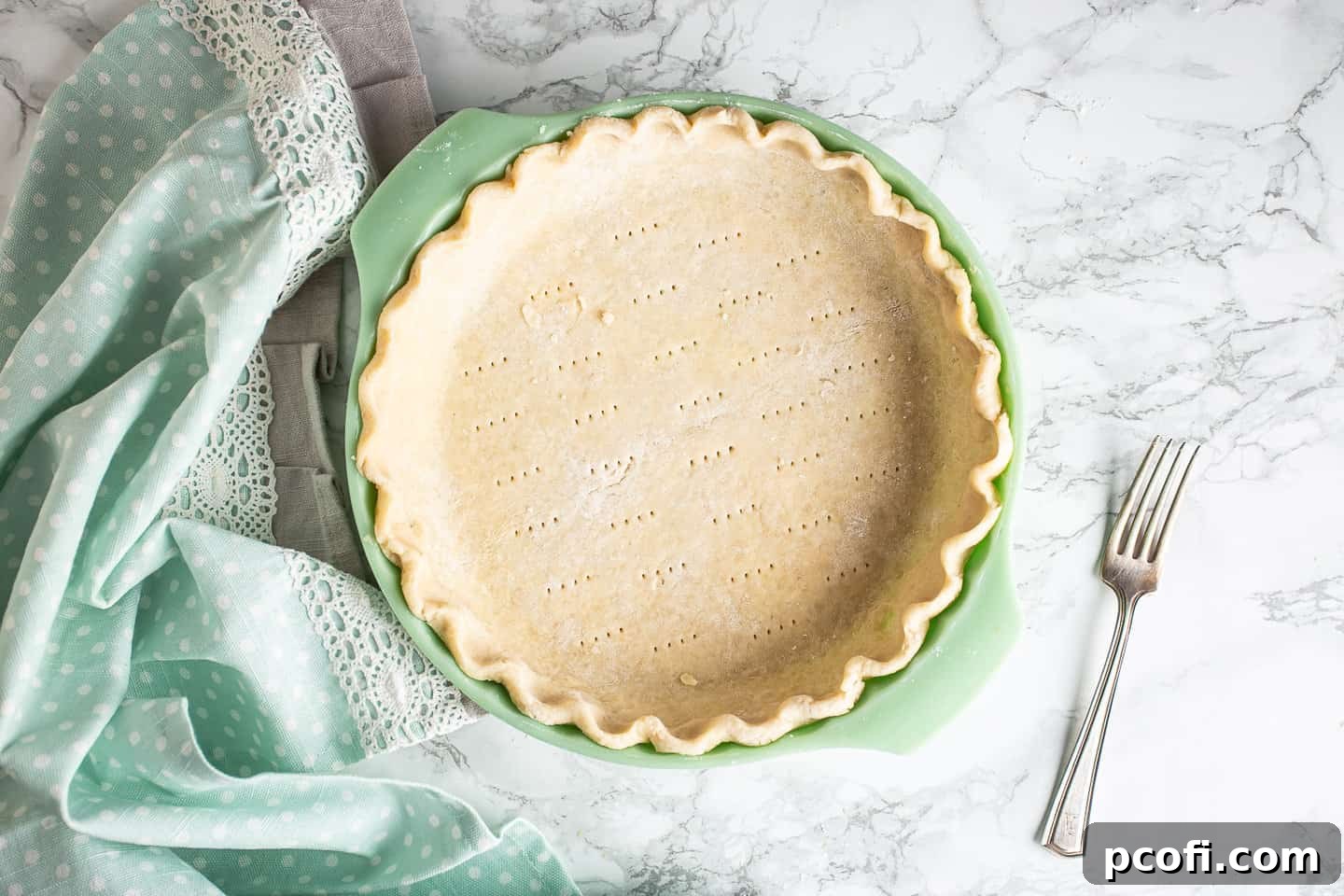
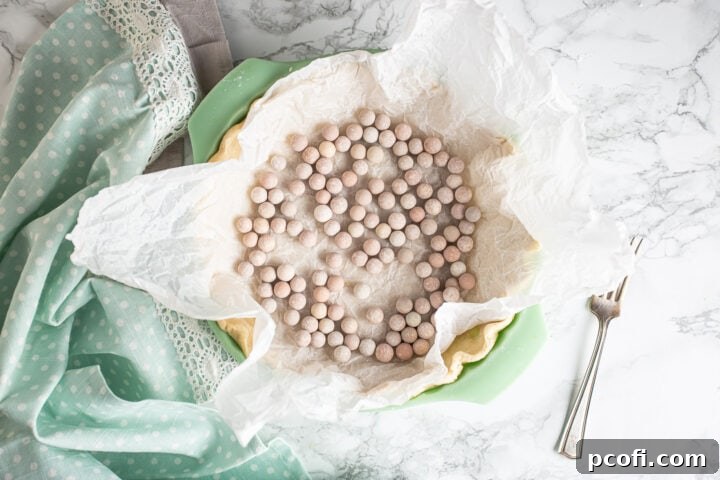
Blind-bake the crust in a preheated oven (usually 350°F or 175°C) until it is beautifully golden brown and crisp, typically for about an hour. A well-toasted crust contributes significantly to the pie’s overall flavor and prevents it from becoming soggy.
Step 2: Craft the Silky Coconut Custard
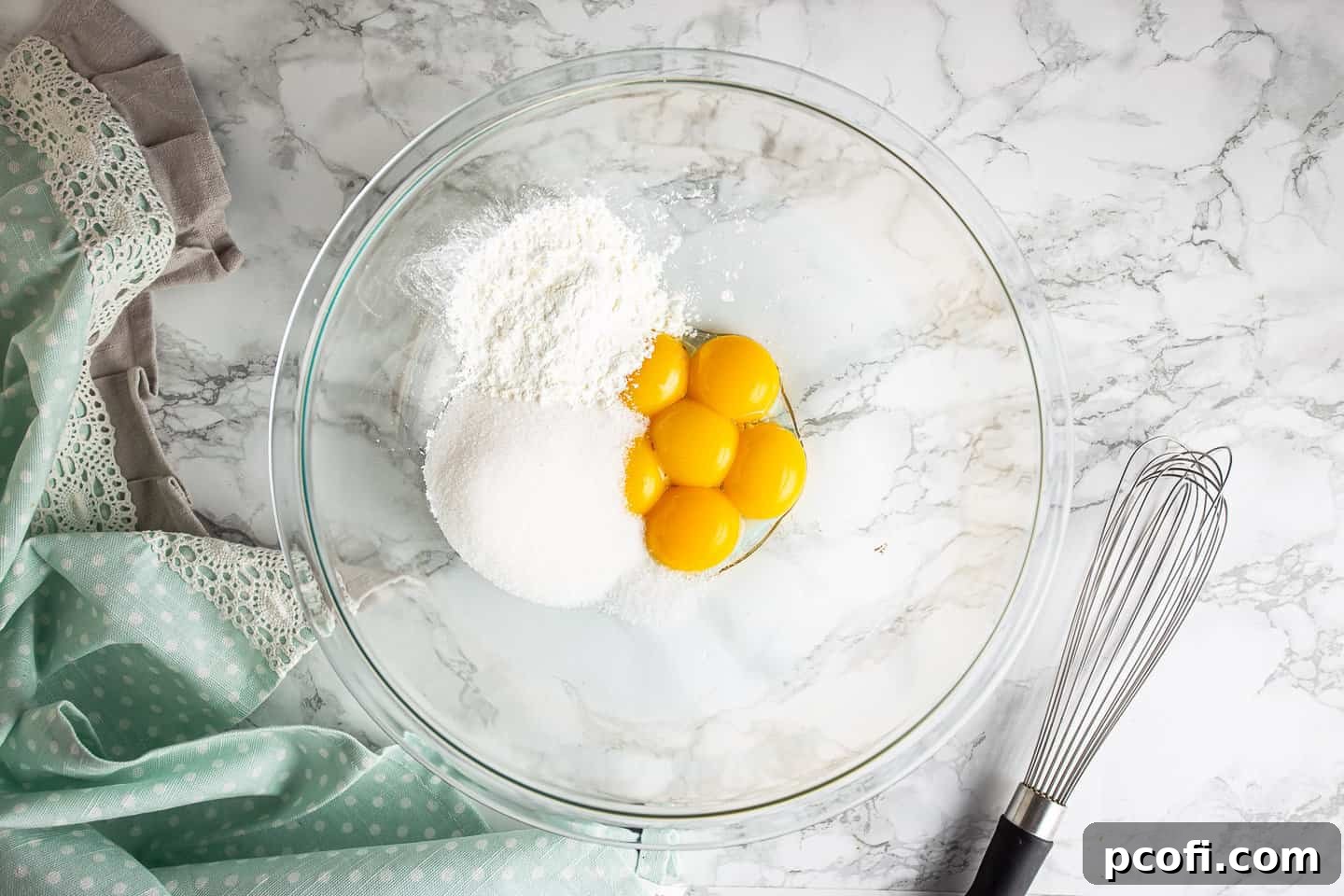
In a large mixing bowl, combine the egg yolks, granulated sugar, cornstarch, and salt. Whisk these ingredients vigorously until the mixture is completely smooth and uniform. This initial whisking helps to prevent lumps later on.
Next, gently heat the milk until it’s steamy—you can do this in the microwave or a small pot on the stove. It doesn’t need to boil, just be hot enough to help cook the eggs. This is where the tempering process begins: slowly dribble the hot milk into the egg yolk mixture, a small stream at a time, while continuously whisking. This gradual addition raises the temperature of the egg yolks slowly, preventing them from scrambling and creating a smooth base for your custard.
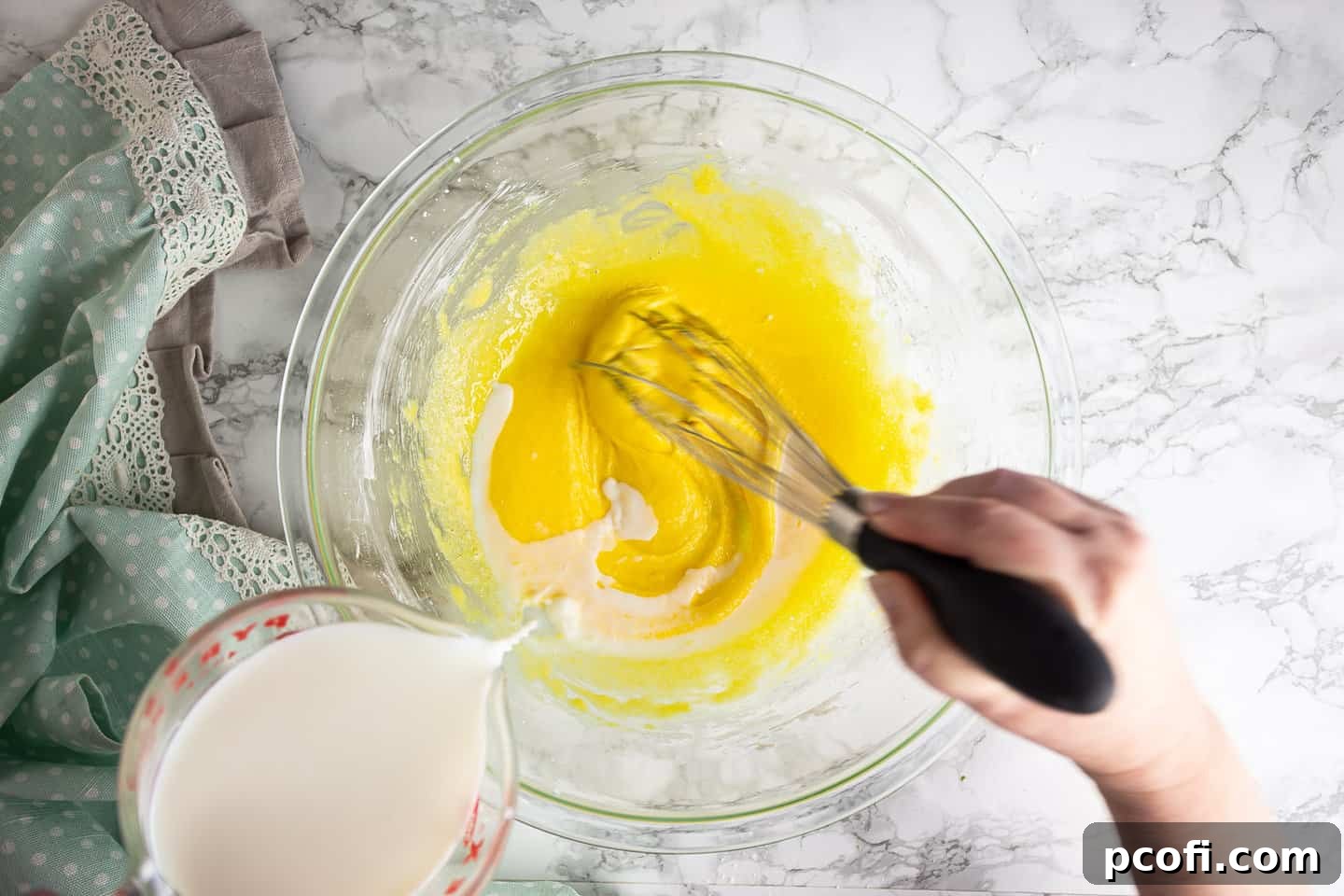
Once all the hot milk has been incorporated, transfer the entire mixture to a pot and place it over medium-low heat on the stove. Cook the custard, whisking constantly, until it visibly thickens. The cooking time can vary based on your stovetop’s heat output, but remember that the custard won’t reach its full thickening potential until it comes to a gentle simmer. Continue whisking until it’s thick enough to coat the back of a spoon. Finally, remove from heat and fold in the shredded coconut and vanilla extract. Press plastic wrap directly onto the surface of the custard to prevent a skin from forming and chill it for at least 2 hours, or until thoroughly cooled and set.
Step 3: Assemble and Fill the Pie
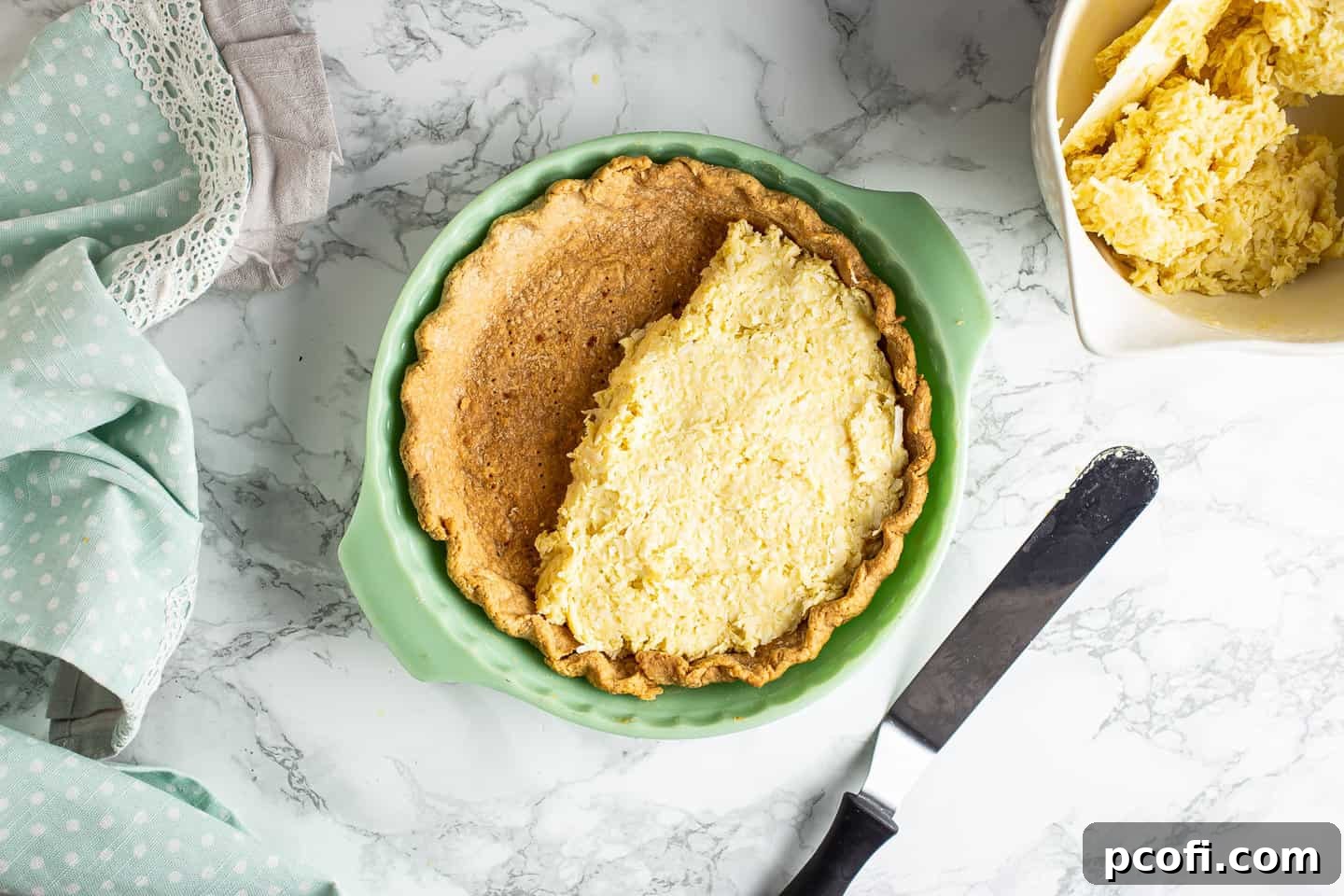
Once your custard is perfectly chilled and the blind-baked crust has cooled completely, it’s time to bring them together. Carefully transfer the creamy coconut custard into the baked pie crust, using your silicone spatula to spread it into an even, smooth layer. Ensure the custard fills the crust uniformly, creating a clean base for the topping.
Step 4: Crown with Whipped Cream and Toasted Coconut
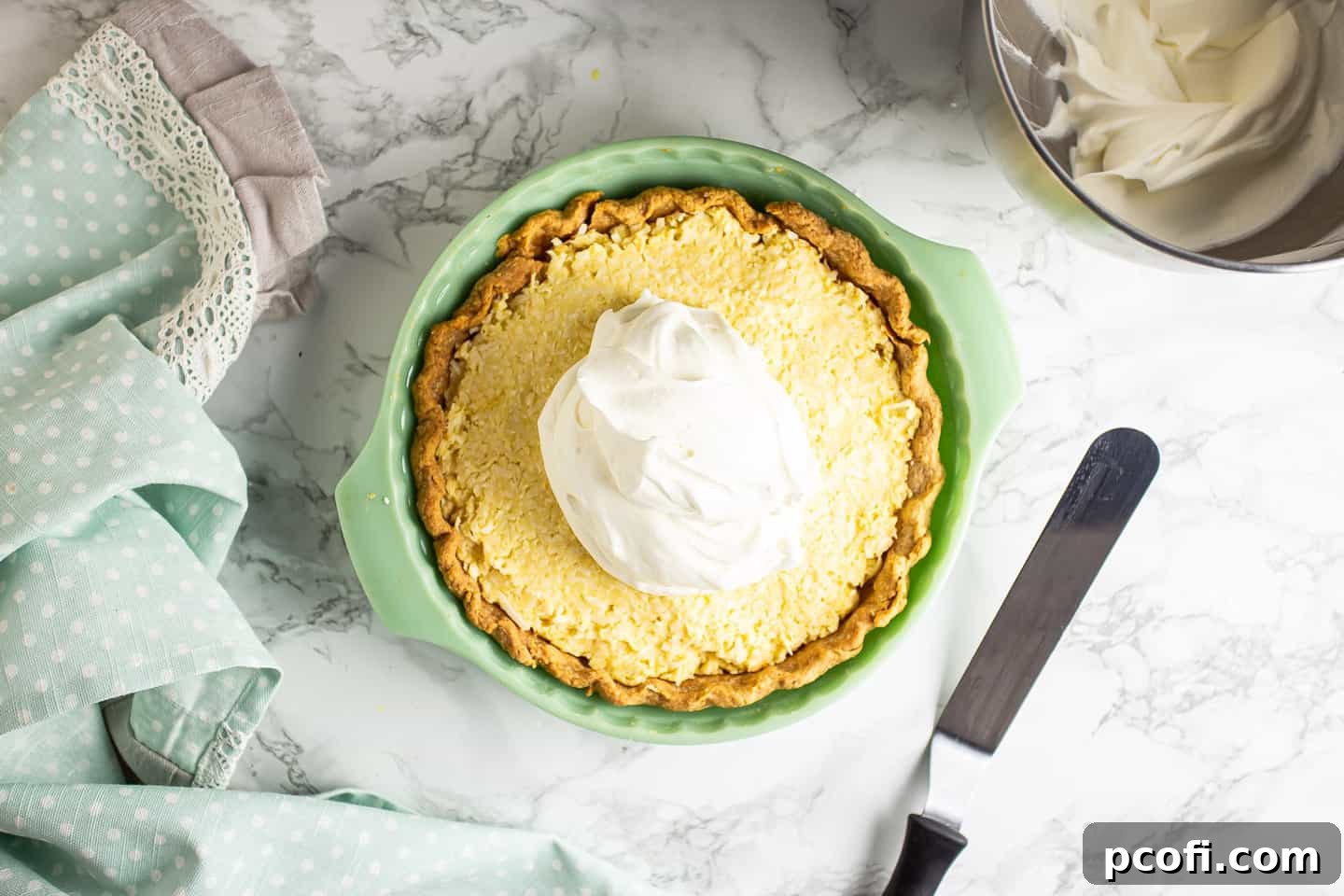
In a clean, cold mixing bowl, combine the heavy whipping cream and powdered sugar. Using an electric mixer, whip the mixture on medium-high speed until it forms soft peaks. You want the cream to be light and airy, holding its shape but still looking pliable—avoid overwhipping, which can make it stiff and grainy.
Generously spoon or pipe large, billowy clouds of this freshly whipped cream over the chilled coconut custard, creating an enticingly soft and inviting topping.
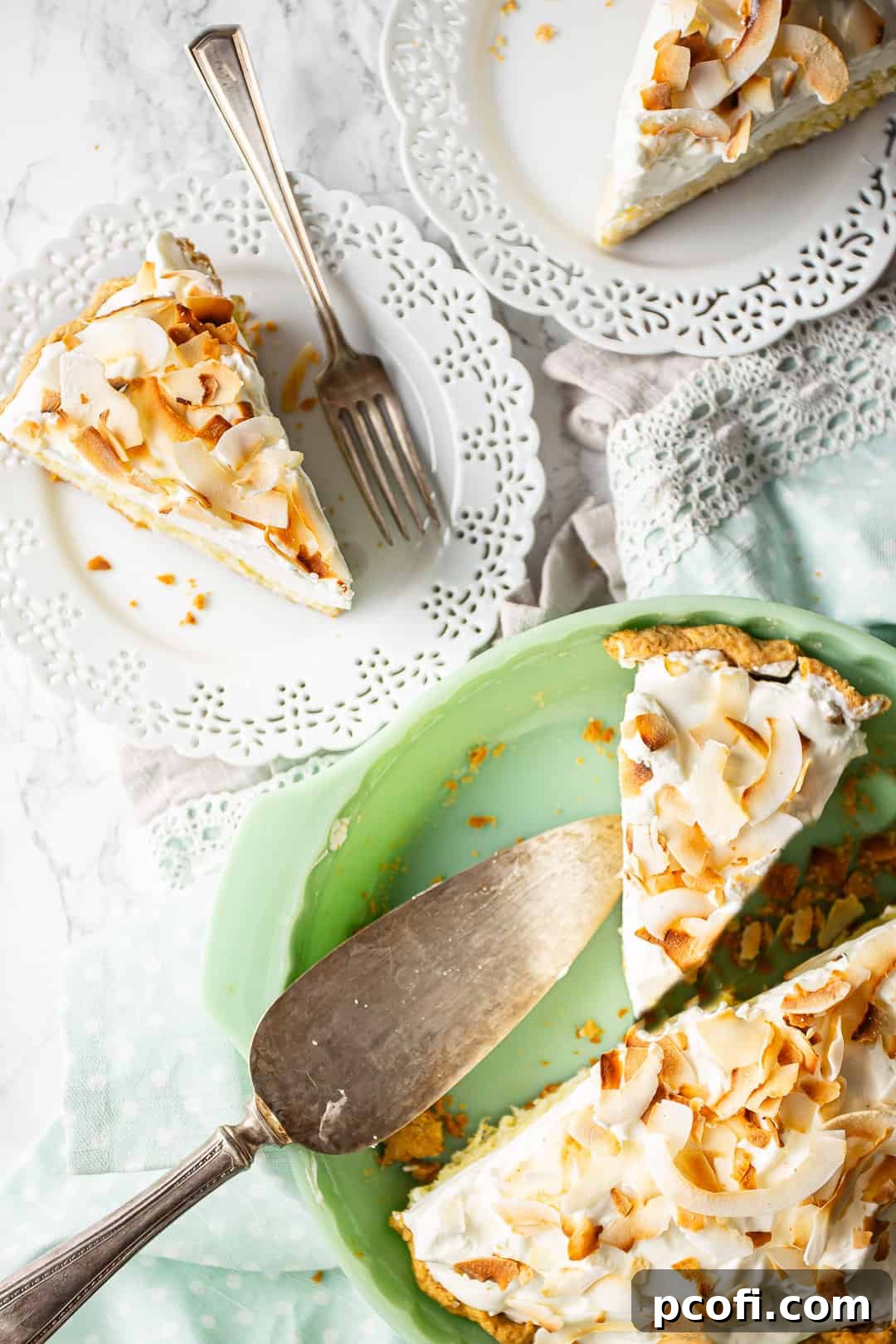
For the final flourish, sprinkle some toasted coconut chips over the whipped cream. These larger shards of desiccated coconut offer a delightful crunch and a deeper, nuttier flavor compared to the finer shredded coconut in the filling. To toast them, simply place the coconut chips in a dry skillet over medium heat, stirring frequently, until they turn a light golden brown and become fragrant. Alternatively, you can spread them on a small baking sheet and toast them in a toaster oven. Keep a close eye on them, as coconut flakes can burn very quickly!
Serving Suggestions
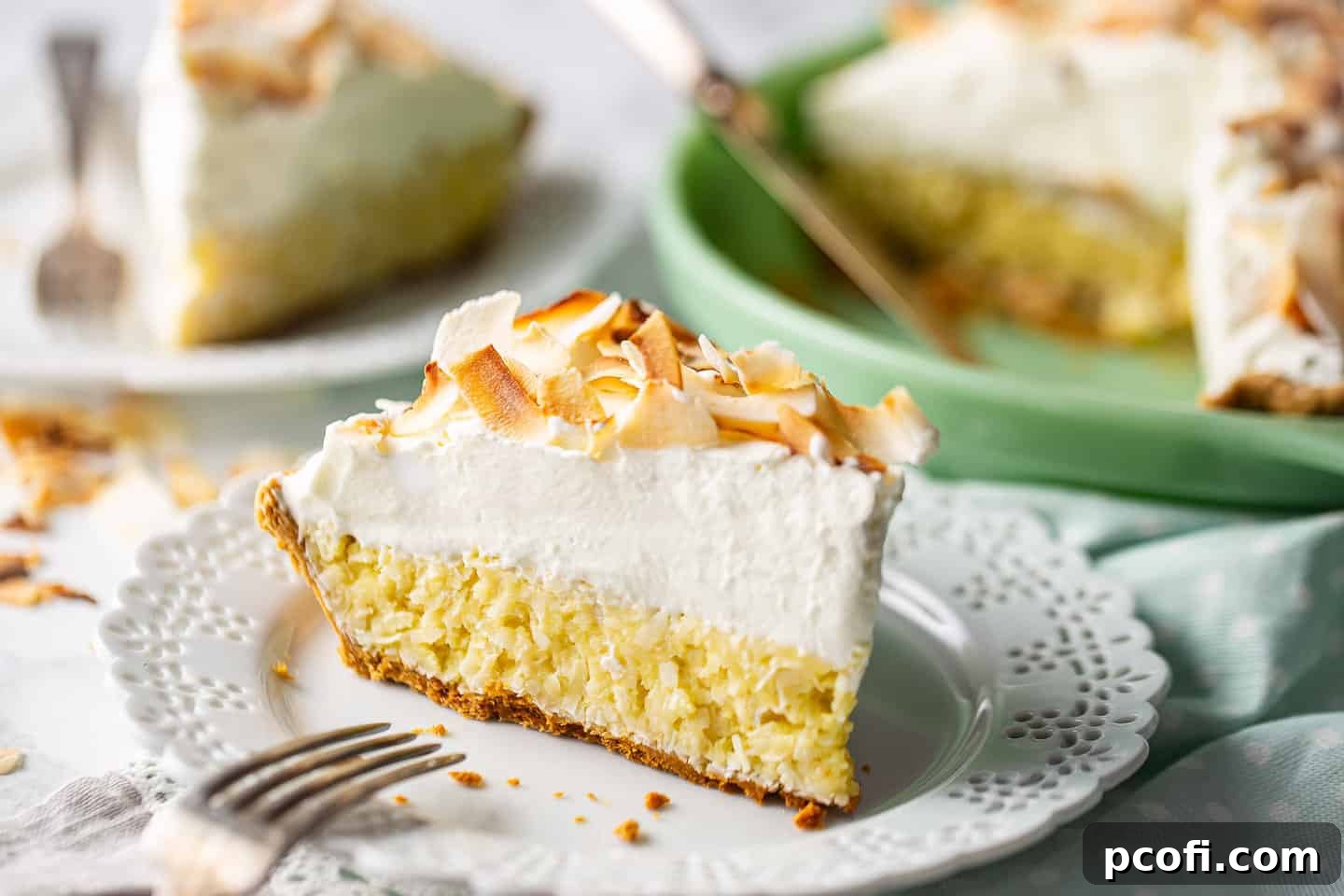
This exquisite coconut cream pie is best served chilled or at a cool room temperature. Its refreshing qualities truly shine when it’s cool, making it an ideal dessert for a warm day or a palate cleanser after a rich meal. Cut the pie into individual slices using a sharp knife. For neat, clean slices, always wipe your knife blade thoroughly with a damp cloth after each cut. The pie is absolutely perfect on its own, needing no embellishment. However, if you wish to add an extra layer of decadence, a delicate drizzle of homemade chocolate syrup or a rich salted caramel sauce could be a truly wonderful addition, creating a delightful interplay of flavors.
Expert Tips for a Perfect Pie
Achieving a truly remarkable coconut cream pie involves a few key techniques. Here are some expert tips to ensure your dessert turns out perfectly every time:
- Toast the Crust Deeply: Don’t underbake your pie crust. A deeply golden brown crust adds a crucial layer of rich, nutty flavor that beautifully contrasts the sweet, creamy filling. It also provides structural integrity, preventing a soggy bottom.
- Constant Whisking is Key: When cooking the custard, maintain constant whisking. This prevents the egg yolks from scrambling and ensures a perfectly smooth, lump-free consistency. Whisking also helps distribute the heat evenly, leading to uniform thickening.
- Allow Ample Cooling Time: Patience is a virtue when it comes to custard. The filling will continue to thicken and set significantly as it cools. Rushing this step can result in a runny pie. Ensure the custard is thoroughly chilled before assembling the pie.
- Master the Soft Peak Whipped Cream: For that signature billowy look, aim for soft peaks when whipping your cream. Overwhipping can result in stiff, grainy, or even curdled cream, which loses its delicate texture. Stop whisking as soon as the cream holds its shape softly.
- Clean Slices Every Time: To achieve professional-looking, neat slices, always use a sharp knife. After each cut, wipe the blade clean with a warm, damp cloth. This prevents the filling and topping from sticking and creating messy edges.
- Chill All Components: For best results, ensure your pie crust, custard filling, and even your mixing bowl and whisk (for the whipped cream) are well-chilled. Cold ingredients help create the ideal texture and prevent the cream from deflating.
- Consider a Stabilized Whipped Cream: If you plan to make the pie significantly in advance, or if you live in a warm climate, consider using a stabilized whipped cream frosting (like my whipped cream frosting recipe) instead of plain whipped cream. Stabilized cream holds its volume and shape much longer, preventing weeping or collapse.
Frequently Asked Questions
A runny custard is a common issue, usually stemming from insufficient cooking time. The custard needs to reach a gentle simmer and be cooked long enough for the cornstarch to fully activate and thicken the mixture. Ensure you whisk constantly to prevent lumps and continue cooking until the custard visibly thickens and coats the back of a spoon. It will also thicken considerably more as it cools in the refrigerator, so adequate chilling time is crucial for it to set properly.
The choice between sweetened and unsweetened shredded coconut is entirely up to your personal preference! Sweetened coconut will result in a slightly sweeter, more pronounced coconut flavor in the filling. If you prefer a less sugary dessert and more control over the overall sweetness, I recommend using unsweetened shredded coconut. This allows the natural flavors of the coconut and vanilla to come through more prominently.
Yes, absolutely! Coconut cream pie is an excellent make-ahead dessert, which can be a real time-saver for entertaining. The custard requires significant cooling time, so preparing it a day in advance is often ideal. If you’re concerned about a potentially soggy crust, a common trick is to blind-bake the crust and prepare the custard ahead of time, then wait until just a few hours before serving to transfer the chilled filling into the crust. The whipped cream topping is best made and added just before serving to ensure maximum volume and freshness. If you need to top the pie further in advance, consider using a stabilized whipped cream frosting, which is less likely to lose volume or weep over time compared to plain whipped cream.
This recipe is designed to yield 6 generous slices of pie. The nutritional information provided in the recipe card is calculated for one of these six slices. This calculation typically assumes the use of sweetened shredded coconut in the filling and unsweetened toasted coconut chips for the garnish, unless otherwise specified. Please note that exact nutritional values may vary slightly based on specific brands and ingredient choices.
For optimal freshness and food safety, coconut cream pie, with its dairy-based custard and whipped cream, should be stored in the refrigerator. Tightly covered with plastic wrap or aluminum foil, it will remain delicious for 2-3 days. While it might still be edible beyond that, the texture of the crust can soften, and the whipped cream may lose some of its pristine appeal. Always chill any leftovers promptly.
Explore More Delicious Pie Recipes
If you’ve fallen in love with this Coconut Cream Pie, you’re in for a treat! The world of pies offers endless delights. Here are a few more of my absolute favorite pie recipes that are sure to impress:
- Chocolate Cream Pie: A decadent, rich classic for chocolate lovers.
- Peach Pie: Sweet, juicy peaches baked in a perfect flaky crust – a taste of summer.
- Blueberry Pie: A timeless dessert bursting with vibrant blueberry flavor.
- Lemon Meringue Pie: Tangy lemon filling crowned with a spectacular, fluffy meringue.
As an Amazon Associate, I earn from qualifying purchases.
Coconut Cream Pie
Leave a Review
Ingredients
- 1/2 batch (85 g) flaky homemade pie crust
- 6 (108 g) egg yolks, large
- 1/2 cup (100 g) granulated sugar
- 1/4 cup (32 g) cornstarch
- 1/2 teaspoon (3 g) kosher salt
- 1 1/2 cups (366 g) milk, any kind (I especially like unsweetened coconut milk)
- 7 ounces (198.45 g) shredded coconut, (sweetened OR unsweetened)
- 1 teaspoon (4 g) vanilla extract
- 1 1/2 cups (357 g) heavy whipping cream
- 2 1/2 tablespoons (20 g) powdered sugar
- 1/2 cup (42.5 g) coconut chips, toasted
Instructions
-
Preheat the oven to 350 degrees F.
-
On a lightly floured surface, roll out the pie dough to an inch or two larger in diameter than your pie dish.
-
Ease the dough into the dish, trim away any excess, roll the edges under, and crimp.
-
Prick holes in the bottom of the unbaked crust with a fork, then line with parchment and pie weights or dry beans.
-
Pre-bake the crust until it’s golden brown and crisp (approx. 1 hour).
-
Whisk the egg yolks, granulated sugar, cornstarch, and salt together in a large bowl.
-
Heat the milk until steamy (in the microwave or in a small pot on the stove) and dribble it slowly into the egg mixture while whisking.
-
When all the milk has been added, pour the mixture into a pot and cook over medium-low heat (whisking constantly) until thickened* (approx. 5 to 10 minutes).
-
Fold the shredded coconut and vanilla into the custard, then press plastic wrap directly onto the surface of the coconut custard and chill for 2 hours.
-
Transfer the chilled coconut custard to the pre-baked pie crust.
-
Whip the cream and powdered sugar together until the mixture can hold soft peaks.
-
Top the pie with whipped cream and toasted coconut flakes.