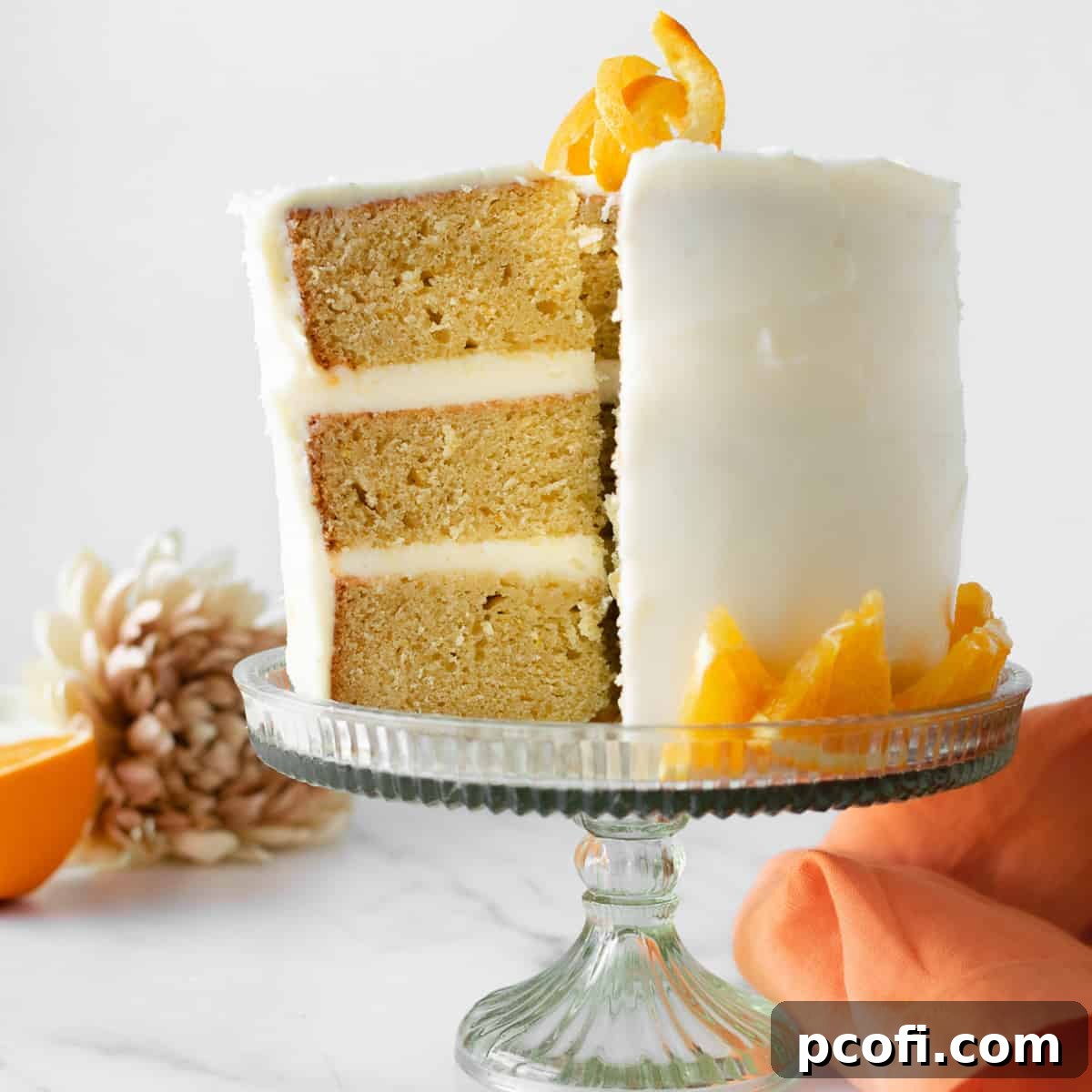
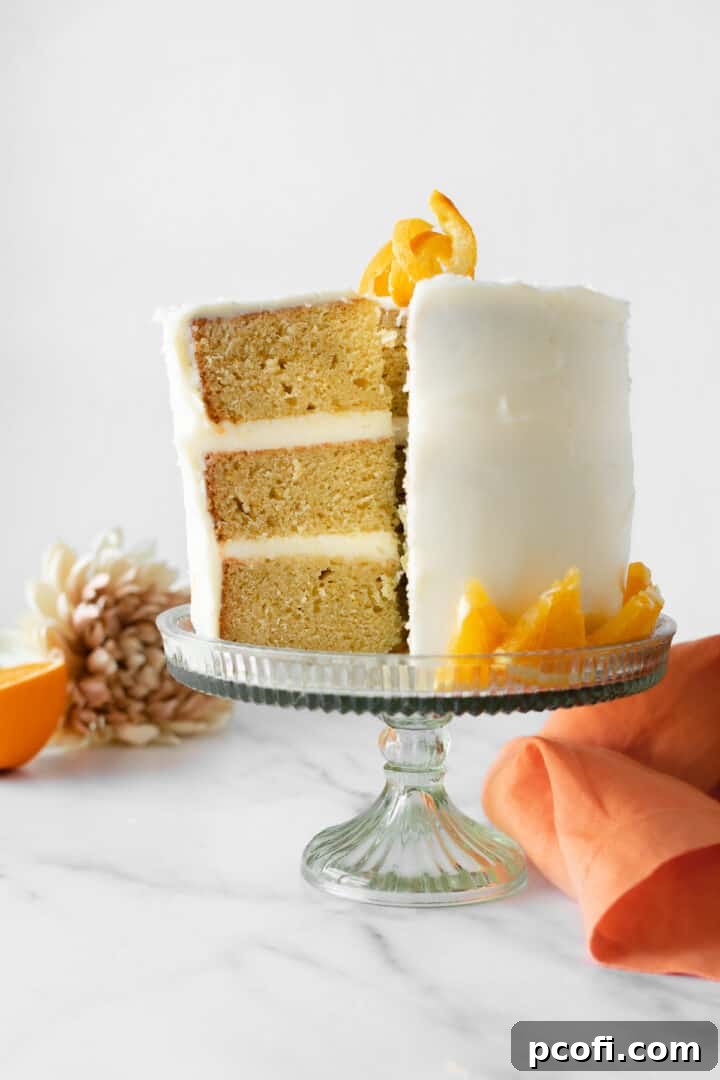
Embark on a delightful journey back to childhood summers with this exquisite orange creamsicle cake recipe. It’s a sophisticated yet wonderfully nostalgic twist on the beloved classic citrusy creamsicle popsicles. Imagine three layers of incredibly moist orange cake, each bite bursting with vibrant, zesty citrus orange and delicate hints of vanilla. These tender cake layers are generously sandwiched between a cloud-like, lightly sweetened, and velvety cream cheese frosting. This homemade orange creamsicle cake promises a perfect balance of sweet and tangy, a refreshing dessert that’s guaranteed to be a sensational hit with family and friends at any gathering. Prepare to create cherished new memories with every slice of this irresistible citrus cake.
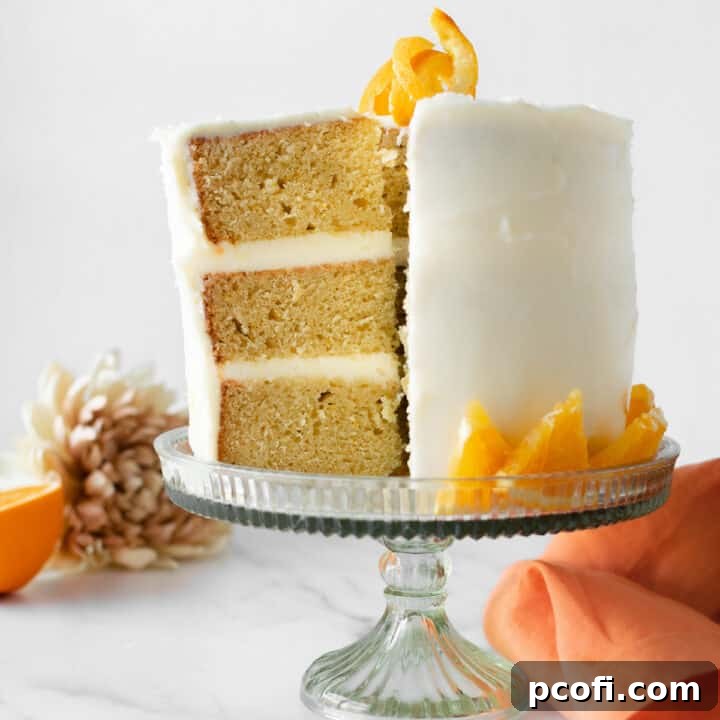
Table of Contents
- The Ultimate Orange Creamsicle Cake Experience
- Essential Ingredients for Your Creamsicle Masterpiece
- Baking Your Homemade Orange Creamsicle Cake from Scratch
- Mastering the Art of Assembling Your Orange Layer Cake
- Expert Tips and a Beginner’s Guide to Baking Perfection
- Recommended Baking Tools for Success
- More Irresistible Citrus Cake Recipes
Jump to Recipe
Close your eyes and let your mind drift back to the sun-drenched days of your childhood. Do you recall the sheer joy of unwrapping a frosty creamsicle popsicle, its creamy vanilla core perfectly complemented by the tangy orange shell? That iconic, refreshing flavor, a symbol of carefree summer fun, has been reimagined and elevated into this stunning, homemade orange creamsicle cake, complete with a luscious cream cheese frosting. It’s more than just a dessert; it’s a slice of pure nostalgia, designed to bring smiles and comfort.
The Ultimate Orange Creamsicle Cake Experience
This isn’t just any cake; it’s the definitive orange creamsicle cake recipe you’ve been searching for. Here’s why it stands out as the best:
- Explosion of Flavor: Each forkful delivers an intense burst of zesty orange, perfectly balanced with subtle, comforting hints of vanilla, capturing the authentic creamsicle taste.
- Sweet, Tangy, and Refreshing: The vibrant citrus notes are complemented by a delightful sweetness and a refreshing tang that cleanses the palate, making it incredibly addictive.
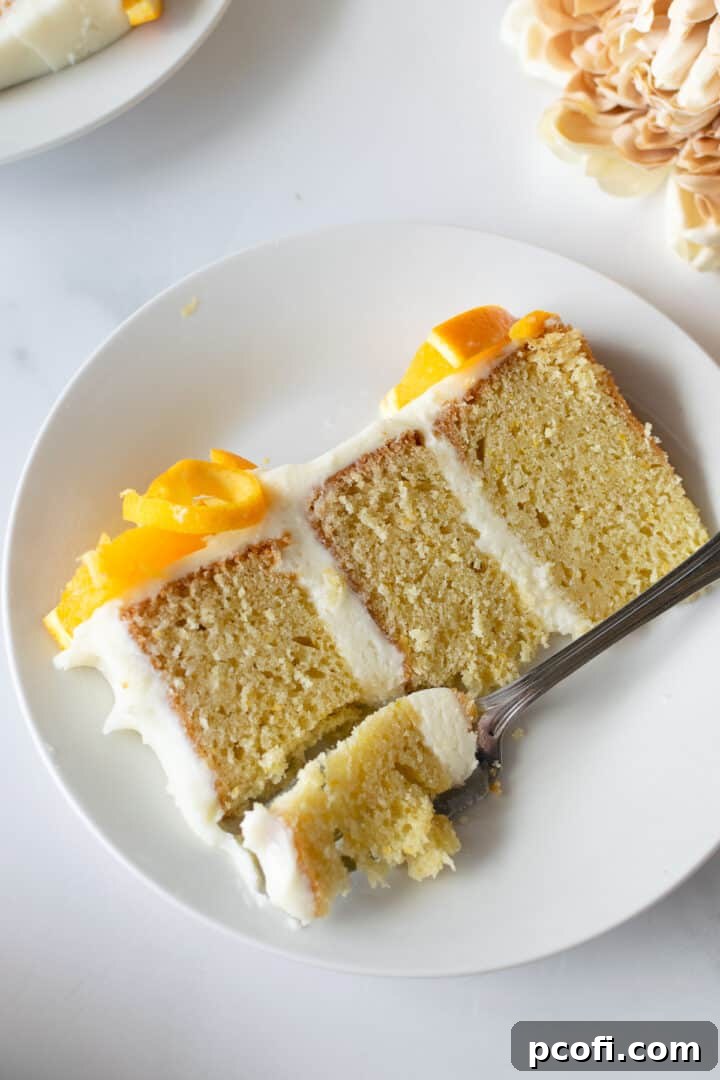
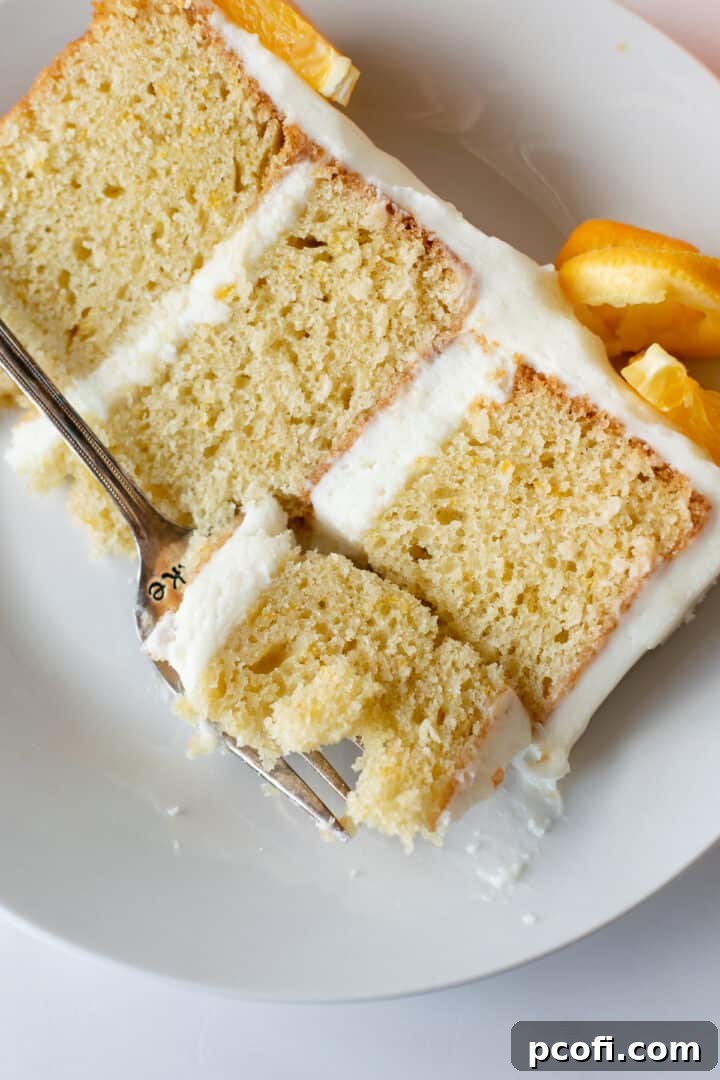
- Unbelievably Moist and Buttery: The cake itself boasts a buttery, tender crumb that melts in your mouth, retaining its moisture thanks to carefully selected ingredients.
- Stunning Three-Layer Design: Enjoy a substantial, show-stopping dessert with three perfectly baked, citrus-infused cake layers generously filled and frosted with creamy, tangy cream cheese frosting.
- Simple, Yet Crafted from Scratch: While it presents like a gourmet dessert, this recipe is designed to be accessible for home bakers, using straightforward methods for a truly homemade taste.
- Perfect Harmony: A masterful balance between the bright orange cake and the rich, creamy frosting creates a harmonious dessert experience that’s never overwhelming.
- A Treat for All Seasons: While undeniably a perfect spring or summer cake, its bright flavors make it a delightful antidote to the grayest winter day, bringing a burst of sunshine indoors.
- Versatile Baking Options: This incredible recipe is highly adaptable! Easily transform it from a show-stopping layer cake into delectable orange creamsicle cupcakes, perfect for individual servings.
Essential Ingredients for Your Creamsicle Masterpiece
Crafting this incredible orange creamsicle cake begins with selecting the right ingredients. Each component plays a vital role in achieving that perfect texture and unforgettable flavor profile. Here’s a detailed look at what you’ll need and why:
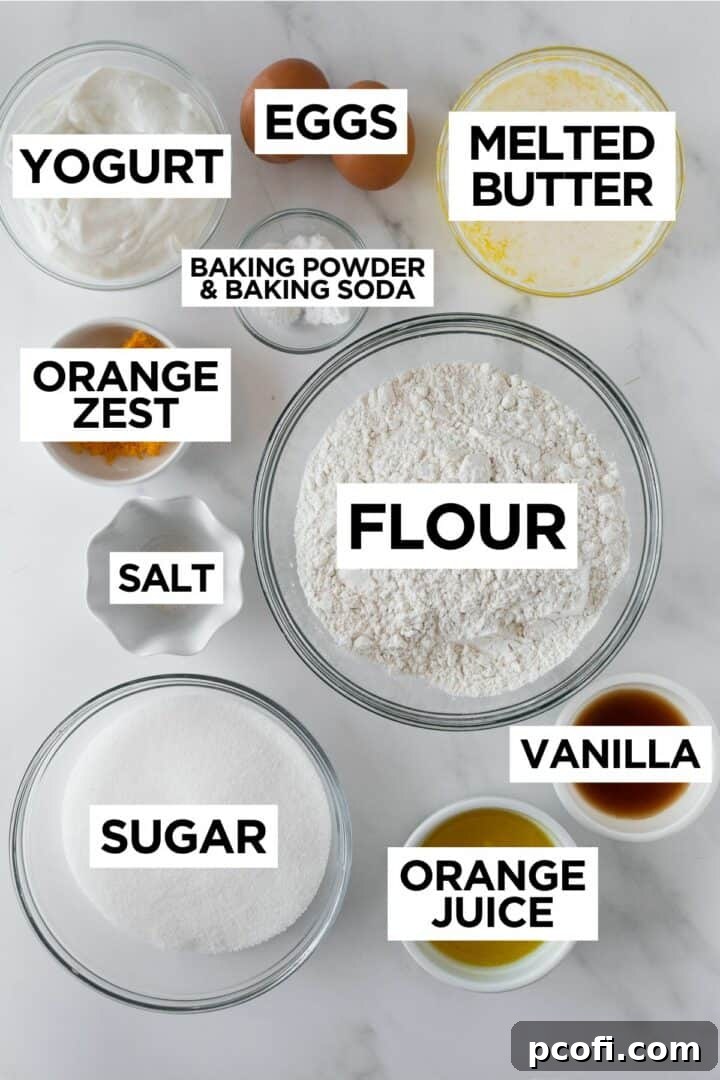
Orange Cake Ingredients
- Unsalted Butter: This is a cornerstone for flavor and richness in any great cake. Our recipe calls for melted butter, which helps create a dense yet moist crumb. Ensure it’s slightly cooled before incorporating to prevent cooking the eggs prematurely. If you opt for salted butter, simply omit the salt specified elsewhere in the cake batter to avoid over-salting.
- Granulated Sugar: Beyond merely sweetening the cake, granulated sugar is crucial for its structure and contributes to that desirable tender texture. It also aids in caramelization, enhancing the cake’s golden hue.
- Plain Greek Yogurt: A secret weapon for incredible moisture! Greek yogurt adds a lovely tang that complements the orange and helps keep the cake wonderfully soft and tender. Plain or vanilla Greek yogurt works perfectly, or you can easily substitute it with sour cream for similar results.
- Large Eggs: Eggs are multifunctional in baking. They act as a leavening agent, providing lift and lightness, contribute significantly to the cake’s overall structure, and add vital moisture and richness. Always use large eggs and ensure they are at room temperature for optimal emulsification with other ingredients.
- Pure Vanilla Extract: A splash of high-quality vanilla extract is essential. It beautifully enhances the orange flavor and adds a depth of warmth, completing the classic creamsicle profile.
- Fresh Oranges: The star of the show! This recipe requires both fresh orange zest and freshly squeezed orange juice. While juicing oranges might seem like an extra step, it yields the most vibrant, authentic orange flavor and aroma, far superior to bottled alternatives. Don’t skip the zest – it contains most of the fruit’s essential oils for maximum citrus punch.
- All-Purpose Flour: Keep it simple with standard all-purpose flour. It provides the necessary bulk and structure for our cake without requiring specialized types.
- Baking Soda and Baking Powder: These are our leavening duo, working in tandem to give the cake its impressive rise and airy texture. Baking soda reacts with the acidic yogurt and orange juice, while baking powder provides an additional lift, ensuring a light and fluffy result.
- Kosher Salt: Just a half teaspoon of kosher salt is added to balance the sweetness of the sugar and enhance all the other flavors, preventing the cake from tasting flat. It’s a small but mighty ingredient.
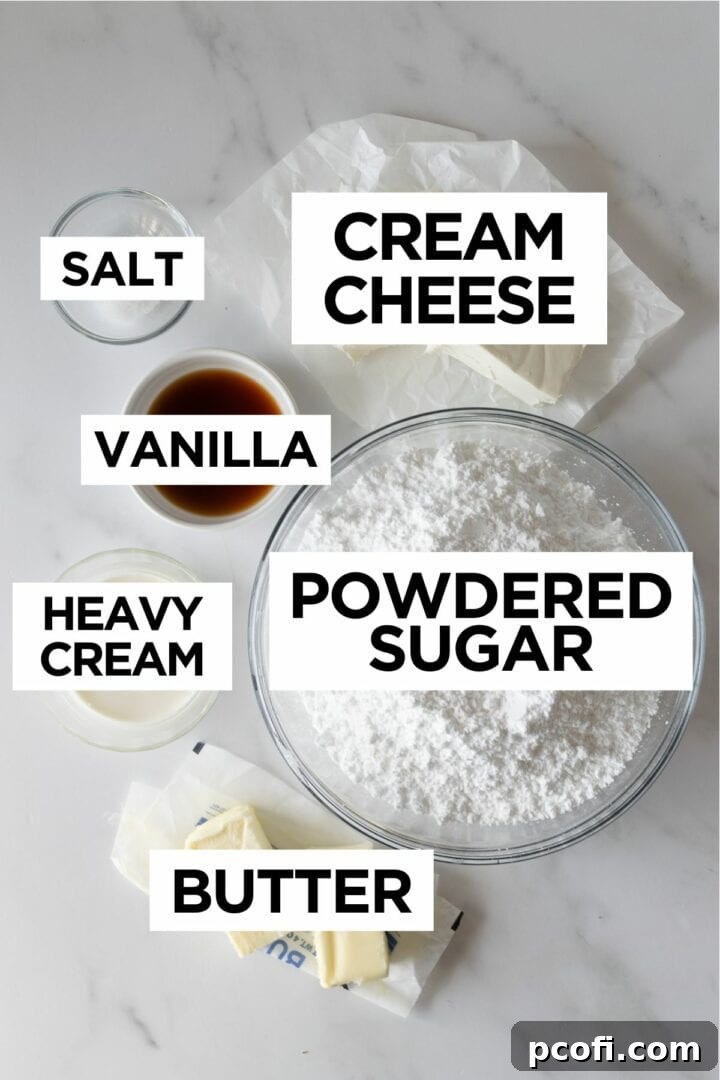
Velvety Cream Cheese Frosting Ingredients
- Full-Fat Brick Cream Cheese: For that signature tangy, rich cream cheese frosting, it’s crucial to use full-fat brick cream cheese, not the cream cheese spread from a tub. An entire 8-ounce brick is needed, and make sure it’s softened to room temperature for a smooth, lump-free frosting.
- Unsalted Butter: Working in harmony with the cream cheese, unsalted butter forms the creamy, stable base of our decadent frosting. Like the cream cheese, it must be at room temperature to ensure proper emulsification and a consistent texture. If using salted butter, remember to omit the pinch of salt from the frosting recipe.
- Powdered Sugar: Also known as confectioners’ sugar, this finely milled sugar sweetens the frosting and gives it its characteristic smooth, melt-in-your-mouth texture. It’s much finer than granulated sugar, making it ideal for frostings.
- Pure Vanilla Extract: A generous teaspoon of vanilla extract is key to enhancing the creaminess and classic flavor of the frosting, complementing the orange cake beautifully.
- Heavy Cream: Heavy cream is the secret to a light, airy, and incredibly creamy frosting. It helps thin out the frosting to the perfect consistency while adding a luxurious mouthfeel. In a pinch, whole milk or half-and-half can be used as substitutes, though heavy cream provides the best richness.
- Pinch of Salt: Just a tiny pinch of salt in the frosting is essential. It cuts through the sweetness, balances the richness of the butter and cream cheese, and brightens all the flavors, preventing the frosting from being cloyingly sweet.
Baking Your Homemade Orange Creamsicle Cake from Scratch
Creating this delicious orange creamsicle cake from scratch is a rewarding process. Follow these detailed steps to ensure a perfect, moist cake every time:
- Step 1: Prepare Your Dry Ingredients. In a medium-sized mixing bowl, whisk together the all-purpose flour, baking soda, baking powder, and kosher salt. This step is crucial for ensuring that the leavening agents and salt are evenly distributed throughout the batter, leading to an even rise. Once combined, set this bowl aside.
- Step 2: Combine the Wet Ingredients. In a large mixing bowl, begin by whisking together the slightly cooled melted unsalted butter, granulated sugar, and plain Greek yogurt until thoroughly combined and smooth. Next, incorporate the remaining wet ingredients: the large eggs (ensure they are at room temperature), pure vanilla extract, freshly squeezed orange juice, and vibrant orange zest. Continue to whisk until the mixture is fully emulsified and homogeneous. Don’t worry if it still appears a bit gritty from the sugar; that’s perfectly normal at this stage.
- Step 3: Gradually Add Dry to Wet. Now it’s time to bring the two mixtures together. Add approximately half of your pre-whisked dry ingredients into the wet mixture. Whisk gently until the flour is almost fully incorporated but don’t overmix. Then, add the remaining half of the dry ingredients and whisk until everything is just combined. A few small lumps are acceptable and even desirable, as overmixing the batter can lead to a dense, tough cake. The resulting batter will be noticeably thick.
- Step 4: Bake the Cake Layers. Divide the thick cake batter evenly among your three prepared 6-inch cake pans (or two 8-inch/9-inch pans, adjusting baking time if necessary). Gently tap the cake pans on your counter a few times to release any large air bubbles. Bake in your preheated oven at 350°F (175°C) for 35-40 minutes. The cakes are done when they are springy to the touch in the center and a wooden skewer or toothpick inserted into the middle comes out clean or with only a few moist crumbs attached.
- Step 5: Prepare the Cream Cheese Frosting. While your cake layers are cooling, prepare the star of the show – the velvety cream cheese frosting. In a large bowl, using a stand mixer fitted with a paddle attachment or a hand-held electric mixer, beat together the softened brick cream cheese and room-temperature unsalted butter until the mixture is beautifully creamy and smooth, typically about 1 minute. Stop the mixer and scrape down the bottom and sides of the bowl thoroughly, then beat for another 30 seconds. With the mixer on low speed, add the heavy cream, vanilla extract, and a pinch of kosher salt. Gradually add the powdered sugar, one cup at a time, allowing it to incorporate fully before adding more. Once all the powdered sugar is in, increase the mixer speed to medium and beat for 1 minute until light and fluffy. Scrape the bowl again and beat for a final 30 seconds. If the frosting seems too thick, add an additional teaspoon of heavy cream; if it’s too thin, a tablespoon or two of extra powdered sugar will help.
Mastering the Art of Assembling Your Orange Layer Cake
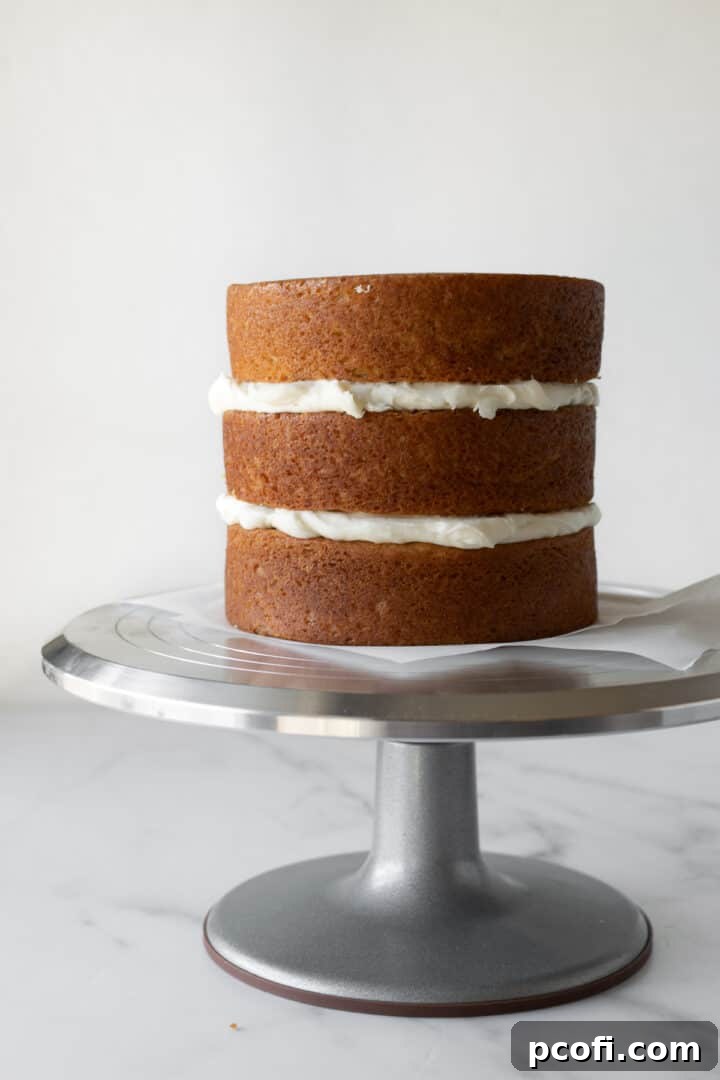
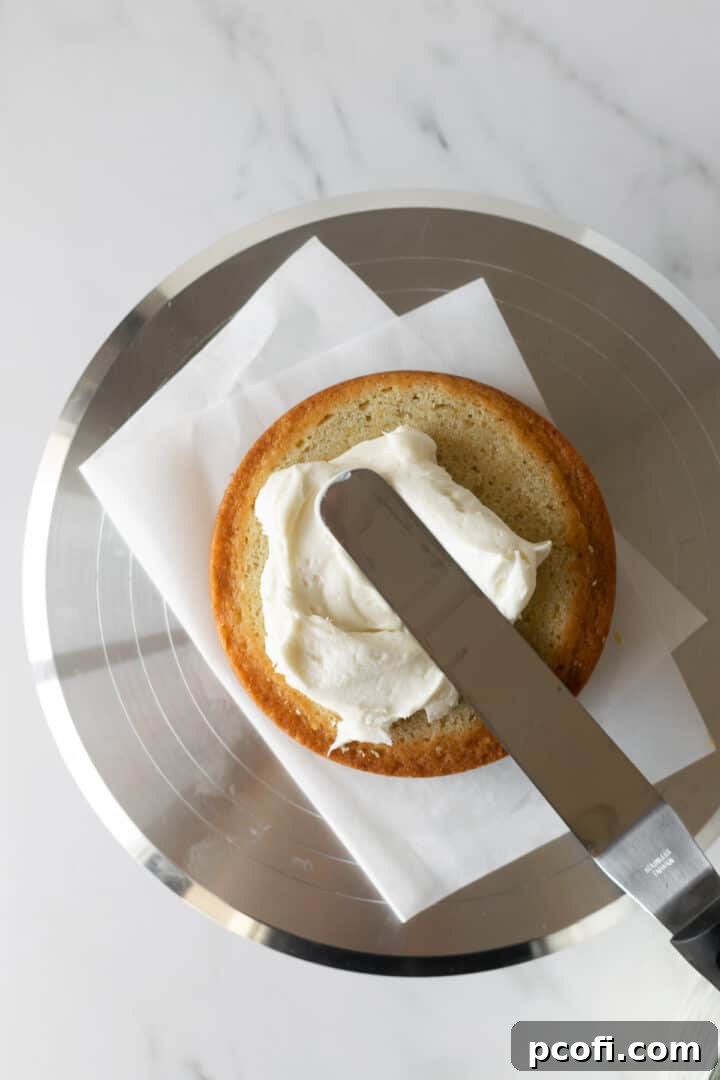
Assembling a layer cake might seem daunting, but it’s surprisingly simple and incredibly rewarding! The key is working with completely cooled cakes and having your frosting ready. Before you begin, ensure your cake layers are perfectly level. If they have domed tops, use a large serrated knife or a specialized cake leveler to carefully slice off the tops, creating flat, even surfaces. Place your first cake layer onto your chosen cake stand or serving plate. Using an offset spatula or the back of a spoon, evenly spread a generous layer of your luscious cream cheese frosting over the top. Gently place the second cake layer on top, press down lightly, and repeat with another layer of frosting. Finally, crown it with the third cake layer. Spread the remaining frosting evenly over the entire top and sides of the cake, using smooth strokes to achieve a beautiful finish. Don’t worry about perfection; rustic charm is always in style! For an extra touch, you can decorate the top with fresh orange slices or candied orange peel.
Expert Tips and a Beginner’s Guide to Baking Perfection
Achieving a flawless orange creamsicle cake is within reach for every baker, from novice to seasoned pro. Here are some invaluable tips to guide you through the process and ensure delicious results:
- Always Read Through the Recipe First: This fundamental rule applies to all baking, and especially to layer cakes. Before you even gather your ingredients, take a moment to read the entire recipe from start to finish. This familiarizes you with each step, allows you to anticipate what’s next, and ensures you have all the necessary ingredients and tools on hand, preventing any mid-recipe surprises.
- Precision in Measuring Ingredients is Key: Unlike cooking, baking is a precise science where ratios matter significantly. Accurate measurement is paramount for consistent results. We highly recommend using a digital kitchen scale for dry ingredients like flour for the most accurate measurements. For liquids, use clear liquid measuring cups. Follow a dedicated guide for How to Measure Ingredients for Baking to ensure your cakes, cupcakes, cookies, and more come out perfect every single time.
- Avoid the Pitfall of Overmixing Cake Batter: Overmixing is one of the most common mistakes in baking and can quickly turn a potential fluffy cake into a dense, tough one. Once you start adding the dry ingredients (flour, leaveners), mix only until just combined. The moment you see no streaks of dry flour, stop mixing. A few small lumps are perfectly fine and often preferred to an overmixed, gluten-developed batter.
- Ensure Even Distribution of Cake Batter in Pans: For cakes that bake evenly and flat, it’s crucial to distribute the batter equally among your prepared cake pans. Uneven amounts will lead to uneven baking times and lopsided layers. A helpful trick is to use a dry measuring cup to scoop out the batter, or for ultimate precision, weigh each pan with batter using your kitchen scale to ensure they all contain the exact same amount.
- Resist the Urge to Overbake Your Cakes: Overbaking is the primary culprit behind dry, crumbly cakes. Every oven is slightly different, so don’t strictly adhere to the recipe’s exact baking time. Instead, start checking your cakes about 3-5 minutes before the recommended minimum baking time. Look for a cake that springs back when lightly touched in the center, or a toothpick inserted comes out clean or with only a few moist crumbs. As soon as these signs appear, remove them from the oven.
Recommended Baking Tools for Success
Having the right equipment can make all the difference in your baking experience, especially when creating a multi-layered cake like this orange creamsicle masterpiece. These tools will ensure a smoother, more enjoyable baking process:
- 6-inch cake pans: Essential for perfectly sized, tall cake layers.
- Measuring cups & spoons: Accurate measurements are crucial for baking success.
- Mixing bowls: A set of various sizes for separating wet and dry ingredients.
- Stand mixer or hand mixer: Indispensable for creamy frostings and well-combined batters.
- Utensils: Silicone spatula & whisk: For gentle mixing, scraping bowls, and incorporating ingredients.
- Juicer & grater: For extracting fresh orange juice and zest, maximizing citrus flavor.
While fresh oranges (both zest and juice) are highly recommended for the most authentic and vibrant flavor in this orange creamsicle cake, you can use orange extract if fresh oranges are unavailable. Start with 1/4 teaspoon of orange extract in the cake batter and add another 1/4 teaspoon if you desire a stronger flavor. For the juice, store-bought orange juice can be used as a substitute for fresh, but opt for one without added sugars to maintain the cake’s balanced sweetness.
To keep your orange creamsicle cake fresh and delicious, ensure it is tightly covered after serving. The frosted cake can be stored in an airtight container or wrapped snugly with plastic wrap and refrigerated for up to 5 days. For best flavor and texture, allow the cake to come to room temperature for about 30-60 minutes before serving.
Absolutely! This versatile orange creamsicle cake recipe can easily be adapted into delightful cupcakes. Simply fill standard cupcake liners about two-thirds full with batter. Bake them in a preheated oven at 350°F (175°C) for approximately 20-22 minutes, or until they are springy to the touch and a toothpick inserted into the center comes out clean. Once cooled, frost them as desired with the cream cheese frosting for perfectly portioned treats.
Yes, you certainly can! While our homemade cream cheese frosting recipe is incredibly delicious and highly recommended for its fresh flavor and perfect texture, if you’re short on time or prefer a simpler approach, feel free to use your favorite brand of store-bought cream cheese frosting. Ensure it’s a good quality frosting that complements the orange cake well.
The cake batter for the orange layers in this recipe can easily be made without an electric mixer, using just a whisk and some elbow grease! However, the cream cheese frosting specifically benefits from the power of a stand mixer or hand mixer to achieve its light, fluffy, and smooth consistency. If you don’t have an electric mixer, your best option for the frosting would be to use a store-bought cream cheese frosting.
More Irresistible Citrus Cake Recipes
If you love the bright, refreshing flavors of this orange creamsicle cake, you’re in for a treat! Citrus cakes are renowned for their ability to invigorate the senses and provide a delightful dessert experience. Explore these other fantastic recipes that celebrate the magic of citrus:
- Lemon Pudding Cake: A wonderfully moist cake with a surprise creamy pudding layer.
- Key Lime Cake: Tangy, sweet, and incredibly refreshing, perfect for warm weather.
- Lemon Pound Cake Recipe: A dense yet tender cake, bursting with lemon flavor.
- Mini Lemon Cake: All the bright flavor of lemon cake in a cute, individual size.
Orange Creamsicle Layer Cake with Cream Cheese Frosting
Leave a Review
Save RecipeSaved!
Ingredients
For the Orange Cake
- 2 1/2 cups (312.5 g) all purpose flour
- 1 teaspoon baking soda
- 1 teaspoon baking powder
- 1/2 teaspoon (0.5 teaspoon) kosher salt
- 1 cup (227 g) unsalted butter, melted and slightly cooled
- 1 1/2 cups (300 g) granulated sugar
- 1 cup (236.59 ml) plain Greek yogurt*
- 2 large eggs, at room temperature
- 1/2 cup (118.29 ml) orange juice, about 2-3 large oranges
- 1 Tablespoon orange zest
For the Cream Cheese Frosting
- 8 oz (226.8 g) brick cream cheese, softened to room temperature
- 1/2 cup (113.5 g) unsalted butter, softened to room temperature
- 4 cups (480 g) powdered sugar
- 2 Tablespoons heavy whipping cream
- 1 teaspoon vanilla extract
- 1/8 teaspoon kosher salt
Instructions
-
Preheat your oven to 350°F (175°C). Prepare your cake pans by generously greasing three 6-inch cake pans, or alternatively, two 8-inch cake pans, or 9-inch cake pans. For even easier removal of your finished cakes, you may also line the bottoms of the pans with parchment paper rounds.
-
In a medium mixing bowl, whisk together the all-purpose flour, baking soda, baking powder, and kosher salt. Ensure these dry ingredients are well combined and lump-free. Set this bowl aside for later.
-
In a separate large mixing bowl, begin by vigorously whisking together the slightly cooled melted butter, granulated sugar, and plain Greek yogurt until the mixture is smooth and fully incorporated. Next, add the room-temperature eggs, vanilla extract, freshly squeezed orange juice, and vibrant orange zest. Continue to whisk until all the wet ingredients are completely combined. The mixture may still have a slightly gritty texture from the sugar, which is normal.
-
Integrate the dry ingredients into the wet mixture. First, add about half of the dry ingredients to the wet ingredients, whisking just until they are almost fully incorporated. Then, add the remaining dry ingredients. Continue to whisk until the batter is smooth with no visible streaks of dry flour. Be careful not to overmix, as this can lead to a tough cake. A few small lumps are perfectly acceptable. The batter will be quite thick.
-
Carefully divide and pour the cake batter evenly into your prepared cake pans. For perfectly flat layers, gently tap the filled cake pans a few times on your kitchen counter to release any trapped air bubbles. Bake for 35-40 minutes. The cakes are done when they feel springy to the touch in the center, and a toothpick inserted into the center emerges clean or with only a few moist crumbs attached.
-
Once baked, allow the cakes to cool in their pans for about 20 minutes. This allows them to firm up slightly, making them easier to handle. After 20 minutes, carefully invert the cakes onto a wire rack to cool completely. It is absolutely essential that the cakes are completely cool before you attempt to frost and assemble them; otherwise, the frosting will melt and slide off.
-
Make the Cream Cheese Frosting: In a large mixing bowl, using either a hand-held electric mixer or a stand mixer fitted with the paddle attachment, beat the softened brick cream cheese and room-temperature unsalted butter on medium-high speed until the mixture is light, creamy, and smooth, which should take about 1 minute. Stop the mixer, and with a spatula, scrape down the bottom and sides of the bowl thoroughly. Beat again for another 30 seconds to ensure everything is well combined. Reduce the mixer speed to low, then add the heavy cream, vanilla extract, and kosher salt. Gradually add the powdered sugar, about 1/3 cup at a time, allowing it to incorporate slowly to prevent a cloud of sugar. Once all the powdered sugar has been added, increase the mixer speed to medium and beat for 1 minute until the frosting is light and fluffy. Scrape down the bottom and sides of the bowl once more, then beat for a final 30 seconds until perfectly creamy. If the frosting is too thick, incorporate 1 teaspoon of heavy cream. If it’s too thin, add 1-3 tablespoons of additional powdered sugar until the desired consistency is achieved.
-
Assemble and Frost Your Cake: Before frosting, ensure your cake layers are level. If needed, use a large serrated knife or a cake leveler to carefully trim any domed tops, creating flat surfaces for stable layers. Place one cake layer onto your chosen cake stand or serving plate. Evenly spread a generous portion of your homemade cream cheese frosting over the top. Gently place the second cake layer on top, followed by more frosting, and then position the third layer. Spread the remaining frosting smoothly all over the top and sides of the cake, striving for an even, attractive finish. If you wish, adorn the top and sides of the cake with fresh orange slices or candied orange peel for a beautiful presentation. Refrigerate the assembled cake for at least 20 minutes before slicing; this chilling period helps the frosting set and allows the cake to hold its shape beautifully when cut. Any leftover frosted cake should be covered tightly and stored in the refrigerator for up to 5 days.
Notes
- Make-Ahead Instructions: To simplify your baking day, the cake layers can be baked up to 2 days in advance. Once completely cooled, tightly wrap each cake layer individually in plastic wrap and store them at room temperature overnight, or in the refrigerator for up to 2 days. The cream cheese frosting, however, is best made on the same day you plan to frost the cake for optimal freshness and texture. A fully frosted cake can be stored in the refrigerator for up to 1 day, covered lightly. If storing longer than 3-4 hours, insert a few toothpicks into the top and sides of the cake before gently covering it with plastic wrap; this prevents the wrap from sticking to the frosting. Remove toothpicks and fill small holes before serving. If refrigerated for more than 1 hour, allow the cake to sit at room temperature for about an hour before serving to ensure the cake and frosting are at their best texture.
- Freezing Instructions: This recipe is freezer-friendly! Completely cooled, unfrosted cake layers can be frozen for up to 3 months. To freeze, individually wrap each cake layer very tightly in plastic wrap, then place them into a freezer-safe zip-top bag or an airtight container. To defrost, simply thaw the cake layers at room temperature for several hours or overnight in the refrigerator.
- Butter Type: If you choose to use salted butter for either the cake batter or the cream cheese frosting, please remember to omit the specified amount of kosher salt in that particular component of the recipe to prevent your cake or frosting from becoming too salty.
- Yogurt Alternatives: For the cake, you have flexibility with the yogurt. You can use either plain Greek yogurt or vanilla Greek yogurt. Sour cream is also an excellent substitute and will provide a similar moisture and tangy flavor profile to the cake.
- Cream Cheese Selection: For the most authentic and desirable cream cheese frosting texture, always use full-fat brick cream cheese. Avoid using cream cheese spreads that come in tubs, as these have a different consistency and fat content that will not yield the same results for your frosting. You will need an entire 8-ounce brick for this recipe.
- Making Cupcakes: To convert this recipe into delicious orange creamsicle cupcakes, line a muffin tin with cupcake liners. Fill each liner about two-thirds full with the cake batter. Bake them in a preheated oven at 350°F (175°C) for approximately 20-22 minutes. The cupcakes are ready when they are springy to the touch and a toothpick inserted into the center comes out clean or with a few moist crumbs. This recipe typically yields about 24 cupcakes. Use the same amount of cream cheese frosting. For an extra special touch, you can use a small knife or corer to cut a small hole in the center of each cooled cupcake, pipe a little extra frosting into the cavity, and then replace the cutout cake piece before frosting the entire top as desired.

About Christina Tattory
Christina Tattory is a talented contributor to Baking A Moment, bringing her passion and expertise to delicious recipes. As a dedicated recipe creator, gifted food photographer, and the author behind Simple Everyday Recipes, Christina specializes in sharing easy, approachable, and flavorful dishes perfect for the everyday family. Her philosophy centers on making delightful homemade food accessible to everyone. You can immerse yourself in her culinary creations and follow her journey on Instagram for visual inspiration, explore her curated boards on Pinterest, and connect with her community on Facebook!