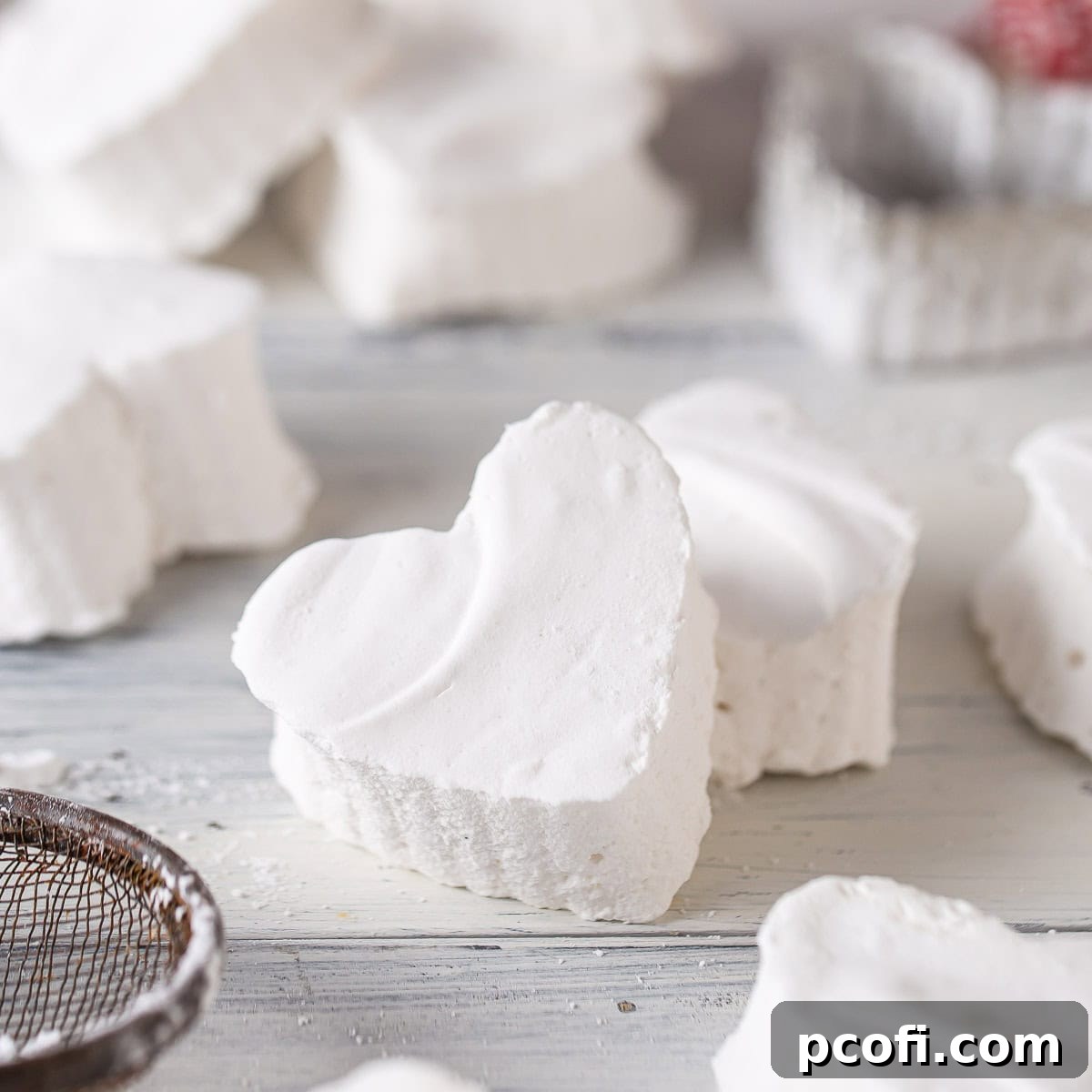
Once you experience the pure delight of homemade marshmallows, you’ll understand why they are infinitely superior to any store-bought variety. Imagine a confection that’s perfectly sweet, kissed with a hint of natural vanilla, and boasts an incredibly light, airy, and fluffy texture that simply melts in your mouth. This artisanal treat isn’t just a dessert; it’s an experience. They make an exquisite gift for loved ones or a luxurious addition to a steaming cup of hot chocolate, transforming an everyday comfort into an extraordinary indulgence.
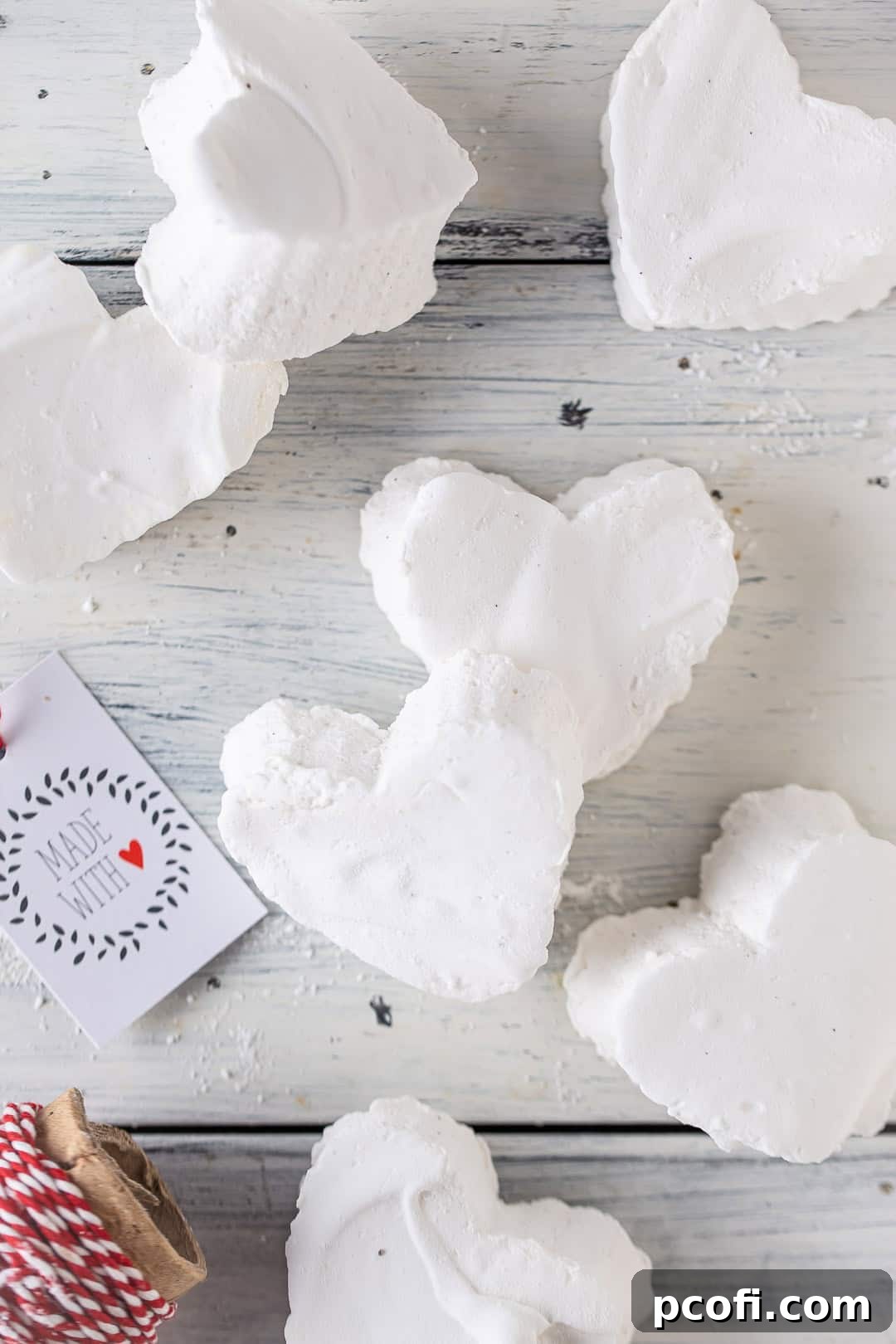
Table of Contents
- The Irresistible Appeal of Homemade Marshmallows
- Mastering the Ingredients for Perfect Marshmallows
- Endless Flavor Creations
- Your Step-by-Step Guide to Fluffy Homemade Marshmallows
- Elevate Your Dishes with Homemade Marshmallows
- Homemade Marshmallow FAQ
- Pro Tips for Marshmallow Success
- More Delightful Candy Recipes
Have you ever had the pleasure of sinking your teeth into a truly fresh, homemade marshmallow? If not, prepare to have your world changed. It’s no exaggeration to say that these soft, pillowy clouds of sweetness are astronomically better than anything you’ll find pre-packaged on a grocery store shelf. While store-bought marshmallows offer convenience, they simply cannot compare to the depth of flavor, delicate texture, and sheer joy that comes from crafting your own. When you present these at your next gathering, your guests won’t just be impressed; they’ll be utterly captivated and begging for your secret recipe.
The Irresistible Appeal of Homemade Marshmallows
Making marshmallows from scratch is a rewarding culinary adventure that promises delightful results. Here’s why these homemade wonders will become your new favorite treat:
- Unparalleled Flavor Depth: Unlike the often one-dimensional sweetness of commercial marshmallows, homemade versions burst with natural vanilla, offering a more nuanced and sophisticated taste that truly stands out.
- Perfectly Pillowy Texture: Achieve an ethereal softness and an incredibly fluffy, airy texture that melts gracefully in your mouth, a sensation unmatched by any mass-produced marshmallow.
- Balanced Sweetness: This recipe is carefully crafted to be delightful without being overwhelmingly sugary, allowing the delicate vanilla notes to shine through.
- Surprisingly Simple to Make: Don’t be intimidated by the idea of homemade candy! While it requires a few specific steps and tools, the process is far easier than many imagine, yielding impressive results with minimal fuss.
- Customizable Creativity: The base recipe is a blank canvas for endless flavor experiments, allowing you to tailor your marshmallows to any season, occasion, or craving.
- Wonderful for Gifting: Beautifully packaged homemade marshmallows make thoughtful and unique gifts for holidays, birthdays, or just to show appreciation.
Mastering the Ingredients for Perfect Marshmallows
Each ingredient plays a crucial role in creating the signature texture and flavor of homemade marshmallows. Understanding their function will help ensure your success.
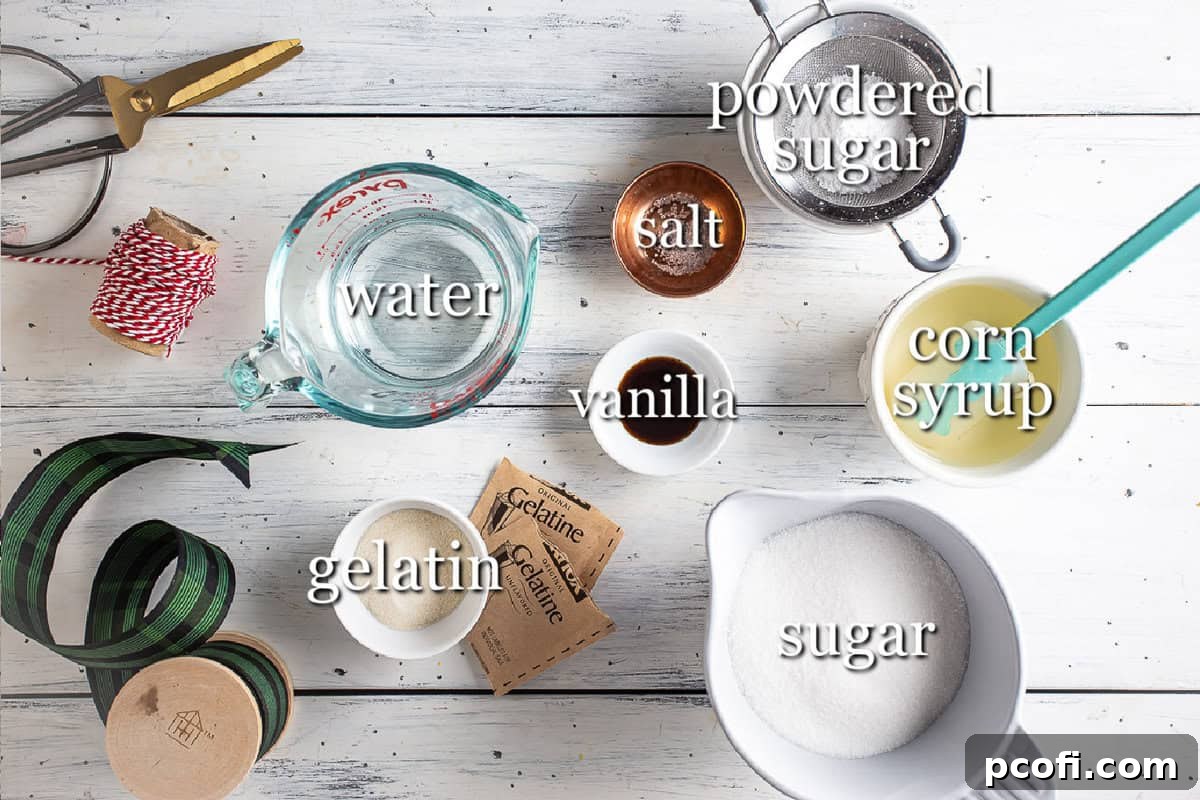
- Gelatin: This is the structural backbone of your marshmallows. It’s responsible for their characteristic bounce, chewiness, and ability to hold their shape. Unflavored gelatin powder is key here, as it allows other flavors to dominate without interference. Proper “blooming” of the gelatin in cold water is essential for it to dissolve smoothly and activate its setting properties.
- Powdered Sugar: Primarily used for coating the finished marshmallows, powdered sugar prevents them from sticking together and to your fingers. It also adds a subtle, delicate sweetness to the exterior. A mix of powdered sugar and cornstarch can also be used for an even less sticky finish.
- Egg Whites: Whipping egg whites creates the light, airy base that gives marshmallows their incredible fluffiness and volume. The air incorporated into the egg whites, when combined with the hot sugar syrup, forms a stable foam that is the foundation of the marshmallow texture. Ensure your egg whites are at room temperature for optimal whipping.
- Water: Used in two crucial stages: first, to dissolve and bloom the gelatin, and second, as a component of the sugar syrup. Using the correct amount is important for both consistency and cooking temperature.
- Light Corn Syrup: There is truly no direct substitute for light corn syrup in this recipe. It’s indispensable for two main reasons: it prevents sugar crystallization, which can make your marshmallows grainy, and it contributes to the signature chewy, pliable texture. Ensure you use *light* corn syrup to avoid any discoloration of your pristine white marshmallows.
- Granulated Sugar: This provides the primary sweetness and forms the foundation of the sugar syrup. When heated to a specific temperature, it becomes molten sugar, which, when incorporated into the egg whites, creates the stable marshmallow matrix.
- Salt: A small amount of salt is vital for balancing the sweetness and enhancing all the other flavors, particularly the vanilla. It prevents the marshmallows from tasting flat or overly sugary.
- Vanilla Extract: As the star flavor in classic marshmallows, use only pure vanilla extract for the best results. Imitation vanilla simply won’t deliver the rich, aromatic depth needed. For an even more luxurious experience, consider using vanilla bean paste or the scraped seeds from a fresh vanilla bean.
Essential Tools: Beyond the ingredients, a few key tools will ensure your marshmallow-making process is smooth and successful. A stand mixer with a whisk attachment is highly recommended for efficient whipping. A reliable candy thermometer is absolutely non-negotiable for achieving the precise sugar syrup temperature needed for the correct texture. You’ll also need a 9×13-inch baking pan, parchment paper, and an offset spatula for spreading.
Endless Flavor Creations
While the classic vanilla marshmallow is undeniably delicious, the beauty of homemade marshmallows lies in their incredible versatility. The base recipe provides a perfect canvas for experimenting with an array of exciting flavors. Here are some beloved additions to inspire your culinary creativity:
- Pumpkin Spice Marshmallows: Embrace autumn by adding 1-2 teaspoons of pumpkin pie spice along with 1 teaspoon of vanilla extract. These are divine in coffee or topped on a sweet potato casserole.
- Peppermint Marshmallows: For a festive touch, incorporate about 1/2 teaspoon of pure peppermint extract. These are perfect for holiday hot chocolates or as a delightful treat on their own.
- Raspberry or Strawberry Marshmallows: Achieve a natural fruit flavor by pulsing about 2-3 tablespoons of freeze-dried raspberries or strawberries into a fine powder. Add this powder to the marshmallow mixture at the same time as the vanilla for a vibrant, fruity marshmallow.
- Espresso Marshmallows: For coffee lovers, dissolve 1 tablespoon of instant espresso powder in 1.5-2 tablespoons of hot water before adding it to the marshmallow base. The rich coffee notes beautifully complement the sweetness.
- Chocolate Marshmallows: Melt 1/4 cup of good quality unsweetened or semi-sweet chocolate and fold it into the marshmallow mixture at the end, along with the vanilla.
- Citrus Zest Marshmallows: Finely grate the zest of one lemon, orange, or lime and add it with the vanilla for a bright, zesty twist.
- Coconut Marshmallows: Mix in 1/2 teaspoon of coconut extract, and for extra texture, fold in some toasted shredded coconut at the end.
- Rosewater or Orange Blossom Marshmallows: For an elegant, floral note, substitute half of the vanilla extract with 1/2 teaspoon of rosewater or orange blossom water.
Your Step-by-Step Guide to Fluffy Homemade Marshmallows
Crafting these delectable treats is an exciting process that requires attention to detail but is incredibly rewarding. Follow these detailed steps to ensure perfectly fluffy marshmallows every time.
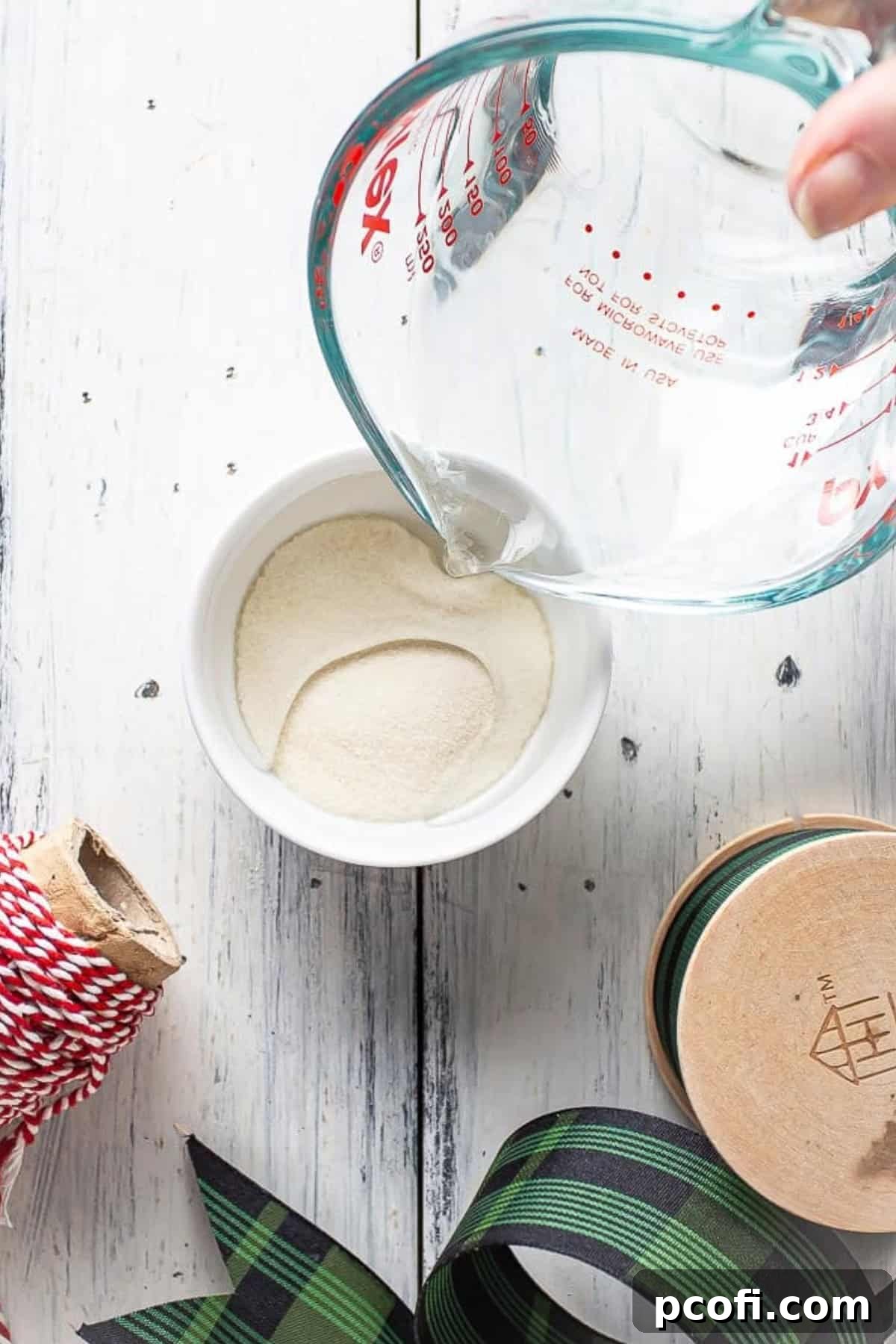
Step 1: Prepare Your Workspace and Bloom Gelatin. Begin by generously spraying the bottom and sides of a 9×13-inch baking pan with nonstick spray. For easier removal, you can also line the pan with parchment paper, leaving an overhang on the sides, and then lightly spray the parchment. It’s often recommended to use a non-metal baking pan, such as glass, as some metallic pans can subtly affect the taste of the marshmallows. In a small, heatproof bowl, combine 1/2 cup of water with the unflavored gelatin powder. Stir thoroughly until the gelatin is fully moistened and appears thick and gelatinous. Set this mixture aside to “bloom” while you prepare the other components. Blooming allows the gelatin granules to absorb water, which is crucial for them to dissolve properly later and contribute to the marshmallow’s structure. In the bowl of a stand mixer fitted with a whisk attachment (or a large mixing bowl if using a handheld mixer), add the egg whites. Begin beating the egg whites on high speed.
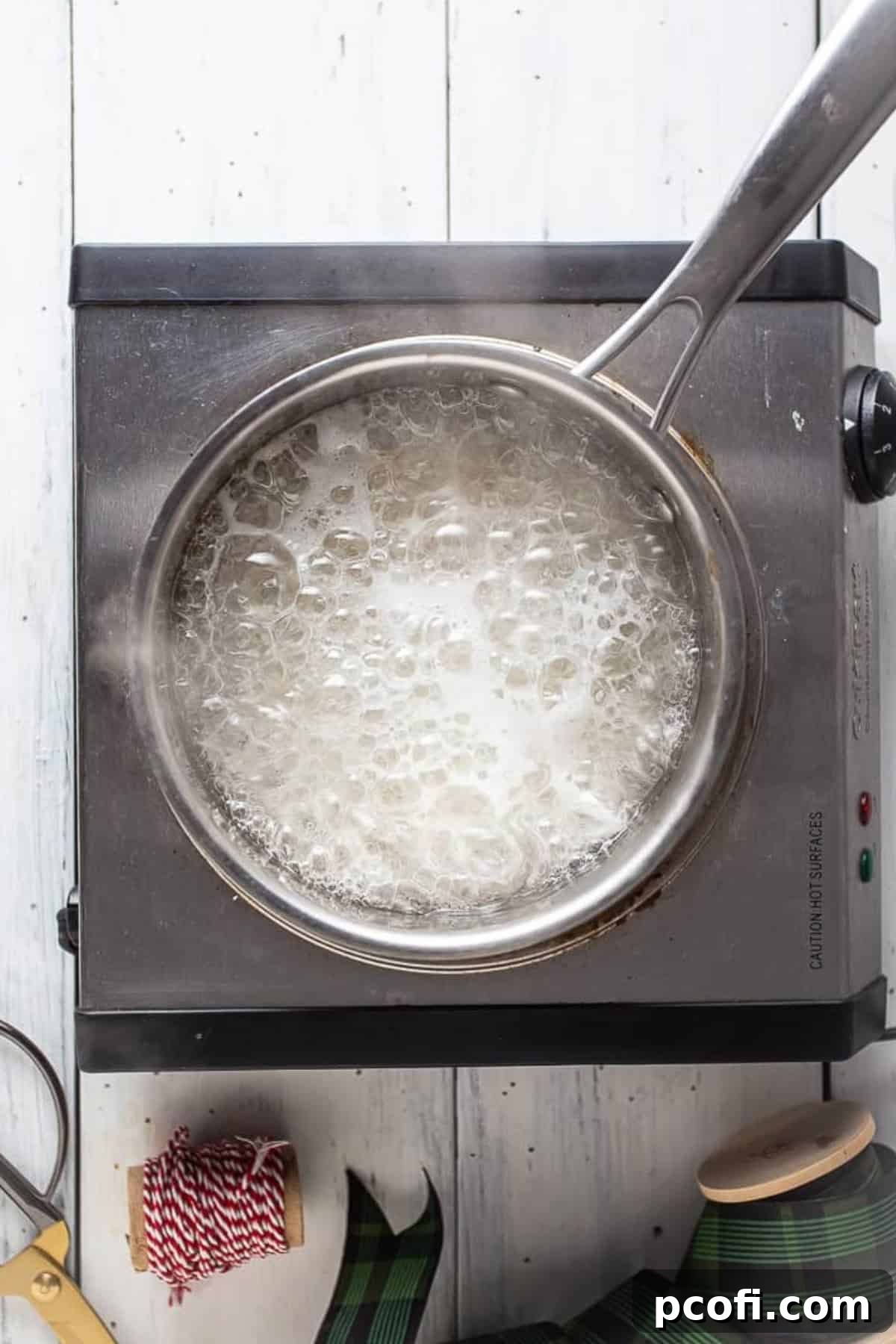
Step 2: Create the Sugar Syrup. While the egg whites are whipping and the gelatin is blooming, combine the remaining water, granulated sugar, light corn syrup, and salt in a small, heavy-bottomed saucepan. Place the saucepan over medium heat. Stir the mixture continuously until all the granulated sugar has completely dissolved. It’s important to keep stirring at this stage to prevent sugar crystals from forming on the sides of the pan. Once dissolved, stop stirring and allow the syrup to come to a boil. Insert a reliable candy thermometer into the mixture, ensuring the tip does not touch the bottom of the pan. Cook the sugar syrup until it reaches precisely 245°F (118°C). This temperature is critical for the marshmallow’s final texture. If it’s too low, your marshmallows might be too soft or runny; too high, and they could become brittle. Be watchful and remove from heat immediately once the target temperature is reached.
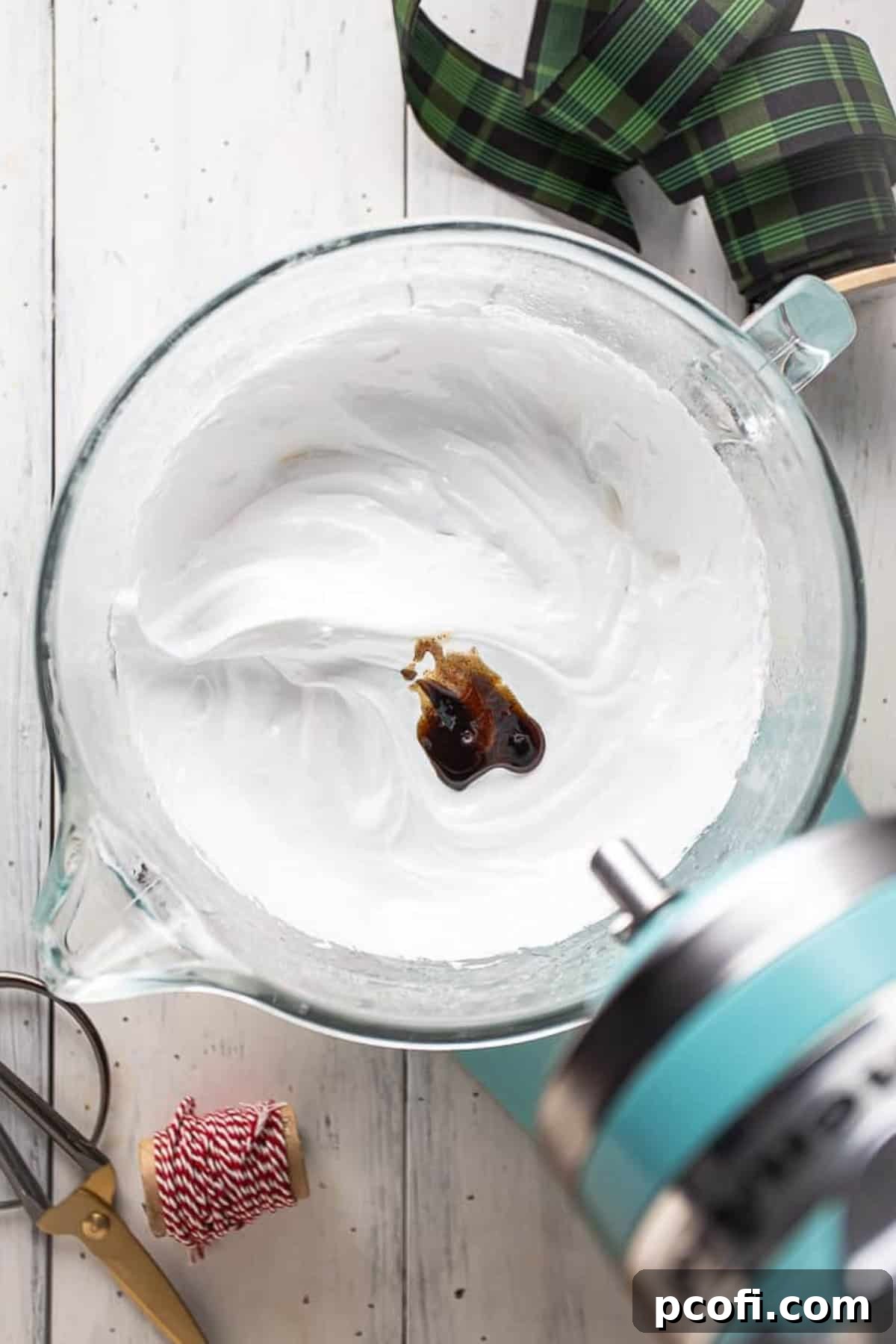
Step 3: Combine and Whip to Perfection. By now, your egg whites should have reached stiff peaks, meaning they hold their shape firmly when the whisk is lifted, and their volume has nearly tripled. Once the sugar syrup hits 245°F, reduce the mixer speed to low. With extreme caution, slowly and steadily pour the hot sugar syrup into the whipped egg whites in a thin, continuous stream. Avoid pouring the syrup directly onto the whisk or the sides of the bowl; aim for the gap between the whisk and the bowl to ensure even incorporation. The syrup is extremely hot, so exercise great care to prevent splashes. After all the syrup has been added, turn off the mixer briefly. Add your bloomed gelatin to the small saucepan (which still retains residual heat) and place it back over very low heat. Stir gently until the gelatin has completely liquefied. Then, with the mixer on low speed, carefully pour in the liquid gelatin mixture and the vanilla extract (or vanilla bean seeds if using). Gradually increase the mixer speed to high and whip the mixture for 8-12 minutes, or until it becomes very thick, glossy, and has cooled to lukewarm. The mixture should hold firm peaks and look voluminous.
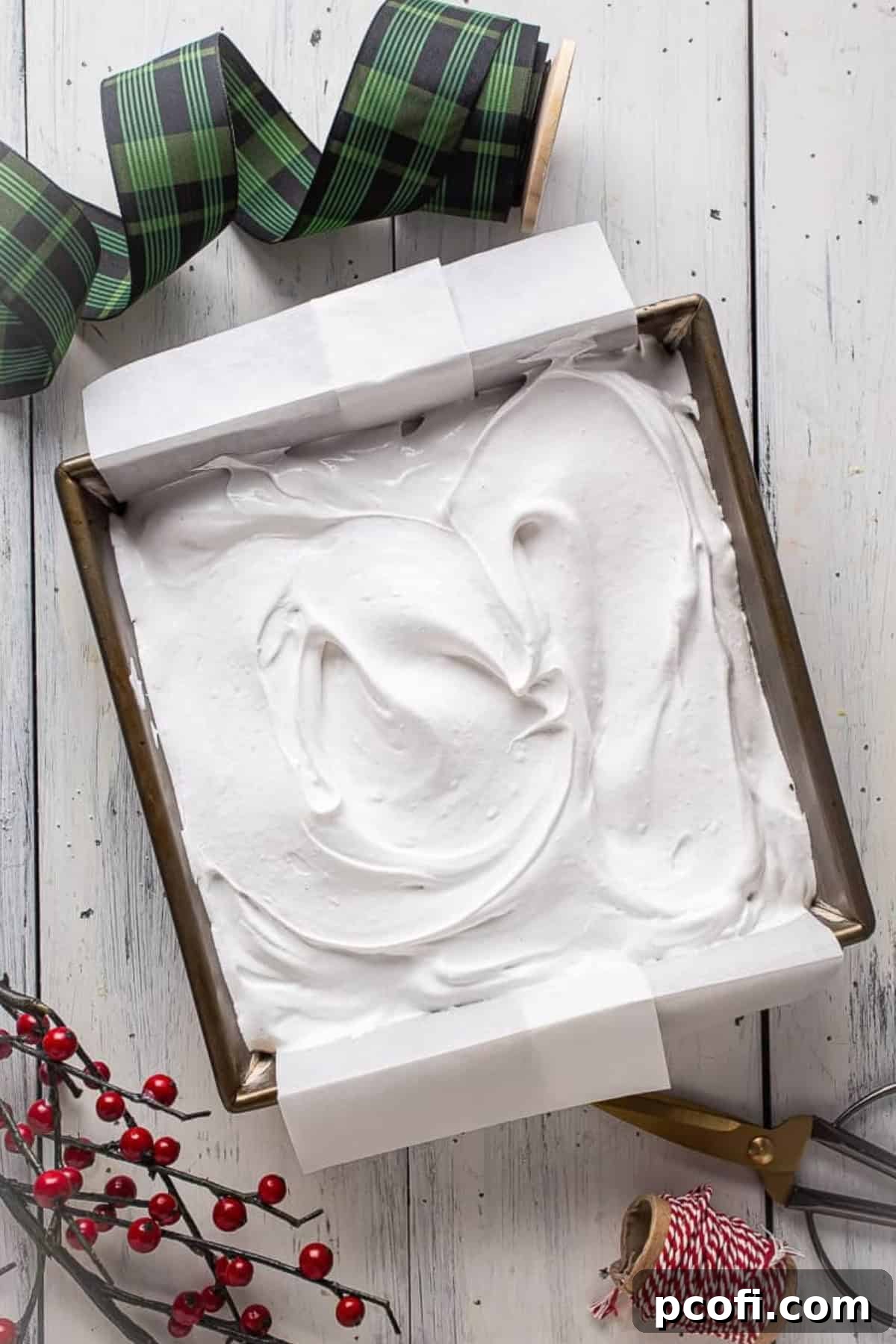
Step 4: Spread and Set. Once the marshmallow mixture is thick and glossy, immediately pour it into your prepared baking pan. Work quickly, as the mixture will begin to set as it cools. Using an offset spatula or a lightly oiled rubber spatula, spread the marshmallow mixture evenly into the pan, smoothing the top as best you can. You can also lightly wet your fingers and gently press down the surface for an extra smooth finish. Do not cover the pan. Allow the marshmallow to sit undisturbed at room temperature for at least 4-6 hours, or ideally overnight (up to 48 hours). Patience is key here; rushing the setting process will result in sticky, difficult-to-cut marshmallows. The longer they set, the easier they will be to handle.
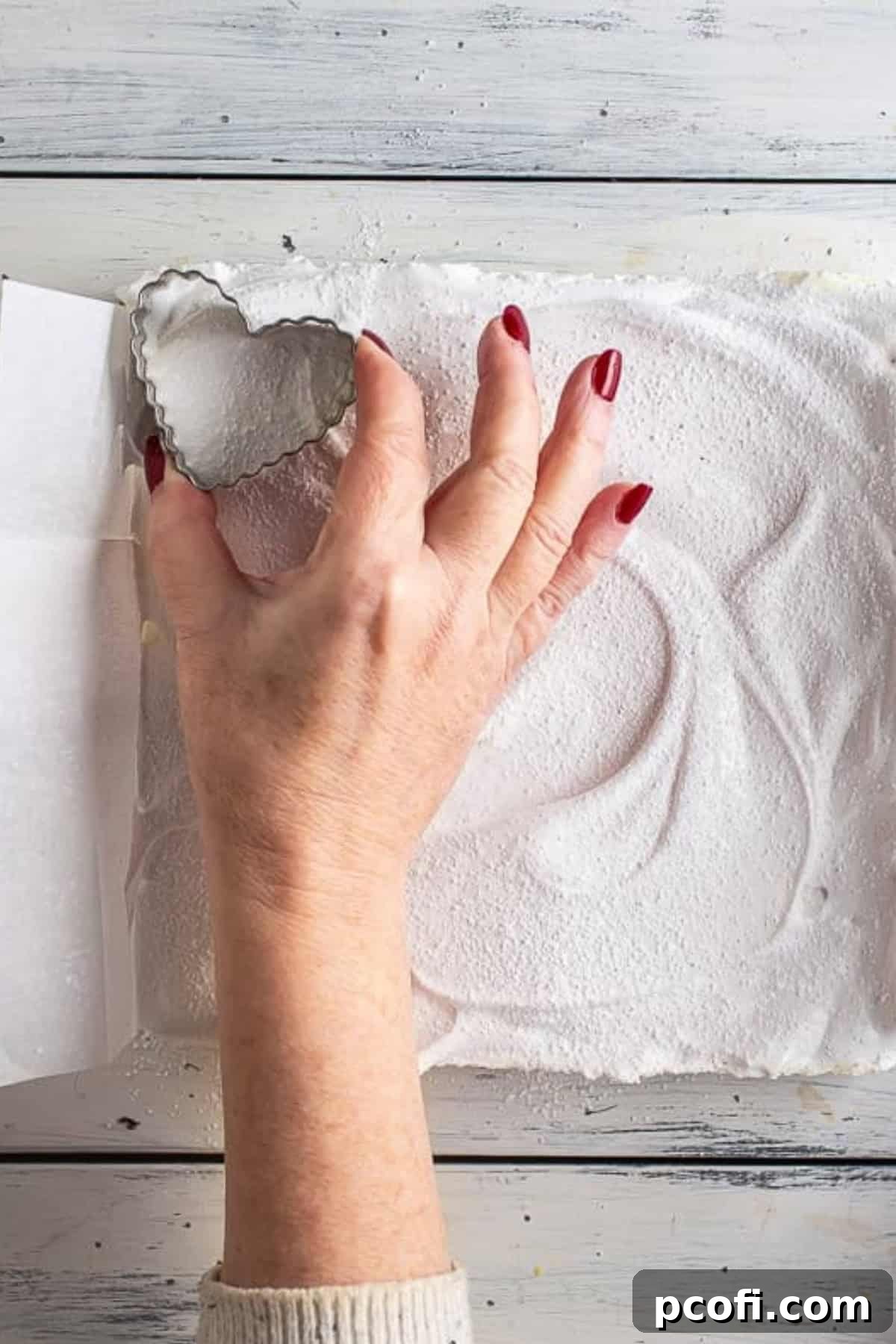
Step 5: Cut and Dust. When the marshmallow is completely firm and no longer sticky to the touch, it’s time to cut. Lightly dust a large cutting board or clean surface with a generous amount of powdered sugar (or a mix of powdered sugar and cornstarch). If you lined your pan with parchment paper, simply lift the marshmallow slab out of the pan using the parchment overhang and invert it onto your dusted surface. Peel off the parchment paper. If you didn’t use parchment, gently loosen the edges with a thin knife and invert the pan onto the dusted surface. Using a sharp knife or a cookie cutter, cut the marshmallow into your desired shapes or 1.5-inch squares. To prevent sticking, frequently dip your knife or cookie cutter into powdered sugar or cornstarch. Once cut, dust all sides of each marshmallow piece generously with additional powdered sugar, ensuring they are fully coated. This step is crucial for preventing them from sticking together. Gently shake off any excess powder before storing.
Elevate Your Dishes with Homemade Marshmallows
The versatility of homemade marshmallows extends far beyond a simple snack. Their superior flavor and texture can transform a multitude of recipes, adding a touch of gourmet elegance. Here are just a few ideas for how to use your delightful creations:
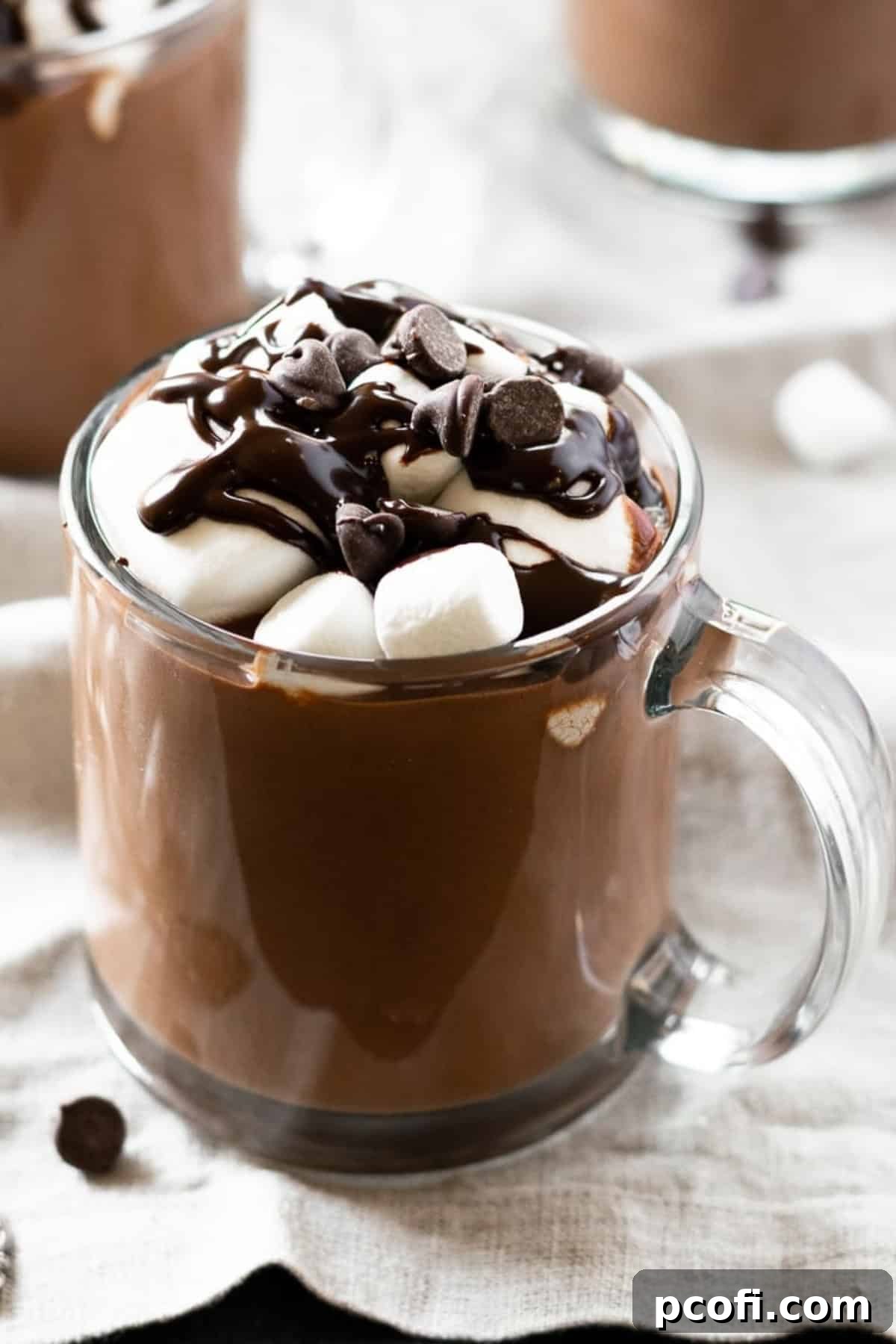
- The Ultimate Hot Chocolate Topper: Elevate a classic cup of hot chocolate, whether it’s an easy homemade hot chocolate or a rich gourmet blend, by floating a few of these fluffy beauties on top. They melt slowly, creating a creamy, sweet layer that is pure bliss.
- Gourmet S’mores: Take your campfire or indoor s’mores experience to a whole new level. The way homemade marshmallows toast to a golden, gooey perfection is simply incomparable, pairing exquisitely with graham crackers and chocolate.
- Next-Level Rice Krispie Treats: Swap out commercial marshmallows for your homemade batch in rice krispie treats for an unbelievably soft, chewy, and flavorful version that will impress everyone.
- Sweet Potato Casserole with a Twist: For holidays, ditch the bland factory-made topping on your sweet potato casserole and crown it with homemade marshmallows. Their fresh vanilla flavor and superior melt will make it an unforgettable dish.
- Homemade Hot Cocoa Mix: Cut your marshmallows into smaller pieces and incorporate them into your homemade hot cocoa mix for an instant upgrade. They’ll melt beautifully when hot liquid is added.
- Dessert Toppings: Use them to top fruit salads, puddings, or baked goods for an extra layer of sweetness and texture. They’re particularly delightful on chocolate desserts or fruit tarts.
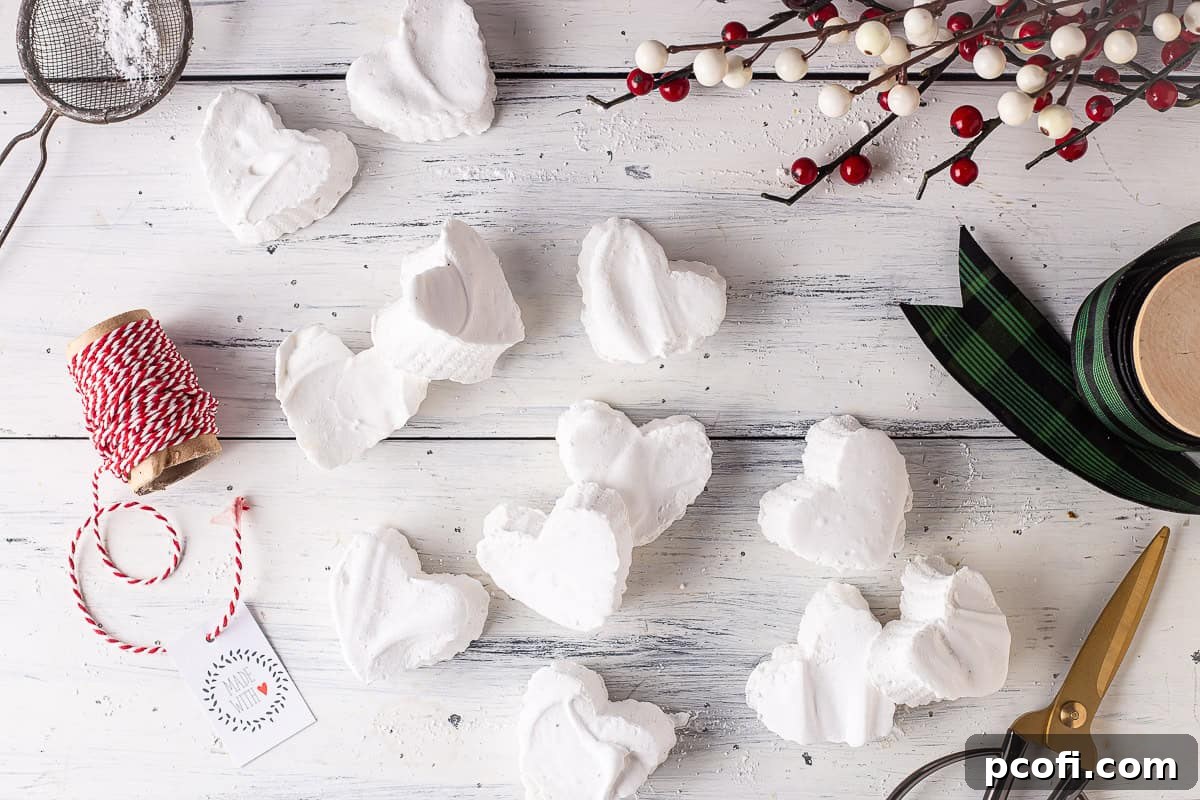
- Edible Gifts: Package homemade marshmallows in decorative bags or boxes. They make charming and personal gifts for any occasion, especially when tied with a ribbon and a handwritten tag.
- Roasting Perfection: Whether over an open flame or under a broiler, homemade marshmallows roast with a crispier exterior and a gooier interior than their store-bought counterparts.
Homemade Marshmallow FAQ
Homemade marshmallows are best enjoyed fresh, but they can be kept at room temperature for up to 2 weeks. Store them in an airtight container to prevent them from drying out. To avoid sticking, place parchment paper between layers of marshmallows.
Absolutely! Freezing is an excellent way to extend their shelf life. Marshmallows can be frozen for up to 3 months. To freeze, arrange them in a single layer on a baking sheet, freeze until solid, then transfer them to an airtight freezer-safe container. Place parchment paper between layers to prevent sticking. Thaw at room temperature for a few hours before serving.
The core ingredients in most classic marshmallow recipes are sugar (granulated and often powdered for coating), corn syrup, and gelatin, which provides the setting and chewy texture. This recipe also includes egg whites, which contribute significantly to the light and fluffy volume.
Several factors can affect fluffiness and stickiness. The most common culprit is not reaching the correct temperature for the sugar syrup. It’s crucial to use a reliable candy thermometer and ensure the syrup reaches precisely 245°F (118°C). If the syrup isn’t hot enough, the marshmallows might be too soft or gooey. If it’s too hot, they can become hard or brittle. Another factor is insufficient whipping time for the egg whites or the final marshmallow mixture; whipping long enough incorporates air and develops the fluffy texture. Lastly, make sure to allow adequate setting time (at least 4-6 hours, preferably overnight) and dust generously with powdered sugar to combat stickiness.
While a stand mixer with a whisk attachment makes the process significantly easier and more efficient, a powerful handheld electric mixer can also be used. Be prepared for a bit of an arm workout, as the whipping process can take 8-12 minutes at high speed.
Pro Tips for Marshmallow Success
Achieving perfect homemade marshmallows is easier with a few expert tips in your arsenal:
- Precision is Key: Baking, especially candy making, is a science. Accurate measurements of all ingredients are vital. Use kitchen scales for dry ingredients if possible.
- The Candy Thermometer is Your Best Friend: Do not guess the temperature of the sugar syrup. An accurate candy thermometer is essential for reaching the critical 245°F (118°C). Small deviations can lead to very different textures.
- Clean Equipment: Ensure your mixer bowl and whisk are impeccably clean and grease-free, especially when whipping egg whites. Any trace of fat can prevent the egg whites from whipping up properly.
- Steady Stream for Syrup: When adding the hot sugar syrup to the egg whites, pour it in a very slow, thin, and steady stream. This allows the hot syrup to evenly temper the egg whites without cooking them or collapsing the foam.
- Patience During Whipping: Don’t cut short the whipping time after adding the syrup and gelatin. The mixture needs sufficient time to cool down and thicken significantly, building that characteristic fluffy body.
- Patience During Setting: Resist the urge to cut the marshmallows too early. Giving them ample time to set (at least 4-6 hours, ideally overnight or longer) at room temperature ensures they firm up properly and are easy to handle.
- Dusting Power: Don’t skimp on the powdered sugar dusting. It’s crucial for preventing stickiness and making the marshmallows manageable. A mix of powdered sugar and cornstarch (50/50) can be even more effective.
- Sharp, Oiled Knife: When cutting, use a long, sharp knife. For the cleanest cuts, lightly oil the knife blade or frequently dip it into powdered sugar or cornstarch to prevent sticking.
More Delightful Candy Recipes
If you’ve enjoyed the process of making homemade marshmallows, you might discover a new passion for crafting other delicious candies from scratch. Here are some more irresistible recipes to try:
- Easy Peanut Butter Fudge
- How To Make Toffee
- Chocolate Truffles
- Peppermint Bark
Homemade Marshmallow Recipe
28
marshmallows
15
mins
10
mins
4
hrs
20
mins
Leave a Review
Save Recipe
Ingredients
-
3/4 cup
(187.5 ml)
water, divided -
1/2 ounce
(56.7 g)
unflavored gelatin powder, 2 standard 1/4-ounce packets -
4 large
egg whites -
1 cup
(200 g)
granulated sugar -
2 Tablespoons
(2 tablespoons)
light corn syrup -
1/4 teaspoon
salt -
2 teaspoons
vanilla extract, or a whole vanilla bean
Instructions
-
Generously spray the bottom and sides of a 9×13-inch baking pan or line with parchment paper and lightly spray with nonstick spray. (I recommend using a non-metal baking pan as it can affect the taste). Set aside.
-
Place the gelatin and 1/2 cup water in a small bowl and stir together. Allow it to sit until you need it in step 4. Add the egg whites in the bowl of a stand mixer fitted with a whisk attachment. (If using a handheld mixer, a regular large mixing bowl.) Whisk on medium speed until stiff peaks form and the volume has about tripled, about 3-5 minutes.
-
Place the remaining water, granulated sugar, corn syrup, and salt in a small saucepan over medium heat. Stir until the sugar has dissolved. Cook until the sugar syrup reaches 245ºF, use a candy thermometer for this.
-
Turn the mixer on low speed and slowly pour the hot sugar syrup into the egg whites in a thin, slow stream. The syrup will be extremely hot, so use caution. Turn off the mixer. Add the gelatin to the small saucepan and place over low heat. Stir until it becomes a liquid. On low speed, carefully pour in the gelatin mixture and vanilla extract (or vanilla bean seeds). Then, gradually increase the speed until it reaches high and whip until thick and shiny.
-
Pour the marshmallow mixture into the prepared baking pan and smooth out the top with an offset spatula. Allow it to sit at room temperature for at least 4-6 hours or up to 48 hours.
-
Once completely firm, cut the marshmallows. To do this, lift the marshmallows, using the parchment paper, from the baking pan or invert onto the surface. (Or, cover a large surface with parchment paper and sprinkle with a dusting of powdered sugar). Using a sharp knife, cut the marshmallow into 1.5-inch squares (or desired shapes), coating the knife with cornstarch as needed. Dust with powdered sugar.
-
Store leftover marshmallows at room temperature in an airtight container, with parchment paper between layers to prevent them from sticking, for up to 2 weeks.
Notes
- Make Ahead Instructions: Marshmallows are a perfect make-ahead recipe because they need to sit at room temperature for at least 4-6 hours or up to 48 hours before cutting. Once cut, they will stay fresh for up to 2 weeks.
Calories: 37kcal
,
Carbohydrates: 8g
,
Protein: 1g
,
Fat: 0.03g
,
Sodium: 31mg
,
Potassium: 8mg
,
Sugar: 8g
,
Calcium: 1mg
,
Iron: 0.01mg
American
Dessert, Snack
Tried this recipe?
Mention @bakingamoment on Instagram or tag #bakingamoment.