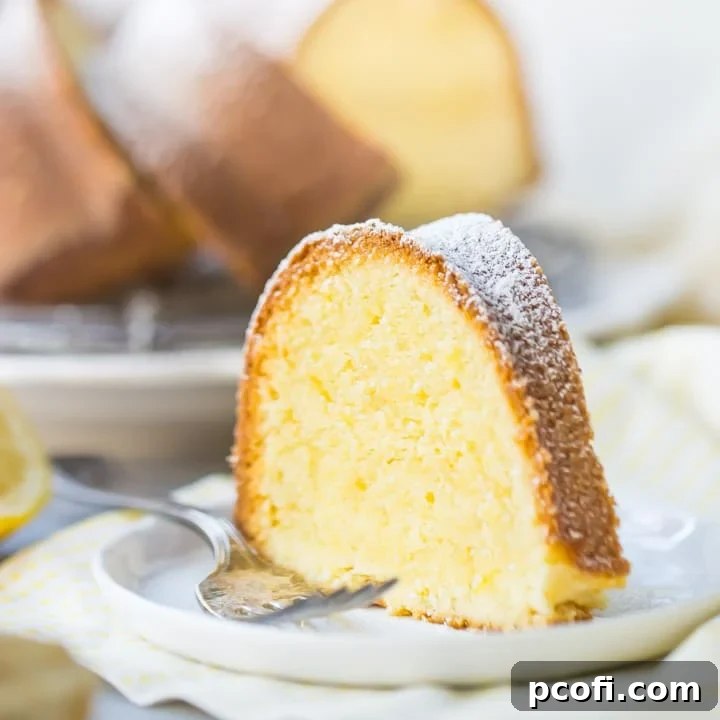
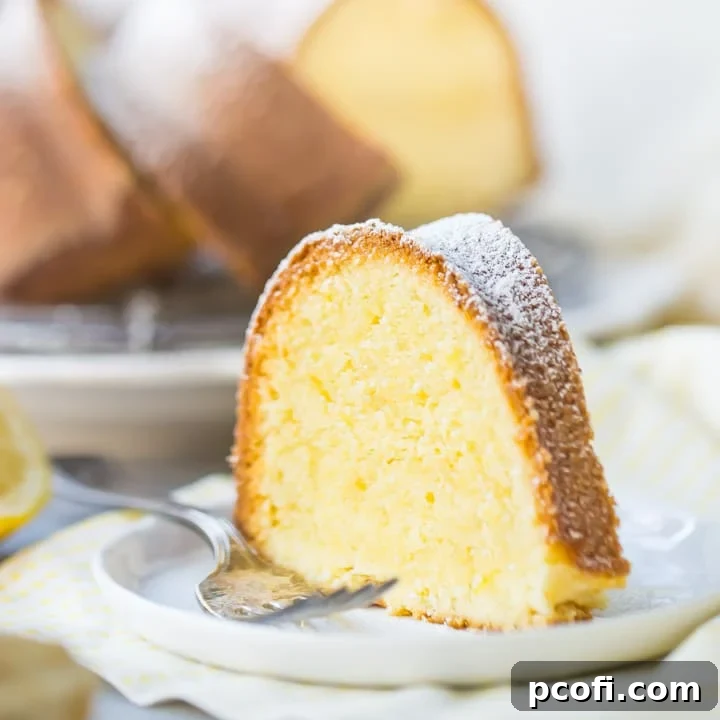
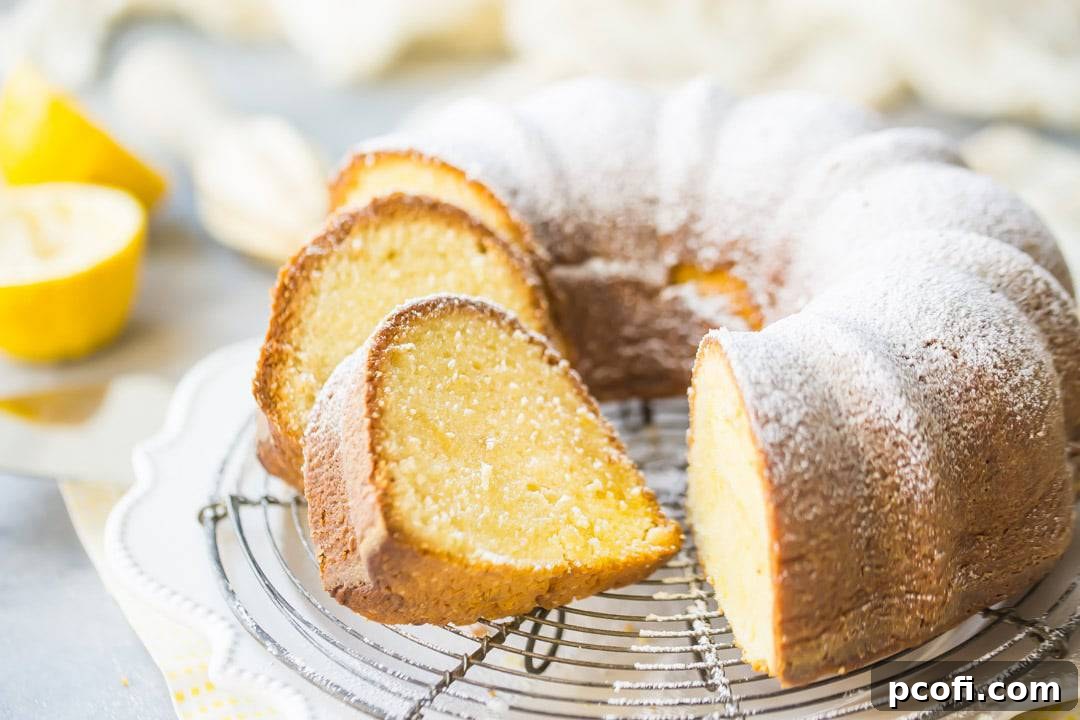
Prepare to be captivated by this extraordinary lemon pound cake recipe! It’s a culinary masterpiece, absolutely bursting with bright, tangy lemon flavor and an incredibly moist, velvety texture that truly melts in your mouth. Crafted with pure butter, this cake delivers a richness and depth of flavor that sets it apart, making every slice an unforgettable experience.
Original publish date: March 20, 2018.
Indulge in the Ultimate Lemon Pound Cake: A Recipe for Bright, Buttery Perfection
As the last vestiges of winter cling stubbornly, a craving for bright, sunny flavors becomes irresistible. There’s nothing quite like the zesty embrace of lemon to herald the arrival of spring and banish the lingering chill. This spectacular lemon pound cake is more than just a dessert; it’s a delightful ray of sunshine in cake form, promising a taste of warmer days ahead.
When embarking on the creation of an ideal lemon pound cake recipe, several key characteristics are paramount. The perfect pound cake, in my humble opinion, must embody these essential qualities:
- Unquestionably Moist: A dry pound cake is a culinary disappointment. It needs to be tender and succulent, moist enough to practically melt in your mouth.
- Richly Buttery: The foundation of any great pound cake is butter. It provides an unparalleled richness, flavor, and contributes significantly to that desirable velvety texture.
- Intensely Lemon-y: This is non-negotiable! A lemon pound cake must deliver a vibrant, undeniable burst of citrus in every single bite. Subtlety has no place here.
That last point, “intensely lemon-y,” is crucial. Few things are as disappointing as a dessert that promises a specific flavor but fails to deliver. Rest assured, dear friend, this recipe ensures that will not be an issue. Our lemon pound cake is crafted with the potent zest and fresh juice of two whole lemons, infusing every morsel with authentic citrus goodness. And just to guarantee that unparalleled vibrancy, a touch of pure lemon extract is incorporated, amplifying the natural lemon notes for an utterly delightful experience.
There will be absolutely no mistaking the star of this show—it is unequivocally a lemon pound cake. Its flavor profile is a harmonious blend of bright acidity, refreshing tang, and pure sunshine. Beyond its incredible taste, this recipe excels in delivering on the “moist” and “buttery” promises. Made exclusively with high-quality butter, the recipe remains delightfully simple and straightforward, culminating in a cake that is astonishingly moist, tender, and possesses a luxurious, velvety crumb.
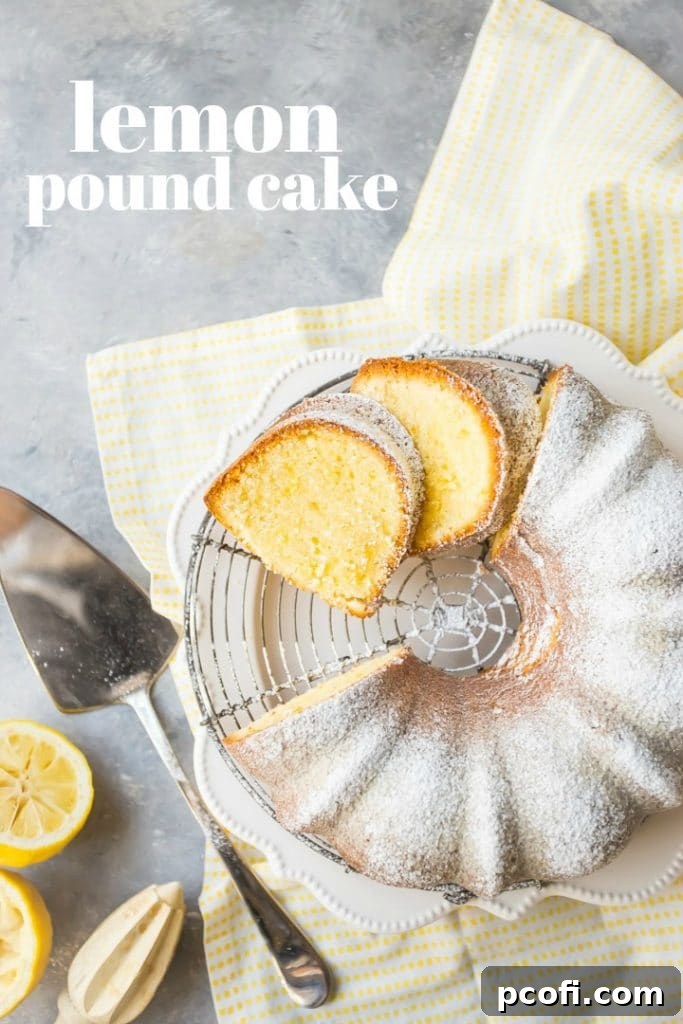
Table of Contents
- What is Lemon Pound Cake?
- Why This is the Best Lemon Pound Cake Recipe
- Key Ingredients for the Perfect Pound Cake
- Essential Tools for Baking Success
- Step-by-Step: How to Make Lemon Pound Cake
- Creative Ways to Serve Your Pound Cake
- Expert Tips for a Flawless Lemon Pound Cake
- Frequently Asked Questions
- More Zesty Lemon Recipes to Love
Jump to Recipe
What is Lemon Pound Cake? Exploring this Classic Dessert
Lemon pound cake is a beloved classic dessert renowned for its rich, dense, and moist texture. The “pound cake” moniker traditionally stems from its original recipe, which called for a pound of each of its core ingredients: butter, sugar, eggs, and flour. This balanced ratio contributes to its distinctively tight crumb and substantial feel, differentiating it from lighter, more airy cake varieties.
The addition of lemon elevates this traditional cake into a bright and refreshing treat. The vibrant citrus flavor is typically derived from a combination of fresh lemon zest (which contains potent aromatic oils), tangy lemon juice (providing acidity and moisture), and often a touch of lemon extract to further intensify that characteristic zesty punch. The result is a cake that is both comforting and invigorating, making it a perfect choice for any season, though it particularly shines during spring and summer.
Unlike some cakes that rely heavily on chemical leavening agents, pound cakes often achieve their rise and structure primarily through the aeration of butter and sugar during the creaming process, along with the proteins in the eggs. This method contributes to its characteristic density and moistness, ensuring a satisfyingly rich slice every time.
Why This is the Best Lemon Pound Cake Recipe You’ll Ever Make
Among a sea of lemon pound cake recipes, ours stands out as truly exceptional. Here’s why this recipe deserves a permanent spot in your baking repertoire:
- Unrivaled Lemon Flavor: This recipe doesn’t shy away from lemon. We use a powerful trifecta of fresh lemon zest, fresh lemon juice, and a hint of quality lemon extract to create an incredibly prominent and authentic lemon flavor. You won’t just taste a suggestion of lemon; you’ll experience a vibrant, tangy explosion in every single bite, ensuring a truly satisfying citrus experience.
- Simple, Wholesome Ingredients: Great food doesn’t need complicated components. This recipe champions the use of simple, everyday ingredients like butter, sugar, eggs, flour, and fresh lemons. This not only makes it easy to source everything you need but also ensures a pure, wholesome taste that resonates with classic homemade goodness.
- Beginner-Friendly and Effortless: Don’t let the elegance of this cake intimidate you. This recipe is designed to be accessible to bakers of all skill levels. It requires no advanced baking techniques or specialized equipment, making it perfect for a novice baker looking to impress, or an experienced baker seeking a reliable and straightforward recipe. Clear, step-by-step instructions guide you to success.
- Incredibly Versatile for Customization: While perfect on its own, this lemon pound cake recipe provides an excellent base for creativity. It’s highly customizable, allowing you to easily experiment with various add-ins, glazes, and adornments. Whether you want to fold in berries, add a unique spice, or drizzle with a custom glaze, this cake is your canvas for culinary innovation.
Key Ingredients for the Perfect Pound Cake (And Why They Matter)
Each ingredient in this lemon pound cake recipe plays a crucial role in achieving its perfect flavor and texture. Understanding their function will help you bake with confidence:
Butter: The star of pound cake, butter provides unparalleled richness, deep flavor, and contributes significantly to the cake’s meltingly moist and tender crumb. I always recommend using unsalted butter. This allows you complete control over the total salt content in your recipe, as different brands of salted butter can vary widely in their sodium levels, potentially affecting the final taste. For best results, ensure your butter is at room temperature before you begin. You can achieve this by leaving it on the counter for a few hours, or by carefully microwaving it in short bursts—about 10 seconds, flip, then another 8 seconds—until just soft but not melted. If you’re looking to create a vegan or dairy-free lemon pound cake, a high-quality plant-based butter substitute that can be used in a 1:1 ratio with dairy butter will work beautifully.
Sugar: Granulated white sugar does more than just sweeten the cake. It plays a vital role in tenderizing the batter, trapping air during the creaming process (which contributes to the cake’s lift), and ensuring a beautiful golden-brown crust when baked. Its crystalline structure helps create that desired fluffy texture when creamed with butter.
Eggs: Large, whole chicken eggs are essential here. They act as a powerful leavening agent, helping the cake rise by incorporating air and creating steam during baking. Eggs also provide crucial structure to the cake, preventing it from collapsing, and contribute immensely to its overall richness and moisture. While using room-temperature eggs is often recommended for better emulsification, I’ve found that with this particular recipe, it’s not absolutely critical for success. For a plant-based alternative, look for a 1:1 egg substitute that is suitable for baking.
Flour: For an exquisitely tender and delicate crumb, I highly recommend using cake flour in this recipe. Cake flour has a lower protein content compared to all-purpose flour, which results in less gluten development and a softer texture. If you’re curious about its benefits, learn more here: What is Cake Flour? Should you desire a gluten-free lemon pound cake, a reliable cup-for-cup gluten-free flour blend can be substituted seamlessly.
Lemon: The very essence of this cake! Both fresh lemon juice and lemon zest are indispensable. The juice provides the essential acidity, which interacts with other ingredients to aid in leavening and impart its characteristic tang. However, it’s the zest that truly carries the vibrant, aromatic oils, intensifying the lemon flavor profile. For an extra layer of bright citrus depth, I also like to include a splash of lemon extract, ensuring that bold lemon taste shines through.
Salt: A small amount of salt is vital for balancing the sweetness and enhancing all the other flavors in the cake. I prefer kosher salt because it’s widely available, economical, and doesn’t contain bitter-tasting additives like iodine, which can sometimes be found in table salt.
Essential Tools for Baking Success
Having the right tools can make all the difference in ensuring a smooth and successful baking experience. Here’s what you’ll need for this lemon pound cake:
- Measuring cups and spoons: Accuracy is key in baking. Refer to my guide on how to measure ingredients to ensure precise amounts for the best results.
- Large Mixing Bowl: A spacious bowl is essential for comfortably mixing the batter without spills, allowing all ingredients to combine properly.
- Mixer: Whether you prefer a robust stand mixer fitted with the paddle attachment for hands-free convenience, or a versatile hand-held electric mixer for flexibility, an electric mixer is crucial for properly creaming butter and sugar and incorporating ingredients.
- Silicone Spatula: This indispensable tool is perfect for scraping down the sides and bottom of your mixing bowl, ensuring all ingredients are fully incorporated. It’s also ideal for gently folding in dry ingredients and getting every last bit of delicious batter into the pan.
- Microplane: For effortlessly removing the fine, flavorful zest from your lemons without grating into the bitter white pith.
- Juicer or Reamer: To efficiently extract fresh lemon juice, ensuring you capture all its tangy goodness.
- Pan: A 12-cup capacity bundt pan is recommended for this recipe, giving the cake its classic shape.
- Non-stick spray: Essential for generously greasing your bundt pan to ensure the cake releases easily and beautifully after baking.
- Skewer: A simple yet effective tool for testing the doneness of your cake, ensuring it’s baked through without being overcooked.
- Wire Rack: Crucial for cooling your cake evenly and preventing the bottom from becoming soggy, allowing air to circulate all around.
Step-by-Step: How to Make This Irresistible Lemon Pound Cake
Creating this delicious lemon pound cake is a straightforward process, broken down into four simple yet crucial steps. Follow these instructions carefully for a perfect bake every time:
Step 1: Cream the Butter and Sugar until Light and Fluffy
Begin by placing your softened room-temperature butter and granulated sugar into your large mixing bowl. Using your electric mixer (stand or hand-held), whip these two ingredients together on medium-high speed. The goal here is to achieve a mixture that is significantly lighter in color and noticeably fluffy in texture. This process is called creaming, and it’s essential because it incorporates a significant amount of air into the butter, which will help your cake rise and achieve a light, tender crumb. Do not rush this step; it typically requires no less than five full minutes of mixing. I often set a timer to ensure I give it adequate attention!
Step 2: Incorporate Liquids for Flavor and Structure
Once your butter and sugar are beautifully creamed, pause and use your silicone spatula to scrape down the bottom and sides of the bowl. This ensures that any stiff butter or unmixed sugar is fully incorporated. Next, begin adding your large eggs, one at a time. After adding each egg, beat it into the mixture completely until it’s fully combined before adding the next one. This method helps prevent the batter from becoming lumpy and ensures a smooth, emulsified mixture. At this stage, also add the vibrant lemon zest, fresh lemon juice, and the optional lemon extract, mixing until everything is smoothly incorporated and fragrant with citrus.
Step 3: Gently Fold in Dry Ingredients to Avoid Toughness
Now, it’s time to add the dry ingredients. Carefully add the cake flour and salt to your wet mixture. With your mixer on a low speed, or by hand with your silicone spatula, mix until the dry ingredients are just barely incorporated into the wet. It’s crucial not to overmix at this stage. Overmixing can develop the gluten in the flour too much, leading to a tough, dense cake rather than the desired tender pound cake texture. Stop mixing as soon as you no longer see streaks of dry flour.
Step 4: Bake to Golden-Brown Perfection
Transfer the beautifully mixed batter into your generously greased and floured bundt pan, spreading it evenly. Place the pan into your preheated oven and bake until the cake is puffed up, golden brown, and feels springy to the touch in the center. To accurately check for doneness, insert a thin wooden skewer or a toothpick into the thickest part of the cake. When it comes out clean, or with just a few moist crumbs clinging to it, your lemon pound cake is perfectly baked and ready to be removed from the oven.
Creative Ways to Serve Your Exquisite Lemon Pound Cake
This delightful lemon pound cake is wonderfully versatile and can be savored in numerous ways, whether as an elegant dessert or a comforting afternoon treat. Its rich flavor pairs beautifully with a warm cup of coffee or a refreshing cup of tea. While delicious at room temperature, it’s also incredibly satisfying when gently warmed or even chilled, offering a slightly different textural experience.
Traditionally, I love to garnish this cake with a simple dusting of powdered sugar for a touch of elegance and sweetness. However, the possibilities for serving and enhancement are truly endless:
- Dollop of Whipped Cream: A light and airy dollop of freshly whipped cream provides a lovely contrast to the dense richness of the cake.
- Fresh Berries Medley: Brighten each slice with a generous topping of fresh seasonal berries such as sweet strawberries, juicy blueberries, or tart raspberries. The fruit’s freshness complements the lemon beautifully.
- Tangy Lemon Glaze: For an extra boost of lemon flavor and a beautiful glossy finish, drizzle a simple lemon glaze over the entire cake. This can be easily made by whisking fresh lemon juice into powdered sugar until smooth.
- Luscious Lemon Curd or Homemade Jam: A spoonful of vibrant lemon curd or a dollop of sweet homemade jam (strawberry or raspberry would be divine!) adds an incredible layer of indulgence and fruitiness.
- Scoop of Ice Cream or Sorbet: Serve a warm slice of pound cake with a cool scoop of vanilla bean ice cream for a classic pairing, or a refreshing lemon or berry sorbet for an extra tangy kick. Explore more ideas in our ice creams & sorbets category.
Expert Tips for a Flawless Lemon Pound Cake
Achieving a perfect lemon pound cake is simple with these expert tips:
Embrace Your Creativity: While this recipe is fantastic as is, don’t hesitate to personalize it! Feel free to adjust the flavor profile to suit your taste. Consider folding in poppy seeds for a classic lemon-poppy seed variation, or add fresh berries like blueberries or raspberries for a burst of fruity goodness. For an adventurous twist, incorporate unique spices such as warm ginger or fragrant cardamom. The possibilities are truly limitless, so let your culinary imagination soar!
Whip in Abundant Air: This is a non-negotiable step for a light and airy pound cake. It is absolutely crucial to whip a substantial amount of air into your butter and sugar mixture during the creaming process. This aeration is what helps the cake achieve a beautiful rise and a wonderfully tender, almost delicate texture. To ensure you’ve incorporated enough air, I strongly recommend setting a timer and letting your mixer run on medium-high speed for no less than five full minutes. Don’t be tempted to cut this time short!
Avoid Overmixing the Batter: Once you’ve added the flour to your wet ingredients, exercise extreme caution and avoid overworking the batter. Overmixing can quickly activate the gluten naturally present in the flour, leading to excessive gluten development. This will result in a tough, chewy, and dense pound cake, rather than the desirable soft and velvety texture. Mix only until the flour is just barely incorporated and no dry streaks remain – typically, the fewest possible strokes are best.
Monitor Baking Closely: Every oven is different, so rely on visual cues and testing rather than just the clock. Keep a watchful eye on your cake as it bakes by utilizing your oven light. Once the center of the cake no longer appears wet and looks set, gently crack the oven door and lightly touch the top. If it springs back, it’s a good sign. For definitive confirmation, insert a thin skewer or a toothpick into the thickest part of the cake. If it comes out clean or with only a few moist crumbs attached, your cake is perfectly done! Be extremely careful not to overbake, as even a few extra minutes can lead to a dry and crumbly texture.
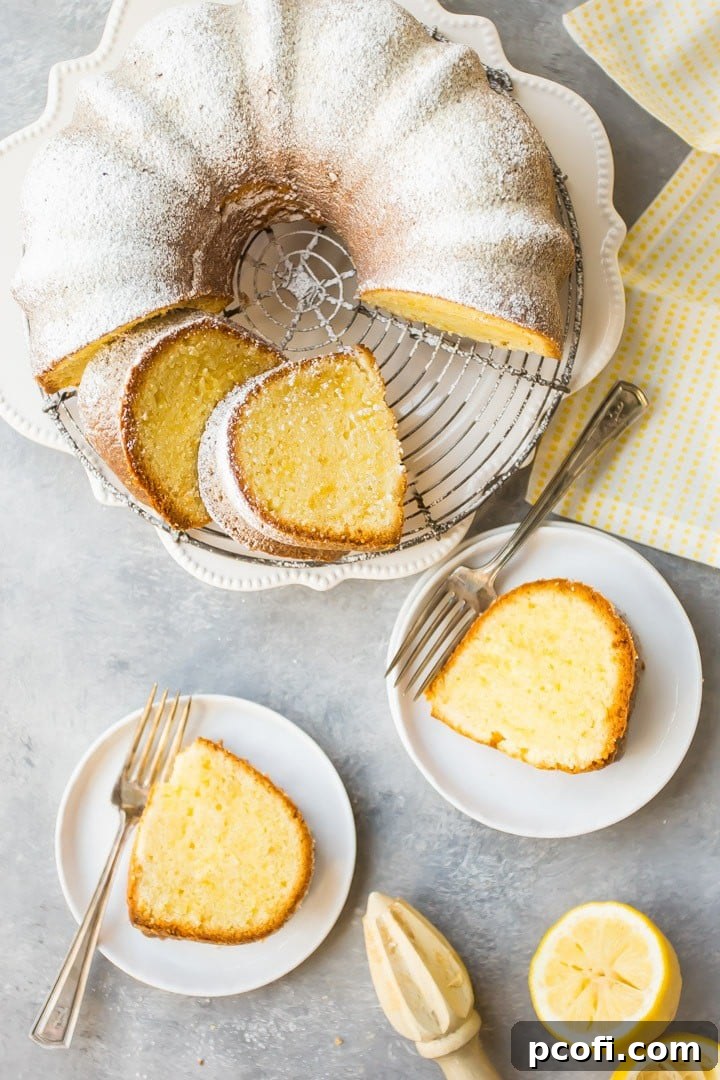
Ensure Complete Cooling: Once your lemon bundt cake is removed from the oven and has cooled sufficiently in the pan to be handled (typically about 15-30 minutes), carefully invert it onto a wire rack. Allow it to cool completely on the rack before slicing or garnishing. Attempting to slice a warm pound cake can result in crumbling and a less clean cut, and will prevent it from setting properly.
Frequently Asked Questions About Lemon Pound Cake
Pound cakes distinguish themselves from regular cakes primarily through their traditional ingredient ratios and resulting texture. Historically, pound cakes adhere to a simple formula: one pound each of flour, sugar, butter, and eggs. This specific balance of ingredients yields a cake that is notably dense, incredibly moist, and possesses a fine, tight crumb. In contrast, “regular cakes” encompass a vast array of recipes with varying ingredient proportions, leavening agents (often relying more heavily on baking powder or soda), and mixing methods, resulting in textures that can range from light and fluffy to tender and airy, depending on the specific type of cake.
A dry pound cake can be incredibly disappointing, and several factors can contribute to this common issue. The delicate balance of ingredients in a pound cake means that if the ratio of flour, sugar, butter, and eggs is even slightly off – perhaps too much flour or too little butter – the cake can turn out dry. Precision in measuring is key! Another major culprit is overbaking. Baking the cake for too long or at too high a temperature causes excess moisture to evaporate. It’s crucial to rely on sensory cues like the “spring-back” test and the skewer test (checking for clean removal) to determine doneness, rather than strictly adhering to recipe times, which are always approximate guidelines. Remember also the concept of “carry-over cooking” – food continues to cook for several minutes after being removed from the heat source. If your cake bakes even a minute or two too long in the oven, it can become noticeably drier as it cools.
Absolutely! This lemon pound cake is an ideal candidate for making ahead, which makes it perfect for entertaining or when you simply want to enjoy a delicious treat without last-minute baking. Its robust structure and moistness ensure it holds up beautifully over time. Preparing it in advance allows the flavors to meld and deepen, often making the cake even more delicious on the second day. This convenience is a real boon when planning for gatherings or busy weeks.
To maintain its incredible moistness and flavor, store your lemon pound cake at room temperature. Ensure it is lightly covered or placed under a cake dome to prevent it from drying out; it will remain fresh for several days. If you need to extend its shelf life, you can tightly wrap and chill the cake in the refrigerator for up to a week. For longer storage, this pound cake freezes exceptionally well. Wrap it tightly in plastic wrap and then in aluminum foil, and it should last beautifully in the freezer for at least one to two months. Thaw frozen cake in the refrigerator overnight or at room temperature for a few hours before serving.
This generous cake is designed to serve a crowd, easily yielding 16 substantial slices. The nutritional information provided in the recipe card is calculated per 1/16th of the cake, and this includes the delightful dusting of powdered sugar used for garnish.
More Zesty Lemon Recipes to Love
If you’re a fan of the bright and tangy flavor of lemon, you’ll love these other popular recipes:
- Decadent Lemon Cheesecake
- Classic Lemon Bars
- Comforting Lemon Pudding Cake
- Irresistible Iced Lemon Loaf
This post contains affiliate sales links, meaning I may earn a small commission if you make a purchase through my links, at no extra cost to you.
Lemon Pound Cake Recipe
Leave a Review
Save Recipe
Ingredients
- 2 1/2 cups (567.5 g) unsalted butter, softened
- 3 cups (600 g) granulated sugar
- 6 (264 g) eggs, large
- 2 teaspoons (10 g) lemon extract
- 1/4 cup (61 g) lemon juice , (from about 2 lemons)
- 2 tablespoons (12 g) lemon zest, (from about 1 lemon)
- 3 cups (375 g) cake flour
- 2 teaspoons (12 g) kosher salt
- 1 tablespoon (8 g) powdered sugar, (optional garnish)
Instructions
-
Preheat your oven to 350 degrees F (175 C). Generously mist a 12-cup bundt pan with non-stick spray and then lightly dust it with flour, tapping out any excess. This ensures easy release of the cake.
-
In a large mixing bowl, using an electric mixer (stand or hand-held), cream together the softened unsalted butter and granulated sugar on medium-high speed. Continue mixing until the mixture becomes visibly pale and fluffy, a process that should take at least 5 full minutes. This step is crucial for incorporating air and achieving a light crumb.
-
Scrape down the bottom and sides of the mixing bowl thoroughly with a silicone spatula to ensure all ingredients are well combined. Then, add the large eggs one at a time, beating well after each addition until fully incorporated before adding the next. This helps create a smooth batter and prevents curdling.
-
Scrape the bottom and sides of the mixing bowl once more with your silicone spatula. Now, incorporate the lemon extract, fresh lemon zest, and fresh lemon juice. Mix on medium speed until the liquids are smoothly combined into the batter, ensuring a consistent lemon flavor throughout.
-
Add the cake flour and kosher salt to the wet ingredients. Mix on medium speed (or fold gently by hand) until the dry ingredients are just barely incorporated. Be careful not to overmix, as this can lead to a tough cake. Stop as soon as no dry streaks of flour are visible.
-
Transfer the prepared batter evenly into the greased and floured bundt pan. Bake in the preheated oven for approximately 75 to 85 minutes, or until the cake is puffed up, golden brown, and feels springy in the center. A thin bamboo skewer inserted into the thickest part of the cake should come out clean or with only a few moist crumbs attached.
-
Allow the cake to cool in the bundt pan for 30 minutes. This allows it to set properly before unmolding. After 30 minutes, carefully invert the cake onto a wire rack to cool completely. Cooling completely is essential for the best texture and clean slicing.
-
Once completely cool, dust generously with powdered sugar for a beautiful and simple garnish before serving.
 Tried this recipe?Mention @bakingamoment on Instagram or tag #bakingamoment.