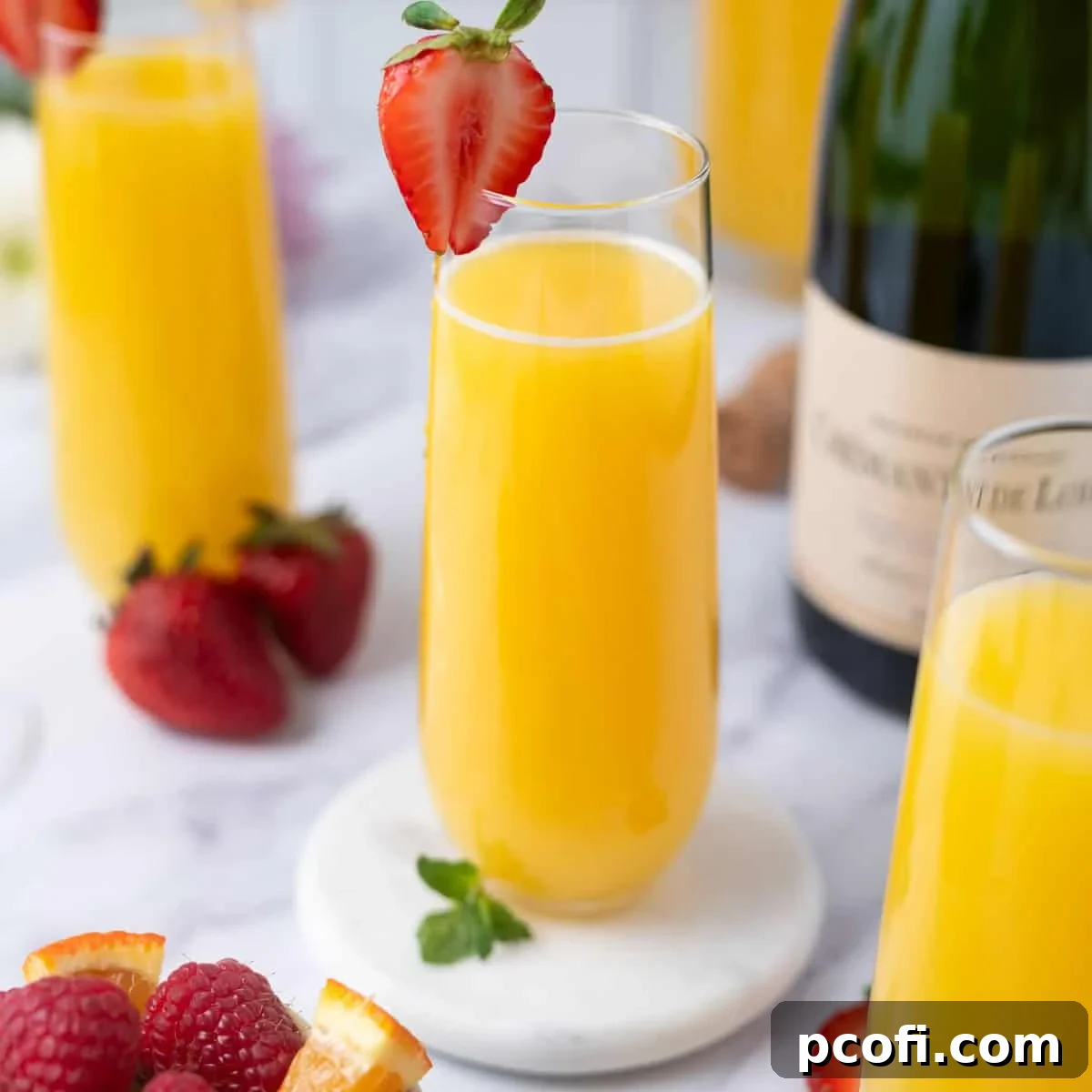
A good Mimosa is more than just a drink; it’s an invitation to celebrate, a touch of elegance that transforms any ordinary morning into something truly special. This classic, effervescent cocktail, featuring crisp sparkling wine and bright, fresh orange juice, is renowned for its simplicity and its ability to instantly elevate any gathering. Whether you’re planning an intimate brunch with loved ones or preparing a festive batch for a larger crowd, mimosas consistently deliver a sophisticated yet approachable charm.
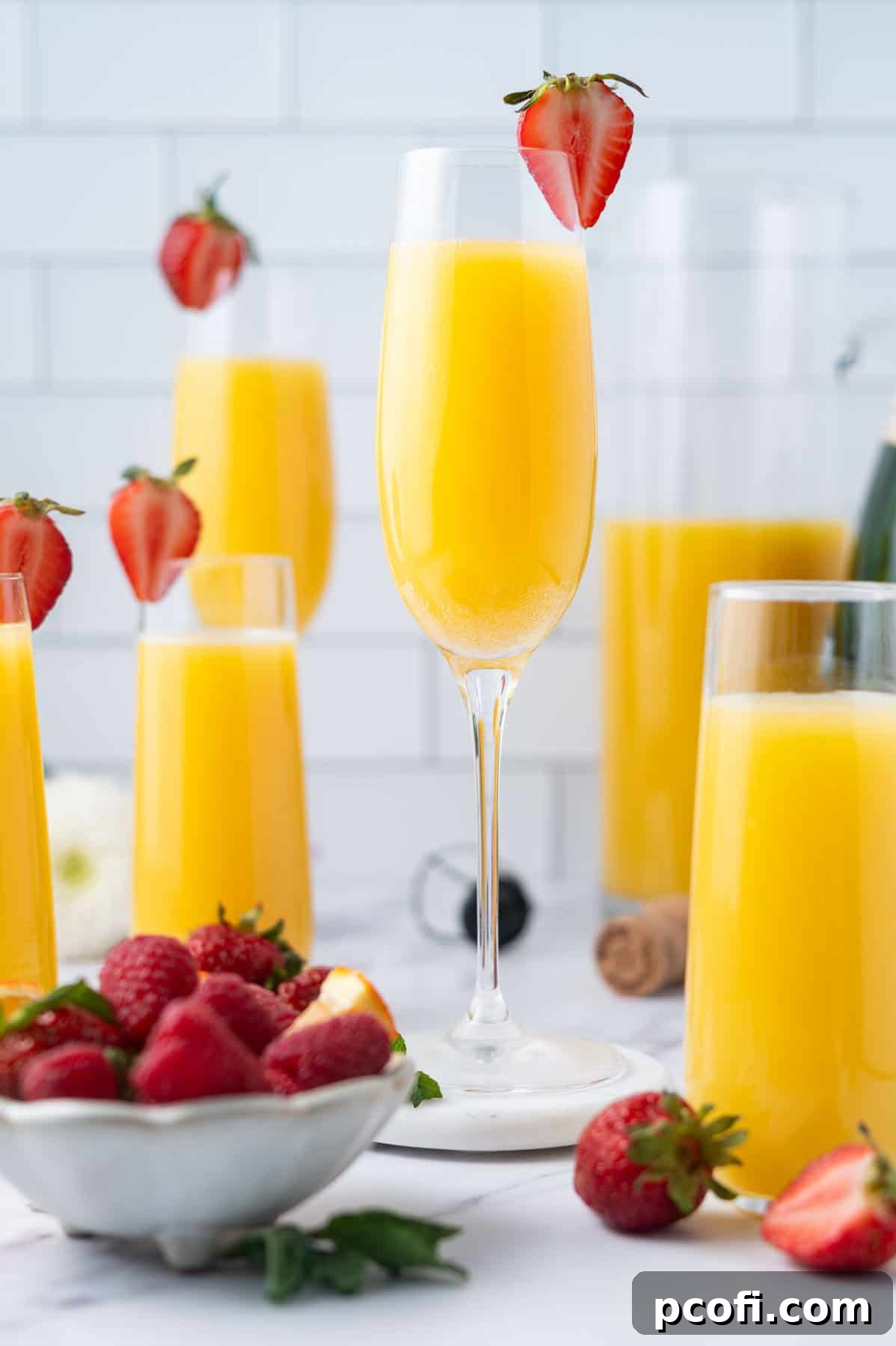
Table of Contents
- What is a Mimosa?
- Why You’ll Love This Classic Mimosa Recipe
- The Perfect Mimosa: Ingredients
- Step-by-Step Guide: How to Make Mimosas
- Expert Tips for the Best Mimosa
- Mimosa Variations & Flavor Twists
- Serving Suggestions & Occasions
- Food Pairings for Mimosas
- Frequently Asked Questions About Mimosas
- Classic Mimosa Recipe Card
- More Delightful Cocktail Recipes
Jump to Recipe
What is a Mimosa?
A mimosa is a simple yet elegant cocktail traditionally made with equal parts sparkling wine (typically Champagne) and chilled citrus juice, most commonly orange juice. Its origins are often attributed to the Ritz Hotel in Paris around 1925, though similar drinks existed earlier. The name “Mimosa” is believed to come from the mimosa plant, whose vibrant yellow flowers resemble the drink’s sunny hue. This iconic beverage has become a staple at brunches, bridal showers, baby showers, and holiday gatherings worldwide, beloved for its light, refreshing taste and its inherent celebratory feel. It’s the ultimate hassle-free cocktail that never fails to impress, offering a sophisticated touch without any complicated preparation.
Why You’ll Love This Classic Mimosa Recipe
There are countless reasons why the mimosa remains a perennial favorite, especially for those looking to add a touch of sparkle to their special moments. This particular recipe emphasizes everything that makes the mimosa so beloved:
- Effortlessly Simple to Prepare: Forget complicated techniques or specialized bar tools. Making a mimosa is as straightforward as it gets – simply pour and enjoy! This makes it ideal for busy hosts or anyone who wants a delicious drink without the fuss.
- Visually Stunning and Festive: The beautiful, soft orange (or vibrant red/pink, depending on your juice choice) hue of a mimosa brings an instant pop of color and festivity to any table. It’s a drink that looks as good as it tastes, adding to the overall aesthetic of your celebration.
- Budget-Friendly Elegance: You don’t need to break the bank on an expensive bottle of Champagne to craft a fantastic mimosa. More affordable sparkling wines like Prosecco or Cava perform wonderfully, making mimosas an economical choice for serving a crowd without compromising on quality or celebratory spirit.
- Infinitely Adaptable: While the classic orange juice mimosa is iconic, this drink is incredibly versatile. It’s easy to customize for individual preferences or thematic occasions, allowing for endless flavor explorations beyond the traditional.
- Perfect for Any Occasion: From a lazy Sunday morning to significant life celebrations, the mimosa fits seamlessly into almost any event. Its light, refreshing nature is always welcome.
The Perfect Mimosa: Ingredients
Crafting the perfect mimosa requires just a few key ingredients. The beauty lies in their quality and how they’re combined. Refer to the recipe card further down for exact measurements, but here’s a detailed look at what you’ll need:
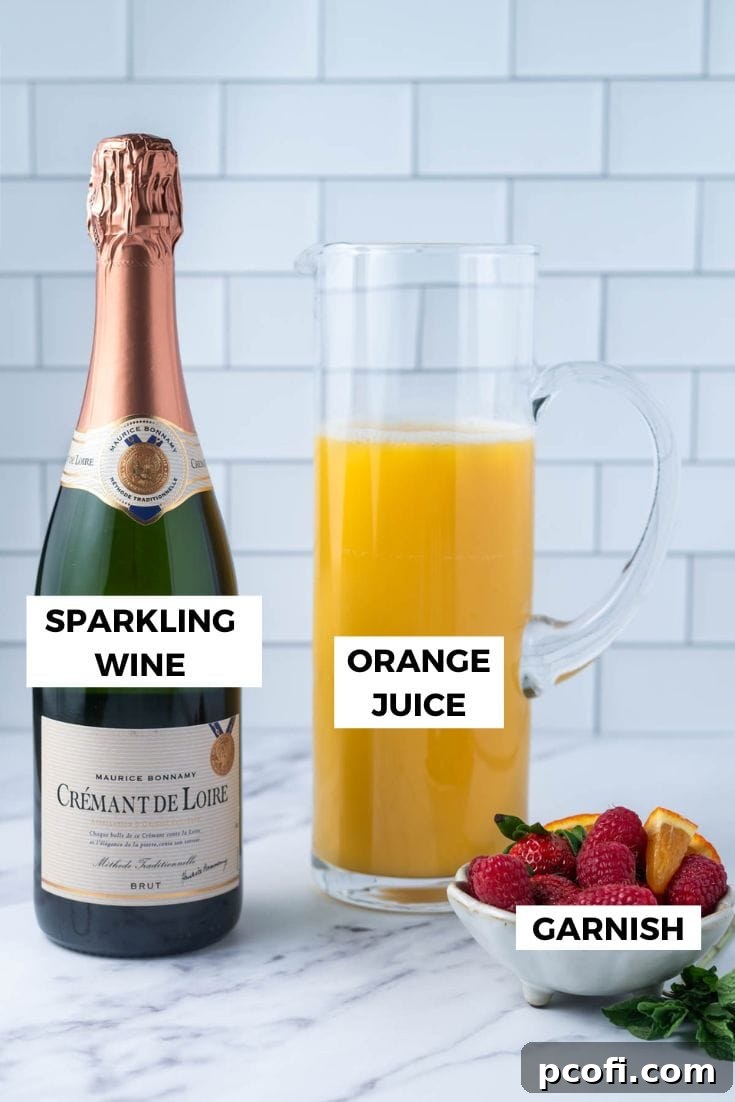
- Sparkling Wine: The cornerstone of any mimosa. A dry (Brut) sparkling wine is highly recommended to balance the sweetness of the orange juice. Excellent and economical options include Cava (from Spain), Prosecco (from Italy), or Crémant (French sparkling wine made outside the Champagne region). Save your expensive Champagne for drinking neat; its nuanced flavors can get lost when mixed with juice. Look for a bottle that clearly states “Brut” on the label for that ideal dry finish. Ensure your sparkling wine is thoroughly chilled before serving for maximum refreshment and fizz.
- Orange Juice: This is where quality truly shines. Opt for a high-quality, 100% pure orange juice. Freshly squeezed is always best if you have the time, but a good store-bought brand will work beautifully. Crucially, choose pulp-free orange juice for a smooth texture and clear, vibrant appearance. Just like the wine, ensure your orange juice is well-chilled; warm juice will deflate the bubbles and detract from the experience.
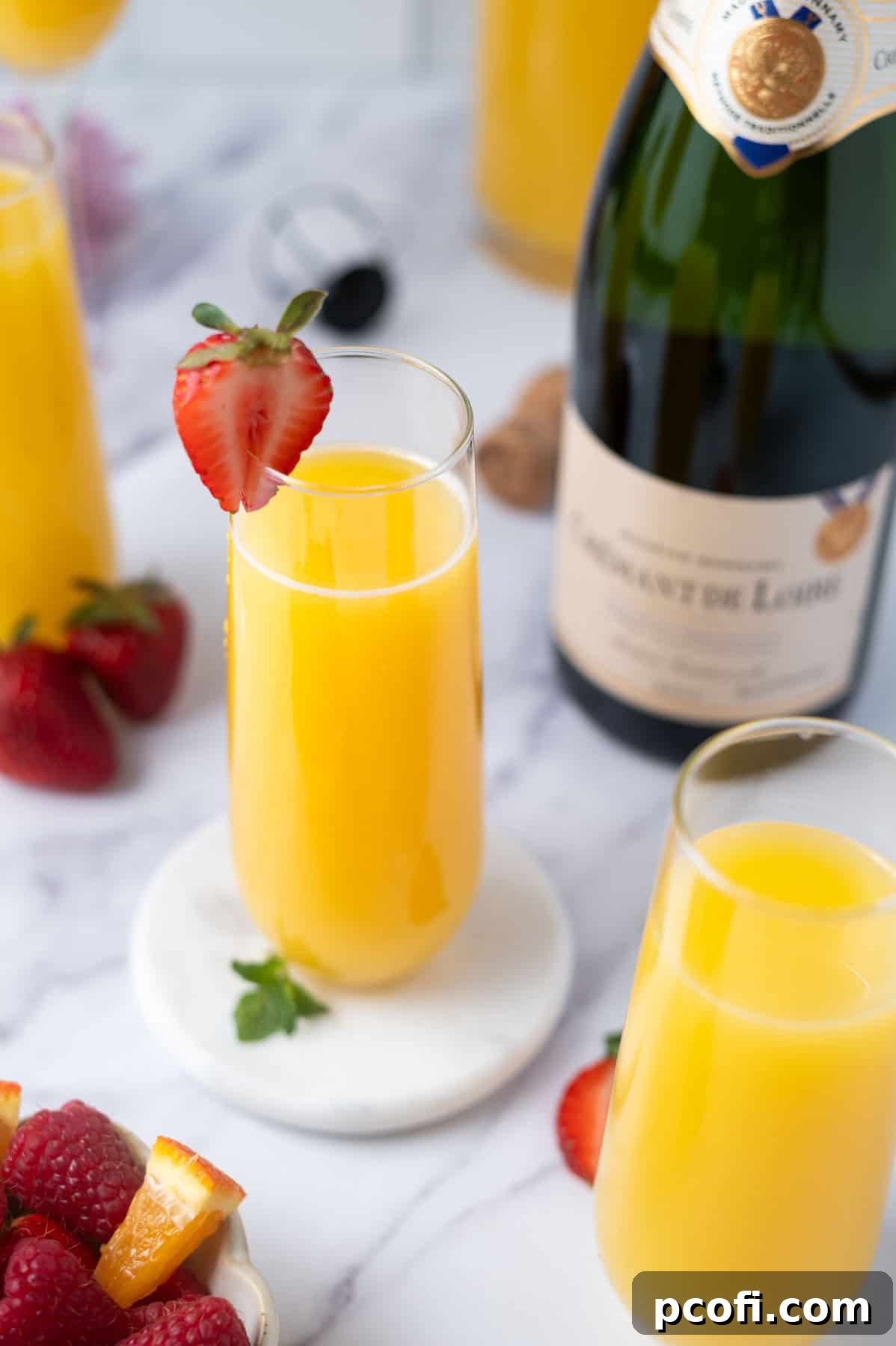
- Garnish (Optional but Recommended): A beautiful garnish elevates the mimosa from a simple drink to a show-stopping cocktail. Fresh fruit adds color, aroma, and a hint of extra flavor. Consider sliced fresh strawberries, plump raspberries, a thin wedge or twist of orange, or even a sprig of fresh mint or rosemary for an aromatic touch. These simple additions make a significant difference in presentation and overall enjoyment.
Step-by-Step Guide: How To Make Mimosas
Making a mimosa is delightfully straightforward, ensuring you can whip up this elegant drink in minutes. Follow these simple steps for a perfectly bubbly brunch cocktail:
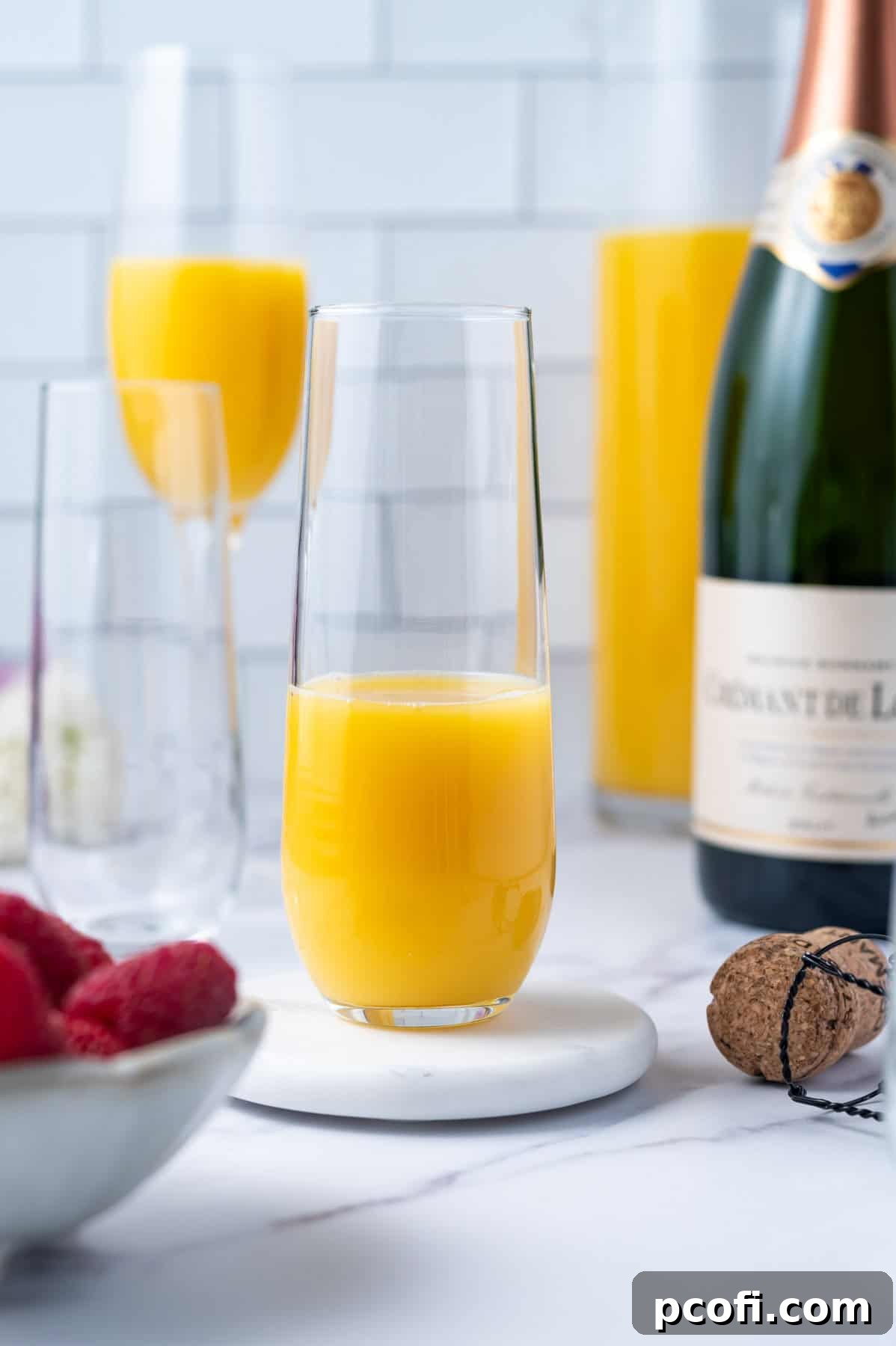
Step 1: Add Orange Juice
Begin by pouring your well-chilled, pulp-free orange juice into your chosen glass. For a classic mimosa, aim to fill the glass approximately halfway, or about 3-4 ounces. This provides a good foundation for the sparkling wine and allows for proper mixing without overflow.
Step 2: Add Sparkling Wine and Garnish
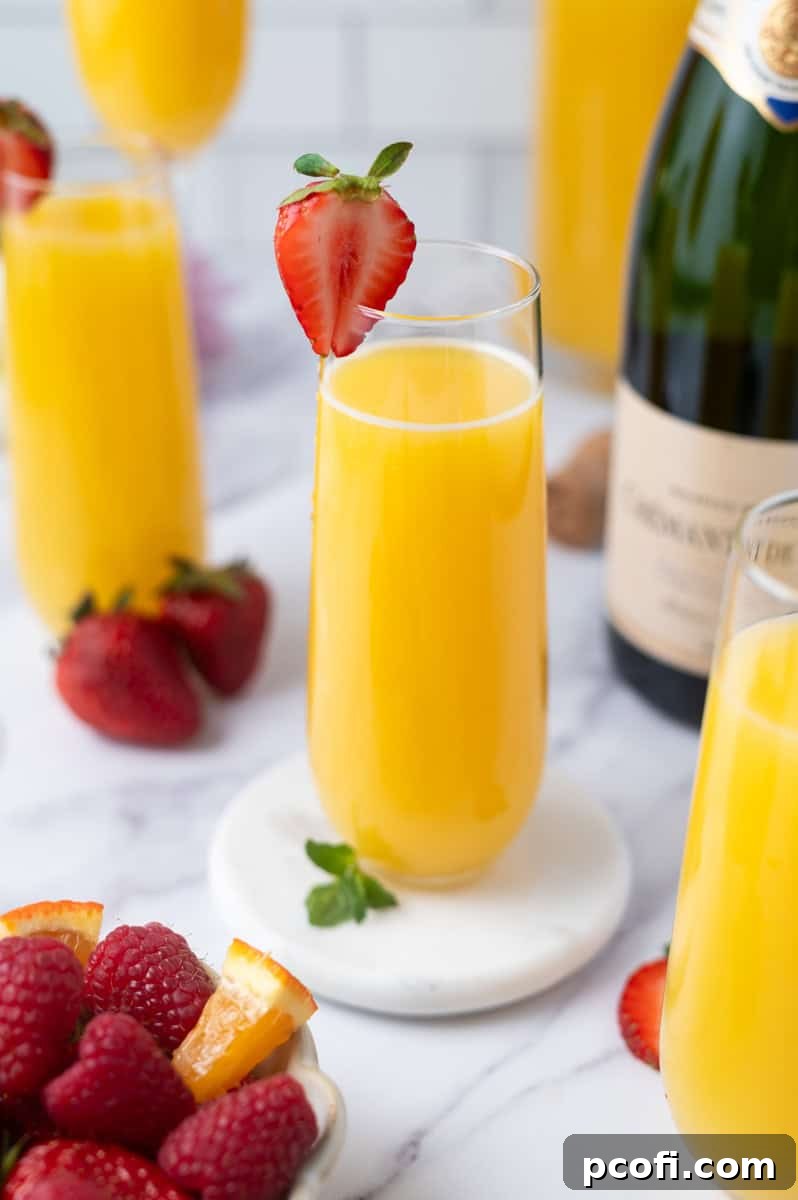
Gently top the orange juice with your equally chilled sparkling wine, pouring slowly to preserve the bubbles. Fill the glass almost to the brim, leaving a small space for any garnish. The ideal ratio is typically 1:1, but feel free to adjust to your personal preference for sweetness and strength. After combining, stir briefly and gently, just enough to meld the flavors without losing too much carbonation. Finally, adorn your mimosa with fresh fruit, an orange slice, or a sprig of herbs. Serve immediately and savor the delightful effervescence!
Expert Tips for the Best Mimosa
While making mimosas is simple, a few expert tips can elevate your cocktail from good to truly exceptional:
- Temperature is Key: Always ensure both your orange juice and sparkling wine are thoroughly chilled before mixing. Cold ingredients create the best mimosa experience, maintaining fizz longer and providing maximum refreshment. For an extra frosty touch and elegant presentation, consider freezing your champagne flutes or glasses for at least 30 minutes before serving.
- Quality of Juice Matters: Invest in high-quality, 100% pure, and pulp-free orange juice. The cleaner the juice, the better the flavor and smoother the texture of your mimosa. Freshly squeezed juice offers unparalleled taste.
- Choose Dry Sparkling Wine: A dry (Brut) sparkling wine is crucial for a well-balanced mimosa. It prevents the drink from becoming overly sweet, allowing the natural flavors of the orange juice to shine through.
- Pour Juice First, Then Wine: Always pour the orange juice into the glass before gently topping it with sparkling wine. This technique helps to preserve the wine’s delicate bubbles, ensuring a lively and effervescent drink.
- Gentle Stirring: If you feel the need to mix, stir very briefly and gently with a bar spoon. Over-stirring can quickly dissipate the carbonation.
- Serve Immediately: Mimosas are best enjoyed right after they’re made, while they are at their fizziest and most refreshing. Bubbles don’t last forever!
- Batch Making for Crowds: For larger gatherings, consider a mimosa bar. Set out bottles of chilled sparkling wine, various juices, and an array of garnishes. This allows guests to customize their own drinks and keeps the preparation stress-free for the host.
- Adjust the Ratio: The classic mimosa uses a 1:1 ratio of juice to sparkling wine. However, feel free to experiment to find your preferred balance. Some prefer a juicier mimosa (2 parts juice to 1 part wine), while others like a stronger, more wine-forward drink (1 part juice to 2 parts wine).
Glasses For Serving Mimosas
The type of glass you choose can influence both the aesthetics and the experience of your mimosa:
- Champagne Flute: This is the traditional and most popular choice. Its tall, narrow shape helps to preserve the bubbles, enhancing the celebratory feel and providing an elegant presentation.
- Coupe Glass: Offering a great vintage vibe, the coupe glass has a broad, shallow bowl. While stylish, its open design means bubbles will dissipate a bit faster. Perfect for those who appreciate a retro aesthetic.
- Wine Glass: A standard white wine glass allows for a slightly larger pour and can be a convenient option if you’re short on flutes. It also lets the aromas develop a bit more.
- Stemless Glasses: These are excellent for outdoor celebrations or larger, more casual gatherings. They are less prone to tipping over and have a slightly more relaxed, modern feel. They still maintain a good portion of the bubbles.
Mimosa Variations & Flavor Twists
While the classic orange mimosa is a timeless choice, its simple structure makes it incredibly versatile for creative variations. Swapping out the juice can completely transform the drink, offering new flavor profiles perfect for different seasons or themes. Here are some popular and delightful mimosa twists:
- Pineapple Mimosa: For a tropical escape, use chilled pineapple juice instead of orange. Its vibrant sweetness pairs beautifully with sparkling wine, creating a sunshine-in-a-glass experience, perfect for summer gatherings.
- Cranberry Mimosa (Poinsettia): This festive variation uses cranberry juice, giving the mimosa a beautiful red hue and a tart-sweet flavor. Often called a “Poinsettia,” it’s a popular choice for Christmas brunches and holiday parties.
- Grapefruit Mimosa (Blushing Mimosa): For a more sophisticated and slightly bitter note, try fresh grapefruit juice. The tartness of the grapefruit offers a refreshing contrast to the sparkling wine, making it a “Blushing Mimosa.”
- Peach Mimosa (Bellini): While technically a Bellini (made with peach purée and Prosecco), a peach juice mimosa offers a similar luscious, fruity flavor. It’s wonderfully sweet and smooth, ideal for late summer brunches.
- Mango Mimosa: Sweet and exotic, mango juice (or purée) creates a rich, tropical mimosa. This variation is incredibly flavorful and feels like a luxurious treat.
- Strawberry Mimosa: Blend fresh strawberries into a purée and use it as your base for a vibrant, naturally sweet, and visually stunning mimosa.
- Non-Alcoholic Mimosas: For guests who prefer not to drink alcohol, simply substitute the sparkling wine with sparkling cider, sparkling grape juice, or even plain club soda. This ensures everyone can enjoy a celebratory, bubbly drink.
Don’t be afraid to experiment with other fruit juices like pomegranate, apple, or even a splash of elderflower liqueur for an added floral note. The possibilities are endless when it comes to customizing your perfect mimosa!
Food Pairings for Mimosas
Mimosas are the quintessential brunch cocktail for a reason – they pair beautifully with a wide array of breakfast and lunch dishes. Their light, effervescent, and fruity profile makes them incredibly versatile. Here are some ideal food pairings to complement your mimosa:
- Classic Brunch Dishes: Eggs Benedict, quiches, omelets, and frittatas are natural companions. The mimosa’s acidity cuts through the richness of eggs and hollandaise sauce.
- Sweet Treats: Pancakes, waffles, French toast, muffins, and pastries (croissants, danishes) are elevated by the mimosa’s fruity sweetness. It’s a delightful pairing that enhances both the food and the drink.
- Fresh Fruit and Yogurt: A fruit platter or a yogurt parfait provides a light, refreshing counterpoint to the mimosa, enhancing its vibrant fruit notes.
- Savory Appetizers: Smoked salmon canapés, mini chicken and waffles, or delicate cheese and fruit skewers offer a lovely balance. The mimosa helps to cleanse the palate between bites.
- Light Salads: A fresh green salad with a citrus vinaigrette or a fruit salad with a light dressing can be a wonderful, bright pairing for a mimosa.
Frequently Asked Questions About Mimosas
Got questions about making the perfect mimosa? Here are some common queries and their answers to ensure your brunch beverage is always a success.
- What is the best sparkling wine for mimosas?
While Champagne is traditional, a dry (Brut) Prosecco, Cava, or Crémant are excellent and more affordable choices. These wines offer a crispness that balances the sweetness of the orange juice without breaking the bank. Avoid extra dry or demi-sec sparkling wines, as they will make your mimosa too sweet.
- What is the ideal ratio of orange juice to sparkling wine?
The classic ratio is 1:1, meaning equal parts orange juice and sparkling wine. However, this can be adjusted to personal preference. For a sweeter, less alcoholic drink, use more juice (e.g., 2 parts juice to 1 part wine). For a stronger, drier mimosa, use less juice (e.g., 1 part juice to 2 parts wine).
- Can I make mimosas ahead of time?
It’s generally not recommended to mix mimosas too far in advance, as the sparkling wine will lose its effervescence. Mimosas are best served fresh. However, you can prepare and chill all your ingredients (juice and wine) beforehand. If you’re hosting a large group, setting up a “mimosa bar” where guests can mix their own drinks is a fantastic solution.
- What kind of orange juice should I use?
High-quality, pulp-free orange juice is best. Freshly squeezed juice offers the freshest taste, but a good quality store-bought brand will work well. Ensure it’s thoroughly chilled.
- How can I keep mimosas cold?
Keep your sparkling wine and juice in the refrigerator until you’re ready to serve. For longer events, you can keep the sparkling wine bottle in an ice bucket. Chilling your glasses in the freezer for about 30 minutes before serving also helps keep the drink colder longer.
- Are mimosas strong?
Mimosas are typically considered a relatively light cocktail. The alcohol content depends on the sparkling wine used and the juice-to-wine ratio. With a 1:1 ratio, the alcohol content is roughly half that of the sparkling wine itself (which is typically 11-12% ABV), making it about 5-6% ABV.
Classic Mimosa Recipe Card
Mimosa
6
cocktails
5
Leave a Review
Ingredients
-
1
bottle
sparkling wine,
Cava, Prosecco or Cremant are good options -
24
ounces
orange juice,
pulp-free recommended
Instructions
-
Pour 3-4 ounces of cold orange juice into a champagne flute.
-
Gently top with 3-4 ounces of chilled sparkling wine and stir briefly.
-
Garnish as desired with fresh fruit or herbs and serve immediately.
Notes
For an extra chilled cocktail, freeze the glasses for a minimum of 30 minutes before serving.
Nutrition Facts (per serving)
Serving:
1
cocktail
,
Calories:
112
kcal
,
Carbohydrates:
13
g
,
Protein:
1
g
,
Fat:
0.2
g
,
Saturated Fat:
0.03
g
,
Polyunsaturated Fat:
0.05
g
,
Monounsaturated Fat:
0.04
g
,
Sodium:
10
mg
,
Potassium:
337
mg
,
Fiber:
0.2
g
,
Sugar:
11
g
,
Vitamin A:
227
IU
,
Vitamin C:
57
mg
,
Calcium:
24
mg
,
Iron:
1
mg
French
Drinks
There you have it – the ultimate guide to crafting the perfect mimosa. This delightful cocktail, with its bright flavors and bubbly charm, is an effortless way to add a touch of sophistication to any occasion. Whether you stick to the classic orange juice recipe or venture into one of the many exciting variations, you’re sure to create a memorable drink that everyone will love. Cheers to sparkling mornings and joyful celebrations!
More Delightful Cocktail Recipes
If you enjoyed making and sipping this mimosa, you might be interested in exploring other classic cocktails that are perfect for various occasions. Expand your bartending repertoire with these fantastic recipes:
- French 75
- Amaretto Sour
- Moscow Mule
Tried this recipe?
Mention @bakingamoment on Instagram or tag #bakingamoment.